There is no denying it: Revit is a sensation. And if you haven't fallen in love with it yet, get ready: you will.
I don't understand why some people are still so resistant to this software. No, I am not an Autodesk employee, and I am not paid to speak well of their programs—in fact, they don't even need me to. I am saying this as an architect, designer, project manager, virtual construction modeler, and BIM manager.
Once again, the EUROPAN competition for urban and architectural ideas—which aims to deepen knowledge and research in the fields of habitat and urban planning—has highlighted the high caliber of Spanish architecture and its young architects. Through their hard work and dedication, these professionals deliver outstanding proposals with high levels of creativity, providing coherent and effective solutions to the contemporary challenges facing our cities.
Indeed, the jury for this latest edition of EUROPAN 14 awarded five first prizes, seven second prizes, and ten special mentions to projects by young architects under 40 submitted for the Spanish sites in this cycle: Alcoy, Barcelona, La Bazana, Madrid, Playa de Palma, and Torrelavega. A total of 165 teams submitted proposals in Spain.
https://www.archdaily.com/1114356/young-spanish-architecture-triumphs-at-europan-14Javier García Librero
The Metropolitan Housing Observatory of Barcelona, established to provide both the public and public administrations with the information and tools necessary to evaluate and design housing policies, has released the first results of its work conducted during 2017.
The report reveals concerning results, shedding light on the complex and problematic reality faced by many residents who find it difficult or simply impossible to afford the high rents currently being reached in Barcelona and virtually all other Spanish cities.
https://www.archdaily.com/1114352/barcelona-residents-spend-up-to-43-percent-of-their-income-on-rentJavier García Librero
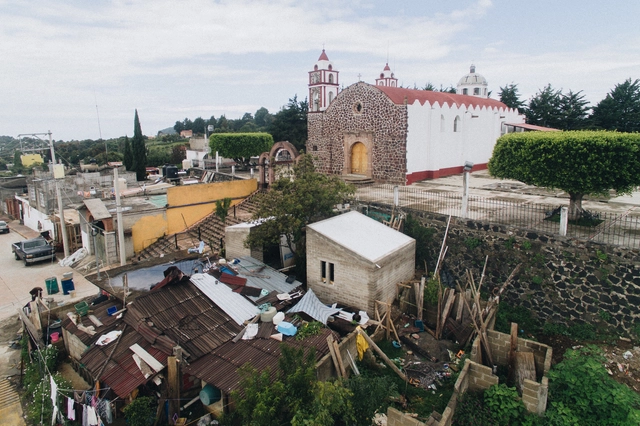
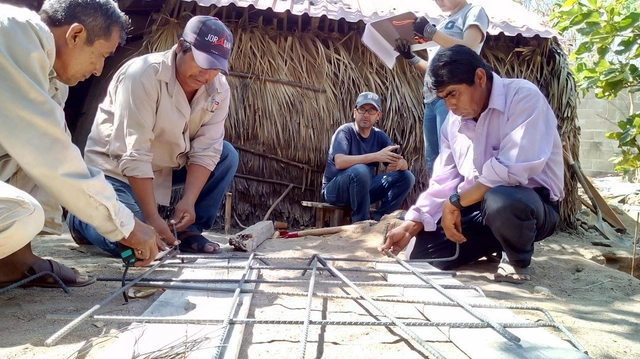
On Saturday, September 22, 2018, a community celebration was held in the First Section of San Mateo del Mar, Oaxaca, Mexico (SMM), to mark the handover of the first reconstructed homes to the beneficiary families. This was made possible through a pilot program promoted by the San Ignacio de Loyola Foundation (Loyola Foundation) with technical, administrative, and operational assistance from the Reconstrucción.istmo team of the Department of Habitat and Urban Development (DHDU) at the Instituto Tecnológico y de Estudios Superiores de Occidente, Jesuit University of Guadalajara (ITESO).
Identity, memory, and ways of living are the main themes explored by Chilean architect Nicolás Norero in his new personal podcast, where he converses with prominent architects from across the Americas, such as Chilean Mathias Klotz, American Rick Joy, and Mexican Frida Escobedo.
"My goal is to talk with people I admire and respect. Memory, identity, and ways of living are intangible concepts, but in my view, they are fundamental to our discipline," Norero told ArchDaily. "Through a biographical lens, we understand how architects develop their own language and a unique way of doing things," he adds.
Humberto Eliash, architect, academic at the Universidad de Chile, and former vice dean of the university's Faculty of Architecture and Urbanism, is the new President of the Colegio de Arquitectos de Chile. This was ratified following the first meeting of the national board on January 12, after the online voting held among members throughout Chile last December.
Although the position of national President is determined by an internal agreement of the board of directors, historically the candidate with the highest majority takes office. Eliash—with 21.5% of the valid votes cast—was widely expected to secure the position, as ArchDaily en Español reported a few weeks ago.
For the first time, a team of Peruvian architects has won first prize in the prestigious EUROPAN competition. The theme of this 14th edition was "Productive Cities" (Villes Productives), which explored the connection between habitat and production within a framework of sustainability. YDEA, the national team comprising Sebastián Morales, Johana Salazar, Elaine Sanchez, and Diego Morales, presented an urban regeneration project for the Terres Saint-Lazare sector in the communes of Grigny and Ris-Orangis, located south of Paris, France.
"It is a remarkable proposal due to its genuine understanding of the site and its challenges. The proposal fully aligns with the competition's theme (productive cities) by exploring how people can become active participants in their environment and producers of their own services," noted the jury.
This also marks the first time that a team composed entirely of non-European professionals has won the competition. EUROPAN is a biennial urban design competition and one of the most prestigious architectural awards for emerging talent in Europe, open to architects and urban planners under 40 years old. Since 1971, mayors from various European cities and communes have put forward their territories for the development of innovative urban and architectural proposals. Below are the details of the project.
The Helium Pavilion —GA estudio— notonly demonstrates a design and construction exploration of temporary installations, but also highlights the compelling capabilities of inflatable architecture: lightweight, easy to assemble, flexible, economical, and nomadic.
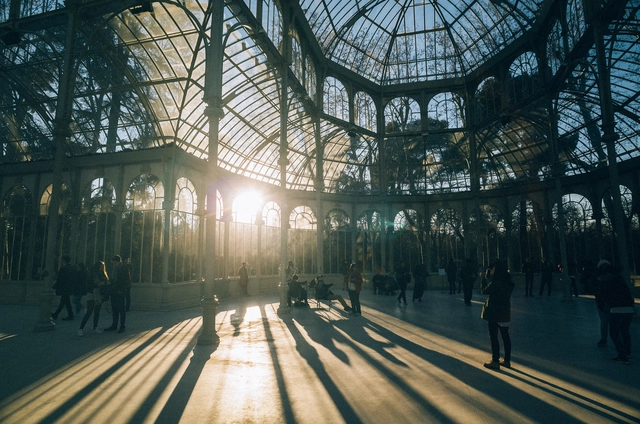
The Spanish Historical Heritage Council has approved the nomination of the Paseo del Prado and the Retiro for potential inclusion on the World Heritage List. This nomination will be officially submitted to UNESCO by Spain before February 1, 2019, and will be reviewed and evaluated by the World Heritage Committee in 2020.
The property proposed for inscription is located in the heart of Madrid and can be classified as a designed cultural landscape that has evolved over the centuries. Its origins lie in the explicit desire to provide the city with a place to enjoy nature without leaving the city—a vision later expanded to include a core Enlightenment goal: disseminating the Arts and Sciences for the education and instruction of the public, without class distinction.
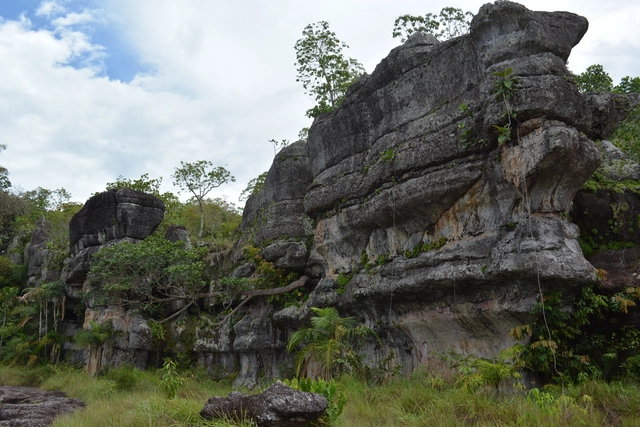
Spanning 4.2 million hectares—an area similar in size to Denmark—and making it the largest natural park in Colombia and the continent, the Serranía de Chiribiquete National Park has been declared a UNESCO World Heritage Site. Located in the heart of the Colombian Amazon, the park is one of the richest regions in biodiversity, history, and archaeology, safeguarding one of the world's most important wilderness areas.
A 50-meter-high stone amphitheater serves as the gateway to this natural sanctuary, where trees reach up to 20 meters tall. Its rocky, tabletop mountains—known as tepuis—are over 1.5 billion years old and rise to heights of 800 meters, equivalent to the height of the iconic Burj Khalifa in Dubai.
Three months ago, the 20th Chilean Biennial of Architecture and Urbanism opened in Valparaíso. Titled "Diálogos Impostergables" (Urgent Dialogues), the 2017 edition was an invitation to understand the design and construction of our cities through a broad lens—one that incorporates aspirations and knowledge from outside the discipline.
As the most important event in Chilean architecture, this year's biennial served as a platform for projects reflecting on what we consider urgent in architecture and urbanism. Simultaneously, it examined how the profession can engage with those living on the margins, whose needs and aspirations have long been neglected in urban development.
https://www.archdaily.com/1114298/this-was-the-exhibition-design-for-the-xx-chilean-architecture-biennial-urgent-dialoguesPola Mora
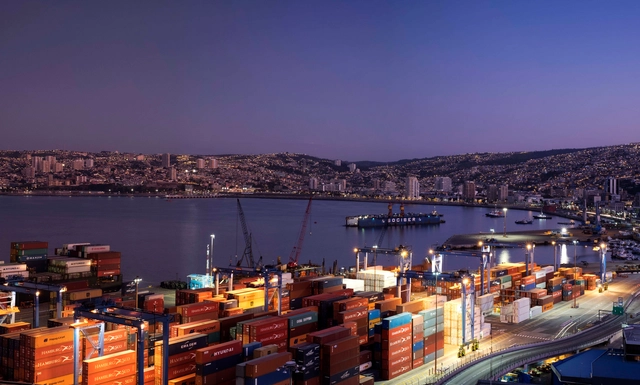
Originally published in the Chilean newspaper El Mercurio de Valparaíso, this column written by Alberto Texido, President of the Colegio de Arquitectos de Chile, addresses the current urban landscape of Valparaíso after the Chilean Supreme Court's ruling declared the building permit for a mega-mall —Mall Plaza Barón— on the waterfront of the Chilean port city illegal.
With the judicial outcome of the Puerto Barón project decided, there is little room for celebration. Instead, there is concern over the more than 15 years lost by Valparaíso, its authorities, the business community, and its citizens, who have failed to reach a consensus to move past neglect and lack of investment. Yet, beyond this regrettable litigation—which has exposed a collective inability to bring projects to fruition—it is this very status quo that has been overcome, at least by an active citizenship ready to build a new local representation. From its outset, and unlike its predecessors, this movement has successfully offered a counterpoint, demanding maximum quality, better public participation, and regulatory compliance for major urban projects.
Image credit: TenerifeTenerife on Visualhunt / CC BY-NC-SA
Concluding the activities of "Urban October," celebrated annually, the UN designated October 31 as "World Cities Day" to promote a greater exchange of experiences among countries on how to address the challenges of growing global urbanization and contribute to sustainable development.
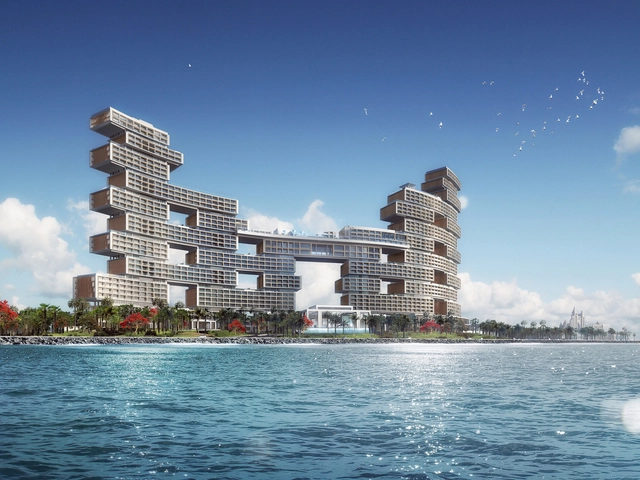
KPF has released the latest construction progress photos of The Royal Atlantis Resort & Residences. Located on Dubai’s Palm Jumeirah—the emirate’s premier resort destination—the 45-story building comprises 806 guest rooms and 256 apartments. The main structure stretches along the coast, forming an “open-air screen” against the sea.
The overall design deconstructs the traditional hotel and residential “resort block” into individual volumes. These separated masses are stacked to create fourteen “sky courts” and twenty sky terraces, offering fully open, private outdoor spaces accessible directly from the guest suites and apartments—a layout that seamlessly integrates indoor and outdoor living. Each residential apartment features a private plunge pool and garden designed to maximize shade and harness year-round breezes blowing across the water and vegetation, ensuring these private oases remain cool and comfortable throughout most of the day. While current construction photos reveal the primary massing of the main building, the sky courts are still taking shape.
https://www.archdaily.com/1114311/kpf-releases-latest-construction-photos-of-the-royal-atlantis-creating-a-screen-along-dubais-coastline舒岳康 - SHU Yuekang
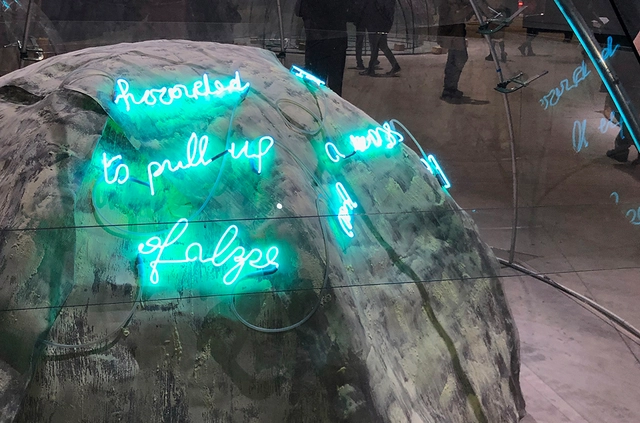
The exhibition dedicated to Mario Merz (Milan, 1925–2003) showcases, for the first time, the largest gathering of igloos brought together from various private collections and museums. This landmark display highlights Arte Povera’s profound exploration of the relationship between humanity and nature. This art movement, which emerged in Italy in the second half of the 1960s and was named by Germano Celant (art historian, critic, and artistic director of the Prada Foundation since 1993), is characterized by the use of humble, generally non-industrial materials that decay over time, naturally transforming the artwork in the process.
Ultimately, the construction concluded with a celebration. With the completion of "Not Only a Playhouse" ("Uma Casa de Brincar e Não Só..."), Casa da Arquitectura – Portuguese Centre for Architecture handed over the facility last Friday, August 10, to the residents of the Guarda Housing Complex in Perafita, Matosinhos, Portugal. Music and performances brought a lively close to two weeks of intense work during the second edition of "O Lugar de Partilha" (The Sharing Place).
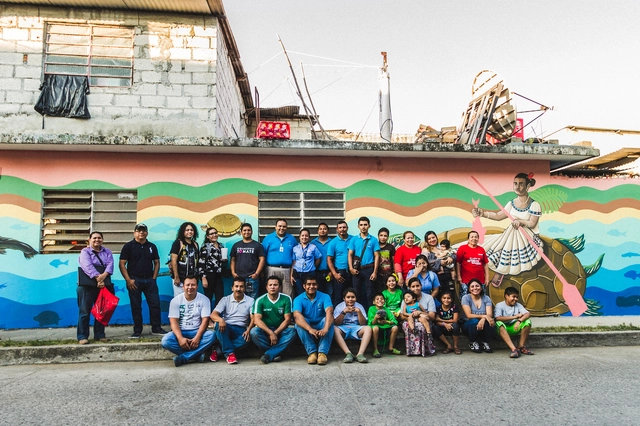
Colectivo Tomate is a Puebla-based civil organization made up of 20 artists, lawyers, architects, designers, nutritionists, and administrators who have intervened in about eight cities across Mexico. Their goal is to invite people to take action in the streets to drive transformation, demonstrate the power of citizens within their communities, and strengthen social ties.
The Ciudad Mural Villahermosa project resulted in 40 murals created through the talent of 26 artists: six local, ten national (from cities such as Oaxaca, Ciudad Juárez, Puebla, and Mexico City), and ten international (hailing from countries like Spain, Colombia, Argentina, and Brazil). These artists listened to the stories of the community and subsequently translated them into murals.
Today, we left the offices of PienZa Sostenible before dawn to head toward Tlalnepantla, in the state of Morelos—one of the many regions affected by the events of September 2017 across seven states in Mexico. After a few hours of conversation and comparing data regarding the reconstruction efforts that began almost immediately, we reached our destination, where the Rosales Milla family warmly welcomed us to show us their new home, built of adobe and wood.
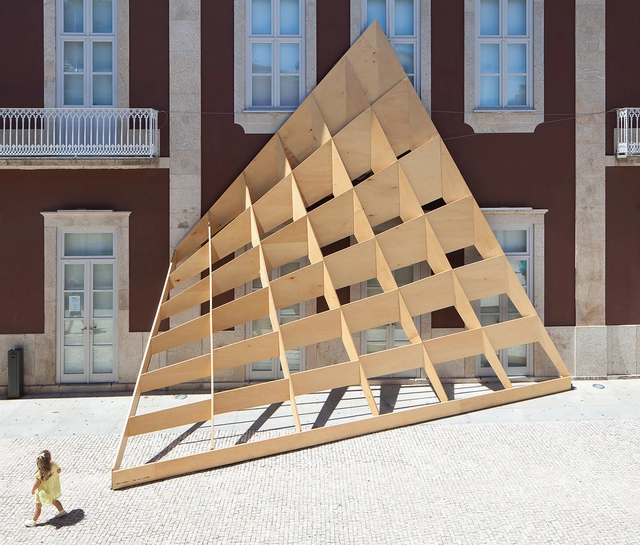
Portuguese studio FAHR 021.3 has created a temporary wooden installation that transformed the facade of the Cine-Teatro Garrett, a historic building in the city center of Póvoa, Portugal. Titled Ensaio 04, the project is a geometric study of a curved surface built from straight planes of poplar wood, resulting in a distorted perspective.
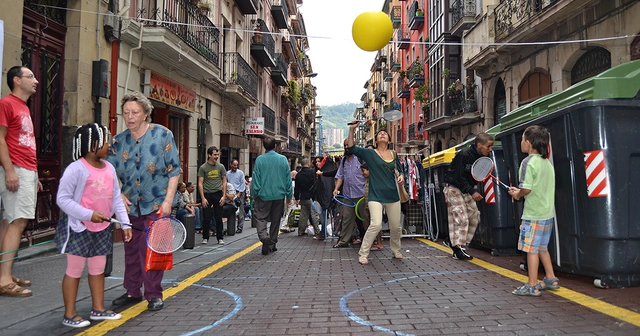
Since ancient Greece, public space has been the primary setting for gathering and socialization in cities and towns, supporting a wide range of activities as well as political debate and collective empowerment. It is a common good from which to foster equality, respect, and solidarity as the foundation of a fairer society. One of the primary characteristics of public space is its capacity to adapt and open itself up to new challenges and uses.
However, in recent years, licensing the commercial use of public spaces has become a growing source of revenue for municipal governments. The regulation and legal restriction of how our plazas and other spaces are used, enforced through municipal ordinances and codes, represents one of the primary dimensions of the privatization of public space. Privatization is understood here as the process of establishing conditions that restrict free access to a common good. The overexploitation of public space for corporate profit promotes a consumerist urban model that is detrimental to the citizenry.
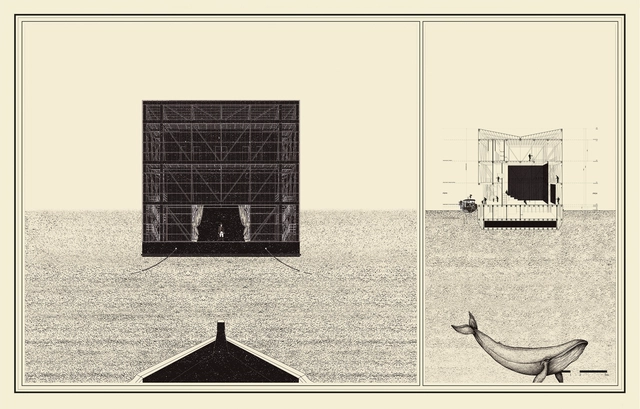
Designed by Esteban Ramírez, the Teatro Navegante project was chosen as one of the 10 winners in the Thesis Projects category of the Concurso Arquitectura Caliente 2018 (CAC 2018), a Chilean competition organized by Grupo Arquitectura Caliente and funded by the Ministry of Cultures, Arts, and Heritage.
Historically, the Chiloé Archipelago has been defined by its own inhabitants as an annex to the mainland due to the physical, social, and cultural isolation existing since the beginning of the last century. Sea and land define the everyday lives of its people. From these environments, they extract the resources for their survival, and their land routes extend through the channels and fjords vital to connecting the islands and their communities. In this isolated and fragmented territory, climatic and geographical conditions make it difficult for nearly 15,000 inhabitants to access educational, health, and cultural infrastructure, which remains concentrated in the region's urban centers kilometers away—an ongoing issue that the State has yet to address.
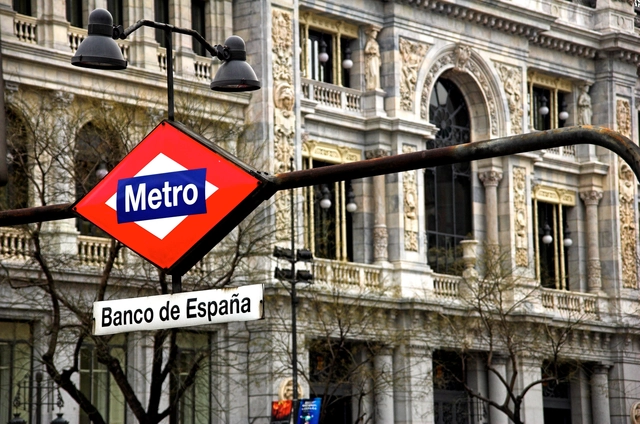
In 2019, Madrid Metro (Spain) will mark 100 years since the opening of its first line, which ran between Puerta del Sol station and the station located at the Cuatro Caminos depots. Designed by architect Antonio Palacios, the depots are currently at risk of demolition.
To commemorate this milestone, Madrid Metro launched a public call for ideas last November to design a logo that will serve as the corporate image for all centennial celebrations.
https://www.archdaily.com/1114309/architect-azucena-herranz-wins-the-competition-to-design-the-logo-for-the-100th-anniversary-of-the-madrid-metroJavier García Librero
Exactly one year ago, a 7.1 magnitude earthquake shook at least nine Mexican states, leaving several areas severely damaged across Mexico City, Puebla, Morelos, Oaxaca, Veracruz, Tlaxcala, Guerrero, and the State of Mexico. Twelve months have passed in a constant struggle to rebuild from the remnants of that nightmare. Yet in those flooded streets, hope was reborn day by day through a social phenomenon that catalyzed vibrant, self-organizing communities rising to rebuild the structures that define us.
Undeniably, 19S represented a pivotal moment, reminding us of our fragility but also of how strong we can be when we work together. It underscored the importance of being physically present on the ground and engaging in dialogue to find appropriate solutions for local communities. It forced us to rethink the mechanics of cities and their peripheries, but above all, it forced us to rethink our practice as architects. We gained a stark understanding of how national politics and power operate; a genuine critique emerged, exposing the fractures left by corruption and our lack of preparation for natural disasters. 19S was, among many other things, a reminder of where we stand and our duty as inhabitants of this territory.
Willie Arthur 78 (WA78), elegido mejor proyecto de edificación hasta 10 pisos en PAU 2018. Image Cortesía de WA78
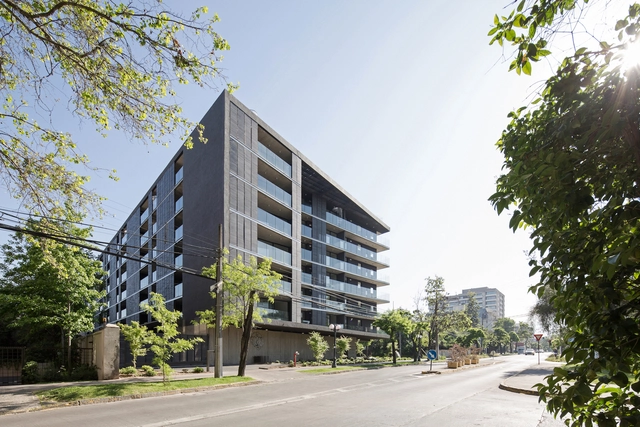
Six outstanding projects across four categories were recognized in Chile with the 2018 Urban Contribution Award (PAU), an initiative promoted by the Chilean Chamber of Construction (CChC), the Ministry of Housing and Urbanism (Minvu), the Architects' Association, the Association of Architectural Offices (AOA), and the Association of Real Estate Developers (ADI).
The award was open to any company with projects in Chile. As the project owners, these companies represent the rest of the professional team and firms involved in the work, including architects, construction companies, structural engineers, and landscape architects, among others.










.jpg?1524419230 "El Retiro Park. Image © jninophotos [Flickr], licensed under CC BY 2.0")




_Fotografía_Stefanie_Suárez.jpg?1545419542 "© Stefanie Suárez")
_Fotografía_Stefanie_Suárez.jpg?1545419805 "© Stefanie Suárez")


.jpg?1534172500&format=webp&width=640&height=580)




.jpg?1537337248&format=webp&width=640&height=580)


.jpg?1537337248)