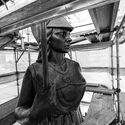
La Minerva is an iconic monumental sculpture in Jalisco's capital, created by Joaquín Arias in 1957 and commissioned by then-governor Agustín Yáñez. Years passed, and it was during the 1986 World Cup in Mexico that, following a victory by the Brazilian team, their coach gave the players the afternoon off, and the celebration ended up taking place there—at the intersection of López Mateos, Vallarta, Golfo de Cortés, and Circunvalación Agustín Yáñez avenues. Since then, La Minerva has become the preferred venue for both celebrations and demonstrations. However, weathering and traffic-induced vibrations took a heavy toll on its structure.
We are pleased to announce a strategic partnership between the ARKRIT Collective and ArchDaily en Español to regularly publish critical essays that foster debate, rigorous argumentation, and discussion around architecture.
ARKRIT is a research group within the Department of Architectural Design at ETSAM in Madrid. Over more than a decade, it has established itself as a hub for reflection and knowledge production by and for architectural criticism. Founded by Professor of Architectural Design Dr. Antonio Miranda Regojo-Borges, its members include PhDs and university academics working across various European and Latin American research centers.
Every two years, the International VELUX Award challenges architecture students from around the world to envision the future of daylight, drawing inspiration from creative exploration and research.
For the 2018 edition, the jury—composed of Carme Pigém Barceló, Rick Joy, Li Hu, Saša Begovic, and Martin Pors Jepsen—has announced the global winners. Selected from among the 9 regional winners, the chosen projects are ‘Light Forms Juggler’ by Anastasia Maslova, and ‘Road to Light’ by Yuhan Luo, Di Lan, Yuan Liu, and Yusong Liu.
During the World Urban Forum 9 (WUF9) taking place this week in Kuala Lumpur, Malaysia, ECLAC, UN-Habitat, and the member countries of the Forum of Ministers and High Authorities of Housing and Urbanism of Latin America and the Caribbean (MINURVI) will launch the Regional Action Plan for the Implementation of the New Urban Agenda in Latin America and the Caribbean (RAP).
Coordinated in collaboration with more than 70 regional experts from various stakeholder groups, the RAP aims to foster a shift toward a new urban paradigm that recognizes the city as a macro public good and guarantees the economic, social, cultural, and environmental rights of all. The document thus seeks to build on the momentum generated at Habitat III and serve as the regional expression of the New Urban Agenda.
Prison to Prison, Uruguay's official exhibition at the 2018 Venice Biennale, explores the existence of an unprecedented Freespace within the intimate relationship between two different architectural models of prisons.
The exhibition, curated by Sergio Aldama, Federico Colom, Diego Morera, Jimena Ríos, and Mauricio Wood, is an invitation to spark new dialogues and discussions that transcend the objects of study themselves, enriching our perspective and reconnecting us with the cultural dimension of architecture.
Construye Solar 2017: Proyecto Wallmapu / Universidad Mayor. Image Cortesía de Construye Solar
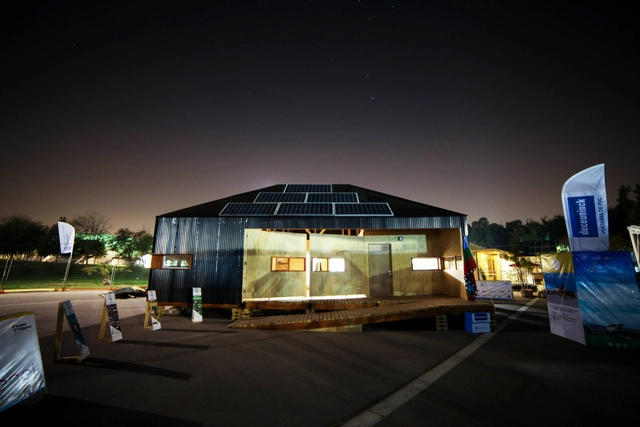
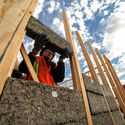
With a seminar on sustainable construction, La Ruta Solar kicked off Construye Solar 2019, the third edition of the competition that invites universities from Chile and around the world to design and build housing prototypes with high thermal and environmental standards, as well as low construction costs.
The event, which took place at the Chilean Chamber of Construction Auditorium in Santiago, Chile, and was sponsored by the Technological Center for Innovation in Construction (CTeC), was attended by the Undersecretary of Social Evaluation, Alejandra Candia, and the Chief of Staff of the Undersecretary of National Assets, Mario González, along with key speakers from industry and academia who shared their experience in developing innovations focused on sustainable housing.
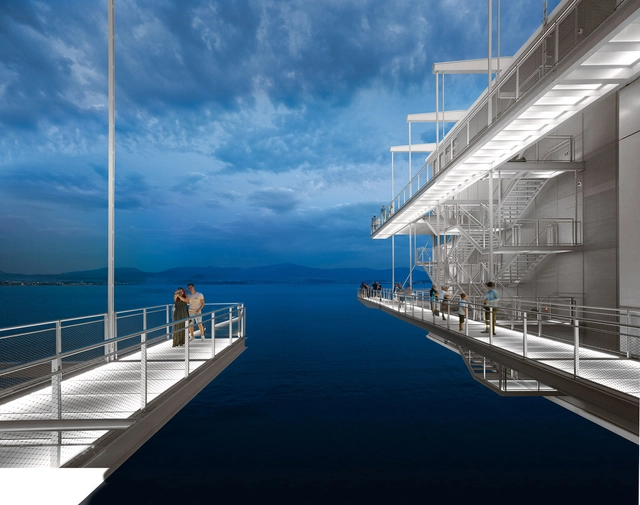
Renzo Piano, Building Workshop Centro Botín, Santander. Image
As it does every year, Arquitectura Viva has dedicated its AV Monografías yearbook 'Spain 2018' to the finest buildings completed over the last twelve months: a selection of 24 works offering an overview of the country's most recent architecture, showcasing its characteristic high quality despite the crisis that still affects the sector.
This double issue opens with a compelling essay by Luis Fernández-Galiano, who reviews the major milestones in the world of architecture over the past year. Amid a backdrop of natural disasters and political upheavals that marked a year in which Spain celebrated a Pritzker, a work by Piano, and the arrival of the Foster Foundation, Fernández-Galiano invites us to reflect on territories of risk:
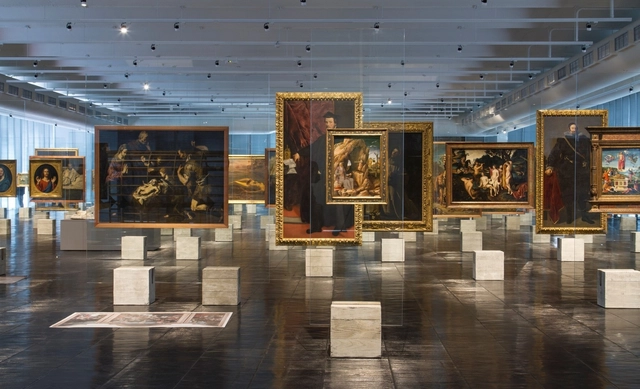
Have you ever wondered how an exhibition design is conceived? Or how it coordinates the staging of the displayed content?
Historically, what we know today as a museum began as a place to gather pieces and objects organized by typology. This is evident when looking at images of the so-called cabinets of curiosities or wonder rooms, which organized a vast array of rare objects and species (animal, plant, and mineral) brought back from the great explorations of the 16th and 17th centuries.
Centuries later, these collections began to gain traction, and former palaces transformed their hallways into long, continuous galleries, to which only their guests and residents had access. Later, in the 19th century, the emergence of pavilions dedicated primarily to the display of artifacts brought us closer to the modern concept of museums. We regularly publish various museum projects. But beyond their architecture, have you ever noticed the crucial role that exhibition design plays? Below, we outline some of the key concepts of exhibition design.
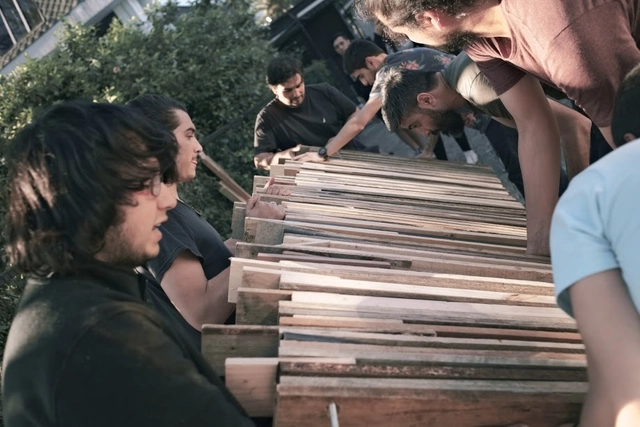
The Faculty of Architecture and Art at Universidad del Desarrollo held activities as part of the Detonating Experience II 'Contact with Matter,' which takes place three times during the program and aims to introduce future architects to each curricular cycle. Each exercise brought students closer to the construction and design of full-scale objects. The "Table" Workshop was led by the prominent firm Grupo Talca, featuring architects Rodrigo Sheward and Martín del Solar, while the EDII "Mast" was directed by professors Yanko Bugueño and Diego Martínez along with teaching assistant Magdalena Gallegos.
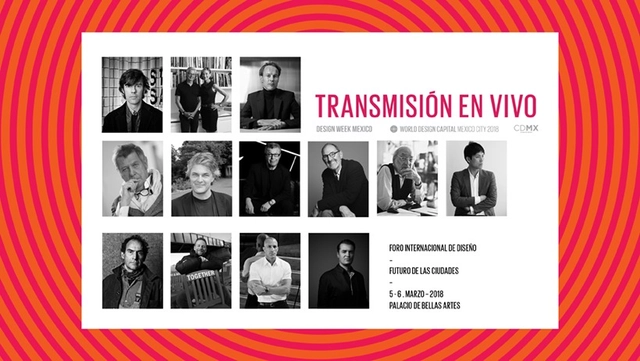
As part of the official program of World Design Capital CDMX 2018, thirteen renowned architects, designers, urban planners, writers, and artists will analyze the challenges, policies, and opportunities facing our cities. In a century marked by the city as a key driver of social interaction, discussing how urban areas function is essential to making them more sustainable and efficient, while improving the quality of life for their residents. The speakers will present their vision, share best practices, and contribute to the dialogue on new strategies for change that foster the well-being of our cities and their populations through design.
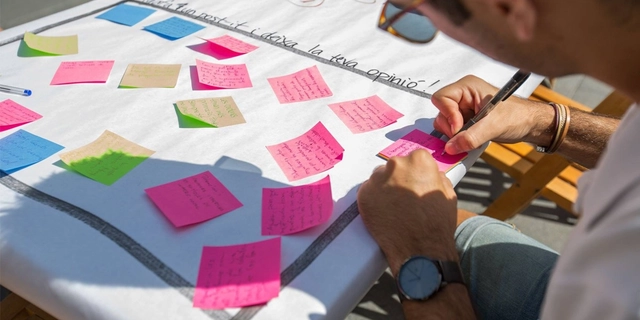
In recent years, we have witnessed the rise of the concept of “citizen participation,” particularly in the political sphere. As is often the case, this surge is not without controversy and carries inherent risks. Much like what occurred with the term “sustainability,” participation can be relegated to a smoke screen used to conceal specific types of political despotism. A clear example of this can be found in the Netherlands; in September 2013, King Willem-Alexander announced “the transition to a participatory society” to justify dismantling the welfare state through neoliberal policies and some of the harshest budget cuts the country has ever faced.
Clearly, urbanism and urban planning have not been immune to this trend. While the development of statutory urban planning instruments (General Plans, Partial Plans, Special Plans, etc.) is legally required to incorporate public participation mechanisms, the reality is that these are often reduced to public comment and exhibition periods. Consequently, actual participation is replaced by mechanisms that belong strictly to the realm of communication and information sharing.
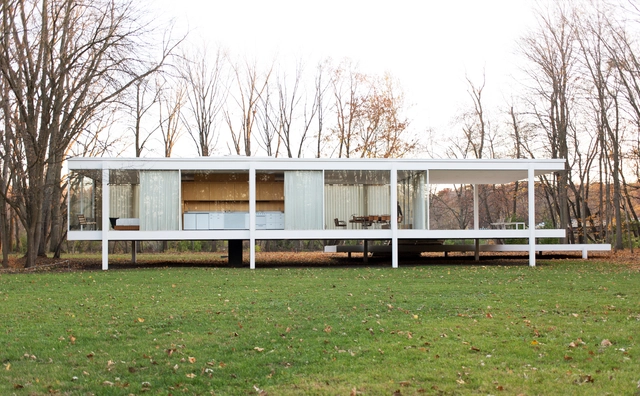
If you are taking your first steps in Revit, or would like to understand its practical integration with BIM, the following tutorial will be of great help. The course was developed by Mexican architect Alan Rodríguez Carrillo, who published a step-by-step tutorial on his YouTube channel to model the famous Farnsworth House, designed by Mies van der Rohe in the 1940s, in Revit .
Divided into six videos, the tutorial explains in detail how to model columns, walls, floors, doors, furniture, facades, ceilings, lighting, and even the visualization options for one of the Modern Movement's most iconic projects in Revit.
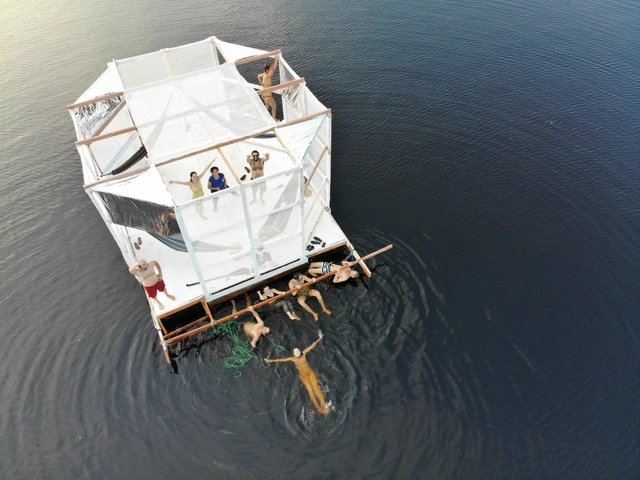
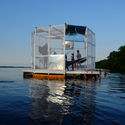
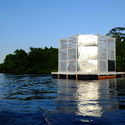
Floating is one of humanity's oldest ways of living and traveling. Today, this ancestral practice is drawing significant interest due to the increasing frequency of flooding caused by climate change.
Riverside communities in the Amazon rainforest have used various floating strategies for centuries. By studying local architectural solutions and utilizing contemporary materials technology, architect Marko Brajovic and designer Nacho Martí, co-directors of the Architectural Association Visiting School Amazon, organized an international workshop to experiment with floating architecture.
La Casa Ensamble Chacarrá / Ruta 4. Image Cortesía de Ruta 4
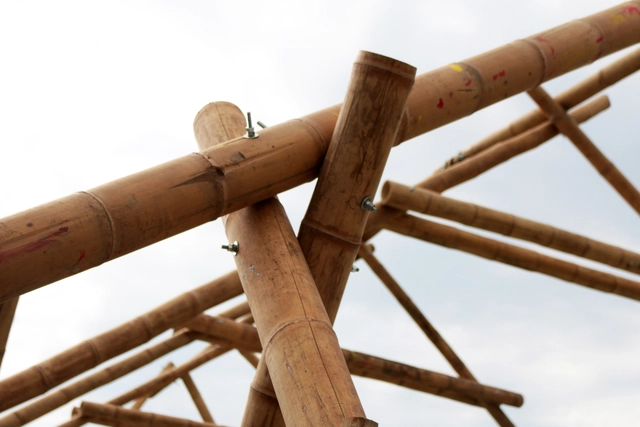
As a subspecies of bamboo, guadua has been used as a construction material from the Spanish conquest to the present day. Its strength, lightweight nature, and flexibility offer numerous structural advantages and applications. Since it is native to the forests of Colombia and Ecuador, it has been widely used in local building projects. Additionally, its ease of cultivation and processing makes it a highly sustainable material.
This selection highlights six projects where guadua has been used as both a structural and aesthetic resource.
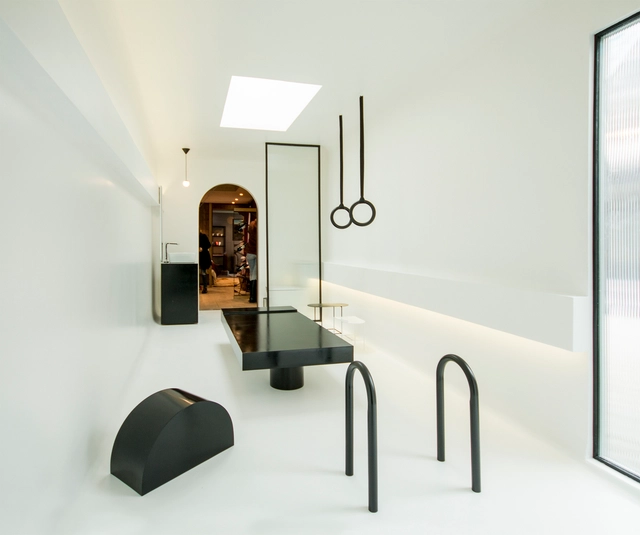
Modern and surreal, yet without compromising on functionality and comfort, the bathrooms designed by emerging architects and designers at the current Casa FOA interior design exhibition in Santiago, Chile, seek to rethink a traditional space within an innovative context, aiming to trigger a different experience for both users and spectators.
On December 20, the final curatorial review of the first National Essay and Research Competition, Written Architecture 2017, took place at the national headquarters of the Colegio de Arquitectos de Chile.
Organized by Grupo Arquitectura Caliente and co-organized by Ediciones ARQ, the competition awarded the 20 best articles out of 87 submissions in the undergraduate and graduate categories, representing 18 architecture schools across 9 different Chilean cities.
The competition was directed by Gabriela García de Cortázar and featured a jury of 30 prominent academics and professionals on the Evaluation Committee.
Below is the article by Universidad de Chile student Pablo Schmidt, winner of the Graduate Category.
Courtesy. Image via Secretaria Municipal de Urbanismo e Licenciamento - SMUL
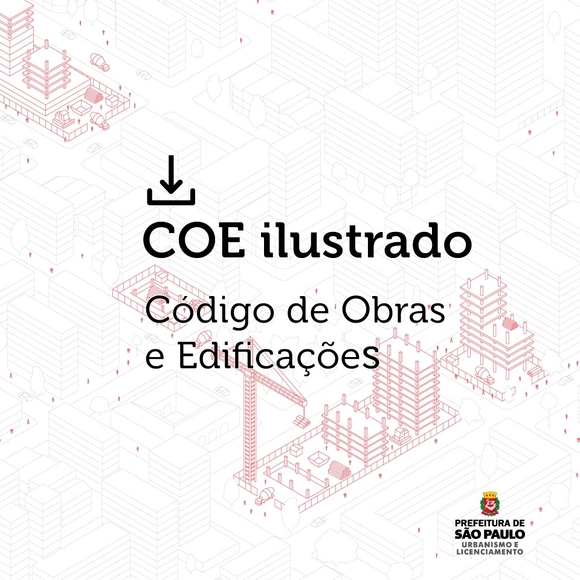
The new illustrated version of the Building and Works Code (COE) is now available online. Released by the São Paulo Municipal Secretariat of Urbanism and Licensing (SMUL - PMSP), this edition features graphic design by oitentaedois, making the legislation more accessible to the general public.
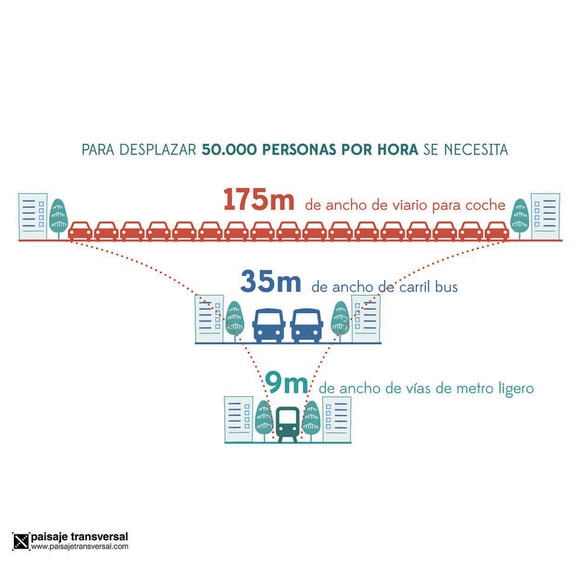
Numerous movements are demanding alternatives to current urban mobility—systems designed by and for vehicular traffic, burdened by an outdated planning mentality that centered everything around the car. Their reasons are equally diverse: improving public health, utilizing economic resources more rationally when commuting, lowering pollution levels (both noise and air), and even increasing efficiency by reducing travel times.
Yes, we are referring to the endless and inevitable daily traffic jams we have all experienced.
If the benefits across all sectors are so clear, why haven't we implemented an alternative mobility system on our streets yet? There are several answers to this question, ranging from public resistance to change and a lack of prioritization in political agendas, to the simple fact that there is no universal, magic formula to solve every issue overnight everywhere. Once we overcome these barriers, we can begin by analyzing who currently uses the streets, who does not, and why.
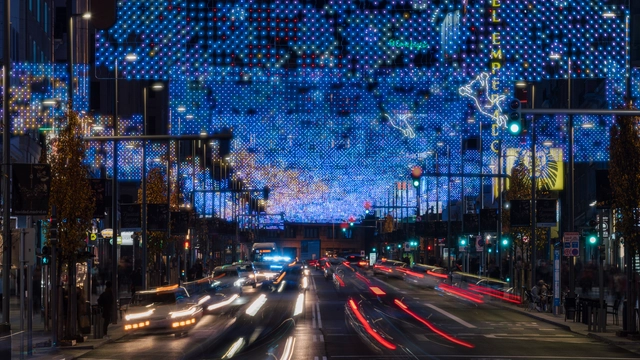
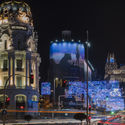
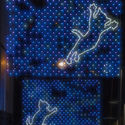
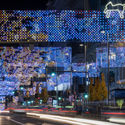
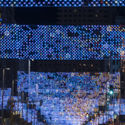
Madrid's Gran Vía is illuminated with LED bulbs along 1,300 meters thanks to a light installation by Brut Deluxe. Commissioned by the city council, the installation is inspired by nebulae and galaxies. Set up for this year's holiday season, the display was captured by Imagen Subliminal.
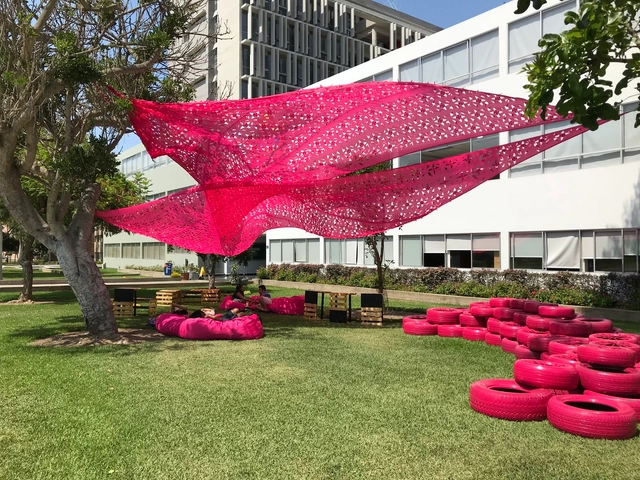
A breath of fresh air, new colors: A FUCHSIA intervention in the Faculty of Social Sciences (CCSS) at the PUCP. In this faculty's striking garden, students have always sat and lain on the grass to debate their ideas; however, with the increase in “social” activities, more seating, equipment, and shade were needed. Featuring a perforated textile canopy floating between the trees and stacked tires that organically integrate with the garden, this project creates a colorful focal point and an ideal gathering space that INTEGRATES in multiple ways: the students of this program and their ideas, all the campus students with one another, and the various recycled materials that culminate in FUCCSSIA-INNTEGRA.
The emergence of such a project right in the middle of the “tontódromo”—a busy campus street where students from la cato hang out—is highly significant, both for the project's inherent message and for the visibility and accessibility of its location. “Ocupa Tu Calle”, a citizen-led initiative that typically carries out urban interventions in Lima's public spaces, has now intervened on a university's main thoroughfare, partnering with the Faculty of Social Sciences to invite students to help design and improve their own campus through an ideas competition. In addition, the project prompts a reflection on the appropriation of private space using public space principles. The winning proposal reinterprets the Greek agora into a flexible, playful area for students to debate and simply be. Below, we explore the details of the project, from the design process to its construction.
Cortesia de Secretaria Municipal de Cultura de São Paulo
To celebrate the diverse groups that built the cultural heritage of São Paulo and helped shape the city's identity, the Municipal Secretariat of Culture will host the Jornada do Patrimônio (Heritage Journey) on August 18 and 19, under the theme "One City, Many Hands."
The event offers a free, diverse program aimed at connecting the public with historical and emotionally significant spaces that define the city's history. In total, 320 activities will take place, including tours, lectures, workshops, building visits, guided tours, and book launches.
República Portátil is a creative architecture and design company founded by Universidad del Biobío (Concepción) architecture graduates Luis Felipe Maureira, Julio Suarez, and Valentina Torres, alongside industrial designer Andrés Moreno and publicist Cristina Vergara. In this interview, they discuss the origins of República Portátil, when its members, then university students, gathered to generate spatial experiences designed to disrupt the everyday and transform urban environments:
This approach, heavily inspired by the ideas of the Situationist movement, is reflected in works such as Pabellón Deshabitado, Pabellón Difuso, and Pabellón FAV (Valparaíso Festival of the Arts). Through these projects, República Portátil presents an innovative and sustainable vision that questions how we inhabit public space, focusing on its temporality. Through demountable architecture, they highlight the significance of territory and the activities that unfold within it over time, designed to engage all of the spectator's senses.
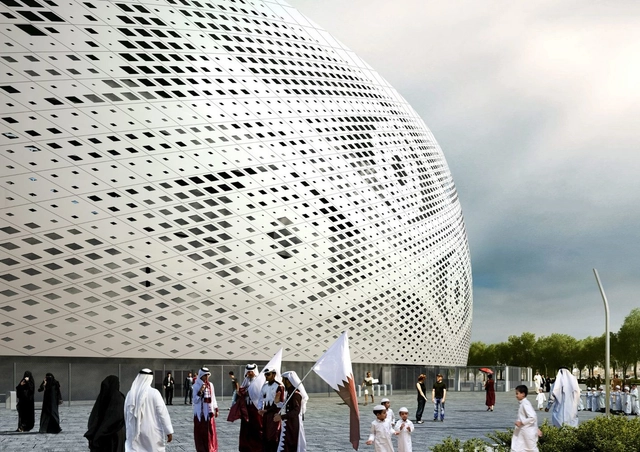
Al Thumama Stadium, designed by Ibrahim M. Jaidah, explores Qatari history, symbolism, and culture. Courtesy of the Supreme Committee for Delivery & Legacy
The 2022 World Cup takes place in Qatar from November 21 to December 18, promising to amaze spectators with its stadiums. There are eight projects in total—some built from scratch, while others are existing structures undergoing renovation.
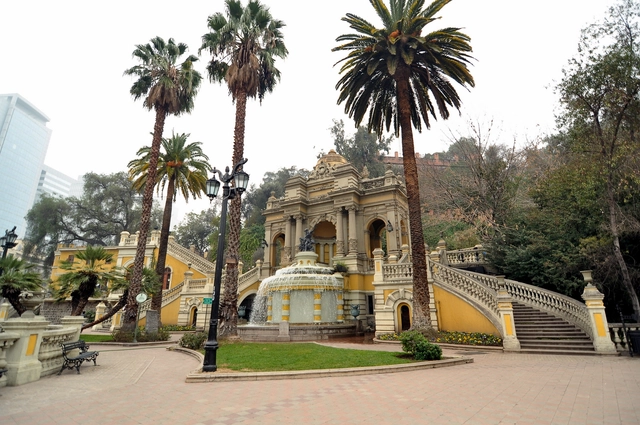
In May 1999, 17 historic buildings in Santiago opened their doors to launch the very first edition of Chile's Cultural Heritage Day. Nearly two decades after that inaugural event, the upcoming edition will span an entire weekend for the first time, taking place on Saturday, May 26, and Sunday, May 27.



.jpg?1521330302&format=webp&width=640&height=580)

_02.jpg?1518144885&format=webp&width=640&height=580)