The International Contemporary Art Fair of Spain, ARCOmadrid, is taking place at IFEMA, Madrid, through February 26, 2023. As one of the main platforms for the contemporary art market, the 42nd edition of the fair features the program "The Mediterranean: A Round Sea," which involves the art scenes of the countries surrounding this sea. It is curated by Marina Fokidis and features advisory support from Bouchra Khalili, Hila Peleg, and Pedro G. Romero.
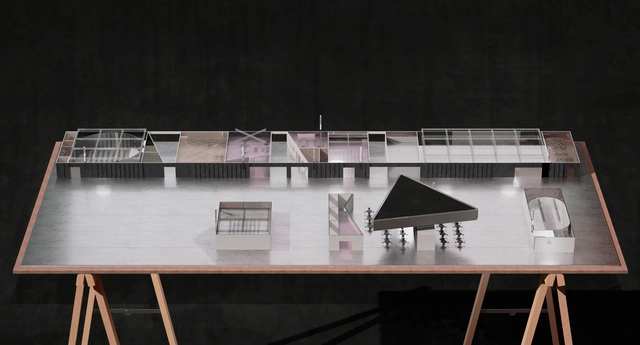
Proposta finalista de messina | rivas. Image Cortesia de CAU/SP
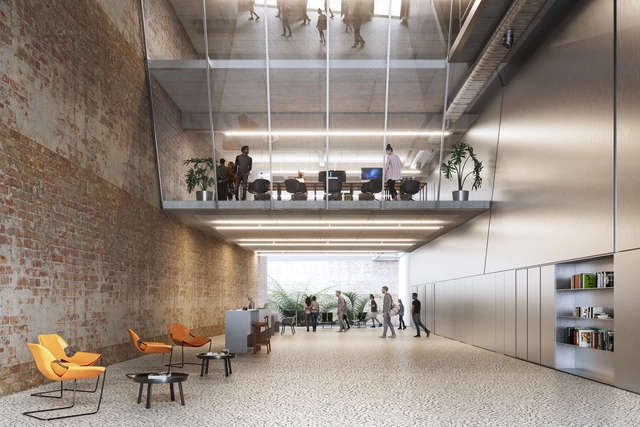
The Council for Architecture and Urbanism of São Paulo (CAU/SP) announced the three selected proposals in the first stage of the national competition to renovate the CAU/SP headquarters building, alongside honorable mentions and highlights. The competition registered 49 entries from firms across different regions of Brazil, receiving a total of 29 proposals.
https://www.archdaily.com/1136027/h-plus-f-arquitetos-messina-rivas-and-kipnis-arquitetos-associados-are-the-finalists-in-the-competition-for-the-cau-sp-headquartersArchDaily Team
Facing the challenges of aligning development demands with sustainability policies, researchers from FGV EAESP (São Paulo School of Business Administration), alongside the international non-governmental organization ICLEI (Local Governments for Sustainability) and other partners, have created the Green and Blue Infrastructure Guide. The objective is to provide a step-by-step guide on how to make cities sustainable, focusing on improving local governance across three key factors: food, water, and energy.
https://www.archdaily.com/1135874/green-and-blue-infrastructure-guide-shows-how-to-make-cities-sustainableArchDaily Team
“Construyendo y rompiendo techos” / Laia Ollé Ramos - Instituto Gabriel Ferrater i Soler de Reus. Image Cortesía de Fundación Mies van der Rohe
To mark International Women's Day, the high school research projects awarded the Lilly Reich Grant for Equality in Architecture were presented at the historic Barcelona Pavilion, designed by Mies van der Rohe and Lilly Reich for the 1929 Barcelona International Exposition. In addition, the call for applications for the new 2023/2024 edition has been opened.
This year, we celebrate the fifteenth edition of our Obra del Año (Building of the Year) award: the highest recognition in the Spanish-speaking architectural world, with winners selected by public vote. Starting today, Thursday, March 9, you and all of our readers will be responsible for choosing the projects built during 2022 that inspired us and now faithfully represent the identity of our local contexts.
Since 2015, the renowned Concéntrico International Architecture and Design Festival of Logroño has fostered dialogue between the city, its heritage, and contemporary architecture, inviting citizens to reflect on the urban environment. For its ninth edition, taking place from April 27 to May 2, 2023, the festival has announced its participating architecture and design teams.
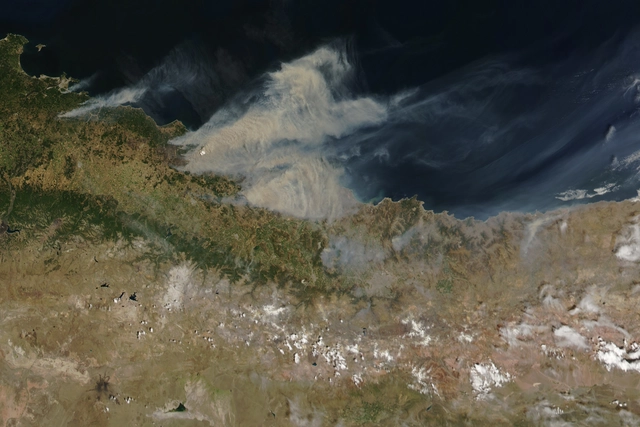
Satellite image of the wildfires in south-central Chile in 2017. Image via Wikimedia. Author: NASA images by Jeff Schmaltz, LANCE/EOSDIS Rapid Response. Public Domain
This February began with social media ablaze following wildfires in central and southern Chile. This has become a recurring concern in recent years due to their scale and frequency. To date, nearly 3,000 affected individuals and almost 1,100 destroyed homes have been reported across various areas of Ñuble, Biobío, and La Araucanía, according to data compiled by the news outlet La Tercera.
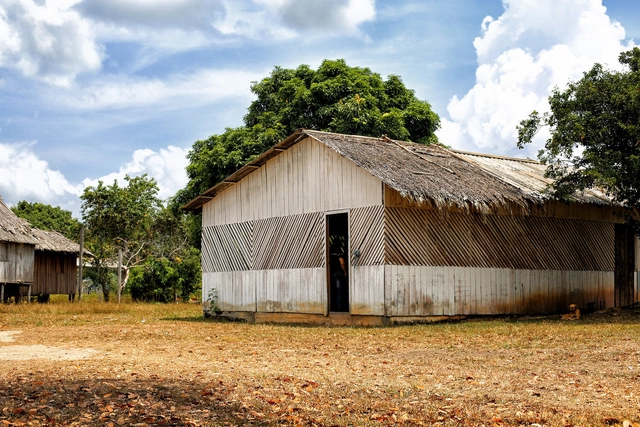
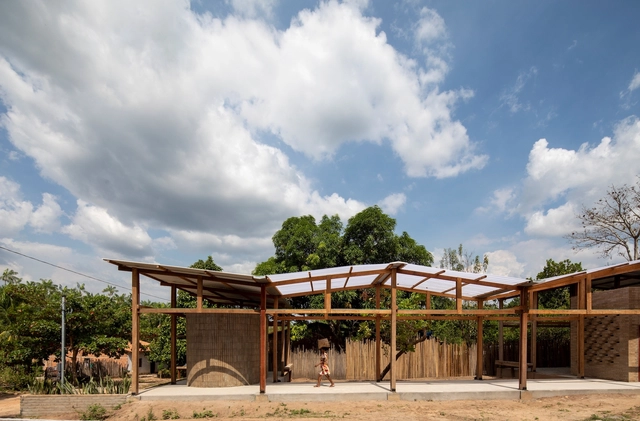
Conceição do Igarapé do Lago do Maracá Quilombo - Amapá 09/17/2017 - Meeting and dining space for the community. Photo: Anderson Menezes/Amazônia Real. Via Flickr. CC BY 2.0 License
Applications are now open for the Heritage Education Projects call launched by the National Institute of Historic and Artistic Heritage (Iphan). The initiative will provide R$ 2 million to establish partnerships between Iphan, civil society organizations, and public entities at all levels of government, which can submit proposals ranging from R$ 200,000 to R$ 250,000. Applications are open until September 25.
https://www.archdaily.com/1135988/iphan-launches-reais-2-million-call-for-proposals-for-cultural-heritage-education-projectsArchDaily Team
"Fábrica de afectos" is an exhibition by Antonio Yemail on view at the Policroma Gallery in Medellín until February 17, 2023. The exhibition is the result of a long-term process involving various case studies on the relationship between cats and humans. Yemail has spent over a decade researching a specific architecture for elusive beings, spanning research, academia, practice, and exhibitions with a combined scientific-architectural and artistic approach.
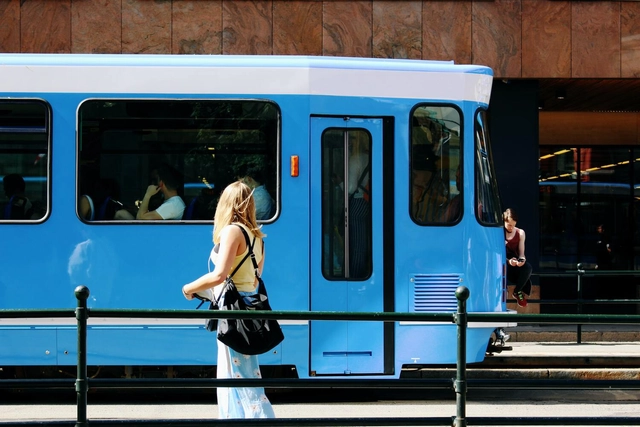
Chile is looking to reactivate and add new cable car projects to address urban mobility in its cities. At the end of January 2023, economist and politician Carlos Montes, the current Minister of Housing and Urban Development, alongside Carlos Ponce, director of the Santiago Metropolitan Park, officially presented the new Pío Nono Cable Car project. Currently under construction, this one-kilometer, three-station line—to be named Zoológico Nacional, Chile Nativo, and Plaza México—aims to provide an alternative transport option to the summit of San Cristóbal Hill.
From April 20 to 30, Barcelona will once again host the Model Festival, an event that aims to transform the city into a platform for emerging architectural and design talent, as well as global thought leaders. Founded in 2022 by the Ajuntament de Barcelona and managed this year by the Fundació Mies van der Rohe, the festival aims to create a space of exploration and inspiration for all citizens, turning the city's streets into a laboratory for architectural and urban experimentation and dissemination. It will once again feature the artistic direction of Eva Franch i Gilabert, alongside a broad team of architects, curators, and more than 50 local institutions and organizations selected through an open call.
The 7th edition of the ArchDaily Brasil Building of the Year award has arrived, and once again we need your help to select the best architectural projects of the year. By voting, you become part of an unbiased network of jurors recognizing the most relevant projects of 2022.
Over the next three weeks, the collective intelligence of our readers will filter hundreds of projects from Portuguese-speaking countries — Brazil, Portugal, Mozambique, Angola, Guinea-Bissau, East Timor, Equatorial Guinea, Macau, Cape Verde, and São Tomé and Príncipe — published in 2022, selecting the best built works in the Portuguese-speaking world.
Out of hundreds of projects published in 2022, readers will choose their favorites, with the 15 most-voted projects advancing to the second stage of the award.
As the urgency to replace fossil fuels increases, new electric vehicle models are announced with growing frequency. From urban cars to models equipped with solar panels, the focus is on prioritizing electric mobility, with automakers shifting production lines and countries and cities passing laws to accelerate the energy transition.
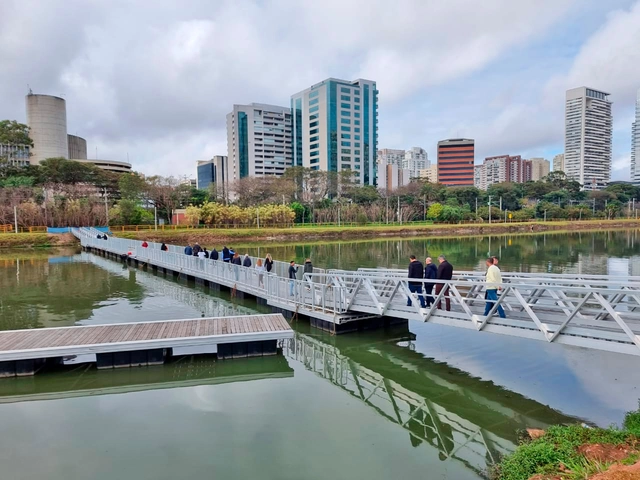
Photo via São Paulo State Secretariat for the Environment, Infrastructure and Logistics
Located in one of the most urbanized areas of São Paulo, the Bruno Covas Novo Rio Pinheiros Park will be the city's largest linear park, running along the entire west bank of the river. Opened in 2022, the first 8.2-kilometer (5.1-mile) section features various attractions, such as bike paths, playgrounds, picnic areas, and trails. However, people living next to the river are often unaware that the area is open to the public and that they can use the space, despite frequently crossing the bridges over it.
https://www.archdaily.com/1135863/sao-paulos-newest-park-on-the-banks-of-the-pinheiros-river-presents-accessibility-challenges-for-those-arriving-on-footArchDaily Team
The São Paulo Association of Art Critics (APCA) announced yesterday evening the winners of the 2022 APCA Awards. The accolade is divided into ten categories, covering Architecture, Visual Arts, Cinema, Dance, Literature, Popular Music, Radio, Theater, Children's and Youth Theater, and Television. After two years of virtual meetings, the jurors for each category met in person to debate the nominations.
https://www.archdaily.com/1135868/meet-the-winners-of-the-2022-apca-awards-in-the-architecture-categoryArchDaily Team
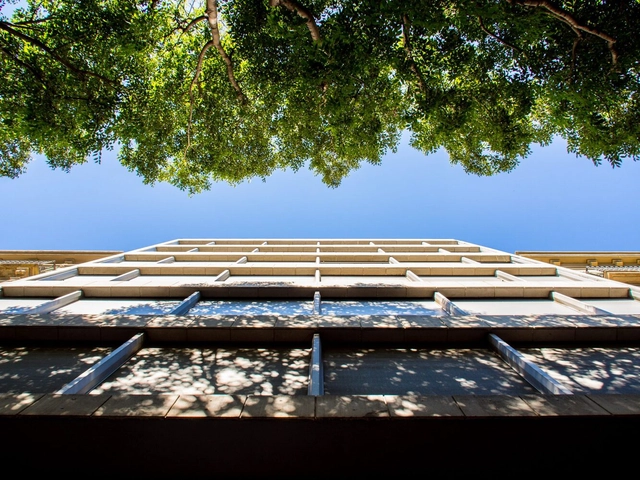
Over 4% of deaths in European cities during the summer months are due to urban heat islands, and one-third of these deaths could be prevented if tree canopy cover reached 30%. These are the main findings of a study recently published in the journal The Lancet and conducted by the Barcelona Institute for Global Health (ISGlobal).
https://www.archdaily.com/1135853/trees-can-prevent-heat-related-deaths-in-cities-study-confirmsArchDaily Team
The Instituto Tomie Ohtake and AkzoNobel have announced the finalist projects for the 9th Tomie Ohtake AkzoNobel Architecture Prize. A total of 10 works were selected in the Professional category and three projects in the Student category, along with one project recognized with an honorable mention in the latter.
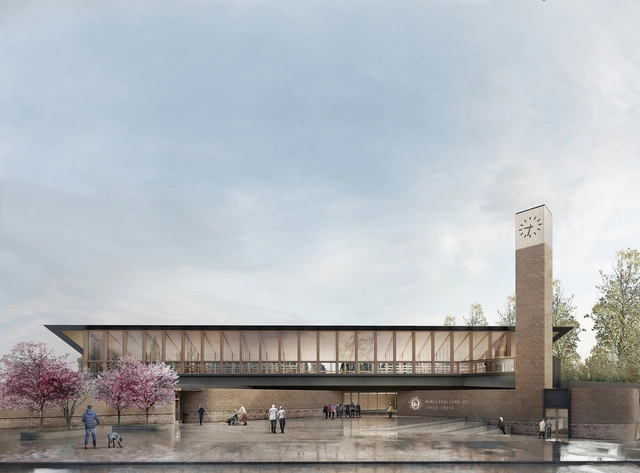
Cristóbal Tirado and Doering Pardo were awarded first place in the public competition “Architectural Design and Profile of the Chile Chico Town Hall.” Organized by the local municipality's Secretariat of Communal Planning in the Aysén Region, the competition aimed to select a distinctive and iconic architecture for this extreme region, while incorporating energy efficiency criteria, openness toward General Carrera Lake, and outdoor spaces for civic gatherings.
The selected project proposes “to articulate a dialogue between the present day and its technologies, and the historical past and foundational building traditions of Chile Chico.” With this in mind, the materials—brick, wood, and glass—were adapted to current technical and spatial requirements to create a modern civic building.
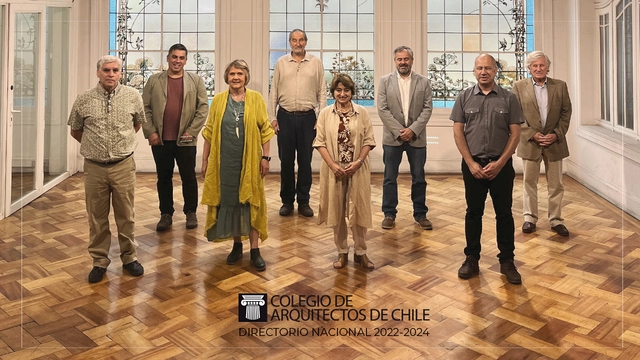
On Friday, January 20, 2023, during the Constitutive Session of the new National Board elected by our members in the 2022 CA Elections, the new Executive Board and officers of the Colegio de Arquitectos de Chile were chosen for the 2022–2024 term.
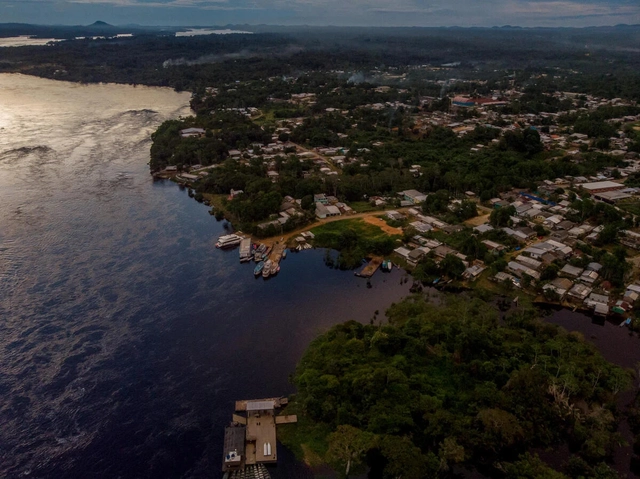
São Gabriel da Cachoeira (AM) is considered the most Indigenous city in Brazil, home to 23 peoples belonging to five language families — Eastern Tukano, Arawak, Yanomami, Japurá-Uaupés, and Tupi. There, at two small excavation sites, archaeologists have found evidence proving a dense, continuous, and ancient settlement dating back at least two thousand years.
The findings challenge the common narrative that characterizes the region by depopulation, isolation, and disconnection from the rest of the Amazon. The area is one of the best-preserved in the Amazon and has been studied since 2019 by Parinã (Intercultural Archaeological Program of the Northwest Amazon), which has just compiled its first reports on the recovered archaeological fragments.
Various experts in the design, construction, and monitoring of sustainable buildings in Latin America come together on Emisor Cero, the new podcast from Proyecto CEELA produced by podcastera.mx. The show aims to highlight the concrete challenges and actions capable of mitigating the climate crisis affecting us all, while simultaneously exposing and debunking various myths about green architecture.
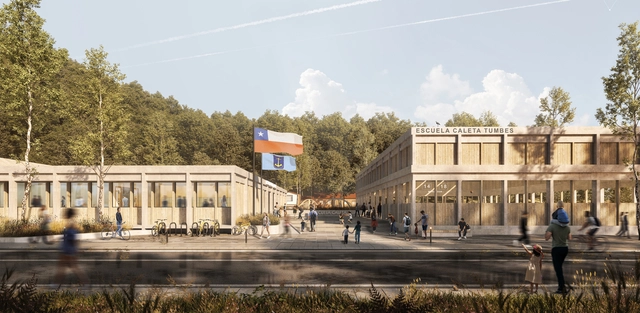
The community of Caleta Tumbes in the commune of Talcahuano, a few kilometers from Concepción, suffered severe damage from the 2010 Chile earthquake and tsunami. Nearly a decade later, the local municipality launched a public tender for the opportunity to rebuild one of the most affected structures, the F-495 School.
The winning project was designed by the firm 6280 Arquitectos, led by Pablo Arellano and Patricio Lopetegui. Below, the team describes the proposal in their own words.
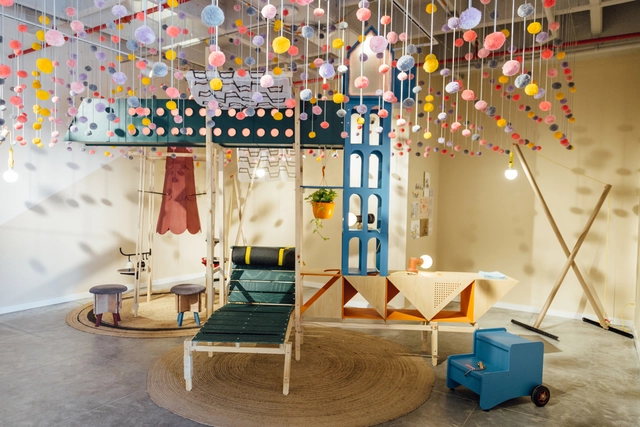
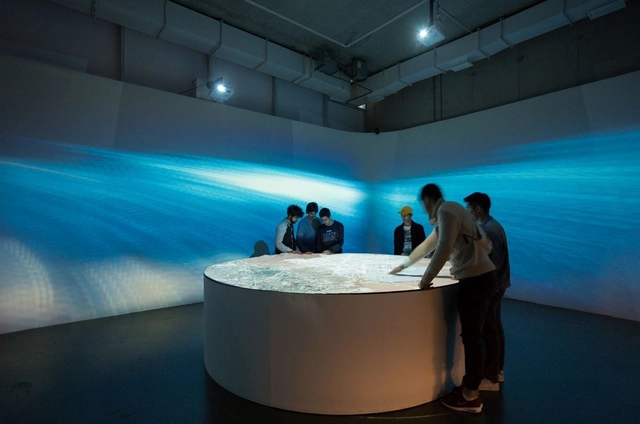
In a context where cultural expressions are increasingly valued, and their presentation and representation are vital to conveying diverse content, the design of exhibition spaces becomes particularly relevant when projecting and establishing different perceptions and narratives, both in daily life and during specific events.
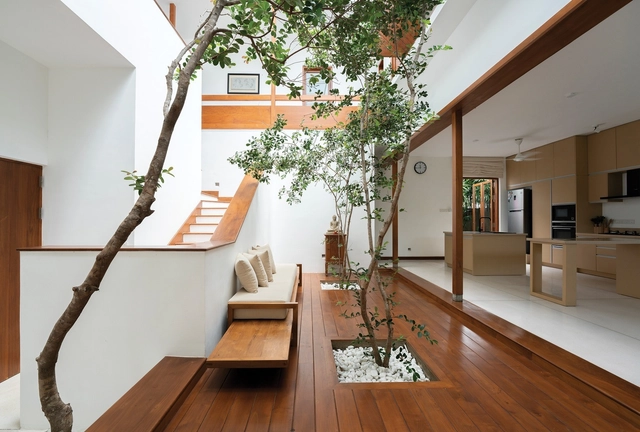
Residential architecture plays a vital role in people's lives, influencing their quality of life and well-being. To design environments that are truly tailored to the biopsychosocial needs of each user, it is essential to incorporate the principles of neuroscience applied to architecture. In this regard, Rudolf Steiner's Seven-Year Cycles theory offers a valuable conceptual framework for understanding the different phases of life and their implications for home design. This article addresses the stages of the architectural project, from briefing to execution, highlighting the relevance of cognitive and behavioral neuroscience concepts—such as priming, framing, nudging, wayfinding, salutogenic design, and biophilic design—in light of the Seven-Year Cycles theory.