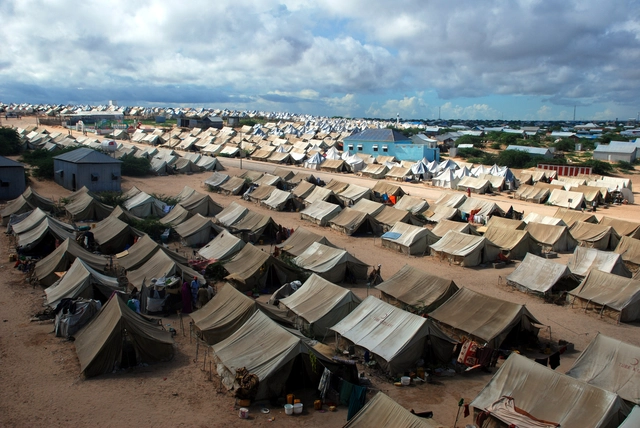
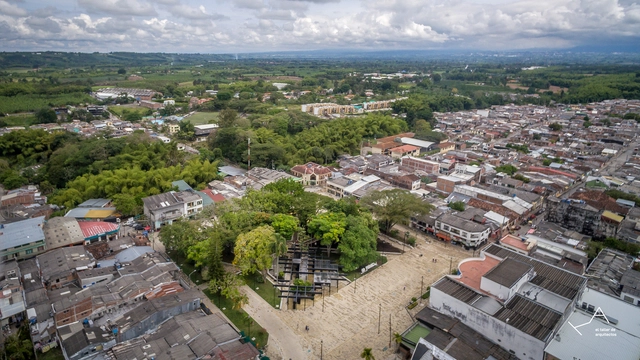
Social housing is one of the most compelling topics for our readers, representing a systemic challenge across most of Latin America. In Colombia, this challenge is even greater when it comes to rural social housing (known as VISR in Spanish), as inadequate infrastructure hinders dignified coverage throughout the country.
Originally published as "Caminando hacia la descolonización urbano-arquitectónica" in the third edition of Revista CLEA—an annual publication of the Coordinadora Latinoamericana de Estudiantes de Arquitectura (CLEA)—this article presents an introduction to the decolonization of spaces as a political, social, and methodological critique of the territorial, urban, and architectural praxis that has become established in our cities.
This article is part of a collaboration with the website coolhuntermx. It was originally published on February 2, 2020, under the title "Un parque moderno para Guadalajara" and written by David Lozano Díaz.
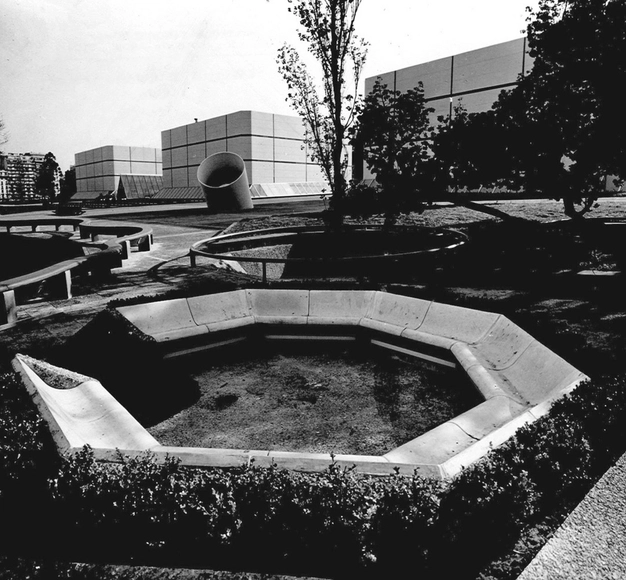
In 1971, architect Fernando González Gortázar, at 29 years of age, was commissioned to build González Gallo Park. This commission served a dual purpose: to commemorate the late former governor José de Jesús González Gallo and to provide a substantial new public space for the developing neighborhoods in eastern Guadalajara.
Earlier this month, the Observatory of Innovations for Sustainable Cities was launched. The project aims to gather information, proposals, and concrete examples of municipal initiatives and public policies that help improve people's quality of life and strengthen the environment. The initiative is a partnership between the Ministry of Science, Technology, and Innovations (MCTI), the United Nations Environment Programme (UNEP), and the Center for Strategic Studies and Management (CGEE).
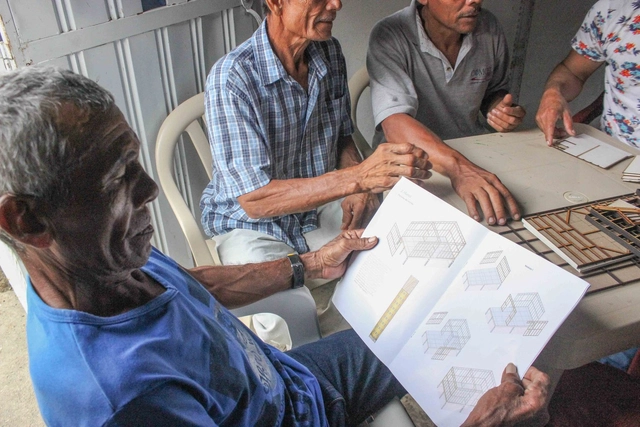
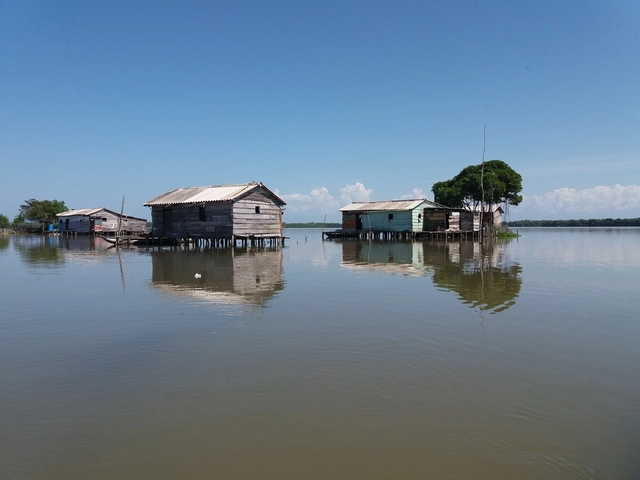
Stilt settlements have existed throughout the world wherever populations sustain their lives through constant interaction with water. In Colombia, the settlements of the Ciénaga Grande de Santa Marta, in the department of Magdalena, are a local benchmark that has endured since pre-Hispanic times. Today, these are informal dwellings, unrecognized in the official land registry. The Pontificia Universidad Javeriana and AGRA have shared their research, compiled in a book that supports the documented formalization of these dwellings using architectural representation standards, specifically by identifying the typologies of Nueva Venecia.
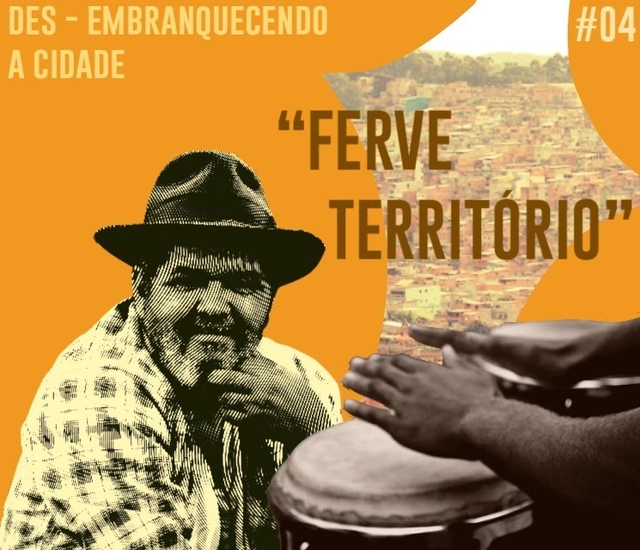
The Terra Preta Cidade collective is a space created from the desire of five Black women living in Salvador, São Paulo, Rio de Janeiro, and Belo Horizonte to bypass geographical distance in order to promote and celebrate coming together. Emmily Leandro, Gabriela Gaia, Luciana Mayrink, Malu de Barros, and Natalia Alves give shape and voice to this exercise of creating a shared virtual territory—which is as much a political statement as an aesthetic one—through the podcast Des-embranquecendo a Cidade, which reaches its fourth episode with the theme: "Boiling Territory — Permanent Steadfastness."
https://www.archdaily.com/1123679/de-whitening-the-city-number-4-territory-boils-permanent-steadfastnessTerra Preta Cidade
This article is a contribution from the Medellín-based firm El Taller de Arquitectos, who share their experience in structuring their practice by understanding and approaching architecture competitions as commissioned projects. Read on to explore their insights.
https://www.archdaily.com/1123680/el-taller-de-arquitectos-how-to-approach-architecture-competitions-as-commissions-in-colombiaEl Taller de Arquitectos
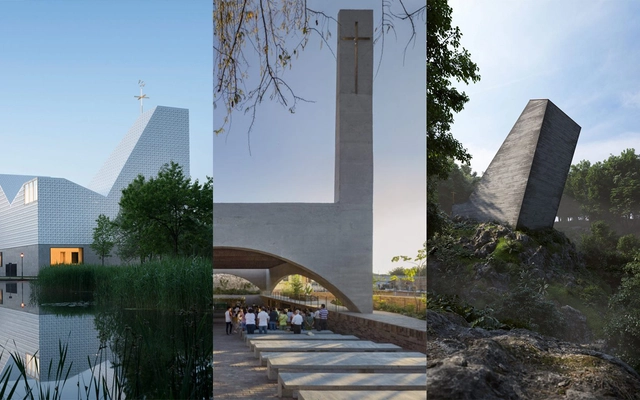
For the seventh time, the Frate Sole Foundation has launched the 2020 edition of the International Sacred Architecture Award, open to all professionals who have designed a church over the last decade (since October 4, 2010) within Christian denominations.
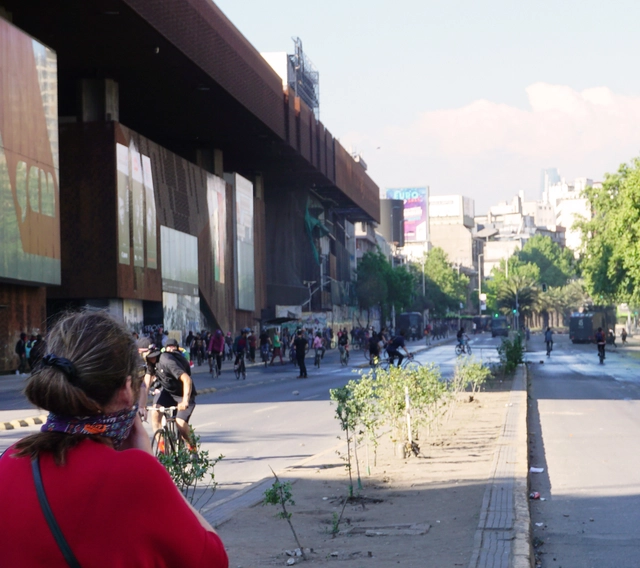
"La Ciudad como Texto" (The City as Text) was the theme of the Arqfilmfest panel discussion, where designer Carola Ureta detailed her project focusing on public space and its transformations: facades, historical figures, and walls serving as a canvas to immortalize the social sentiment following Chile's October 2019 social uprising.
https://www.archdaily.com/1123663/santiago-after-october-the-city-as-text-by-carola-uretaArchDaily Team
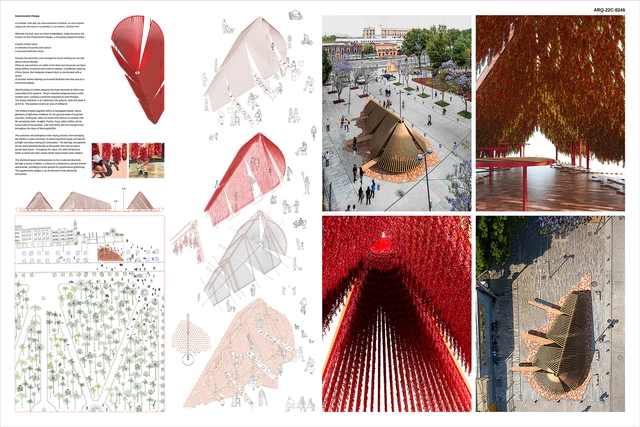
For the fifth time, the MEXTRÓPOLI Architecture and City Festival held the Arquine No. 22 | MEXTRÓPOLI Pavilion 2020 competition. On January 13, from 10:00 a.m. to 3:00 p.m., the jury—composed of Tatiana Bilbao, Ruth Estévez, Carlos Facio, Alberto Odériz, Saidee Springall, and Alejandro Tapia (as technical juror)—met at the Arquine offices to evaluate the 292 submitted proposals out of the 389 registered.
https://www.archdaily.com/1123664/results-22nd-arquine-competition-mextr-poli-pavilion-2020ArchDaily Team
Clásicos de Arquitectura: ATC Argentina Televisora Color / Manteola, Sánchez Gómez, Santos, Solsona, Viñoly, Sallaberry y Tarsitano. Image Cortesía de Archivo MSGSSS
Architect Javier Sánchez Gómez, founding partner of the firm MSGSSS—renowned for projects such as the ATC Argentina Televisora Color building—passed away on Sunday, February 9, at the age of 83.
Photo by Fernando Stankuns on Visualhunt / CC BY-NC-SA
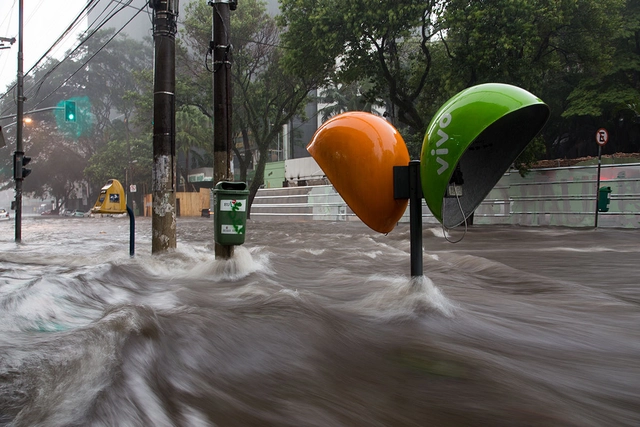
Recent floods in Belo Horizonte and other cities in Minas Gerais have alarmed residents. Videos showing the force of the torrents dragging cars and toppling structures shocked the entire country. This state of emergency was not confined to Minas Gerais. Much of the Southeast faced heavy rains, causing widespread disruption. In Espírito Santo, for instance, more than 5,000 people were forced to leave their homes, while São Paulo was placed on high alert for flooding. Meanwhile, in Rio de Janeiro, an algae bloom in water sources led to the opposite extreme: a water crisis triggered by the poor quality of the water reaching people's taps.
https://www.archdaily.com/1123688/natural-infrastructure-can-prevent-disasters-like-the-floods-in-minas-gerais-and-sao-pauloWRI Brasil
Located on the Mexican border as the southern gateway to the United States, Ciudad Juárez encompasses a territory that blends multiculturalism, migration, and resilience. Together, these elements form a phenomenon of hybrid roots that, over decades, has shaped “border culture.”
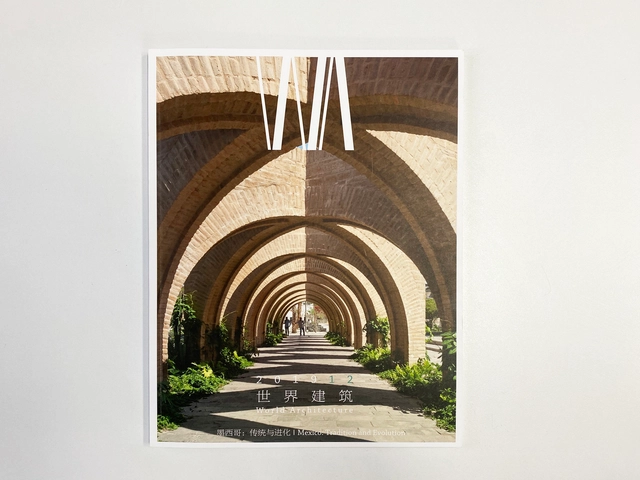
An exclusive issue dedicated to Mexican architecture is the theme of the latest edition of World Architecture (WA) magazine in China, curated by the ArchDaily team. Published by Tsinghua University since its founding in 1980, World Architecture magazine is one of the largest and most prestigious architectural publications in China.
Yesterday, November 9, 2020, marked the opening of the 22nd Pan-American Architecture Biennial of Quito (BAQ2020), held online. As one of the most highly anticipated architectural events nationally and internationally, this edition features a robust program of 28 panel discussions, 4 keynote lectures, 4 interviews, and other exclusive content accessible via the microsite designed for the event. Additionally, a broad cultural program includes interventions in eight buildings and two exhibitions.
https://www.archdaily.com/1123674/the-pan-american-architecture-biennial-of-quito-2020-opens-with-a-presentation-by-momoyo-kaijimaArchDaily Team
The third generation of the Bogotá-based firm Bermudez Arquitectos spoke with ArchDaily during the quarantine, discussing various aspects of their practice, their contributions to academia, and the challenges of working in a studio with a family legacy. Read the transcript of the Instagram Live below.
Since 2008, the National Chamber of the Iron and Steel Industry CANACERO has joined forces with the Latin American Steel Association ALACERO through initiatives such as the ALACERO Steel Design Competition for Architecture Students and the CANACERO National Steel Award for Architecture Students, aiming to encourage the use of steel in construction among architecture students in Latin America.
Following the onset of isolation and social distancing, we opened up a space to interview architects, exploring their architectural perspectives through a lens of empathy for our shared global situation. Broadcast live on ArchDaily Colombia's Instagram, one of these conversations was with Antonio Yemail, principal of the Bogotá-based firm Yemail Arquitectura.
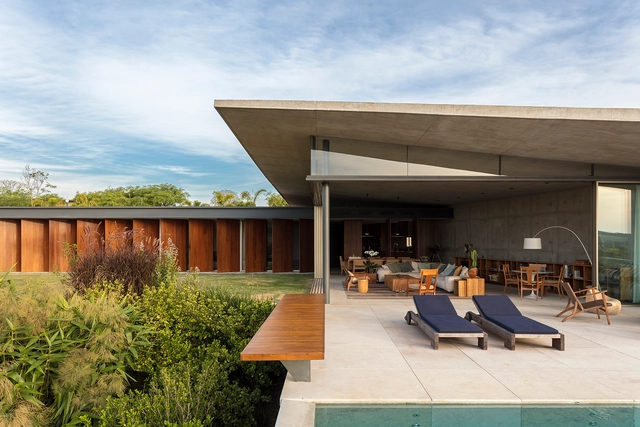
Countries with a predominantly tropical or equatorial climate, such as Brazil, allow homes to foster a more fluid relationship between the indoors and outdoors, with little to no need, across most of the country, for architectural features that restrict this connection to retain heat. In regions marked by warmer temperatures, integrating indoor and outdoor spaces is particularly beneficial, promoting greater natural ventilation and daylighting within the home, alongside its inherent aesthetic appeal.
Our jury of experts—meaning you, our readers—have nominated their favorite projects from among nearly 1,000 built works in Latin America and Spain: today, the day has come to meet the finalists of ODA2020!
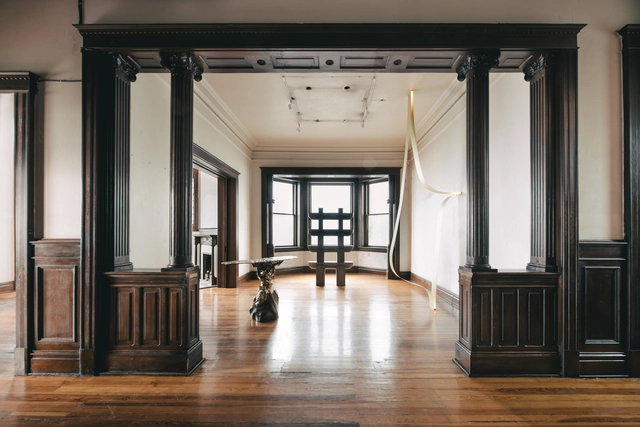
As part of the cultural programming of the Mexico City-based art gallery, MASA presents the exhibition Recover / Uncover, a space featuring unique and limited-edition pieces by designers and artists whose work seeks to challenge labels. In doing so, MASA celebrates contradiction as a reflection of an ongoing process of self-definition and evolution over time, presenting objects as tools for life and contemplation.
In early October, a new space opened in Mexico City under the name Design House at Público Coworking, showcasing a series of interventions that integrate disciplines such as design, architecture, and interior design. Over the past ten years, Design House has presented cutting-edge concepts from more than one hundred participating firms across various venues, collaborating with showrooms on the Design Route (Ruta del Diseño) that provide the pieces and accessories featured in the diverse installations.
Currently, most global citizens have been directed into lockdown due to COVID-19. After spending more than two months under these circumstances, two broad reflections emerge—regardless of the personal challenges faced by each household. The first is that we might adapt and live in relative harmony within our living spaces; the second is that our living space may not be adequate for our comfort. We will delve into this second point to empathize with vulnerable populations who choose to abandon their lives in one place to migrate toward better opportunities, and to examine how architecture addresses—or fails to address—the migration emergency.





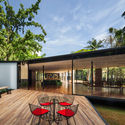
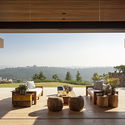
.jpg?1592235861 "Jungle House / Studiomk27 - Marcio Kogan + Samanta Cafardo. Image: © Fernando Guerra | FG+SG")