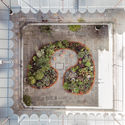
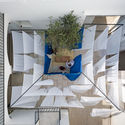
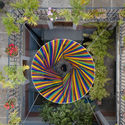
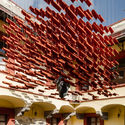
Last week we announced the 15 finalist projects for the Building of the Year 2020 award (Obra del Año), which since 2008 has celebrated the best built architecture in Latin America and Spain, calling on our expert jury—that is, you, the readers—to choose your favorite completed buildings.
Today, the day has come to announce the winners of ODA2020.
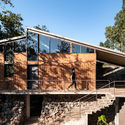
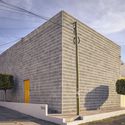
The state of Michoacán is located in western Mexico, bordered by the states of Jalisco, Querétaro, Guanajuato, Estado de México, Colima, and Guerrero. Covering an area of 58,598.7 km², it faces the Pacific Ocean. Its capital is Morelia, and it is the country's ninth most populous state. Furthermore, it boasts three UNESCO designations: 1) World Cultural Heritage for the Historic Center of Morelia, 2) World Natural Heritage for the Monarch Butterfly Biosphere Reserve, and 3) Masterpiece of the Oral and Intangible Heritage of Humanity for the Day of the Dead celebration.
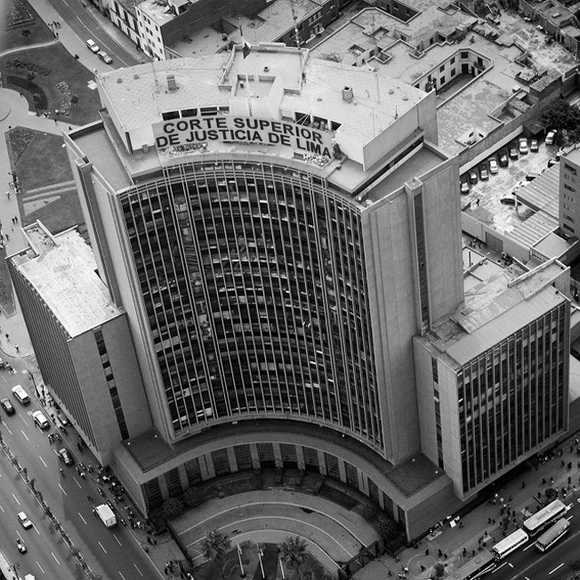
The Javier Alzamora Valdez building, designed by Peruvian architect Enrique Seoane Ros between 1951 and 1956 and conceived as the headquarters of the Ministry of Education, has been declared a Monument and part of the Cultural Heritage of the Nation. It stands as clear testament to the public civil architecture built during the Modern Movement in Peru, serving as a tangible and representative manifesto of mid-20th-century construction trends, when large government buildings were constructed for public administration as part of the urban renewal of Lima's Historic Center.
Mexico's National Social Distancing Campaign began on March 23, 2020, but a couple of weeks prior—even as the Federal Government recommended continuing activities as normal—social media was already filled with people opting to mirror the European model and self-isolate. Right away, some architecture firms decided to close their physical offices and transition to remote work, while others took a few more weeks to make the shift. However, this period of social and physical (spatial) distancing is experienced differently in every household. Over the months that this pandemic has unfolded, it has exposed not only inequalities regarding basic needs in dense urban areas, but also the fragility of the social order itself. Whether on a macro or micro scale, all of these experiences occur within and are influenced by the built environment, making architecture both an arbiter and an active participant in this equation.
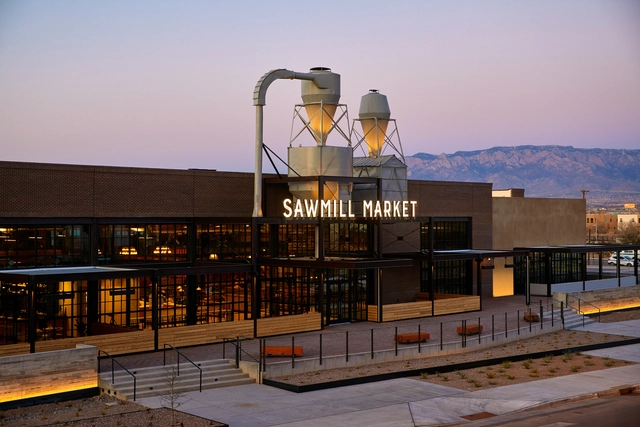
The state of New Mexico is located in the western region of the United States, bordering Colorado, Oklahoma, and Texas (in the US) and Chihuahua (in Mexico). It has the highest percentage of Spanish-speaking population in the United States. As part of Aridoamerica, its landscape is predominantly shaped by cacti and desert species.
La Parleta is a project by the Ecuadorian architecture and construction collective EseColectivo, which gathers "highly valuable reflections, anecdotes, and experiences surrounding the profession." Below, we share some of their thoughts alongside their fourth episode, "Post-Apocalyptic Architecture."
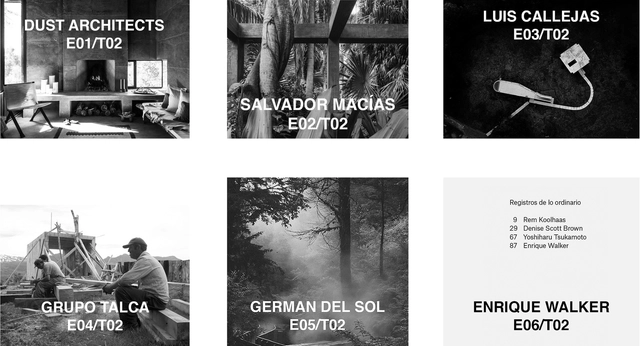
Nicolas Norero presents a new season of his podcast, continuing his conversations on identity, memory, and ways of life. In this edition, the featured guests are Dust Architects, Salvador Macías, Luis Callejas, Grupo Talca, Germán del Sol, and Enrique Walker.
The winners of the National Ideas Competition "Emerging Habitats" in Argentina have been announced. Organized by the national government through the Ministry of Territorial Development and Habitat and the Ministry of Environment and Sustainable Development, the call invited university students, faculty, and researchers across the country to submit design proposals for environmentally efficient housing that can be built during emergencies.
With a practice defined by its singular geographical and cultural position—drawing on references from both Brazil and other southern Latin American countries—sauermartins explores an aesthetic of the cold and the rural, inflected by modern influences and dedicated to addressing concrete, contemporary challenges.
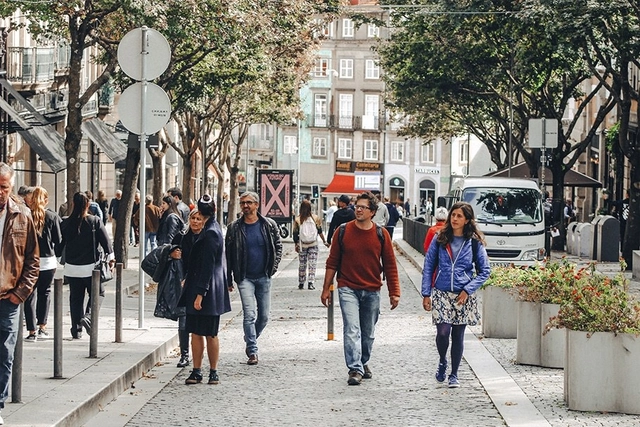
Street safety goes far beyond policing and lighting. While these factors may be important in certain contexts, community engagement and building social capital are key to making cities safer. “Feeling safe is crucial for people to embrace urban space,” says Jan Gehl.
Between 1960 and 1980, architectural development in the Magallanes Region was heavily driven by public investment from the Chilean state. The economic boom of the era enabled the construction of high-quality buildings and infrastructure designed by the country's most prestigious architecture firms, providing solutions to challenges related to territory, the city, and society. It was during this progressive development process that Modern Architecture assumed a crucial role.
In 1978, at the height of postmodern architectural discourse, twelve eminent architects were invited to participate in the *Roma Interrotta* exhibition, with the task of redesigning the first map of the city of Rome, created in 1748 by the architect Giambattista Nolli. Each participant was responsible for reinventing a portion of the original map to construct a theoretical or utopian condition, taking into account the historical forces that had swept through the territory during the intervening years.
At the same rate that the real estate development industry aggressively intervened in the most favorable areas of the city valley—backed by state approvals and concessions, supported by massive banking resources, and employing top individual talent trained at public universities—popular settlement neighborhoods grew proportionally across complex topographies, receiving minimal institutional support, completely devoid of financial backing, and with negligible, residual, if not non-existent, technical assistance.
https://www.archdaily.com/1123985/reclaiming-the-epic-of-self-produced-neighborhoods-approaches-from-san-agustin-del-sur-caracasMarcos Coronel, Madelaine Mendoza y Nathaly González
The Inter-American Development Bank (IDB) recently published a practical guide for sustainable buildings, public spaces, and construction sites in Brazil. Authored by Esperanza González-Mahecha, Livia Minoja, Lucas Rosse Caldas, and Clémentine Tribouillard, the publication aims to simplify access for public and private managers to practical information on how to incorporate sustainability elements into projects, whether buildings (such as housing or public facilities) or public spaces.
No longer a space of purely functional hygiene, the bathroom has taken on a prominent role in architectural design, becoming an essential element in both public and private programs.
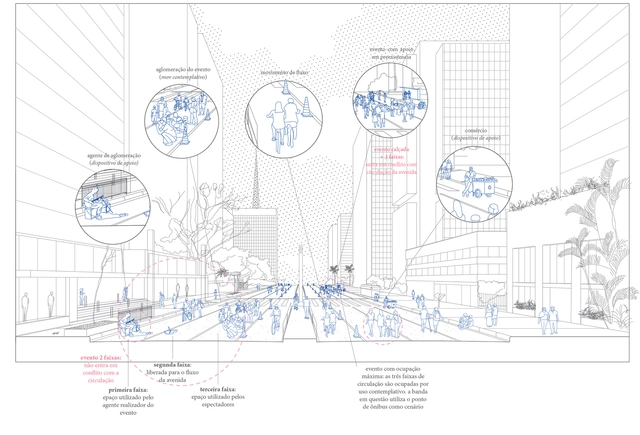
When analyzing an architectural project, we often focus on issues such as its programmatic demands and historical context, its design and representation process, and how it was built. We tend to study it as a finished product. Yet, once a work is constructed, it opens itself up to the city and to others, becoming vulnerable to flaws, imperfections, redevelopments, and unforeseen appropriations. The consequences then stem from conflicts, and social and political dynamics that shape the city, forming a fluid and shifting landscape.
Known for projects across a wide range of scales—from houses to residential buildings, and corporate offices to cultural centers—the firm FGMF comprises a collaborative team of over 40 architects and is led by partners Fernando Forte, Lourenço Gimenes, and Rodrigo Marcondes Ferraz. In an interview with ArchDaily, the three discuss their most recent residential and corporate buildings, as well as the experience of working collaboratively with Kengo Kuma's team on Japan House São Paulo.
When we visit an urban destination—or perhaps a rural one as well—can we truly say we know it? A brief vacation in a tourist destination might give us an impression of what a place "is." However, this is a far cry from reality, as tourism has always manipulated the impression left on visitors, obscuring the actual lived experience of the place.
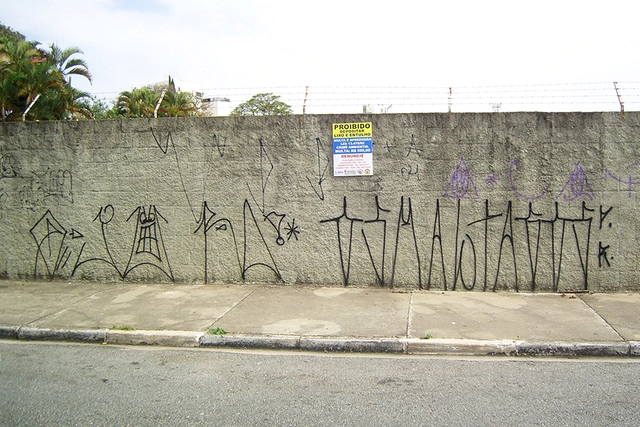
Since the second half of the twentieth century, Brazil has become globally recognized for urban insecurity. Since then, the problem has intensified, with extraordinarily high homicide rates—comparable, in many cases, to countries at war. In 2018, 17 Brazilian cities ranked among the 50 most dangerous cities in the world.
https://www.archdaily.com/1123980/how-urban-violence-shaped-brazilian-citiesPaulo Sa Vale
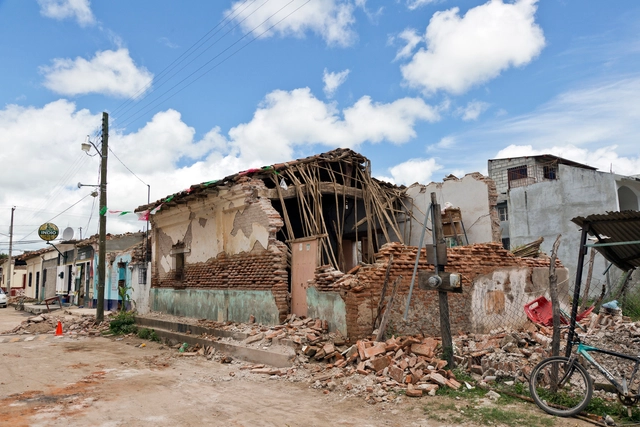
In light of recent developments surrounding COVID-19, the Mexico City government, in conjunction with the Mexico City Reconstruction Commission, announced that the reconstruction plan addressing the September 19, 2017 earthquakes will not be suspended. Instead, health and social distancing measures will be implemented to allow support and construction processes to continue.
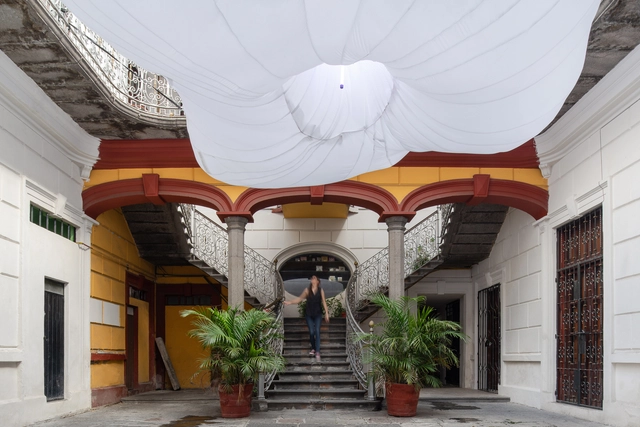
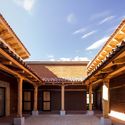
The city of Puebla, located in the central highlands of Mexico, is particularly well-known for its street layout and its predominantly Baroque architecture. A UNESCO World Heritage Site since 1987, it hosts a broad cultural dynamic centered on the preservation of built heritage and its appreciation from afar, as if it were a museum piece. Consequently, on our daily commutes, we notice the monumentality of its facades, while most often overlooking what lies behind the large wooden doors: what we have called “the heart of the Poblano home.”
Centered on the theme “Integrated Housing, Sustainable Communities,” the 2020 CAP Steel Design Competition for Students has recognized projects that promote the understanding of steel as a material, research into its vast potential, its technologies, and its multiple uses and applications in construction, developed within an appropriate architectural and structural framework.
Out of 26 preliminary projects submitted by 15 different universities, first place went to a team of students from Universidad Andrés Bello (Santiago), while second place went to students from Universidad Católica de Chile, and third place to students from Universidad Austral.
The following article proposes rethinking architecture as a subject rather than an object. Carlos Medellín delves into the topic, arguing from both experimental and academic perspectives how people-centered architecture acts as an agent of change.

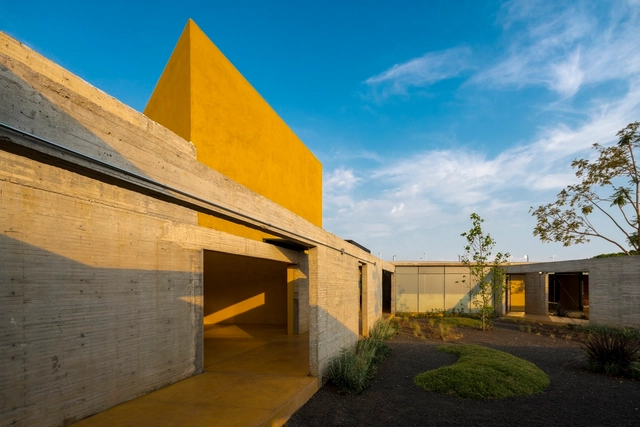




_-_Art_Gray.jpg?1593480840 "Central New Mexico Community College Westside 1 Building / Gould Evans + Design Plus. Image © Art Gray")
.jpg?1593480863 "Abiquiu House / Anderson Anderson Architecture. Image Cortesía de Anderson Anderson Architecture")







__Alberto_Giacometti..jpg?1594154195 "Men’s Heads (Têtes d’hommes), by Alberto Giacometti")