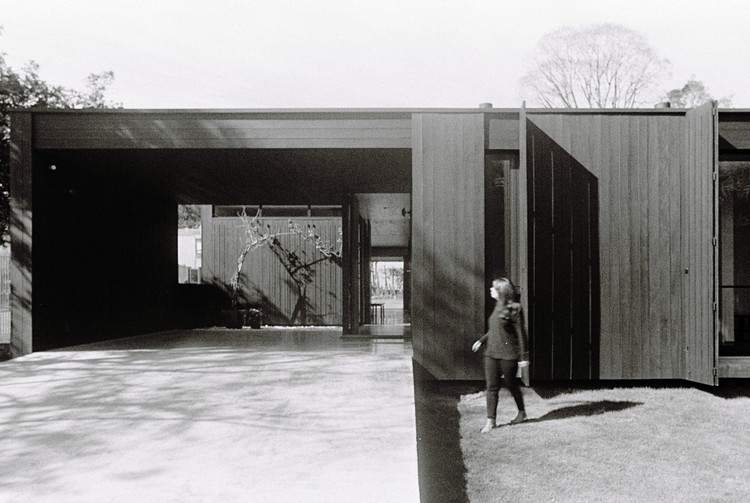
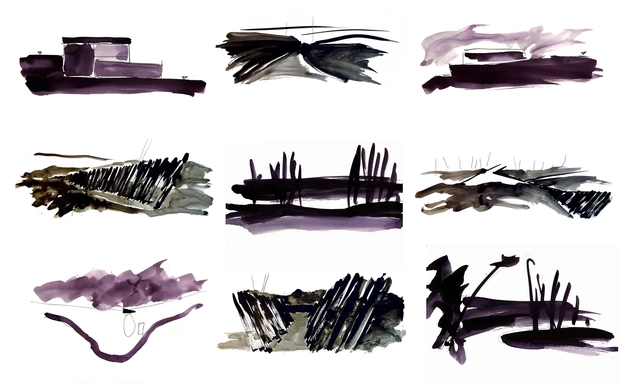
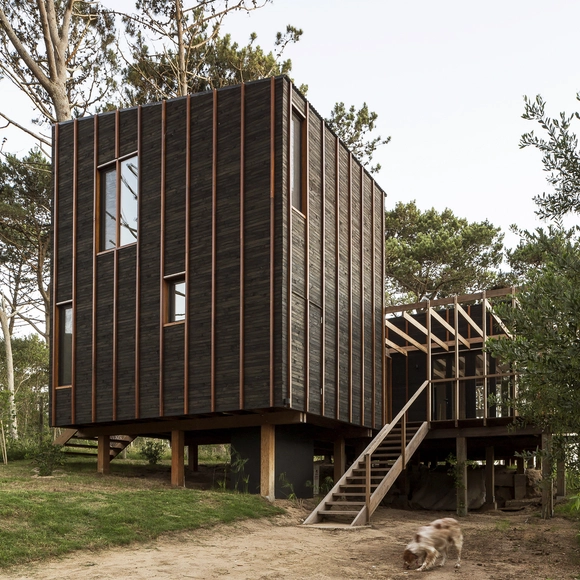
With a practice defined by its singular geographical and cultural position—drawing on references from both Brazil and other southern Latin American countries—sauermartins explores an aesthetic of the cold and the rural, inflected by modern influences and dedicated to addressing concrete, contemporary challenges.
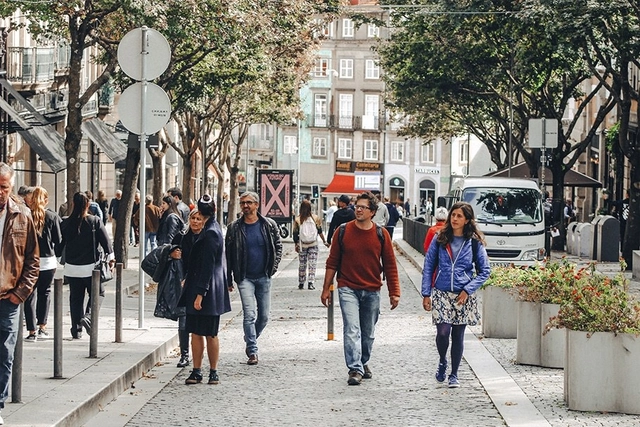
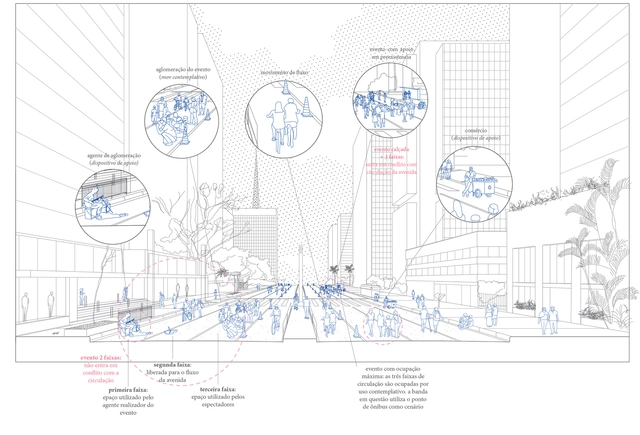
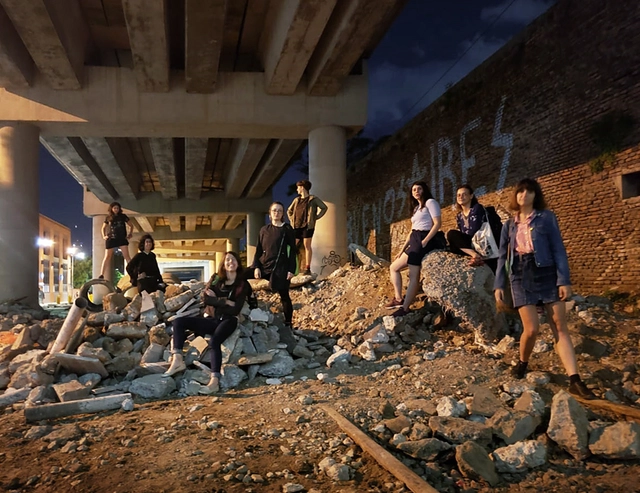
Street safety goes far beyond policing and lighting. While these factors may be important in certain contexts, community engagement and building social capital are key to making cities safer. “Feeling safe is crucial for people to embrace urban space,” says Jan Gehl.
Between 1960 and 1980, architectural development in the Magallanes Region was heavily driven by public investment from the Chilean state. The economic boom of the era enabled the construction of high-quality buildings and infrastructure designed by the country's most prestigious architecture firms, providing solutions to challenges related to territory, the city, and society. It was during this progressive development process that Modern Architecture assumed a crucial role.
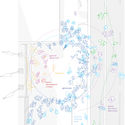
In 1978, at the height of postmodern architectural discourse, twelve eminent architects were invited to participate in the *Roma Interrotta* exhibition, with the task of redesigning the first map of the city of Rome, created in 1748 by the architect Giambattista Nolli. Each participant was responsible for reinventing a portion of the original map to construct a theoretical or utopian condition, taking into account the historical forces that had swept through the territory during the intervening years.
At the same rate that the real estate development industry aggressively intervened in the most favorable areas of the city valley—backed by state approvals and concessions, supported by massive banking resources, and employing top individual talent trained at public universities—popular settlement neighborhoods grew proportionally across complex topographies, receiving minimal institutional support, completely devoid of financial backing, and with negligible, residual, if not non-existent, technical assistance.
https://www.archdaily.com/1123985/reclaiming-the-epic-of-self-produced-neighborhoods-approaches-from-san-agustin-del-sur-caracasMarcos Coronel, Madelaine Mendoza y Nathaly González
The Inter-American Development Bank (IDB) recently published a practical guide for sustainable buildings, public spaces, and construction sites in Brazil. Authored by Esperanza González-Mahecha, Livia Minoja, Lucas Rosse Caldas, and Clémentine Tribouillard, the publication aims to simplify access for public and private managers to practical information on how to incorporate sustainability elements into projects, whether buildings (such as housing or public facilities) or public spaces.
No longer a space of purely functional hygiene, the bathroom has taken on a prominent role in architectural design, becoming an essential element in both public and private programs.
When analyzing an architectural project, we often focus on issues such as its programmatic demands and historical context, its design and representation process, and how it was built. We tend to study it as a finished product. Yet, once a work is constructed, it opens itself up to the city and to others, becoming vulnerable to flaws, imperfections, redevelopments, and unforeseen appropriations. The consequences then stem from conflicts, and social and political dynamics that shape the city, forming a fluid and shifting landscape.
Known for projects across a wide range of scales—from houses to residential buildings, and corporate offices to cultural centers—the firm FGMF comprises a collaborative team of over 40 architects and is led by partners Fernando Forte, Lourenço Gimenes, and Rodrigo Marcondes Ferraz. In an interview with ArchDaily, the three discuss their most recent residential and corporate buildings, as well as the experience of working collaboratively with Kengo Kuma's team on Japan House São Paulo.
When we visit an urban destination—or perhaps a rural one as well—can we truly say we know it? A brief vacation in a tourist destination might give us an impression of what a place "is." However, this is a far cry from reality, as tourism has always manipulated the impression left on visitors, obscuring the actual lived experience of the place.
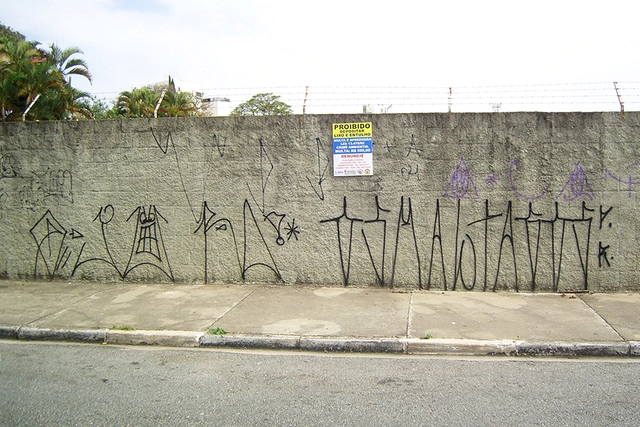
Since the second half of the twentieth century, Brazil has become globally recognized for urban insecurity. Since then, the problem has intensified, with extraordinarily high homicide rates—comparable, in many cases, to countries at war. In 2018, 17 Brazilian cities ranked among the 50 most dangerous cities in the world.
https://www.archdaily.com/1123980/how-urban-violence-shaped-brazilian-citiesPaulo Sa Vale
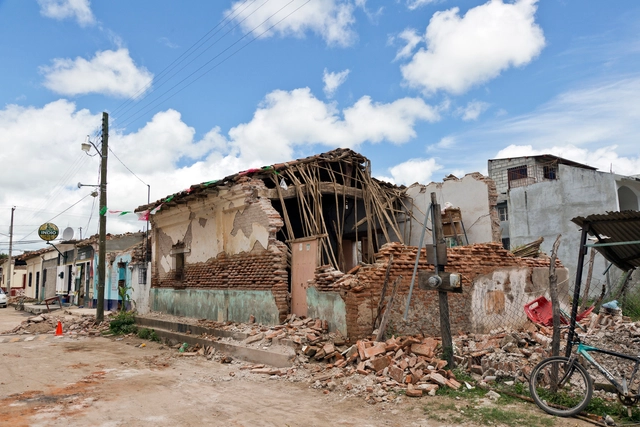
In light of recent developments surrounding COVID-19, the Mexico City government, in conjunction with the Mexico City Reconstruction Commission, announced that the reconstruction plan addressing the September 19, 2017 earthquakes will not be suspended. Instead, health and social distancing measures will be implemented to allow support and construction processes to continue.
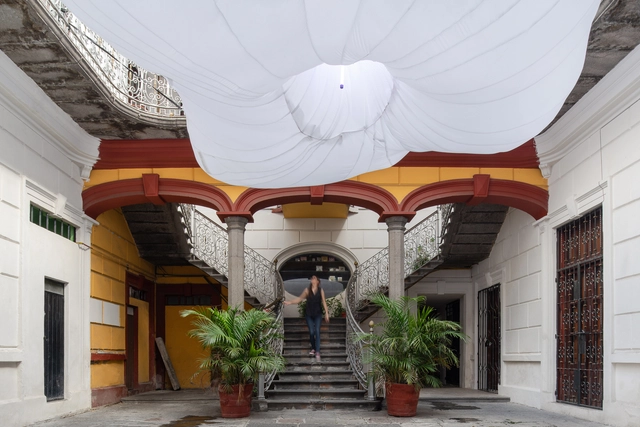
The city of Puebla, located in the central highlands of Mexico, is particularly well-known for its street layout and its predominantly Baroque architecture. A UNESCO World Heritage Site since 1987, it hosts a broad cultural dynamic centered on the preservation of built heritage and its appreciation from afar, as if it were a museum piece. Consequently, on our daily commutes, we notice the monumentality of its facades, while most often overlooking what lies behind the large wooden doors: what we have called “the heart of the Poblano home.”
Centered on the theme “Integrated Housing, Sustainable Communities,” the 2020 CAP Steel Design Competition for Students has recognized projects that promote the understanding of steel as a material, research into its vast potential, its technologies, and its multiple uses and applications in construction, developed within an appropriate architectural and structural framework.
Out of 26 preliminary projects submitted by 15 different universities, first place went to a team of students from Universidad Andrés Bello (Santiago), while second place went to students from Universidad Católica de Chile, and third place to students from Universidad Austral.
The following article proposes rethinking architecture as a subject rather than an object. Carlos Medellín delves into the topic, arguing from both experimental and academic perspectives how people-centered architecture acts as an agent of change.
FRAM arquitectos is an Argentine architecture firm founded in 2011 in the city of Buenos Aires. With a body of work focused on small- and medium-scale single-family homes designed and built in both Buenos Aires and the province of Río Negro, they have explored the complexities of domestic living, engaged in material research of various kinds, and tackled challenging commissions with minimal dimensions and tight budgets. Alongside this, they have actively participated in consecutive provincial and national competitions, seeking to expand their design scope and deepen their study of larger-scale programs.
Within residential spaces, architects choose to give more or less prominence to certain areas of the program, depending on client preferences. While some prefer to prioritize more intimate spaces, others lean toward social areas—with the kitchen being a primary example.
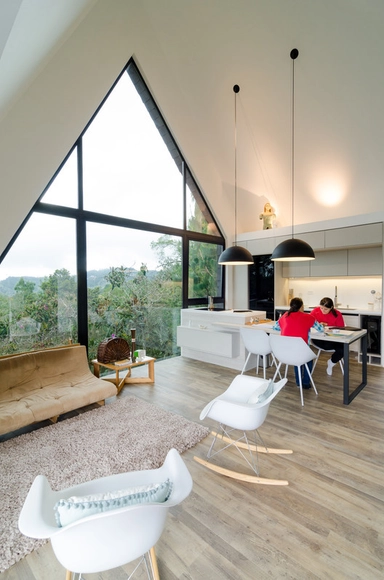
Although the pragmatic function of a kitchen is to serve as a space for preparing food, there are few homes where it does not also double as a gathering place. Even in traditional dwellings like the Mapuche *ruka*, a central hearth is used both for cooking and for heating, conceptually evoking the same welcoming atmosphere as integrated urban kitchens. Today, fire is managed through stoves—with a strong modern shift toward induction cooktops for their safety and precise temperature control. Nevertheless, the core domestic principle remains the same, and contemporary architecture has allowed the kitchen to once again integrate seamlessly with daily activities and social zones.
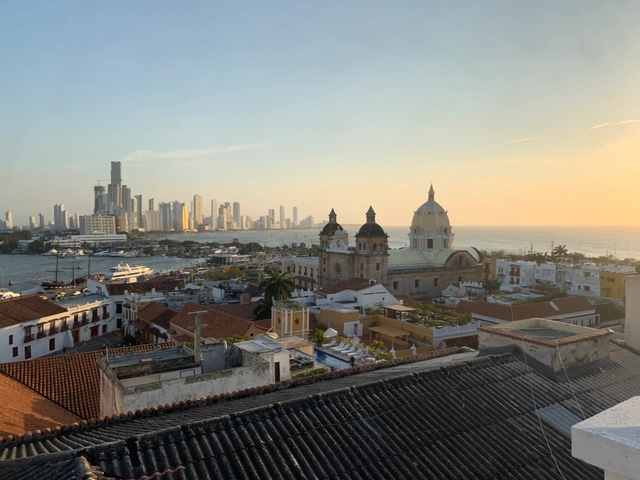
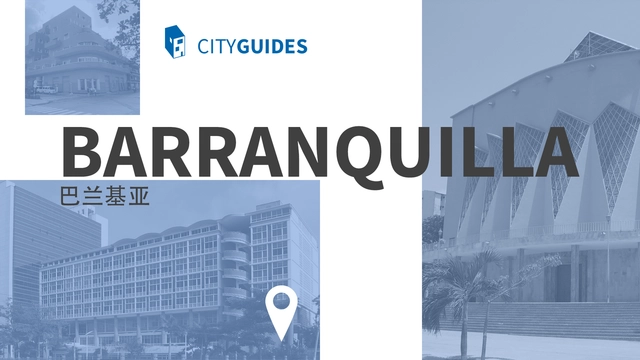
Barranquilla is renowned for its colorful carnival, while its architectural identity is defined by the El Prado neighborhood and the works of master architect Roberto Acosta Madiedo. We have compiled a selection of outstanding modernist works in the city, including houses, residential developments, religious buildings, and public spaces.
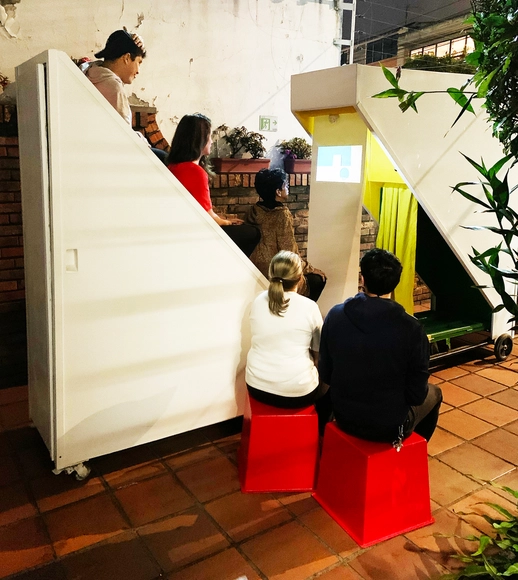
Observing the reality of our built environment allows us to recognize that certain identities are not represented by existing models and scales. Unsurprisingly, these voices have been conspicuously absent from the planning and construction processes of cities and their architecture. Their desires, ways of being, and modes of inhabiting the world have been excluded and rendered invisible. This prompts us to rethink: Which voices are legitimized in urban debates, and for whom is the city designed?
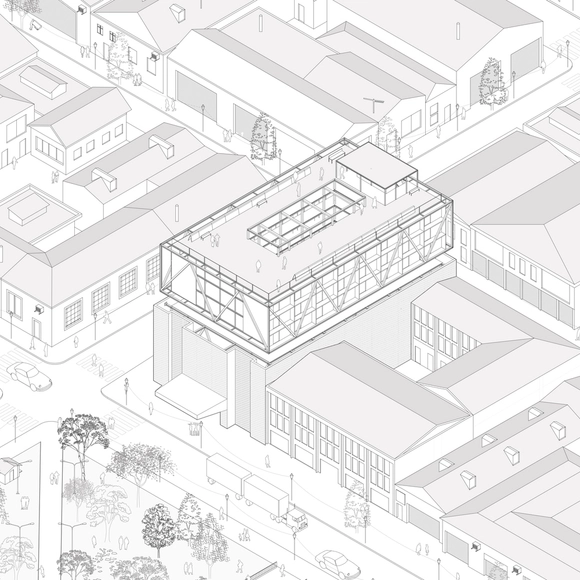
The winners of the Ideas Competition for the Casa de la Cultura, Former Governorate of the Department of Santa Cruz have been announced. Promoted and organized by the Municipality of Santa Cruz, the initiative invited Chilean students and architects to develop architectural proposals to convert the old Santa Cruz governorate building into the future Casa de la Cultura, highlighting the value of the property, which is considered of high heritage significance as the city's last remaining early 20th-century architectural vestige.
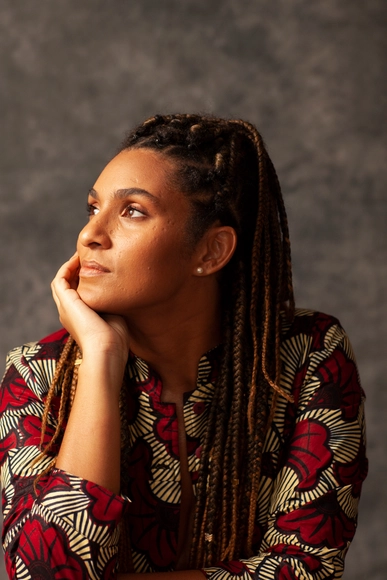
Architect Gabriela de Matos, creator of the Arquitetas Negras project, was named Architect of the Year by the Rio de Janeiro Department of the Institute of Architects of Brazil (IAB-RJ). Alongside her, IAB-RJ also honored the Oswaldo Cruz Foundation (Fiocruz) during an online event held this week to announce the winners of the 58th Annual Awards and the 37th Architect of Tomorrow Award.
Dedicated to exploring the intersection of race, gender, architecture, and the city, Gabriela highlighted in her speech the importance of recognizing that "although the field of architecture and urbanism is still elitist and racist, it is precisely the training of architects and urban planners who view architecture as a social tool that can help bridge the gaps and inequalities in our society."
One of the most critical factors in architectural design is local climate. While extreme conditions can pose challenges—requiring insulating materials to adapt to changing weather—Mexico's favorable climates work to the designer's advantage, enabling the creation of microclimates and spaces that blur the transition between indoors and outdoors.
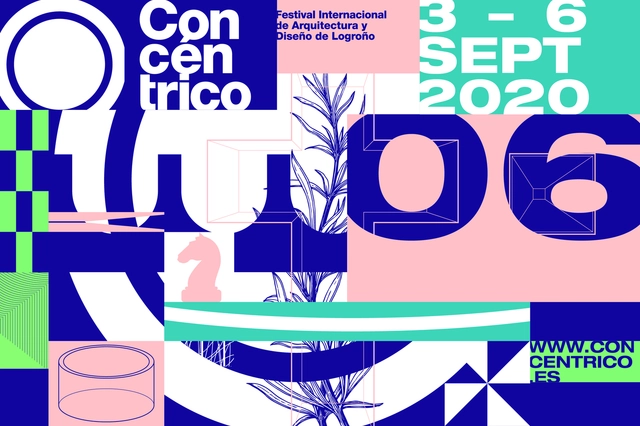
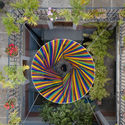
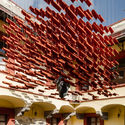
The renowned International Architecture and Design Festival of Logroño, Concéntrico, will hold its sixth edition—rescheduled due to the COVID-19 pandemic—from September 3 to 6, 2020. The festival invites reflection on 'the urban' and the contemporary city.
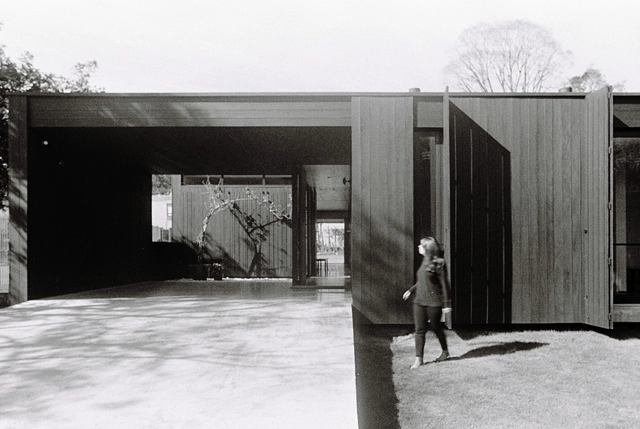





__Alberto_Giacometti..jpg?1594154195 "Men’s Heads (Têtes d’hommes), by Alberto Giacometti")










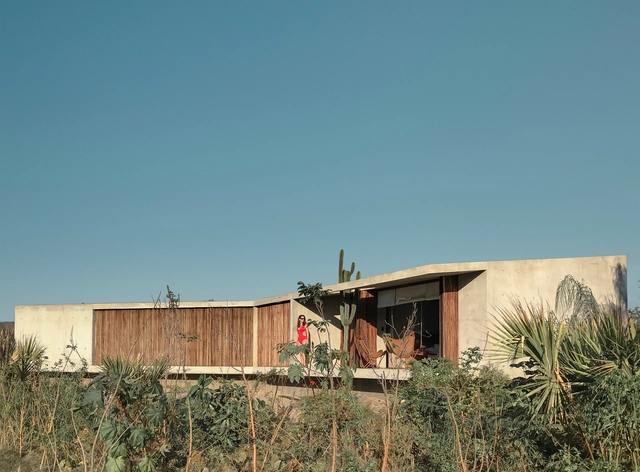
.jpg?1600032057 "Cabo House / Dellekamp Arquitectos. Image © Sandra Péreznieto")