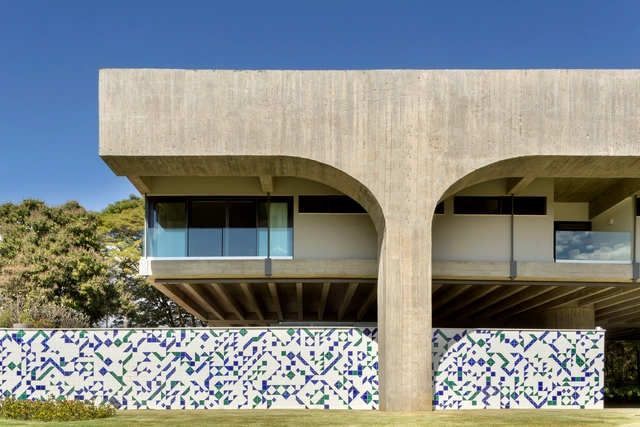
Intervening in buildings of historic value is one of the most delicate tasks facing architects. Today, preservation is no longer limited to restoring centuries-old buildings; it also encompasses the language of modern architecture.
Intervening in buildings of historic value is one of the most delicate tasks facing architects. Today, preservation is no longer limited to restoring centuries-old buildings; it also encompasses the language of modern architecture.
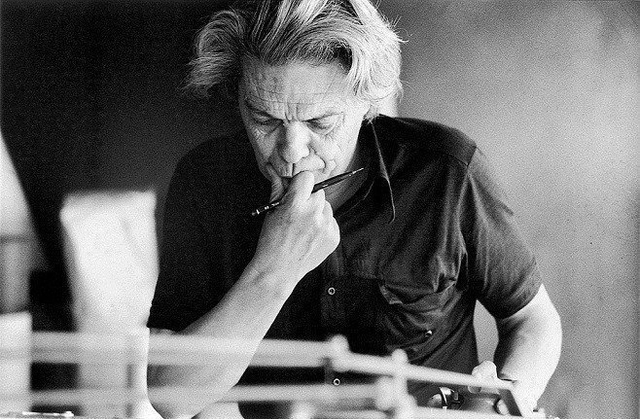
The documentary Vilanova Artigas: The Architect and the Light, written by Laura Artigas and co-directed with Pedro Gorski, was produced to mark the architect's centennial and released in 2015. The film won the "Lusophony Award" at the Portuguese film festival Arquiteturas Film Festival Lisboa 2015 and is now available online to watch from home.
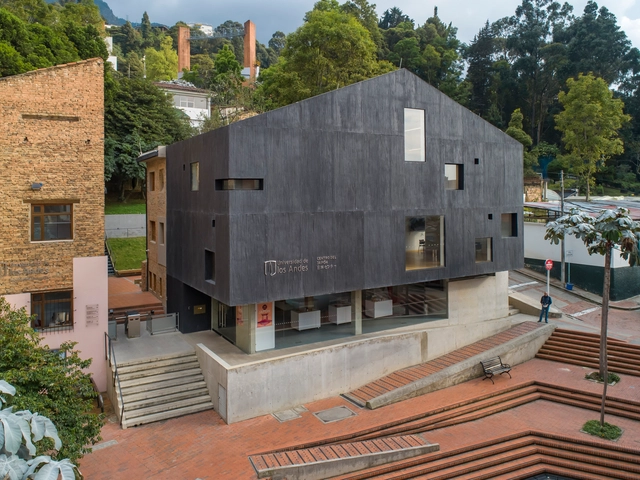
Today, during the award ceremony, the Colombian Society of Architects (SCA) announced the winners of the 27th Colombian Biennial of Architecture and Urbanism (XXVII BCAU) in each category. The National Architecture and Urbanism Prize was also announced.

As a consequence of the COVID-19 health emergency, the way we understand urban transportation is likely to change. While concerns regarding fossil-fuel vehicles already carried significant weight before the outbreak—primarily due to their environmental impact—and sustainable transportation had already become a key issue on the urban agenda, the need for social distancing to halt the spread of the coronavirus has accelerated debates around mobility. As a result, the bicycle quickly emerged as a viable alternative for safer transit during the COVID-19 pandemic in cities worldwide.
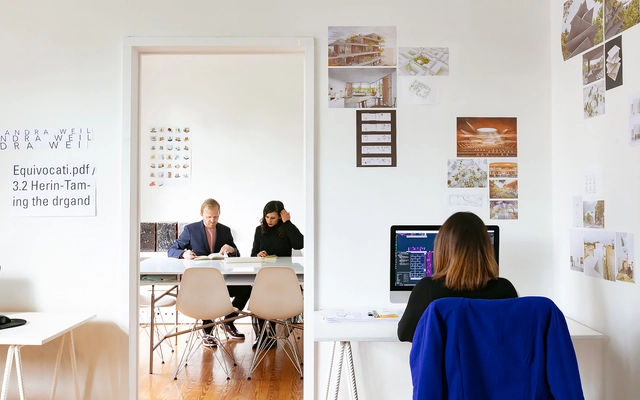
The National Social Distancing Campaign (Jornada de Sana Distancia) in Mexico began on March 23, 2020. However, a couple of weeks earlier, despite the federal government's recommendation to continue normal activities, people on social media were already choosing to replicate the European model of self-isolation. Some architecture firms immediately decided to close their physical spaces and transition to remote work, while others took a few more weeks. Still, this period of social and physical (spatial) distancing is experienced differently in every household. The months of this pandemic have exposed not only inequality regarding basic needs in dense urban areas, but also the fragility of our social order. Whether at a macro or micro scale, all these experiences are shaped and influenced by the built environment, making architecture both a judge and a party to the equation.
Following the first lessons Thinking in Lines and Drawing the World, OSS (Office for Strategic Space), together with Professor Justo Isasi, Chair of Architectural Design at ETSAM (Technical Superior School of Architecture of Madrid, UPM), presents the third drawn lecture: "Stories in Lines."
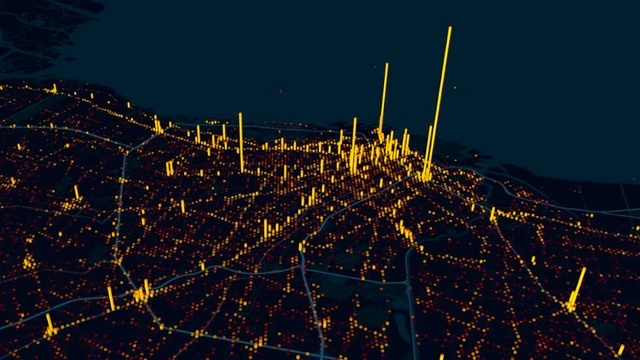
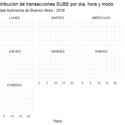
Today, the availability of information and data has vastly expanded our ability to analyze, interpret, and understand life in our cities. In urban planning, some of the most valuable and highly sought-after data for analyzing urban mobility dynamics comes from the use of the SUBE system (the Unified Electronic Ticket System, used in Argentina to pay for public transit). By gathering this information, millions of digital footprints can be aggregated and visualized, allowing us to interpret and anticipate citizen transit behavior. This, in turn, helps us understand urban trends based on the time of day and the day of the week.
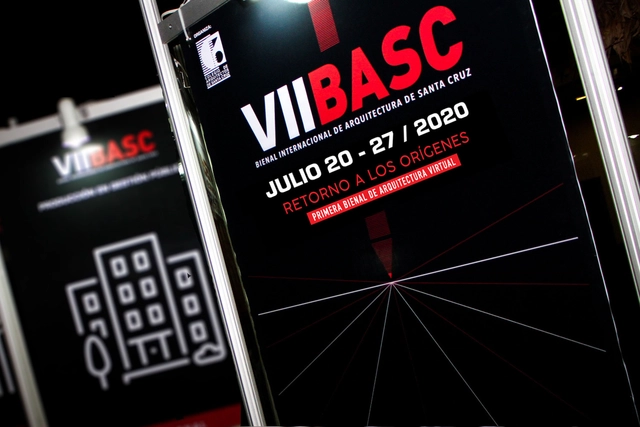
The Santa Cruz International Biennial of Architecture (BASC) is adapting and transforming. As a result, it will become the first virtual architecture biennial in the Americas, taking place from July 20 to 27 alongside the International Construction, Architecture, and Design Fair (FICAD).

Have you ever had to alter an original design due to construction difficulties or budget overruns, yet never because it negatively impacted the environment?
That is why we want to give our readers the opportunity to openly express their views on this matter. If we were fully aware of the environmental costs of materials today, or their potential future consequences, or the real, global challenges that arise during construction, would it change the way we select and create our designs? Would it be easier for us to advocate for our projects to others and fellow professionals?
.jpg?1579619906&format=webp&width=640&height=580)
Architect Cristián Boza Díaz, known for designing the Parque Fluvial de la Familia, the Centro de la Justicia, and the Universidad San Sebastián in Santiago, Chile, passed away today at the age of 76 following a liver disease that afflicted him in his final years.
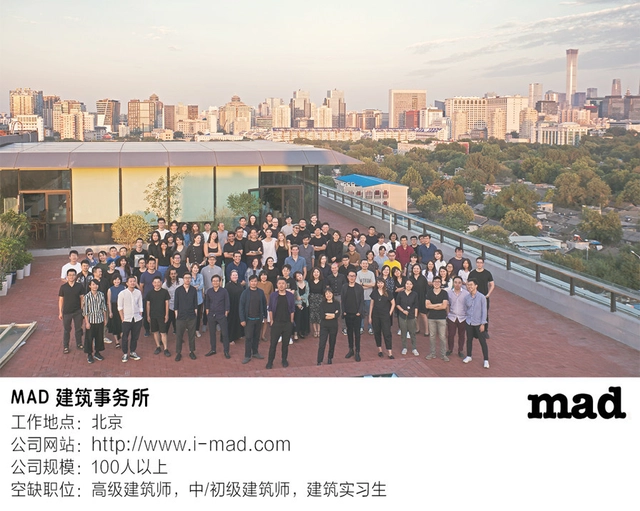
MAD’s Beijing office is currently seeking talented professionals to fill several open positions.

Every year, we host a call for graduation projects open to our audience in all Portuguese-speaking countries. Through this, we aim to select the most interesting projects to present inspiring visions and debates for the fields of architecture and urbanism.
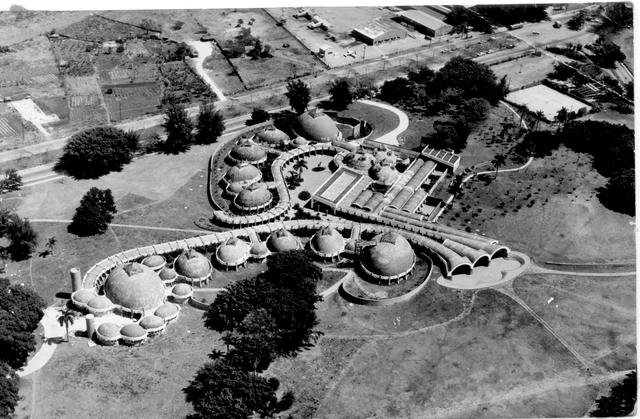
This article by María José Pizarro and Óscar Rueda was originally published in the 3rd issue of rita journal under the title "Ernesto N. Rogers y la 'Preesistenza Ambientale' en las Escuelas Nacionales de Arte de La Habana" and is part of a joint collaborative dissemination effort. The present text seeks to delve into the influence of Rogers' theoretical corpus on three of his outstanding students: Ricardo Porro, Vittorio Garatti, and Roberto Gottardi, and how this thinking informed the design of their first and most significant work: the National Art Schools of Havana.

In 2014, a group of friends from Ciudad Juárez, Chihuahua, driven to contribute to their city's resilience and recovery, came together to dialogue and share ideas for reclaiming streets, plazas, and parks through sociocultural projects and urban interventions in public space. This gave rise to Nómada Laboratorio Urbano. Ciudad Juárez is an industrial city located on the northern border with the United States, directly adjacent to El Paso, Texas. Over the years, Juárez's economy has been dominated by the maquiladora industry; the city was also once considered one of the most violent in the world due to a wave of crime between 2008 and 2012.
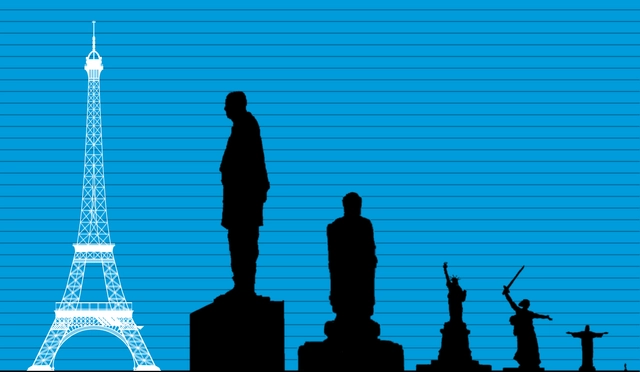
Scattered throughout cities and standing as landmarks in the landscape, what do these statues represent, having driven humanity around the world to pay such singular attention to their size?

At the time of writing, it is still difficult to envision the post-pandemic world of COVID-19, which spread across the globe in just three months after the first cases were detected in Wuhan, China, in December 2019. Dystopian scenarios of human and economic devastation managed by totalitarian regimes still run parallel to visions of societies successfully returning to the streets with more sustainable and secure patterns for their habits, modes of production, consumption, and social organization. Regardless, there is a lingering sense that the world will never be the same and that we will have to reorganize a significant portion of our collective and individual lives. The global suspension of activities triggered by COVID-19 could point to solutions—not only for the pandemic but also for other pressing crises that have been knocking on our door for some time, notably climate change and persistent, brutal social inequality.
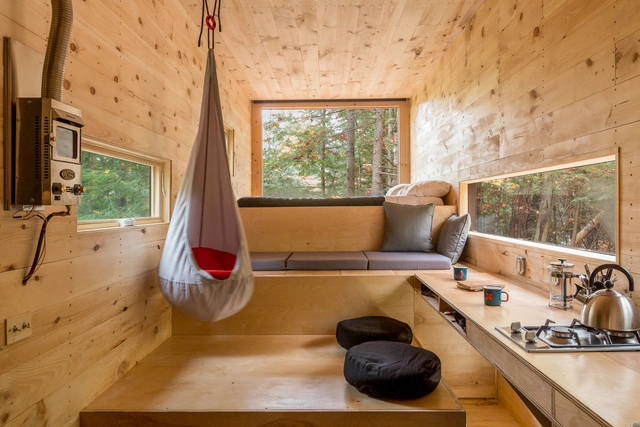
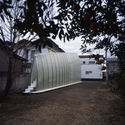
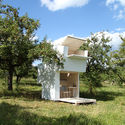
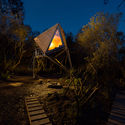
Housing is a fundamental architectural inquiry. How we interact with the spaces we inhabit daily, and the lifestyles we cultivate within them, are constant subjects of debate in the discipline—discussions aimed at achieving a higher quality of life and discovering new ways of living. Beyond this, other contemporary factors—such as real estate speculation, high density in urban centers, the desire for a nomadic lifestyle, or even simply following current trends—have made the discourse around small-scale living increasingly relevant and urgent. Consequently, we must ask ourselves: what is the absolute minimum space we actually need to live?

For a long time in Mexico and around the world, the architecture of pioneering Modernist architects like Luis Barragán and Juan O'Gorman, among many others, has been presented as sacred and untouchable to ensure its preservation over time.

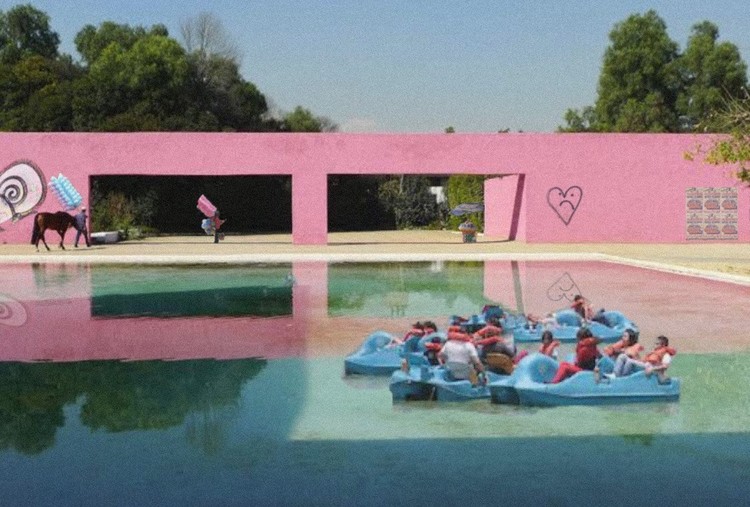
Ficciones is a graphic experiment created by the architectural visualization and communication studio Pinxcel. Set in highly diverse backdrops—mostly in the city of Quito, Ecuador—these explorations alter the built environment through digital methods to propose, via a fictional visual narrative, an alternative reading of the city.
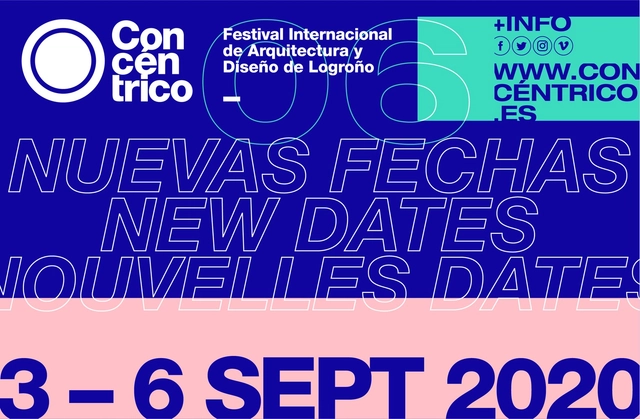
Due to the global coronavirus pandemic, the sixth edition of the Concéntrico International Architecture and Design Festival has been postponed, with new dates set for September 3 to 6, 2020.
The postponement is accompanied by an innovative online coverage initiative called the "Concéntrico Marathon," which will take place during the originally scheduled dates, from April 29 to May 3, 2020.
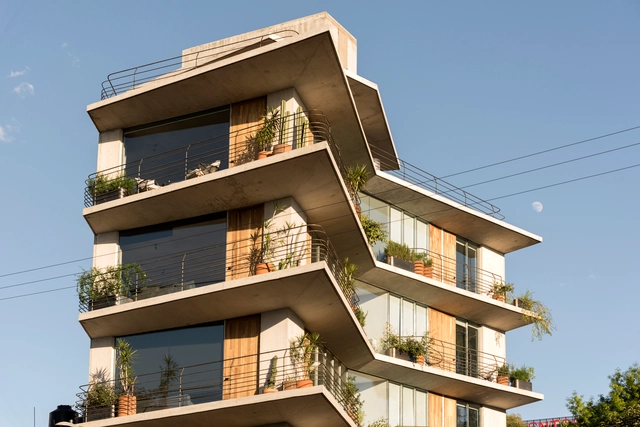
One of the most critical factors in architectural design is the site's specific climate. While this can present challenges in extreme conditions—requiring insulating materials to adapt to shifting environments—Mexico's privileged climate works in the architects' favor. It allows them to create microclimates and spaces that blur the boundary between indoors and outdoors.
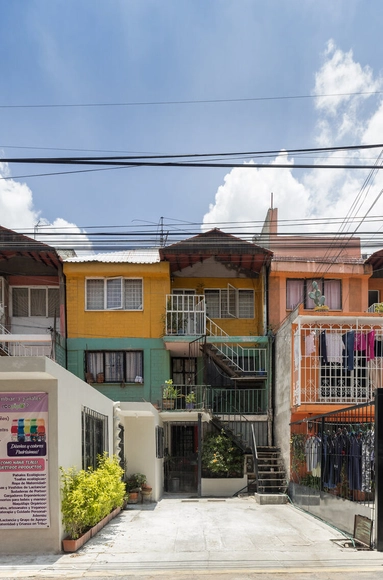
Periferia: Ecatepec de Morelos is a project by emerging photographer Zaickz Moz created to document the transformation of Mexico City's edges, while drawing attention to the aesthetics emerging in areas like Chalco, Nezahualcóyotl, and Naucalpan. Projects such as Soy de Azteca have focused on these forgotten territories, seeking to redefine the expressions of community and identity within Mexico City's periphery—a region that is increasingly blurred and constantly spilling over its geographic boundaries.
.jpg?1608579875&format=webp&width=640&height=580)
This year in Mexico, the National Workers' Housing Fund Institute (Infonavit) launched the Seventh Student Competition 2020, proposing the study of issues at different scales to develop housing, environmental, and locational strategies and solutions for the country's most troubled housing developments. The competition seeks new ideas as well as an academic dialogue, offering participants the opportunity to interact with users and their surrounding habitat to understand, analyze, and propose practical transformations through empirical research and interdisciplinary professional guidance.
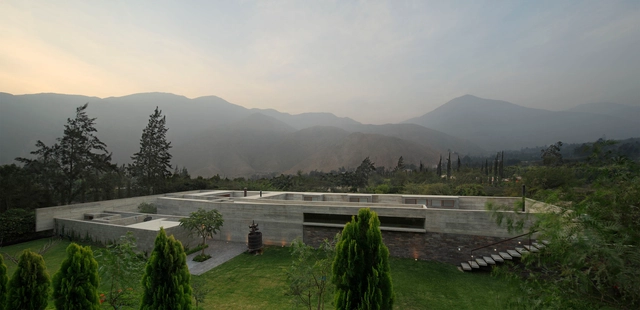
In the introduction to the book La casa es una idea, architects Llosa and Cortegana present their professional credo, drawing on several quotes from notable architectural and cultural writers. The tone of this introductory essay persists throughout the brief texts that complement the graphic presentation of 40 houses designed by the firm between 2002 and 2017. All of these were drawn specifically for this publication by José Luis Villanueva, the book's third author, who first explains his analytical work through graphic and three-dimensional representation.
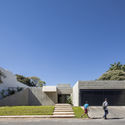
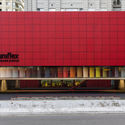

.jpg?1589245986 "Kaspé House / Zeller & Moye. Image © Dane Alonso")


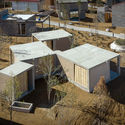

.jpg?1583109973 "Cortesía de Martin Alalu")
.jpg?1583109981 "Cortesía de Martin Alalu")
.jpg?1583109965 "Cortesía de Martin Alalu")







.jpg?1594917129 "MO47 Building / ZD+A. Image © Jaime Navarro")