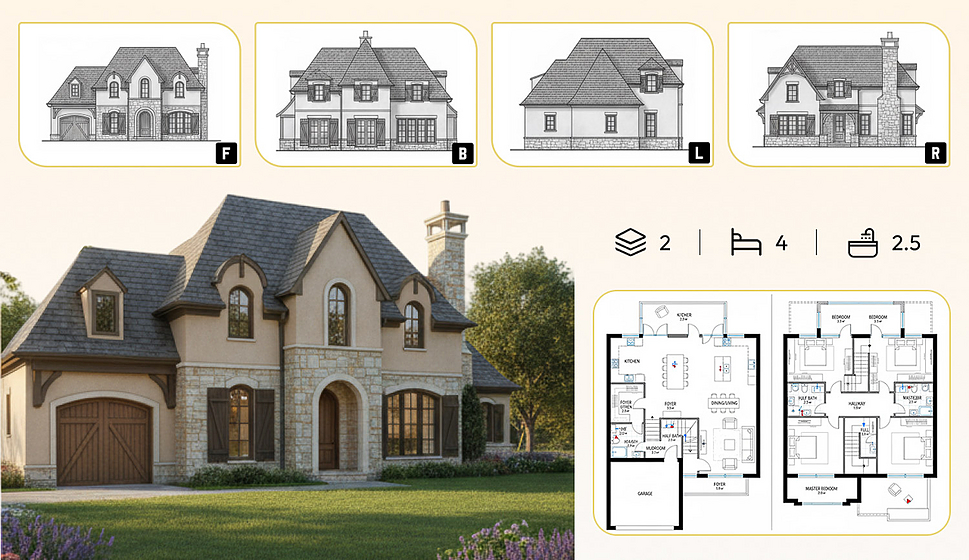
This guide covers a workflow that moves from project parameters to generated floor plans, 3D perspective views, exterior design exploration, and site context visualization, using AI tools in place of preliminary CAD and rendering work.
This guide covers a workflow that moves from project parameters to generated floor plans, 3D perspective views, exterior design exploration, and site context visualization, using AI tools in place of preliminary CAD and rendering work.
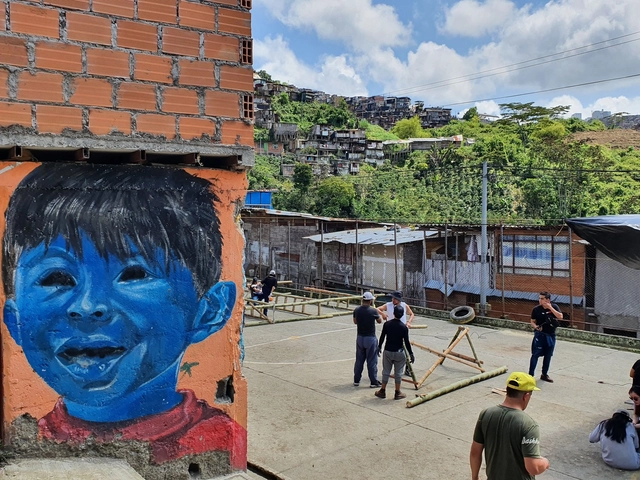

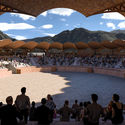
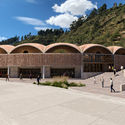
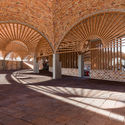
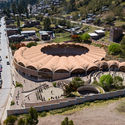
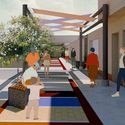
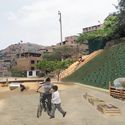
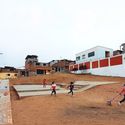
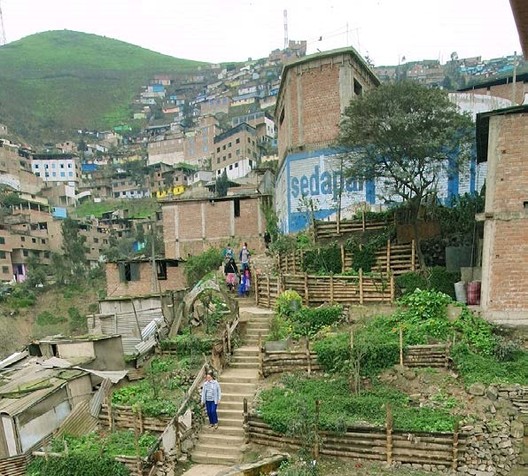
Twenty years after its first edition in Colombia, the Latin American Social Workshop returns to the South American country. In this edition, students from across Latin America, alongside architects from Colombia, Ecuador, and Chile, are intervening in three areas in the coffee-growing city of Manizales: a rural settlement in the middle of the mountain range, a self-managed park, and the slopes of an informal pedestrian neighborhood.
Here, we invite you to explore the progress made by the architectural teams participating in the 18th Latin American Social Workshop (TSL XVIII) in Manizales.
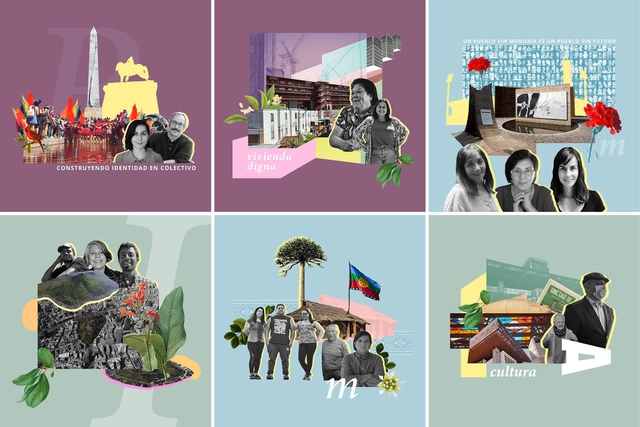
The fourth season of the podcast Causa Común—a co-production between Fundación Lepe and Fundación Aldea for the OH! Stgo festival, held in mid-January in Santiago, Chile—explores the past, present, and future of the capital, alongside the role of its inhabitants in prioritizing the common good and collaborative ways of making, inhabiting, and imagining our shared home.
Directed and coordinated by Francisca Cordero, Soledad Díaz de la Fuente, Magdalena Novoa, and Trinidad Piriz, the six-episode season examines the everyday stories, communities, monuments, and public spaces we inhabit from new perspectives. Featured topics range from the multiple identities of a public square, female leadership in housing projects, and the construction of urban memory, to island hills as socio-environmental opportunities, Mapuche urban dwelling, and the GAM building as an exponent of architecture and social change.
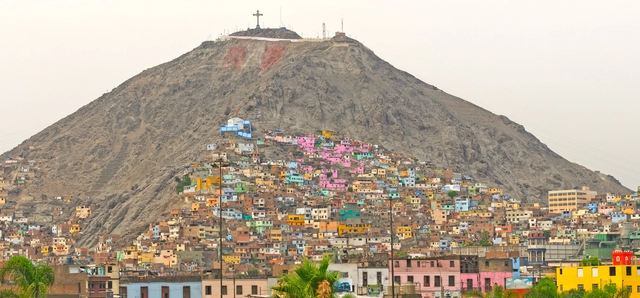
"Lima La Impostergable" (Lima, Unpostponable) is an initiative by the Lima Regional Chapter of the College of Architects of Peru. It aims to establish a roadmap for priority issues to be addressed by the 2023–2026 municipal administration of Metropolitan Lima and Callao, built through a platform of citizen engagement.

In November 2021, the ADUS Award in the "Professional Urban Design (Project)" category was presented to the team from Signare Estudio, composed of architects Isabel Loredo Pecho and Juan José Quiun Montes, for their project "Plaza Cultural de la Danza" in Lircay, Peru.
The award aims to highlight architectural projects that lead to a more sustainable world, based on the premise that architecture drives sustainable trends and improves the quality of life in our cities and the habitat as a whole.
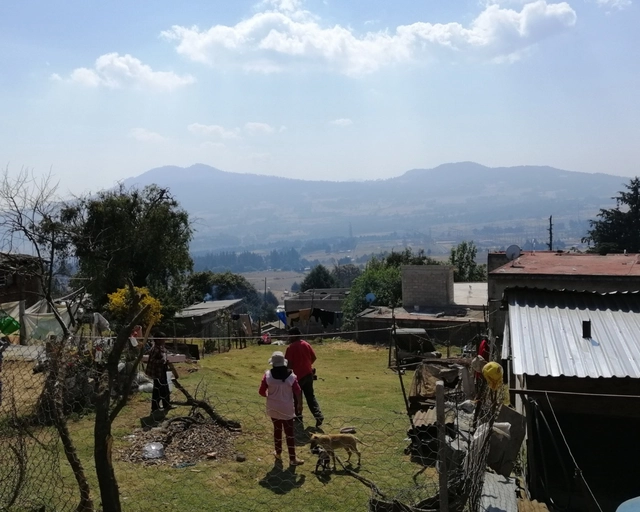

An increasing number of disciplines are engaging with the right to housing. Whether in the realms of architecture, law, economics, urban planning, geography, or political science, diverse voices have sought to identify the obstacles to its fulfillment, especially within increasingly hostile urban environments. Yet, while we all talk about the right to housing, we are not speaking of the same thing.
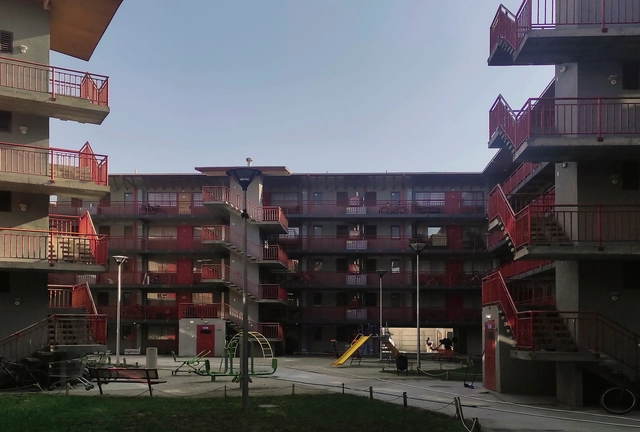
"Every person has the right to decent and adequate housing that allows for the free development of personal, family, and community life," states the provision that advanced to the draft of Chile's new Constitution. The draft is being prepared by the Constitutional Convention—a 155-member political body tasked with drafting and approving the proposal for a new agreement for the Republic, which was enabled by the October 2020 plebiscite and driven by the social protests that took place in the country in October 2019.
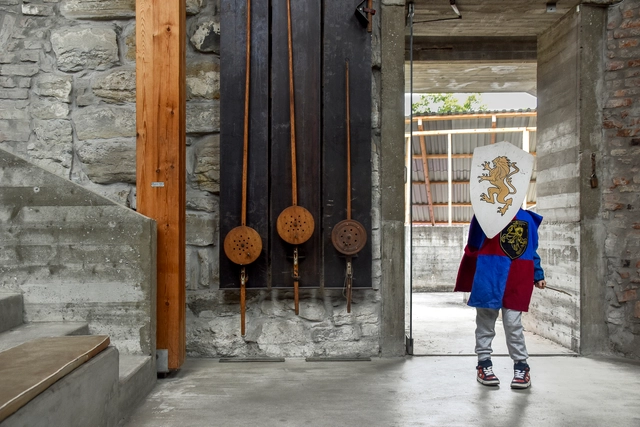
“Architecture is embedded storytelling,” wrote Marco Frascari. Emphasizing the reciprocity between architecture and narrative throughout his career, this Italian architect, theorist, and educator saw stories as the key to creating a “nontrivial”—and therefore transcendent—architecture. It is from his ideas, writings, teachings, and studies that the reflection inspiring this text arises.
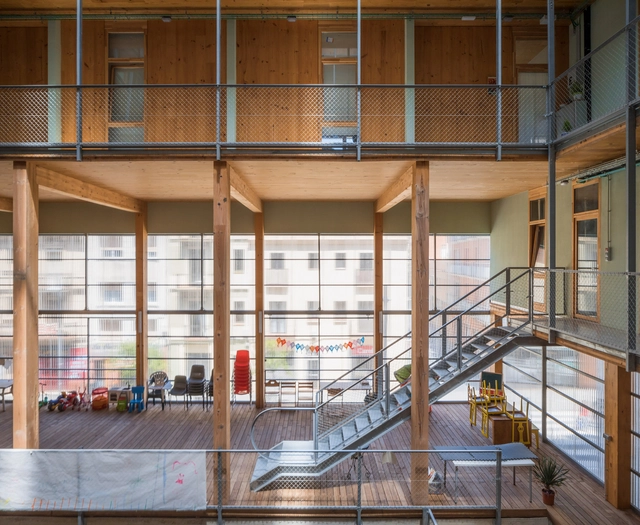
Cooperative housing, or co-housing, is a residential model that promotes access to housing in cities. This model first developed in countries like Denmark and Uruguay, and it is becoming increasingly popular throughout Europe. Indeed, it arrived in Barcelona several years ago and has since steadily expanded throughout the region, spreading beyond the boundaries of the Catalan capital. Below, we explore the cooperative housing model in Barcelona and how it contributes to a more democratic architecture for its citizens.
.jpg?1643728555&format=webp&width=640&height=580)
The team led by Mathias Klotz and Sebastián Mundi of the architecture firms Klotz and SML has been unanimously selected in the open call for the heritage reconversion of the former CCU Brewery in Limache, the Chilean company announced today in a press release.
This project seeks to preserve the brewing heritage represented by the iconic building founded in 1883, through a museum open to the public.
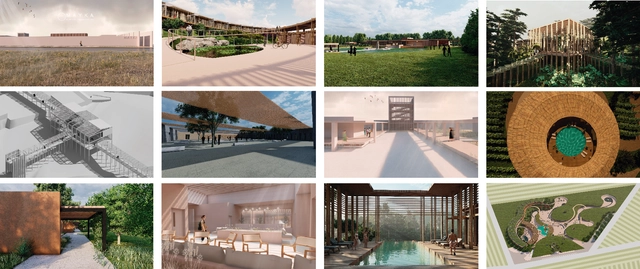
More than a decade ago, a new initiative emerged to redefine the architectural pedagogical system. With an influence that today spans countries like Argentina, Peru, Mexico, Venezuela, Guatemala, and the United States, the Virtual Workshop of the Americas (TVA) successfully and synergistically brings together education, collectivity, and virtuality. Architects Nahuel Salcedo and Celeste Gómez Lahoz are part of the coordination team driving this project forward year after year. Here, they explain the initiative in greater detail.
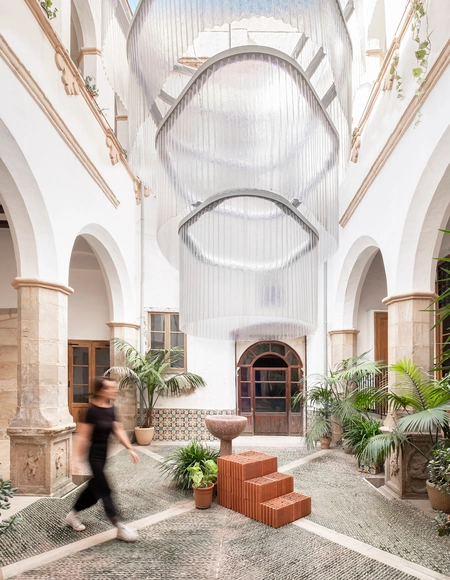
Manuel Bouzas and Santiago del Águila, the authors of La catenaria y el arco in the courtyard of Can Balaguer (by architects Flores & Prats) in Palma de Mallorca, present their urban installation ‘Lucerna,’ created for the A Cel Obert ephemeral architecture festival in Tortosa in October 2021.
This monumental lamp, standing over 6 meters tall and covering an area of 55 square meters, hangs from the main courtyard of the Purissima Concepció monastery, radically transforming this 17th-century building through light and color.

In the second half of the twentieth century, driven by the mass adoption of the automobile and exponential population growth, cities around the world expanded at an accelerated pace. Santiago, Chile, was no exception, characterized by an extensive and fragmented urban sprawl that has led to a heavy reliance on cars, environmental degradation, and the loss of agricultural land. Without planning and policies aimed at sustainable urban development, the result is a more polluted and less green city—an alarming scenario considering the climate crisis we face.
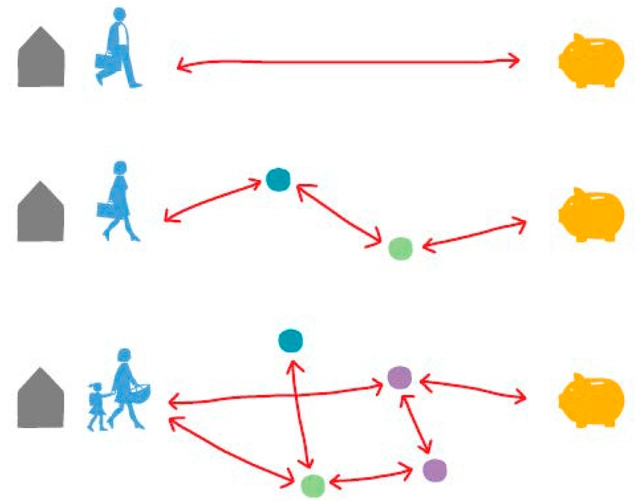

Proximity, understood as an urban quality that facilitates the management and pursuit of daily life, has for decades been a key tenet of feminist and gender-responsive urbanism. In the 1970s, academics from various disciplines began analyzing the link between the configuration and use of space and gender relations and roles. Since then, a robust critique of the androcentric configuration of the city has emerged, alongside proposals and criteria to rethink spaces from a gender perspective.
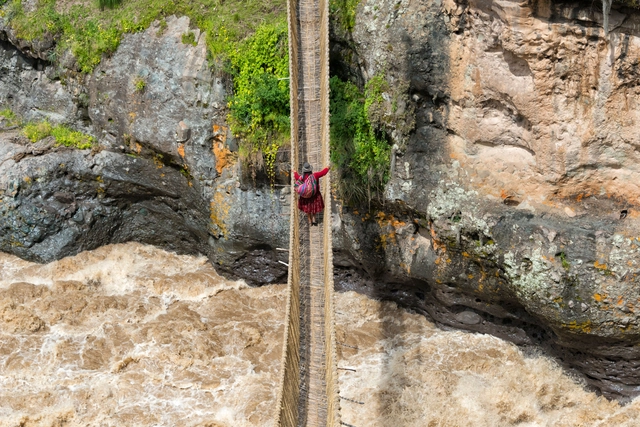
In the mountain range of the Andes in Peru, at over 3,700 meters above sea level, lies the Q'eswachaka suspension rope bridge, declared an Intangible Cultural Heritage of Humanity by UNESCO. The hand-woven bridge, which connects both sides of a gorge over the Apurímac River, has become the last remaining Inca bridge in use to survive modern times. This has been made possible through the transmission of Inca culture and engineering across generations, which renew the bridge every year to ensure its preservation.
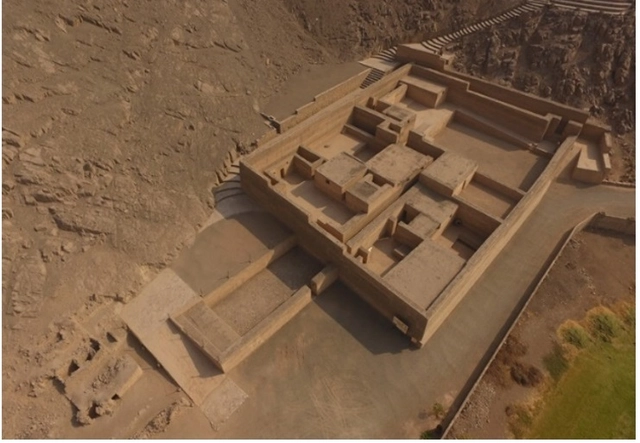
Peru is a country with an extensive, rich, and deeply significant archaeological heritage. Unfortunately, the passage of time has brought severe deterioration. In their article, "Captura de datos 3D para virtualizar el patrimonio cultural" (3D Data Capture to Virtualize Cultural Heritage), authors Norma León Lescano, Yann Barnet, and Alvaro Racchumi outline the method they used to capture a three-dimensional replica of the Palace of Puruchuco. By doing so, they aim to provide the necessary information to guide and promote the virtualization of this remarkable cultural heritage, expanding its reach, appreciation, and preservation.
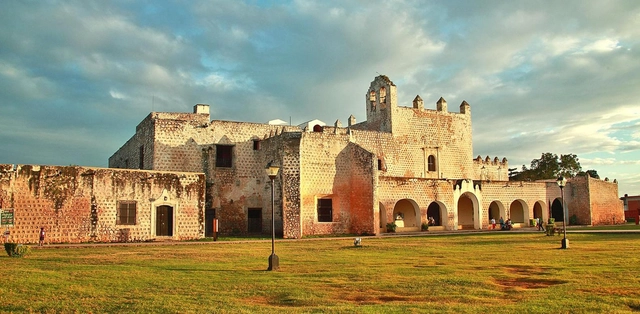
Valladolid is a town of just under 50,000 inhabitants, located in eastern Yucatán. It sits halfway between Cancún and Mérida, about 40 minutes from the Chichén-Itzá archaeological zone. Initially, the tourists who visited did so as a stopover during their travels across the peninsula. However, its gastronomy and architecture transformed it from an involuntary rest stop into a tourist destination in its own right.

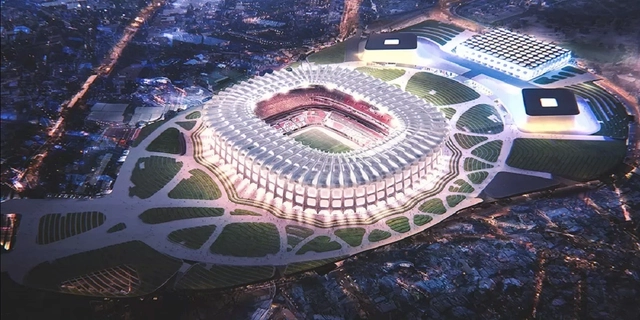
As part of the preparations for the 2026 FIFA World Cup—co-hosted by Mexico, the United States, and Canada—the remodeling proposal for Mexico City's Estadio Azteca has been unveiled. The historic venue has hosted countless milestone events over the decades and remains one of the capital's premier event spaces.
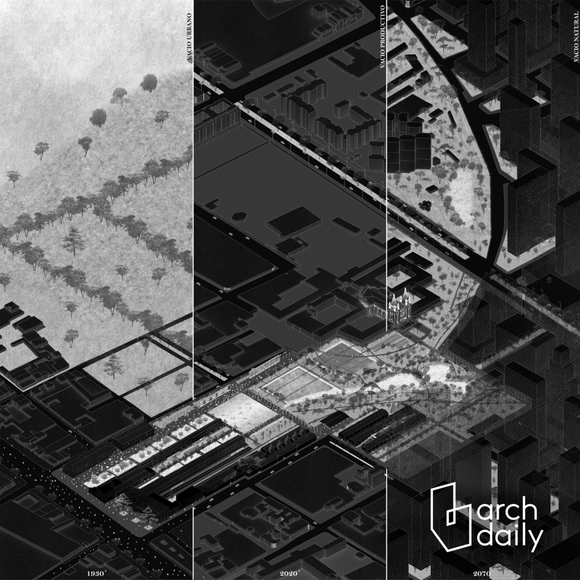
To showcase the valuable work emerging from Latin American and Spanish universities, this year we launched an open call inviting architecture students to submit their graduation projects completed in 2021.
After thoroughly evaluating 137 proposals, our editorial team has selected and highlighted 10 projects that demonstrate rigorous critical thinking in response to their self-defined challenges. The selection valued not only those projects that delivered the best possible architecture through efficient design tailored to their context, program, and users, but also those that paid significant attention to human scale, the environment, experimentation, and new ways of addressing architecture in cities.
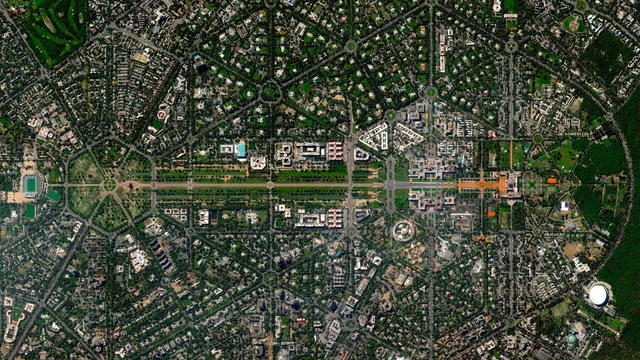
Today, technology is increasingly ubiquitous in major cities, driven by the rapid pace of capital-driven movement. A popular term to describe the relationship between urbanism and technology is “Smart Cities,” which centers on leveraging data to enhance building connectivity. However, widespread access to these new technologies has revealed how our unique experiences as citizens—driven by a strong desire to document urban environments—allow us to map and experience cities from alternative perspectives.

To mitigate the consequences of informal urban growth in the Lima and Callao regions, on April 19, the Colegio de Arquitectos de Perú Regional Lima (CAP RL) launched the program “Valora Nuestro Barrio” (Value Our Neighborhood). Through 21 selected projects, the initiative aims to improve residents' quality of life by recognizing and showcasing successful urban improvement practices in the proposed neighborhoods.
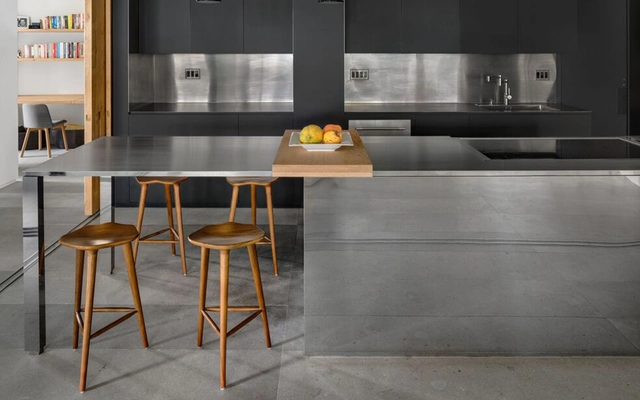
Over the years, interior design has evolved in response to changing needs, and above all, to the experiences it seeks to evoke for the user. Over the last two years, we have witnessed a radical shift and a heightened interest in this field, as the pandemic forced us to pay closer attention to how we configure the spaces we inhabit. This has brought about much more holistic designs aimed at user well-being, combining colors, sensory experiences, technology, and natural elements that promote health.
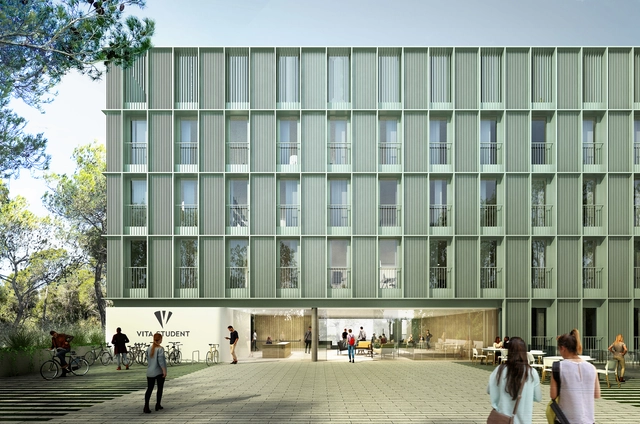
The Catalan firm Batlleiroig, founded in 1981 by Enric Batlle and Joan Roig, has designed the first residence for the British group Vita Student in Barcelona. With this project, Batlleiroig joins an innovative proposal that aligns with the firm's other works, where the primary focus is urban renaturalization, landscape regeneration, and the creation of healthy spaces. The firm promotes an innovative design seeking a new way of living for students and faculty, featuring increased contact with nature, a strong focus on sports areas, and large common spaces for the entire community.
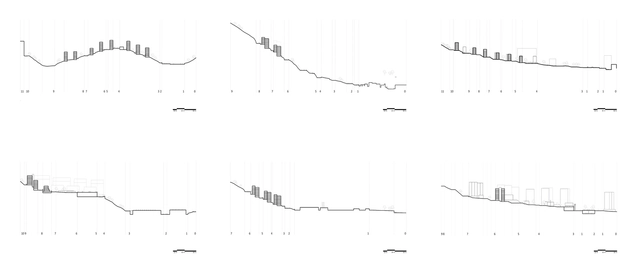
The contemporary urban footprint seems to expand its boundaries virtually without restriction while increasing in complexity. Major cities like Barcelona have expanded to the point where political boundaries merely represent the lines of administrative jurisdiction—which, in satellite imagery or everyday experience, often virtually cease to exist or are barely recognizable. On the other hand, a contemporary reading of its Metropolitan Area, stretched between mountain ranges, rivers, and the sea, demonstrates that this progressive expansion has always been shaped by its unique geographical enclave.
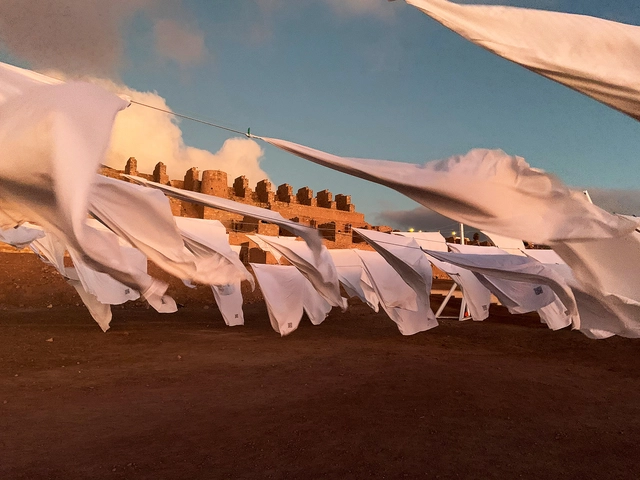
From April 11 to June 30, the Young Architects Festival (YAF), developed by Constructo, is taking place at the Ruinas de Huanchaca Park and Museum in Antofagasta, Chile. Within this space, Siglo 22 Arquitectos has created an immersive architectural installation activated by a series of events, including international lectures and a free public exhibition.