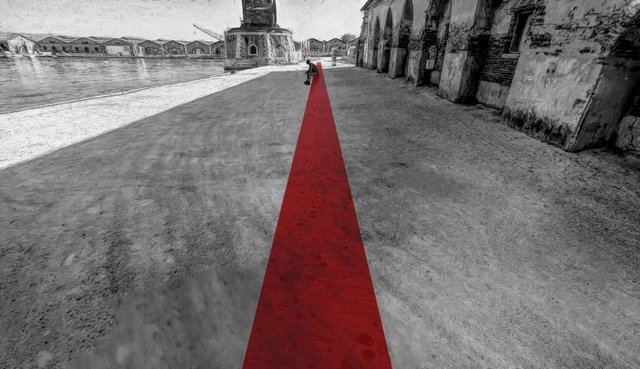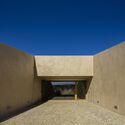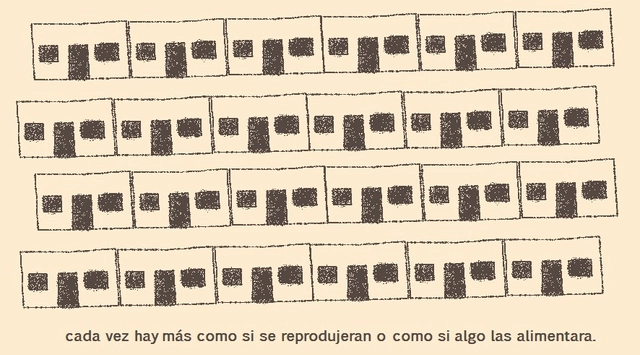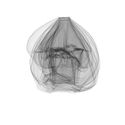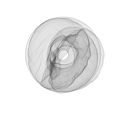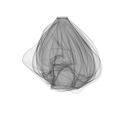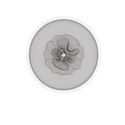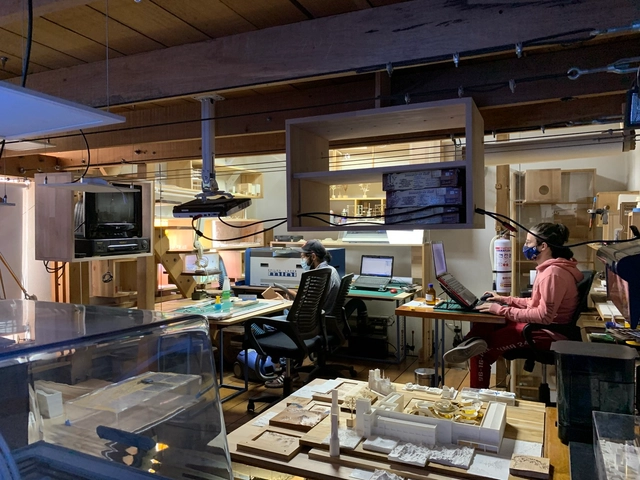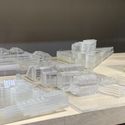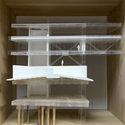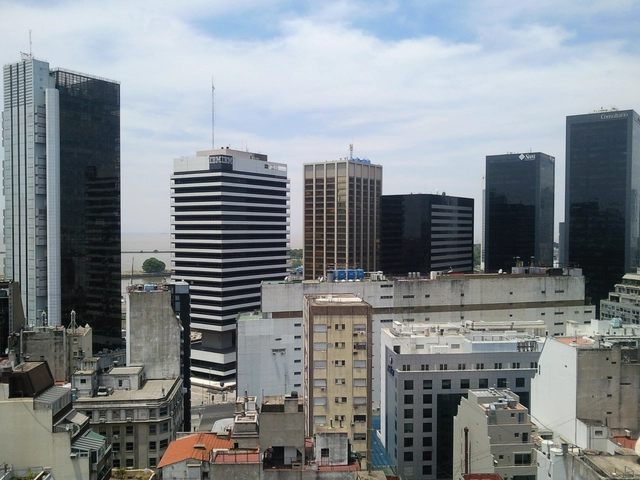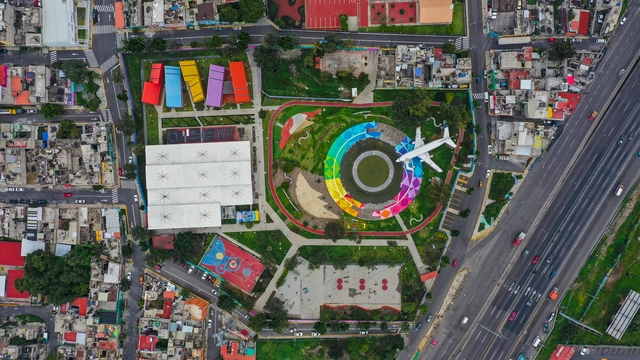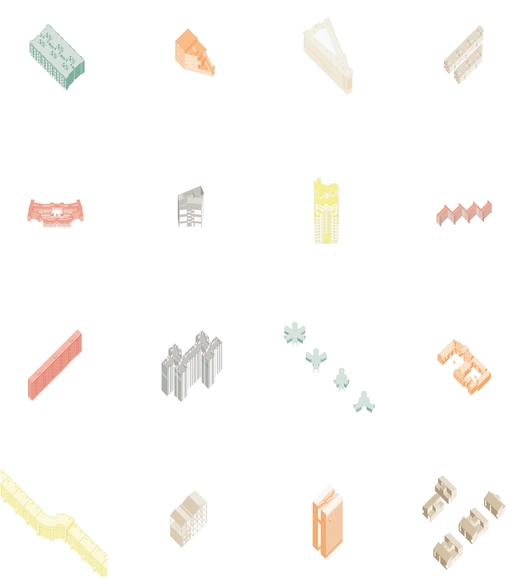
"Complete City: La Palomera, Acknowledgment and Celebration" is the installation by Enlace Arquitectura for the 17th International Architecture Exhibition at the Venice Biennale 2021. The model is a representation of the paths, stairways, and gardens of the La Palomera barrio in Caracas, Venezuela. The message: to recognize the barrio as part of the city.
Dear readers, with your companionship, ArchDaily has journeyed through 2020. Throughout this past year, we have continued our daily mission to report on and share global architecture, growing along the way while earning the recognition of architects and the invaluable support of our readers. 2020 has been an extraordinary year. At a time when we cannot gather or meet in person, we rely on the digital realm to send holiday wishes, sharing warmth and connection through online greeting cards. We have compiled the holiday cards we received this year to share with you, our dear readers. Let’s take a look at these creative designs from architects worldwide as we welcome 2021 together.
https://www.archdaily.com/1127959/welcoming-2021-holiday-cards-from-architects-around-the-worldMilly Mo
This September marks the 4th edition of the Chicago Architecture Biennial under the title The Available City. It is a perfect opportunity to open up the debate on the role of architecture in urban equity.
On March 8, 2021, various demonstrations were held in Mexico City to mark International Women's Day (#8M), drawing attention to and demanding justice for the rising wave of daily femicides across the country. Over recent years, this crisis has triggered major protests, such as those on August 16, 2019, and March 8, 2020, where thousands of women gathered to protest through both peaceful and disruptive actions. These demonstrations transformed public spaces, resulting in damage to streets, public transit, and—most notably during the August 16, 2019 march—the Angel of Independence monument, which is still undergoing restoration. This damage sparked a massive backlash that discredited the feminist movement, prioritizing property damage over the core demands of the protests.
via Gobierno de Ciudad Autónoma de Buenos Aires under CC BY 2.5 AR license
The Government of the City of Buenos Aires, through the Secretariat of Urban Development and the Secretariat of Innovation and Digital Transformation, has launched a new digital platform that allows users to visualize the city's Urban Code in 3D. The tool translates and clearly displays existing regulations, providing citizens with easy access to information on the layout of each district and approved construction parameters. What can be built in each neighborhood? What are the maximum heights for each plot? What are the permitted land uses? are some of the questions that can be answered using the platform.
With the launch of the 2021 Obra del Año Award, this year we celebrate the thirteenth anniversary of the most important recognition in the Spanish-speaking architectural world, where the winners are chosen by popular vote. Starting today, Tuesday, March 9, and for the next three weeks, our readers will be responsible for determining which projects inspired us during 2020, representing the identity of our local contexts while shaping the practice of architecture worldwide.
Over the next three weeks, the entire ArchDaily en Español network (Plataforma Arquitectura, ArchDaily México, ArchDaily Colombia, and ArchDaily Perú) will serve as the platform to celebrate the best built architecture in Spain and Spanish-speaking countries in Latin America.
Among nearly one thousand projects published in 2020, you can easily find your favorites by browsing through the categories and using the search engine to filter projects by country and architecture firm.
The 2021 Obra del Año award is brought to you by Dornbracht, renowned for its leading architectural designs, which can be found internationally in bathrooms and kitchens.
"Domingos Libro" is presented by Carmelo of Enorme Studio. Every two weeks, he delves into forgotten architectural publications, books, and magazines from the '60s, '70s, and '80s that have the most interesting stories behind them.
In this eighth episode, titled "I'm Gonna Be a Rock & Roll Star," he discusses issue 231 (February 1984) of the French magazine L'Architecture d'aujourd'hui, which was dedicated to Jean Nouvel's projects from 1977 to 1983. Among these, an interview with the French architect stands out, where his words are accompanied by staged portraits that fictionalize everything he says in the interview.
The acclaimed architect Paulo Mendes da Rocha, who passed away on May 23, cementing his eternal legacy, granted an interview to Revista América #1, published just over two years ago. In this journal from the Escola da Cidade graduate program, the architect, whose reflections lie at the core of the publication's editorial vision, expands—as he did on many other occasions—the concept of architecture, linking it to geographic and political dimensions.
https://www.archdaily.com/1128064/we-are-afraid-of-freedom-interview-with-paulo-mendes-da-rochaConselho Científico – Escola da Cidade
Lucía C. Pérez Moreno is the principal investigator of the MuWo - Women in Spanish (Post)Modern Architectural Culture (1965-2000) project. A statistical study broken down by gender, it aims to rigorously document the trajectory of female architects over four decades spanning late Francoism and the consolidation of democracy in Spain. The following interview reveals the relevance of conducting this type of analysis, the arduous work process involved, and its key findings.
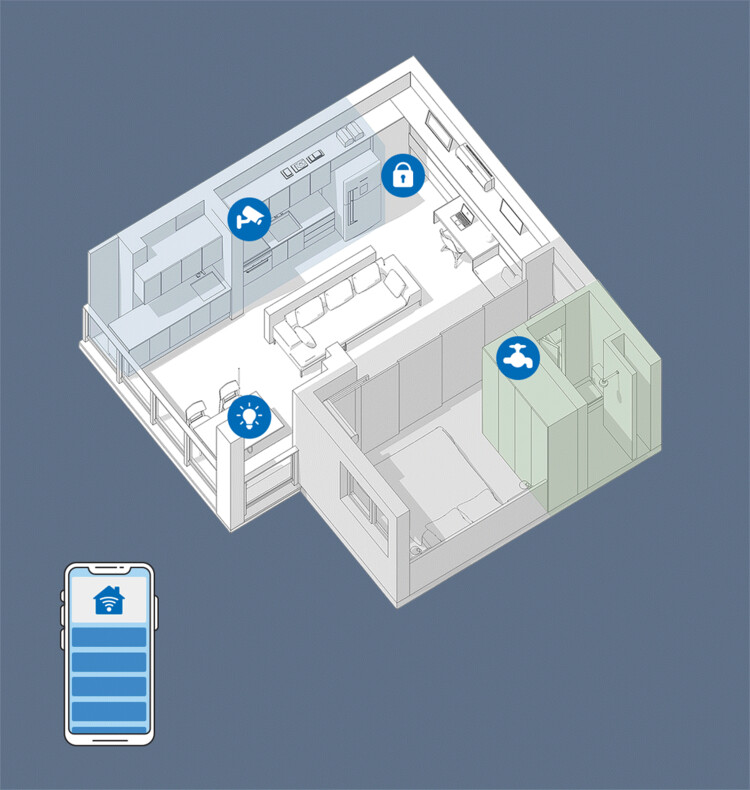
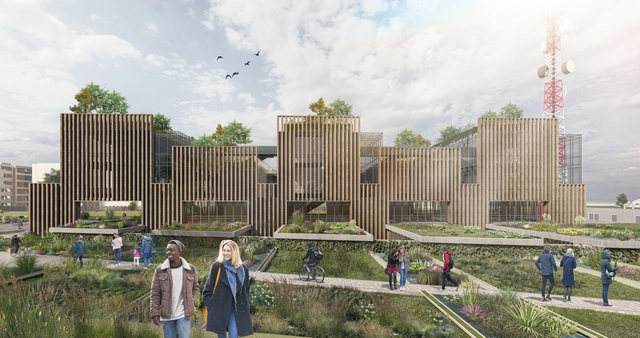
Currently under construction and scheduled for completion in 2022, the Smart 22@ building by GCA Architects is a project that seeks to integrate past and future while reflecting the values of modernity, sustainability, and technology. Located in Barcelona's 22@ district, the building aims to become Spain's first Smart Building, targeted to achieve LEED Platinum V4 certification with the highest score, alongside a WELL Gold certification.
# Red Dot Award: Product Design 2020 # 2019 Archiproducts Longlist # Selected for the 2020 ADI Design Index Exhibition
When Mies van der Rohe urged us to distill our walls to their bare essentials with his famous adage "less is more," he might not have anticipated that we would eventually grow weary of perfectly uniform boxes. While minimalism remains a dominant design style worldwide, there is a growing desire to inject clever details beyond mere simplicity, breaking its monotony to introduce aesthetic refinement and a warmer atmosphere. This is where Eclisse 40 comes in.
The door frame of the Eclisse 40 series is not only a technical innovation, but it also rethinks the frame as an aesthetic, design, and decorative element. The splayed profile defines the volume, playing with light to create a unique theatrical effect. What was once an invisible, purely structural element—the frame—now takes center stage, turning the door into a prominent feature in interior design with its own expressive power.
Throughout history, the bicycle has endured as a means of transportation, evolving in various ways. In recent years (and even prior to the COVID-19 pandemic), however, its popularity has surged, specifically in major cities. In rural areas, by contrast, it has always been one of the primary modes of transportation due to the lack of other infrastructure. In Mexico, there are regions that have historically been highly bicycle-centric. While cycling is often associated with being a trendy mode of transportation, the reality is that its use is concentrated among low-income groups across towns, municipalities, and even entire states. Unfortunately, investment in cycling infrastructure in Mexico remains consistently low.
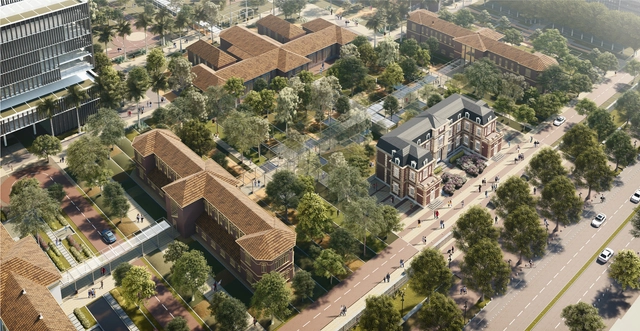
Smart campuses represent a unique architectural typology of our time. They not only showcase a brand's core technology and identity, but their vast footprint and significant investment also capture public interest, raising expectations for an innovative, interactive destination. In January of this year, construction began on the Midea Shanghai Global Innovation Park. Designed by the Beijing Institute of Architectural Design (BIAD), the campus spans a gross floor area of nearly 400,000 square meters with a total investment of over 6 billion RMB. It is scheduled for completion in 2024.
Located in the Hongqiao Business District of Shanghai, near the National Exhibition and Convention Center, the campus spans two urban plots. It is bordered by a natural waterway to the east and an urban green belt and the Shenhai Expressway to the west. BIAD conceived a "floating square ring" architectural form that hovers above the site. Both the building's roof and the landscape below are covered in "forests," seamlessly integrating the built volume with the environment. Equipped with Midea Group's proprietary smart building management systems and intelligent products, the campus aims to become a world-class green technology park.
https://www.archdaily.com/1128077/midea-shanghai-global-innovation-park-floating-square-ring-creates-a-two-tiered-forest韩爽 - HAN Shuang
José Ángel Medina en la presentación de la tercera edición de Bienal Mugak el 8 de octubre del 2021. Image Cortesía de Bienal Mugak
José Ángel Medina Murua is the curator of the third edition of the Mugak Basque Country International Architecture Biennial — one of the most significant architectural events in northern Spain. Taking place throughout November in Donostia, Bilbao, and Vitoria, the biennial will featureover fifty exhibitions, lectures, screenings, and workshops.
Ahead of the official opening, we present an interview with Medina to discover what lies in store for this latest edition.
With the opening of the 17th Venice Architecture Biennale, 60 nations from around the world showcased unique responses to the question "How will we live together?". Neither the pandemic nor its repercussions stood in the way of the curators' creative process. Instead, they treated it as a starting point to explore how the notion of 'living together' has changed over the past year, and how it can help us reimagine better built environments. ArchDaily had the opportunity to meet with Elena Tudela, co-curator of "Desplazamientos", the Mexican Pavilion, to discuss how this innovative material came about and what it means for the future of architecture.
The Colombian plains city of Villavicencio ended the year with promising news. The new metropolitan park planned for its urban landscape is based on a proposal by Estudio Territorios, the winning entry in a competition commissioned by the Mayor's Office of Villavicencio and organized by the Colombian Society of Architects to create a metropolitan-scale green space for the region.
A new edition of the Latin American Architecture Biennial is set to begin on September 28 in Pamplona, Spain. Organized by the AREA association in collaboration with the City Council of Pamplona, the Basque-Navarrese Association of Architects, the University of Navarra, the Government of Navarra, and the Spanish Ministry of Development, this 7th edition will feature 13 emerging architectural practices representing Argentina, Brazil, Chile, Colombia, Ecuador, Peru, Paraguay, and Uruguay.
The upcoming edition of Open House Madrid, taking place from September 24 to 26, will pay tribute to Spanish architect Luis Gutiérrez Soto, a key figure and promoter of the Modern Movement in España.
Luis Antonio Moreno Aguayo—architect and co-founder of Taller Matatipac in Tepic, Nayarit—presents his project: the Bípeda chair, which uses experimentation to simplify concepts to their elemental roots, employing critique as a tool to fuel creativity.
https://www.archdaily.com/1127907/taller-matatipac-presents-a-pre-hispanic-inspired-chair-in-mexicoArchDaily Team
"Domingos Libro" is hosted by Carmelo from Enorme Studio, where every two weeks he takes a deep dive into forgotten architectural publications—books and magazines from the '60s, '70s, and '80s with the most fascinating stories behind them.
In this episode, titled "Just What Is Necessary," he discusses Thomas Gordon Smith's 1988 book "Classical Architecture: Rule & Invention" and how two columns disappeared from his iconic Tuscan and Laurentian Houses just two years after their completion.
Today, the winners of the Regional Undergraduate Research and Thesis Projects Award were announced during the Lima International Architecture Biennial, BIALIMA 2021.
The purpose of this award is to promote, encourage, and highlight the best practices and talent of the more than 17,000 architecture students currently training in over 20 educational institutions across the Lima and Callao regions, who represent the future of architecture in the region.
In 2020, the amount of time we spent inside our own homes increased significantly, and these changes undoubtedly impacted how we experience residential space. Reevaluating the quality of these places became essential, adding an extra layer of complexity to apartment design. Ensuring comfort in every room, expanding the sense of space in small areas, or making the home more versatile are some of the challenges imposed and solved in various ways.
ArchDaily is working with CityMakers to publish a series of articles, conversations, and interviews with the various city co-production stakeholders behind the Barcelona CityMakers Lab 2021, taking place from November 8 to 12.
CityMakers is a global platform of experts in city co-production best practices, aiming to connect city co-producers and influential leaders from around the world to inspire one another and drive transformation in their cities.
For this installment, Velislava Simeonova presents her article "The Return to the Post-COVID City: Reflections Toward Sustainable Urban Tourism."