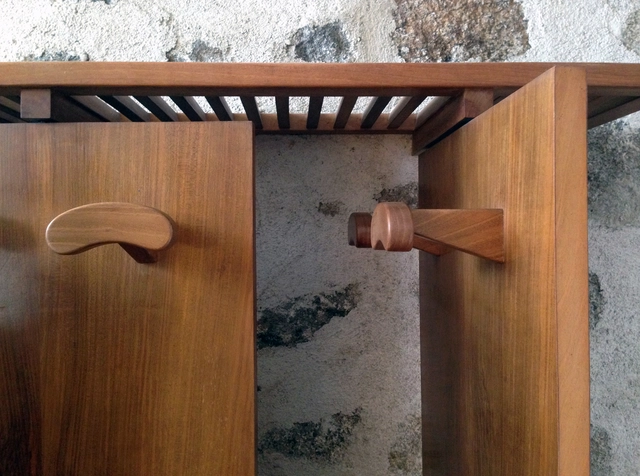
Figure 12: Detail of the junction between the panels and the hat rack. Photograph April 24, 2016: arroyopemjean. Image via Revista rita_
This article by Carmen Martínez Arroyo and Rodrigo Pemjean Muñoz was originally published in the 14th issue of revista rita_ under the title "There Is No Small Architecture: A Coat Rack in Miguel Fisac's House in Cerro del Aire," and is part of a joint collaboration for the dissemination of academic texts.
https://www.archdaily.com/1128502/there-is-no-small-architecture-a-coat-rack-in-miguel-fisacs-houseCarmen Martínez Arroyo y Rodrigo Pemjean Muñoz
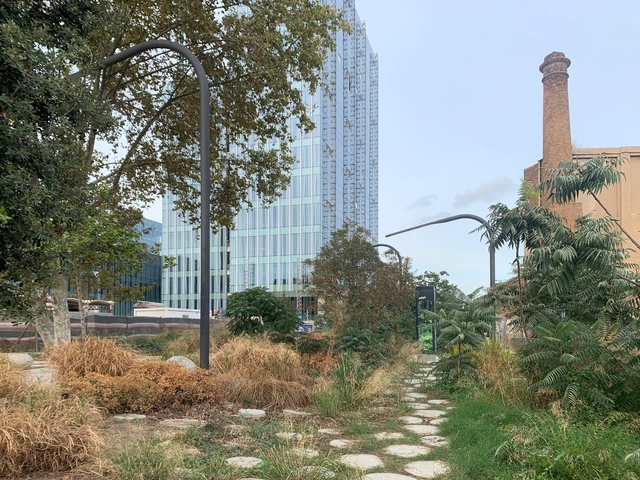
Citymakers is working with ArchDaily to publish a series of articles, conversations, and interviews with the different actors involved in co-producing the city behind the Citymakers Barcelona Lab 2021—a program whose next edition will run from November 8 to 12. For this installment, Víctor Torres, director and co-founder of CityMakers, presents his article "Re-naturalizing the City."
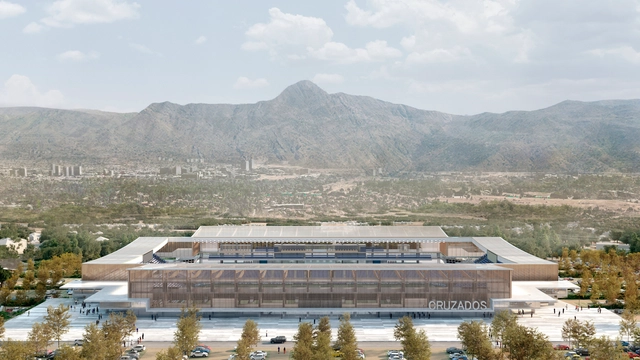
The Spanish architecture firm IDOM was selected by Cruzados through a competition to modernize the San Carlos de Apoquindo Stadium of Universidad Católica de Chile.
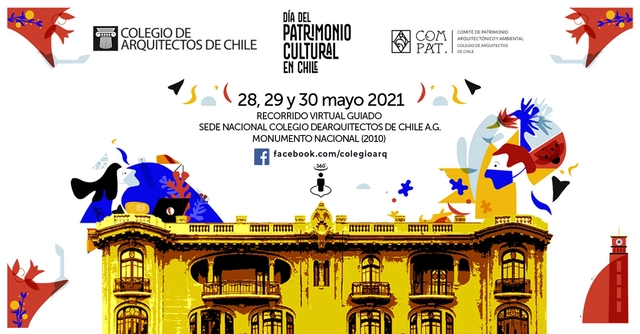
Heritage Day at the Association of Architects of Chile
Designated a National Monument in 2010, the National Headquarters of the Chilean Association of Architects (Colegio de Arquitectos de Chile) is a 1920 masterpiece by the prominent architect Luciano Kulczewski García. This Art Nouveau icon originally comprised two residences, each featuring a grand double-height hall illuminated by large windows, with five commercial spaces on the first floor.
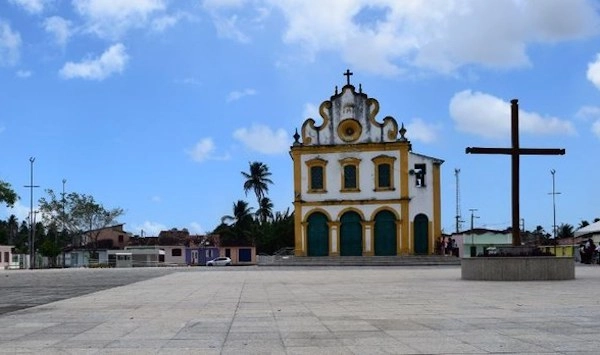
Colorful houses surround a large square stretching in front of the church with a Franciscan facade: visitors arriving in Marechal Deodoro (AL) are immediately captivated by this unique landscape. This is the Nosso Senhor do Bonfim Church, located in Largo de Taperaguá, which is currently undergoing restoration with a R$ 1.3 million investment from the National Institute of Historic and Artistic Heritage (Iphan). The building's interior also holds treasures, such as the recently discovered ceiling painting.
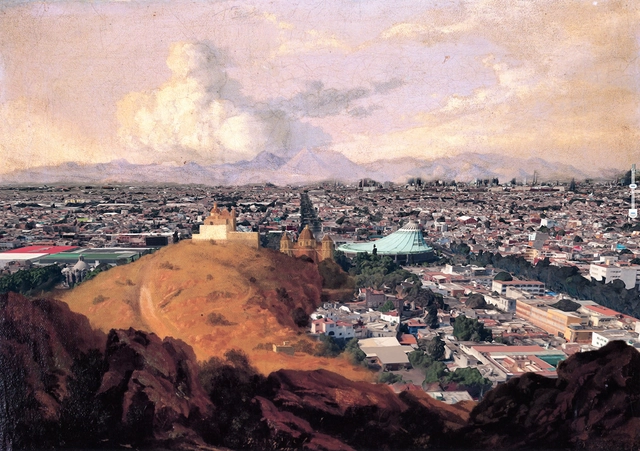
The history of painting in Mexico has a deep legacy that extends far beyond oil on canvas, as some of its most prominent figures found diverse intersections with other disciplines to develop their capacity to observe—and, above all, to construct scenes that told a specific story of their time and context. Numerous figures have elevated Mexico's reputation, positioning it as one of the countries with the greatest cultural and artistic wealth, including Frida Kahlo, Diego Rivera, Rufino Tamayo, Dr. Atl, Emilia Ortíz, and Mathias Goeritz, among others.
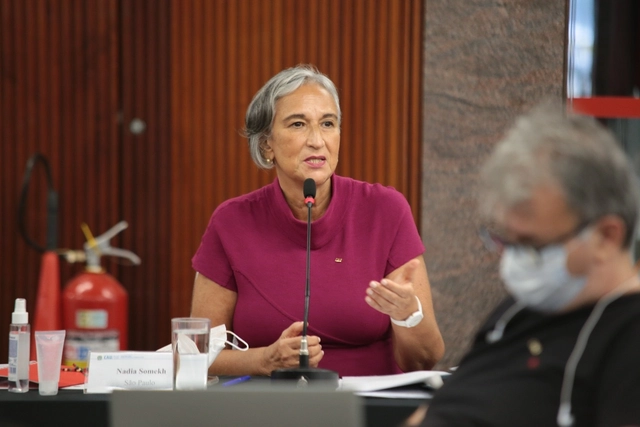
Architect and urban planner Nadia Somekh, from São Paulo, was elected today as president of the Council of Architecture and Urbanism of Brazil (CAU/BR) for the 2021-2023 term. This is the first time a woman has held the position. The selection was decided by secret ballot among the 28 federal councilors, with Somekh receiving 19 votes. In her management plan, Nadia Somekh states that “the country's current situation and the ongoing threat to representative professional organizations demand a dual approach.”
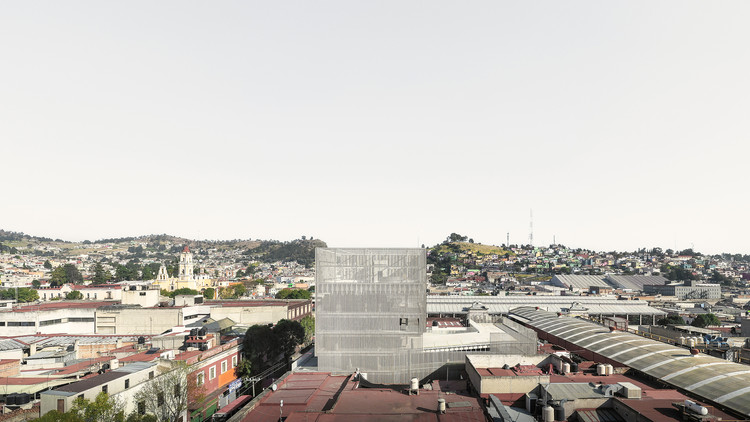
FRPO, the Madrid-based international architecture studio, presents its new mixed-use infrastructure project for the city of Toluca de Lerdo, capital of the State of Mexico. Located at the northern end of Juárez Avenue—which connects the historic district with the university area—the building aims to consolidate the scattered activity around this zone to create a new cultural, economic, and social hub at both the local and metropolitan levels.
https://www.archdaily.com/1128475/frpo-builds-mixed-use-infrastructure-in-toluca-mexicoArchDaily Team
Construction has been completed on the Ricard Ginebreda Sports Complex in Molins de Rei (Barcelona, Spain). Designed by the Barcelona Metropolitan Area (AMB) through the Public Space Services Directorate, this new facility brings together various sports under one roof—such as weightlifting, judo, climbing, and artistic gymnastics—which were previously scattered in venues ill-suited to their specific needs. The project was built around an existing soccer field belonging to a club in the El Canal neighborhood.
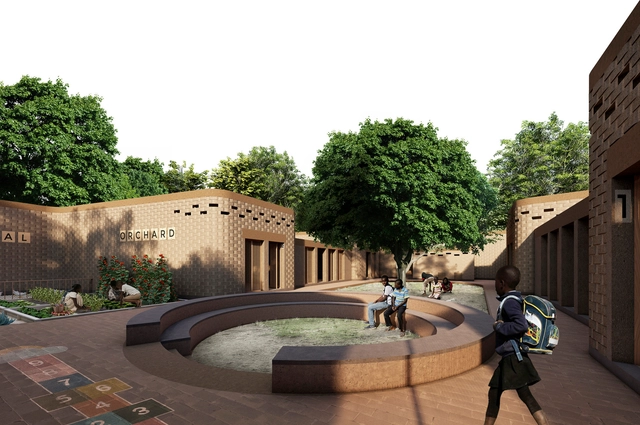
Numerous countries across Africa and Latin America share similar social contexts. One such challenge is the difficulty of accessing remote regions and poorly managed resources, which results in shortages for rural communities. A team from Colombia has won the competition to design innovative, low-cost construction techniques to replace a temporary school with permanent structures in Senegal.
The practice SOMStudio, with a team led by architects Santiago Osorio, Carlos Peña, and Mauricio Suarez, won the Senegal Elementary School competition organized by Archstorming.
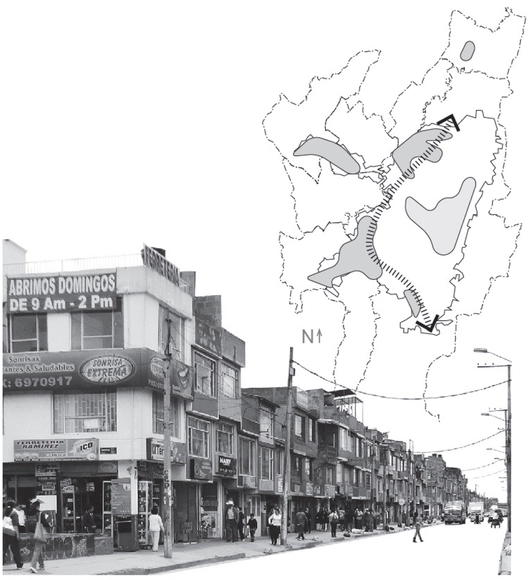
This article by Camila Pinzón and Juanita Fonseca was originally published under the title "Arrival Infrastructures: An Approach to Migrant Space in Destination Cities Like Bogotá" in issue 30 of the Dearq journal on May 1, 2021 (DOI: https://doi.org/10.18389/dearq30.2021.07).
Within the framework of recent studies on migratory flows, dynamics and concepts have been identified that help understand their relationship with urban space and the city—highly useful for architects, urban planners, and designers. Through a review of these concepts, this article questions their relationship with the Latin American context and reflects on the utility of defining the terms arrival city, arrival infrastructures, and porosity for a potential study in Bogotá.
Below, we present it as part of a joint collaboration to contribute to the dissemination of research, analysis, and opinions developed by the national and international academic community on architecture, urban issues, and related fields.
https://www.archdaily.com/1128456/arrival-infrastructures-an-approach-to-migrant-space-in-destination-cities-like-bogotaCamila Pinzón y Juanita Fonseca
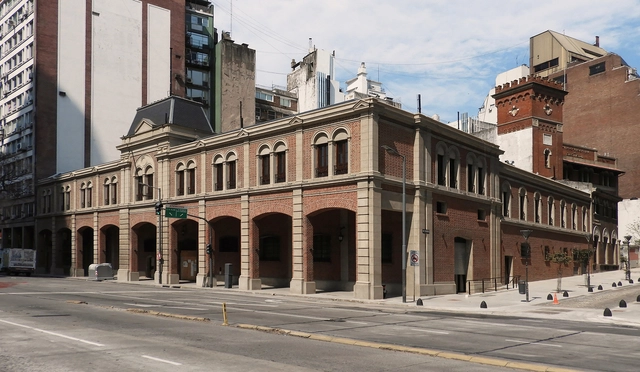
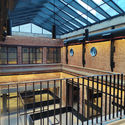
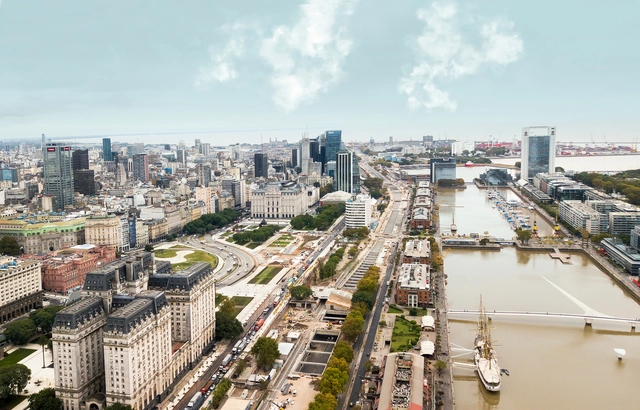
Located at 852 Leandro N. Alem Avenue in the Autonomous City of Buenos Aires, the Mercado de los Carruajes originally housed the “Presidential Carriage Garage,” serving as a storage and maintenance facility for horse-drawn carriages. Over time, the building was repurposed to accommodate the vehicular fleet of the Presidency of the Nation. Following a series of interventions and expansions, the historic heritage building began its conversion process in 2017, which is now complete with only the final details being finalized. A gourmet market concept featuring food stalls, fresh food vendors, retail spaces, and an event terrace eagerly awaits its grand opening, which was delayed due to the pandemic.
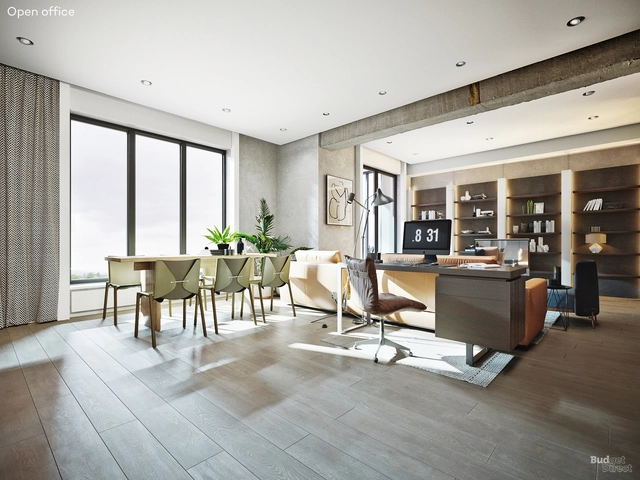
As is common in the design and architecture world, renderings have long been understood as a tool for visualizing spaces before they are built, thereby providing a broader, more realistic vision of what to expect. These images make it possible to identify and address potential errors, but above all, they serve as a powerful design tool for both interior and exterior spaces.
CLOU architects is an award-winning international design practice working across architecture, interior, and landscape design. The team has designed a diverse portfolio of projects focused on community connectivity and social spaces. CLOU's diverse design team consists of 65 experienced architects and designers from China and around the world. Clients include retail and mixed-use developers, residential investors, hotel operators, as well as governmental and educational institutions. Under the leadership of German architect Jan Clostermann, the CLOU team is dedicated to tailoring innovative, holistic spatial solutions for clients. By fully exploring the possibilities of public space within high-density developments, CLOU aims to subtly catalyze community growth and exert a positive impact on people's behaviors and lifestyles.
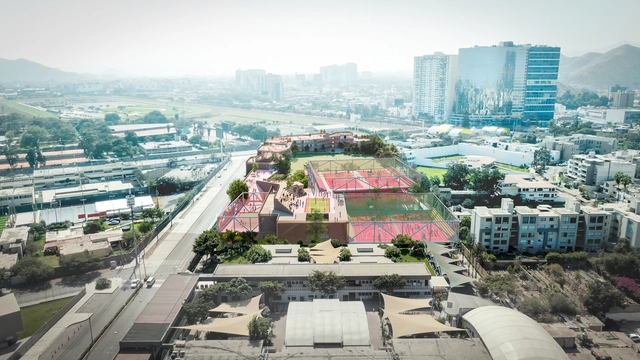
Imagen aérea. Image Cortesía de IDOM / Rosan Bosch Studio
The project by IDOM and Rosan Bosch Studio for Markham College's primary school in Lima, Peru, proposes an open and flexible model designed to allow 750 students to continue their education even during a pandemic.
It is undeniable that public green space has gained renewed importance following the lockdowns of the coronavirus pandemic. In cities worldwide, plazas, parks, clubs, and waterfronts began to play a fundamental role. These spaces met the needs for leisure, relaxation, and collective gathering of residents who, in many cases, spent months confined to their homes, acting as agoras within the dense urban fabric. Beyond serving as spaces for recreation and civic gathering, UN-Habitat states that these green areas directly improve environmental conditions. By helping to increase air quality, reduce the greenhouse effect, and capture carbon, their expansion, development, and maintenance should be a priority for local governments.
We invite you to participate in the 2021 Obra do Ano Award. In its fourth edition, we are giving our readers the responsibility of recognizing and rewarding the projects that have made the greatest impact on the profession. By voting, you become part of an unbiased network of jurors recognizing the most relevant projects built in Portuguese-speaking countries over the past year. There are only a few days left to close the nomination stage, which will select the 15 finalists from more than a thousand projects.
Remember, registered users can nominate their favorite project once a day. The nomination stage ends on Tuesday, March 23 at 11:59 PM (Brasília time, GMT-3). Thank you once again for helping us democratize architecture.
Organized by the Central Society of Architects (SCA) and the Chamber of the Red Ceramic Industry (CICER), this award aims to recognize architectural production focused on the use of ceramic masonry, as well as the work of architects in projects utilizing these materials. Featuring projects where hollow brick is the predominant material, the award seeks to promote its use as a sustainable, long-term solution in both urban and rural settings.
Inspiration and knowledge to help architects build better cities Inspiration and knowledge to help architects build better cities Founded in 2008, ArchDaily was established with a clear mission: to become an online platform providing design inspiration and knowledge to architects worldwide—transcending geography, race, and gender to exchange methodologies, spark inspiration, explore theory, and showcase practice. In 2020, as COVID-19 impacted the world and transformed the architectural landscape, we updated our mission:
Tools, inspiration, and knowledge to help create better cities Tools, inspiration, and knowledge to help create better cities "Tools" has been added. Over 13 years of dedication, our database has grown to include over 27,000 design firms from around the world. Serving a vast community of designers, we believe we should share more than just designs; we should also share "tools"—such as productivity-boosting workflows, cost-effective building materials, high-quality design competitions, and like-minded design communities. "Architects" has been removed, and "build" has become "create." ArchDaily currently operates websites in 5 languages, 2 WeChat public accounts, and 3 social media platforms, reaching 480,000 daily visits and ranking at the top of Alexa's global architecture and design website list. Our readership extends beyond architects to include designers from other fields and design enthusiasts. Consequently, our content should expand beyond construction to encompass more planning, cross-disciplinary, and diverse design. The goal of "better cities" remains unchanged. ArchDaily receives over 100 project submissions and more than 15 advertising inquiries daily. Guided by our high standards of curating content "for better cities," we consistently deliver high-quality articles, bringing the best content to readers, the most international platform to creators, and the most comprehensive exposure to developers.
2021 marks the fifth anniversary of ArchDaily China. Over the past five years, numerous Chinese architects have reached international audiences and gained global recognition through our platform. Meanwhile, China's diverse market has attracted global designers, fostering cultural exchange as the Chinese architectural design industry matures. To support this growth, we are launching services such as Job Postings and Brand Promotion, aiming to offer a more comprehensive suite of solutions that help architects recruit top talent and secure new projects.
https://www.archdaily.com/1128600/archdaily-recruitment-advertising-and-brand-promotion-services-seeking-fellow-travelers韩爽 - HAN Shuang
The three practices hiring this week represent "small is beautiful" design teams: Beijing-based PRAXiS d'ARCHITECTURE and AFFD Design Studio, along with Jane Z Studio, which is deeply rooted in southern China. Active across diverse architectural fields with their distinct design philosophies, they are now seeking talented architects to join their teams.
https://www.archdaily.com/1128603/jobs-of-the-week-praxis-darchitecture-louise-zhang-architects-affd-design-studioMilly Mo
The FAD Awards 2021, one of the most prestigious architecture accolades on the Iberian Peninsula, has announced the finalist projects for its latest edition.
With the opening of the 17th Venice Architecture Biennale, 60 nations from around the world showcased unique responses to the question "How will we live together?". Neither the pandemic nor its repercussions stood in the way of the curators' creative process. Instead, they used it as an opportunity to explore how the notion of 'living together' has changed over the past year, and how to reimagine better built environments. ArchDaily had the opportunity to meet with architect Gerardo Caballero, head of the Argentine Pavilion, to discuss how the pavilion's innovative material came about and what it means for the future of architecture.
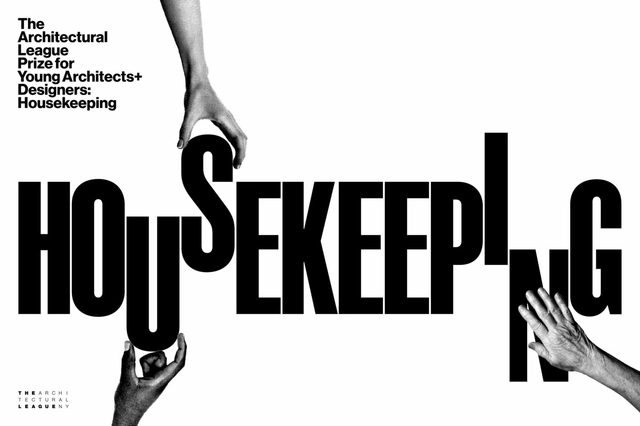
The 2021 Architectural League Prize has announced the selection for the Young Architects + Designers: Housekeeping category. The theme was developed by the 2021 Young Architects + Designers Committee, which included recent League Prize winners Ivi Diamantopoulou, Cyrus Peñarroyo, and Alison Von Glinow. The jury comprised the committee alongside Tatiana Bilbao, Peggy Deamer, Fritz Haeg, and Victor J. Jones. The competition is organized by The Architectural League’s Program Director, Anne Rieselbach, and Program Director, Catarina Flaksman.