"Since childhood, I had lived by the warmth of the stove that heats and at the same time gathers the family. Seeking that warmth was a necessity in southern Chile. Here in the tropics, it is the cooling shade that gathers us, and unlike the stove, it is everywhere."
Based in Costa Rica, Bruno Stagno does not simply initiate reflections on how environmental responses can form the basis of architectural inspiration and identity; he proposes to go further, advocating for an architecture tailored to a specific latitude.
The winners of the National Award for Sustainable Architecture and Urban Design (ADUS) have been announced, an initiative aimed at recognizing and promoting the integration of sustainable guidelines, strategies, and actions in architectural and urban design projects across Argentina.
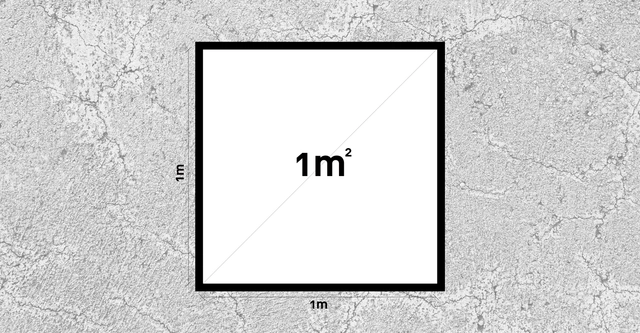
Even if you already know the answer, it is always worth reviewing key considerations regarding a building's square meters. Not only are they fundamental to determining construction costs and materials, but they also lay the groundwork for tax assessments and regulatory compliance.
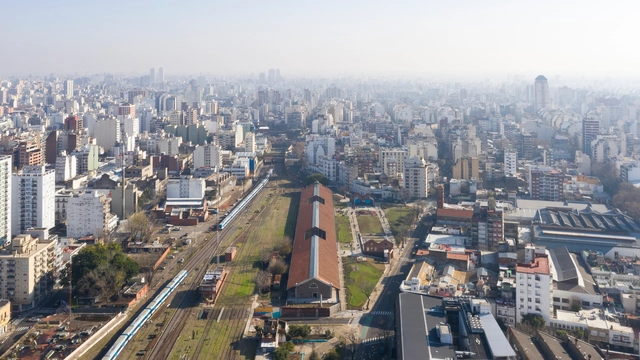
On November 7, the winners of the National and International Editions of the 2019 CEMEX Building Award were announced during a ceremony at the Hyatt Regency Polanco hotel in Mexico City. Here is the list of winners.
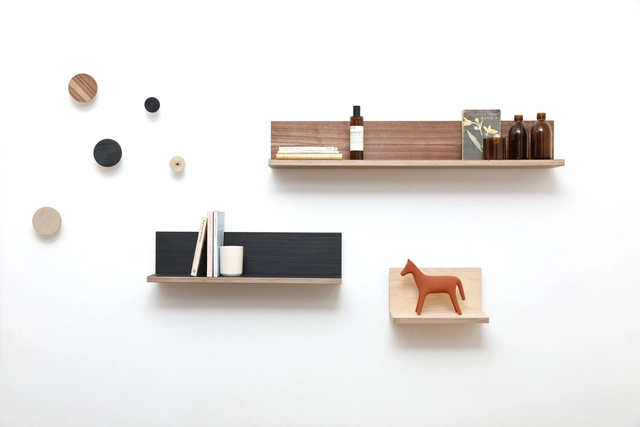
Pirwi, the leading national design editor, recently presented new collections featuring collaborations with Mexican artists and designers, including Daniel Pouzet, Joel Escalona, Moisés Hernández, Pablo Herrera, Sebastián Ángeles, Sergio Morales, and Mario García Torres. These collaborations range from small objects such as shelves and furniture to design pieces that offer a critique and reflection on the era we inhabit. Some of the pieces shown below come together as a complete range of daily-life objects designed by Pirwi, reflecting the brand's aspiration to reach a more inclusive audience and refresh its image with materials and finishes not previously explored.
Ruins are defined as structures, architectural remains, or constructions that have been partially or completely lost due to various factors (such as natural disasters, war, depopulation, abandonment, and lack of maintenance). They manifest as the material and tangible presence of a past era, representing the historical paradigm in which they were conceived and built. Their appeal lies in their ability to freeze a temporal plane different from current reality within the present, serving as a condensation of the ideals, interests, aspirations, questions, and challenges of a specific era. With this in mind, we present below a selection of 10 archaeological sites and ruins you can visit in Argentina.
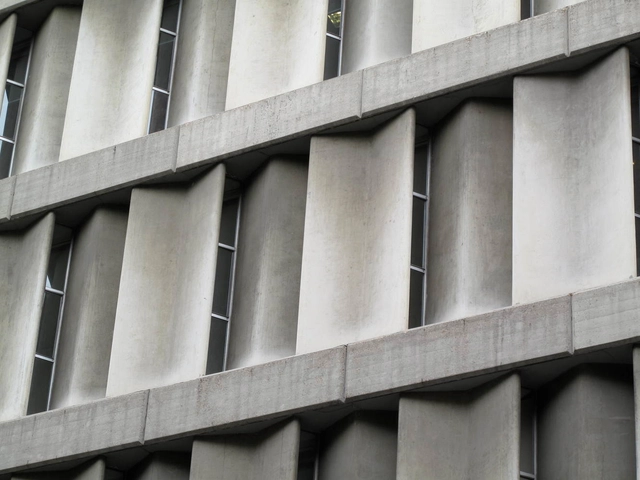
Curious, inquisitive, and tenacious, Miguel Fisac [1913–2006] learned by doing. Fascinated by technology and construction, his direct on-site experience made up for everything that neither university nor books could teach or convey to him. Although his early work could be described as "academicist," within a few years the architect from Ciudad Real managed to shed this approach, turning instead to organic-patterned masonry and beams with bone-like logic. All of this was rooted in an intrinsic, personal commitment to creating a humanized architecture aligned with technical precision.
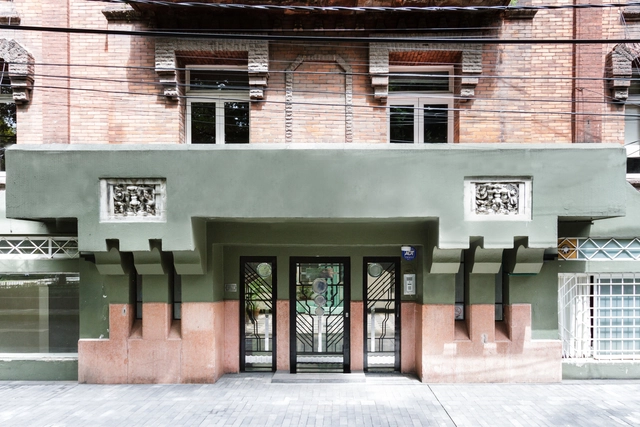
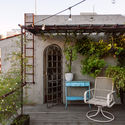
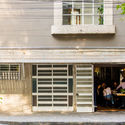
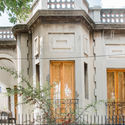
Colonia Roma is considered one of Mexico City's architectural jewels, shaped by early 20th-century trends that stood as a symbol of Porfirian aspirations. The neighborhood, one of the city's most prominent and home to a large community of creatives, is a living entity that constantly evolves. It attracts both domestic and international tourists who enjoy walking along its tree-lined streets, taking in the vibrant architectural styles and diverse culinary scene.
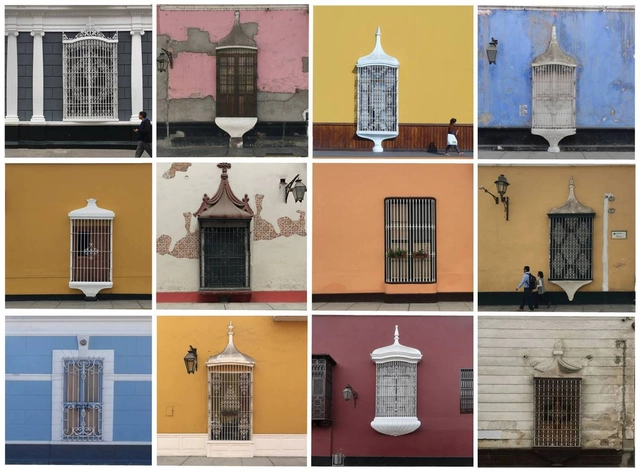
They represent one of the many treasures of northern Peru: its immense windows. When I learned I was heading pa'l norte to Trujillo, I immediately began to dream of its windows. I had encountered them in an excellent university course, and their dimensions were striking enough to occupy a significant place in my memory—compounded by a natural obsession with windows of any size or shape, their purpose, and what they make possible. Although I had been there years ago as a child, I was now returning with a fresh, more architectural perspective.
This is a photographic journey and compilation of the diverse variations of the Trujillo window. The images are not limited to the well-preserved areas of the city; they also reveal neglect or deterioration. Either way, their beauty shines through.
From October 10 to December 12, the second edition of the MUGAK International Architecture Biennale of the Basque Country is taking place. This event not only explores the link between art and architecture, but also aims to engage the public and foster reflection and connections with other disciplines, serving as a forum for dialogue and debate to achieve better, more balanced, and fairer cities.
When designing outside of urban areas, where property lines are not constrained by party walls and adjacent buildings do not dictate the layout, some of the most honest architectural responses emerge regarding how to intervene and what stance to take toward the surrounding landscape.
The following four architectural projects located in the Province of Córdoba, shaped by the topographical conditions and the specific characteristics of their surroundings, establish a profound sense of belonging with the landscape. By blurring the line between the natural and the artificial, they offer valuable tools and insights for designing on suburban plots.
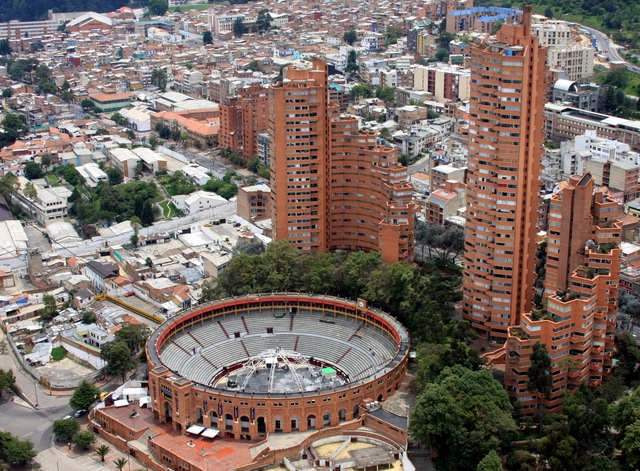
From La Candelaria to Teusaquillo and Santa Fe, Bogotá's modern architecture not only stands in stark contrast to the historical legacy of local forms, but also served as a call to rethink the modernization of the Colombian state around 1930.
The featured city sites serve as a starting point—an invitation to explore the capital and discover an architectural heritage that is distinct, yet remains an integral part of the urban fabric and the daily lives of Colombian citizens.
Automation has become a major talking point—not only for its potential to replace countless low-income or low-skilled jobs, but also for its capacity to render entire professional careers obsolete through artificial intelligence and machine learning.
At ArchDaily, we opened the floor to this discussion in 2017 with an in-depth report on the subject, and we recently turned to our Instagram audience to ask what they think about automation. Do they believe it will affect them? Our readers seem confident: some argue that architecture is an art—or rather, a discipline centered on emotions—even if they overlook the standardization and modulation processes already established in the real estate market. According to those who responded to our poll, this emotional dimension inherent to architecture is precisely what makes it harder to automate.
The *Tres Turons* (Three Hills) Park is one of the most important green lungs in the city of Barcelona. Located between the districts of Horta-Guinardó and Gracia and comprising the Turó de la Creueta del Coll, the Turó del Carmel, and the Turó de la Rovira, the park features a complex topography that offers exceptional aerial views of the city. Although the Barcelona City Council has planned to revitalize the area since 1953 by creating a large green zone to serve as a green lung, leisure hub, and rest area, opposition from local residents has delayed its development. Consequently, the site is currently in a state of degradation that threatens its environmental value. To address this, the City Council recently launched a competition under the guidelines of the 2010 master plan. The initiative aims to preserve the park's biodiversity, ensure ecological resource management, redesign pathways and activity zones to encourage public use, improve connections with surrounding neighborhoods, and reorganize the Can Baró quarries area.
As part of Beijing Design Week, the Mexican Architecture Forum will feature presentations by the architects from PALMA, PRODUCTORA, Estudio MMX, and TO on September 6 and 7 at the Central Academy of Fine Arts in Beijing, China.
The Ministry of Culture, through the National Institute of Fine Arts (INBA), invites submissions for the 17th International Architecture Exhibition at the Venice Biennale 2020. Applications are open to select the works that will represent Mexico at the exhibition, which will take place at the historic "Arsenale" naval and military complex in Venice, Italy, from May 23 to November 29, 2020.
The XXI Chilean Biennial of Architecture and Urbanism announced São Paulo as the guest city for the event, which seeks to focus on “the common and the ordinary.” Chilean architect Paula Monroy, in collaboration with Marcella Arruda and Helena Cavalheiro, will present a series of urban, artistic, and architectural projects focusing on the paulista middle class with the proposal “Dialogues and Limits.”
https://www.archdaily.com/1119747/sao-paulo-will-be-the-guest-city-of-the-xxi-chilean-architecture-biennialArchDaily Team
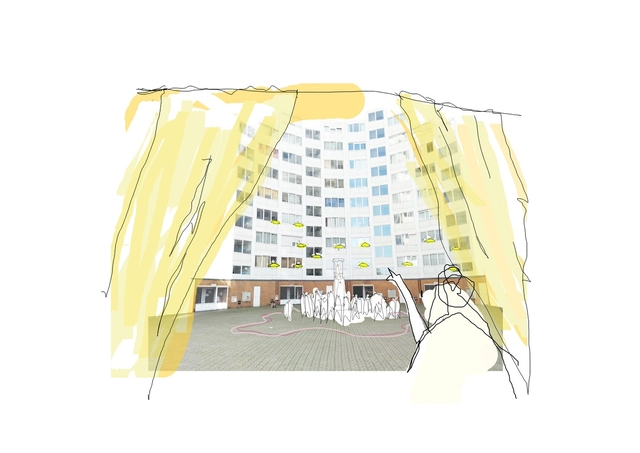
A spotlight illuminates a window opening in a Madrid building. A woman looks out. "I am a young, beautiful dove, full of hope," she declaims before breaking into Volare, the 1980s flamenco hit by the Gipsy Kings. This is one of the scenes from Kópera, the dystopian opera written by architects and neighborhood organizations for the first edition of Imagina Madrid.
In 2017, the experimental public art program of the Madrid City Council, coordinated by Intermediae, launched an open call to explore new forms of cultural intervention in the Spanish capital's public space. Out of 175 submissions, an international jury selected ideas, merged teams, reassigned proposals, and designated nine districts on Madrid's periphery.
Cortesía de AGRA Anzellini Garcia-Reyes Arquitectos
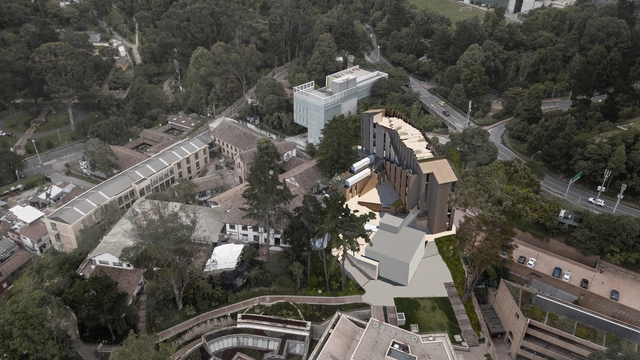
The Universidad de los Andes has announced the results of the private competition for the Ensamble Building - new Block P, with Stefano Anzellini – AGRA Anzellini García-Reyes Arquitectos emerging as the winner. Discover the five finalist proposals below.
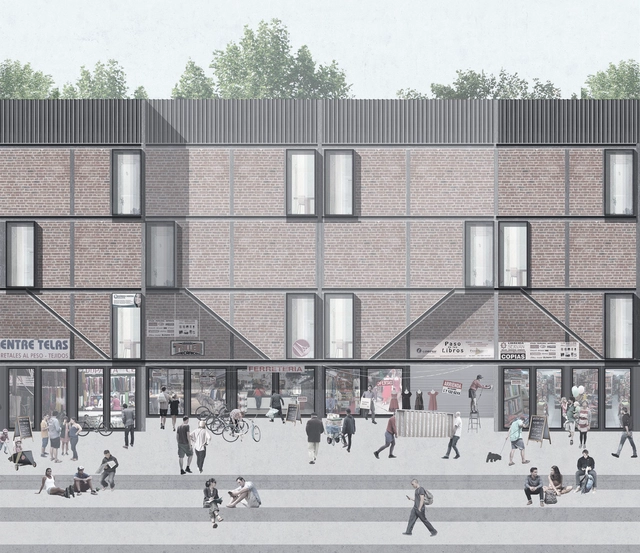
Vivienda de uso mixto / Andrea Fuentes Núñez. Image Cortesía de Archiprix
On Tuesday, April 23, Archiprix Chile 2019 announced the winners of this year's edition at the Centro Cultural Estación Mapocho, honoring the thesis projects of young Chilean architects with three top prizes and three honorable mentions. The award ceremony was preceded by a lecture by Martín del Solar, co-founder of Grupo Talca, a Chilean practice featured in the 2016 Venice Biennale.
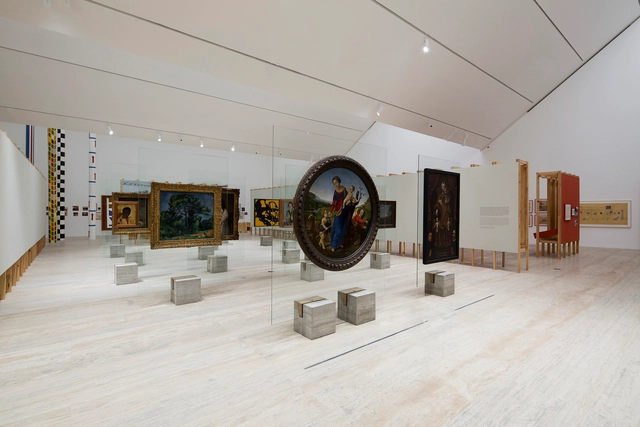
Lina Bo Bardi: Habitat is an exhibition that explores the life, work, and legacy of the Italian-Brazilian architect, designer, curator, museum director, writer, editor, and set designer. Bo Bardi broke down the hierarchies between the arts and shaped a new language for the Modern Movement, adding her own radical vision rooted in Brazilian culture.
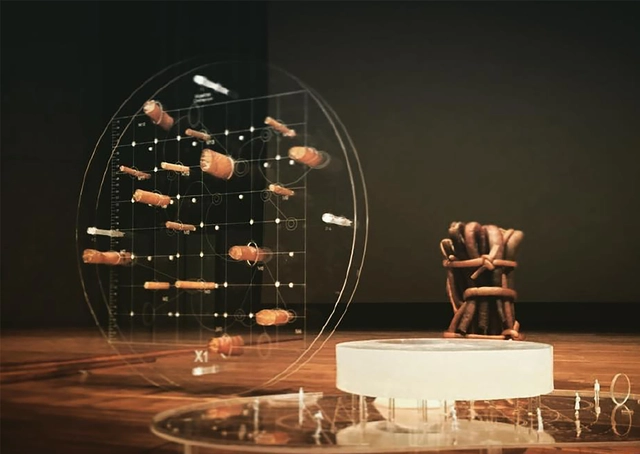
It is inspiring to learn about new architectural practices innovating with natural materials. Chilean architect Domingo Arancibia is the founder of NORMAL, an architecture office characterized by conducting interdisciplinary regional studies that allow them to experiment with local materials and apply them to construction systems.
Based in Chile, a country with more than 6,400 kilometers of Pacific coastline, the studio has spent over two years researching the properties of cochayuyo—a unique seaweed found along the country's coast—and exploring how it can be used in architectural projects.
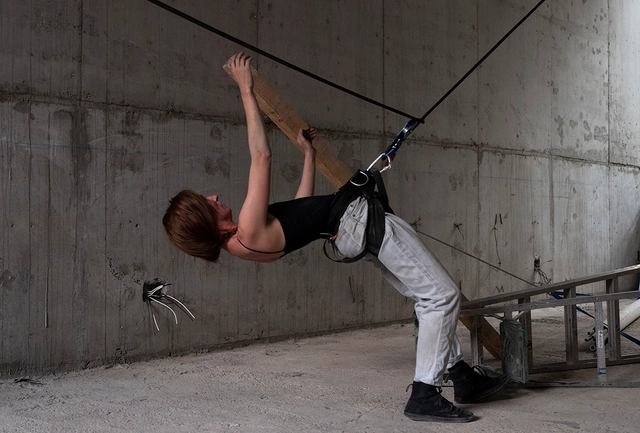
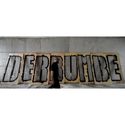
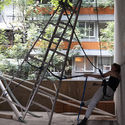
Obra en Obra is a multidisciplinary project led by architects, whose work focuses on experimenting in different ways with the built architectural object, as well as its processes and spaces, through the intersection of architecture with other disciplines such as dance and the visual arts. Conceived as a private, citizen-led, and professional non-profit initiative, Obra en Obra operates in partnership with various firms, conceiving architecture through the senses and experience—a perspective that arises from reversing processes and exposing confrontations.
Primer Premio - Perspectiva frontal. Image Cortesía de Arq. Sebastian Stechina, Carlos Di Napoli, Andrés Francesconi, Ignacio Caron y Ezequiel Paira
The winners of the preliminary design competition for the office building of the Instituto Autárquico Provincial del Seguro de Entre Ríos (IAPSER) have been announced. The call for proposals encouraged reflection on corporate architecture, asking participants to develop an institutional office building that would perform its function efficiently while also serving as a landmark representing the company's identity and spirit.


.jpg?1573169711 "Cortesía de Premio Obras CEMEX")

















.jpg?1551453530 "The palanquin-chair of the character Guardia Ramón in Kópera. Image © Kópera")