The notion of authenticity is inseparable from theoretical discussions and actions in the field of Conservation and Restoration, and is directly related to the perception of values associated with a given cultural asset—whether tangible or intangible. Authenticity constitutes a foundational and structuring principle of the ethics that sustain and align criteria, concepts, and justifications within the realm of preservation. Like any process of cultural construction, authenticity cannot be understood or defined in absolute, pre-established terms, and its recognition is intrinsically linked to the context to which it refers—at a given time and in a given place.
The first episode of the ARQ.DOC documentary series, recently released on YouTube, explores the theme of "new aluminum" in architecture and design. Aiming to discover the stories behind architectural projects and urban interventions, the series' first season will feature 11 episodes where, alongside investigating specific themes, the producers turn their attention to the regional diversity of Brazilian architecture.
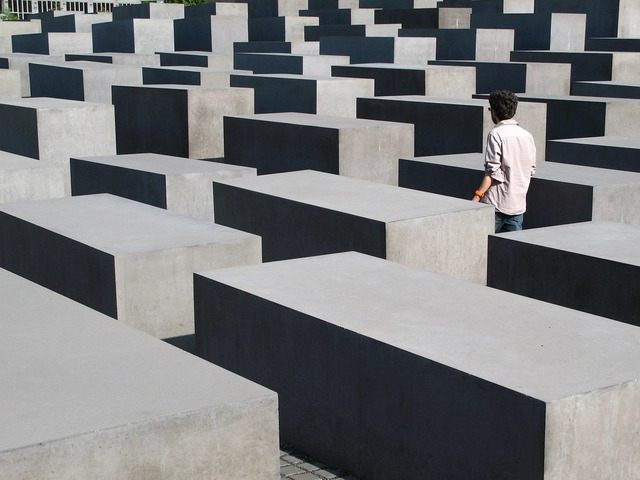
Memorial to the Murdered Jews of Europe. Photo: paula soler-moya, via Flickr. License CC BY-NC-ND 2.0
The steady escalation of complexity attributed to architecture and other fields of art over the past century—driven by a long process of disciplinary redefinition since the Modern era, coupled with an effervescence of experimentation and hybridization—has fostered the creation of innovative solutions designed for the human environment, while simultaneously giving rise to new challenges of categorization.
The curatorial proposal of the 12th São Paulo International Architecture Biennial, under the title Everyday (Todo Dia), aims to highlight the central role of the everyday – the most trivial dimension of reality – in 21st-century architecture and urbanism. “The discreet power of the everyday lies in its ability to translate the way we inhabit, use natural resources, and maintain space into common practices that make design relevant and a shared concern,” state the curators of this edition, Ciro Miguel, Charlotte Malterre-Barthes, and Vanessa Grossman.
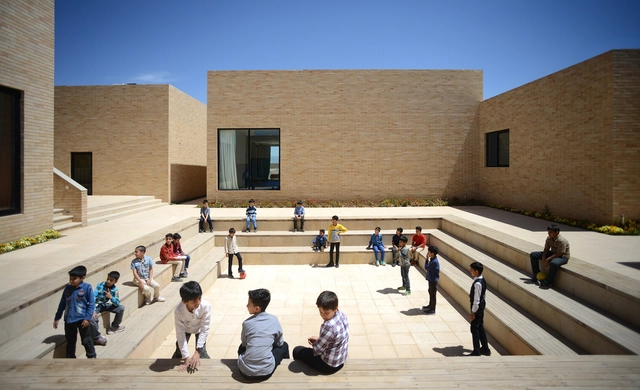
The design of educational spaces is perhaps one of the most compelling areas of architecture. It is also one of the fields in greatest need of development. Designing a school goes far beyond sizing classrooms and administrative areas; it involves conceiving spaces for gathering and exchange, connecting (or separating) specific areas, defining lighting and ventilation strategies, and studying color theory, to name just a few of the complexities involved.
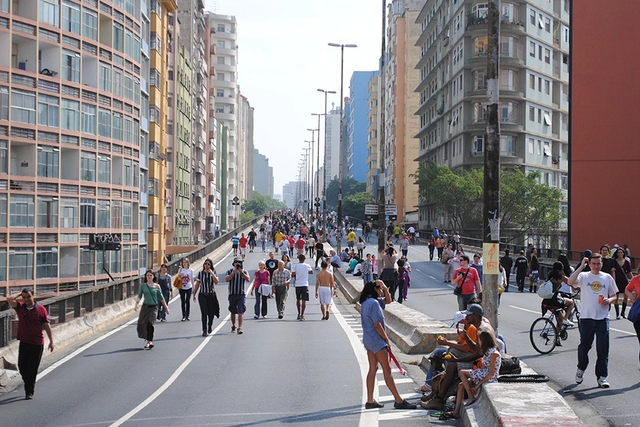
Gentrification has been one of the main points of debate regarding the project that aims to transform the Minhocão into a linear park. Image: Felipe Rodrigues
Urban transformation and development processes can often lead to side effects or unintended consequences when these movements are organic and unplanned. These outcomes are not always positive and can trigger phenomena like gentrification, which can become a major social problem, directly impacting low-income populations. Nonetheless, it is also clear that certain transformations typically associated with this phenomenon can bring improvements and reactivate underutilized spaces in urban centers; the threshold between this scenario as a virtue or a detriment remains a subject of ongoing debate among architects and urban planners.
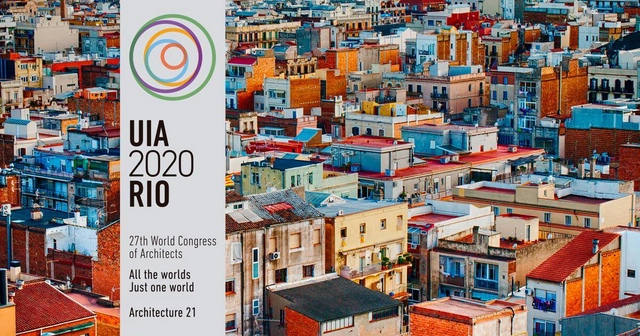
Architecture and Urbanism students and faculty from across the country will have a unique opportunity to present their work to professionals from around the world during the 27th World Congress of Architects, UIA2020RIO, which takes place in Rio de Janeiro from July 19 to 23 next year. This opportunity is part of the National Exhibition and Award “All the worlds. Just one world. Architecture 21”, whose open call is now available.
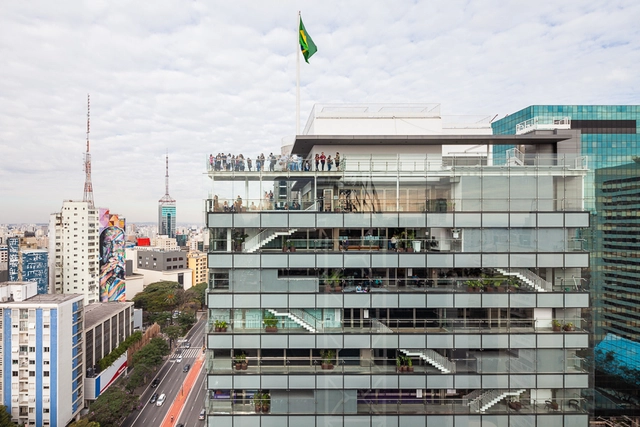
The Rio de Janeiro Department of the Institute of Architects of Brazil (IAB-RJ) announced on December 14 the winners of the 56th Annual Awards and the 35th Architect of Tomorrow Award. The announcement took place at the Casa do Arquiteto Oscar Niemeyer, IAB-RJ's headquarters in Flamengo, accompanied by an exhibition of all competing entries. The jury unanimously decided to award the 2018 IAB/RJ Grand Prize to the Aruá Building, by FGMF Arquitetos.
Aiming to value the practice and intellectual production of architects and urban planners, as well as academic work produced in architecture courses, the 35th Architect of Tomorrow Award was open to recent graduates and students enrolled from the 5th semester onward. Interested students could submit proposals produced as mandatory coursework during the second academic semester of 2017 and the first academic semester of 2018, either individually or in teams, with up to one submission per category across the nine categories established by IAB-RJ. In the 2018 edition, nine categories were available: building architecture; cultural facility architecture; cultural heritage, restoration, and adaptive reuse; technology and innovation in architecture; theoretical production; urbanism and landscaping; social housing; and metropolitan impact.
Below is the list of winners and honorable mentions for both awards.
Paraisópolis. Credit: Fernando Stankuns on Visual Hunt / CC BY-NC-SA
In 2018, anyone who passed by an empty lot in the heart of Paraisópolis—São Paulo's second-largest community—on Mondays and Thursdays encountered children with dirt-dusted knees, playing with objects like tires, paper boats, and twigs in endless games. This was the Brincreto project, an initiative by the Coletivo LUB – Laboratório de Urbano de Brincadeiras.
Rosa Grena Kliass, the grand dame of Brazilian landscape architecture, received the IAB Golden Collar today in a ceremony held as part of the opening of the 12th São Paulo International Architecture Biennial. Kliass is the first woman to receive the honor, which since 1967 has recognized names such as Vilanova Artigas, Oscar Niemeyer, and Roberto Burle Marx.
In a recent analytical exercise, we examined the main narratives surrounding Brazilian inequality for an internal training program at the Pólis Institute. It came as no surprise that income occupies the center of the debate, whether in media outlets or academic studies. Our goal with this study was to understand how the Right to the City [1] can contribute to analyses of inequalities and serve as a tool of struggle to close the gap between citizens.
https://www.archdaily.com/1121448/a-gauge-of-inequality-november-20-can-also-displace-youFelipe Moreira e Jéssica Tavares
Música para volar is the winning project of the “Micro Urban Architecture – Caminito” experience, a joint exercise conducted by the School of Architecture, Urbanism, and Design at the National University of Córdoba, Buenos Aires (Cátedra Equipamiento A, FAUD UNC) and the Politecnico di Milano.
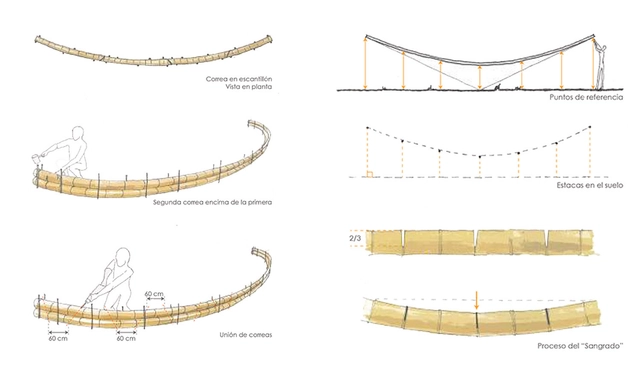
Bamboo is a building material that has been used since antiquity in various structures. It has proven its superiority over modern materials like plastic and steel thanks to its countless benefits, not to mention an incomparable aesthetic appeal that has positioned it as one of today's major architectural trends.
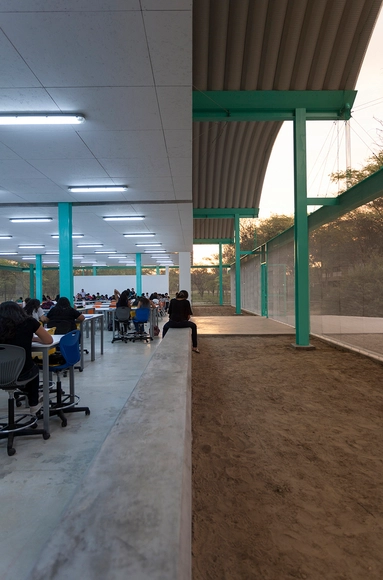
In this context, the urban landscape of many Peruvian towns is likely to benefit from facilities that, for many small cities, could well become iconic and even transformative elements within their urban or semi-urban environments. The precedent for this process lies in the Grandes Unidades Escolares (Large School Units) built during the Odría administration—so iconic for their rationalist architecture and masterfully executed in Lima by Alberto Jimeno. Another precedent, albeit a less fortunate one, is found in the school facilities built across many parts of the country in the 1990s. These featured an often-altered modularity and forms—accentuated by plaster and paint—that were identically recognizable in any region, as if completely disregarding the geographical and cultural specificities of Peru's diverse territory.
Developed by Tecno Fast and designed as part of a collaborative, sustainable tourist accommodation community, the Tiny Cabins designed by Chilean architects Mathias Klotz and Felipe Assadi measure 24.5 square meters and weigh approximately 5 tons, incorporating at least one bedroom, a kitchen, a bathroom, and storage space.
The cabin designed by Felipe Assadi sleeps up to four people and centers its layout on the bedroom, positioning the bed to face a large picture window, while incorporating two nautical-style bunk beds and a rooftop deck. Mathias Klotz's cabin is designed for three people, prioritizing the living room and connecting it with both the kitchen and the outdoors.
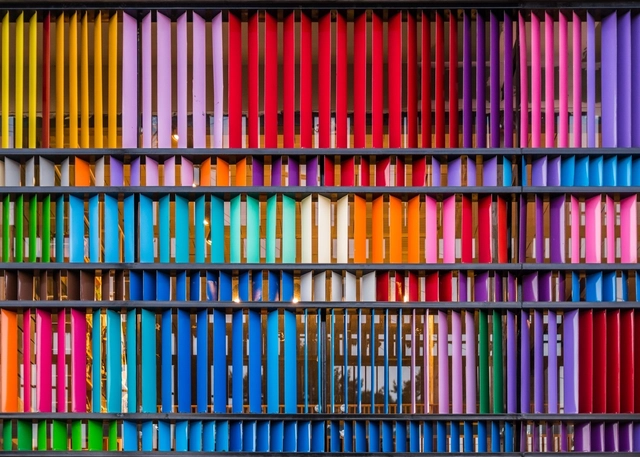
It is said that when Le Corbusier arrived in Greece, he was struck by its architecture—the Hellenistic temples, their regulating system of proportions, and their monochromia. Many of these elements went on to influence his work. What would have surprised the architect, however, is that Greek temples were actually not monochromatic; in fact, they were far from it. Blue, red, green, and even gold: these were the vibrant colors that enveloped Greek buildings. Friezes, pediments, colonnades, and even sculptures—every inch was coated in color derived from pigments. The passage of time, wars, exposure to the sun, rain, and wind, along with the perishable nature of the pigments, caused the surfaces to fade, leaving the cold marble exposed.
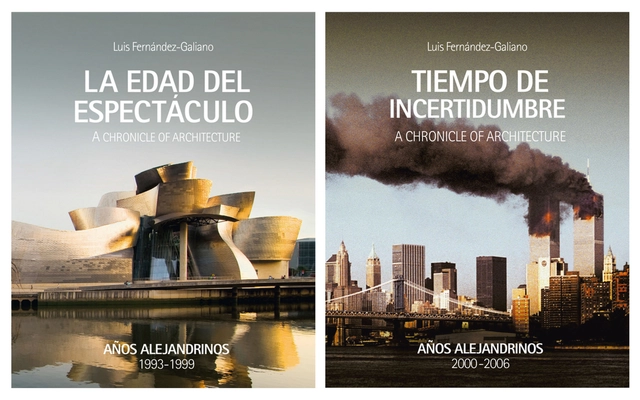
On Tuesday, February 19, the book ‘Años alejandrinos’ was presented at the Ivorypress Gallery in Madrid. Luis Fernández-Galiano, the author, presented the work accompanied by two Pritzker laureates: Rafael Moneo on one side, and Norman Foster on the other. “It is very difficult to find a critic with Luis’s background,” noted Moneo, while Foster shared an anecdote about how he insists his children read the work of the Calatayud-born critic.
The "Single-Family Housing" Architectural Design Workshop, organized by the architecture firm Cota Paredes Arquitectos, concluded its eighth edition. The program invited graduate architects and final-year architecture students to develop a Single-Family Housing Project over four weeks, in either in-person or online formats.
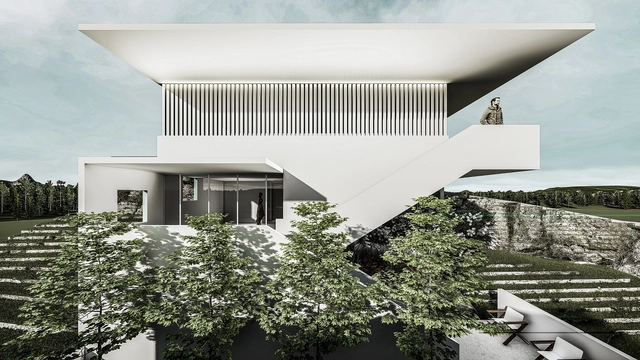
The project is located in San Luis Potosí, on the highest part of the mountains on the city's outskirts, on a plot with a 12-meter slope overlooking the city and a golf course. Students were tasked with designing a single-family home for four residents that would meet their needs for the next twenty years while responding to the rugged topography.
https://www.archdaily.com/1120392/results-of-the-eighth-single-family-residence-architectural-design-workshop-by-cota-paredes-arquitectosArchDaily Team
Aiming to internationalize emerging architectural production in Latin America, the Latin American Architecture Biennale (BAL 2019) has announced the practices selected to participate in the next edition of the event, which will take place in September 2019 in Pamplona, Spain.
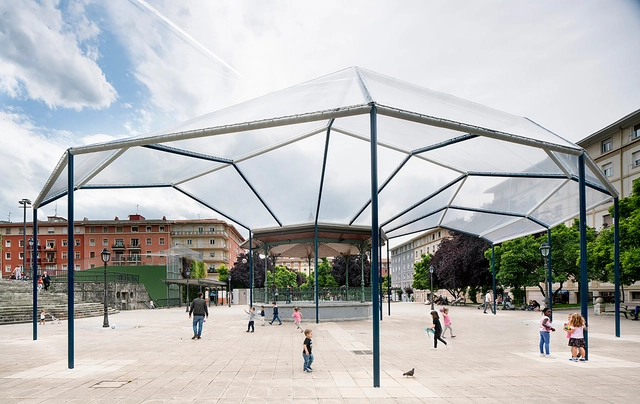
Located in the historic neighborhood of San Ignacio in the city of Bilbao, Spain, Levante Square is a prominent gathering point for residents and visitors alike. To address the lack of covered spaces protecting from the heavy rain, Spanish architecture office CANOBARDIN has designed a solution for users: a concentric structure titled "A Piece of Sky in Levante Square" that allows people to inhabit the public space and find shelter without losing touch with their surroundings, acting as a piece of the sky by day and a reflection of the square by night.
Chilean architect and urbanist Germán Bannen, known for prominent projects in the municipality of Providencia such as the Parque de las Esculturas, Plaza Pedro de Valdivia, and the Plaza Bustamante Literary Café, passed away today at the age of 91, according to close sources.
Cortesía de Archivo Wiliams, Director Claudio Williams
Pavilions have been a key typology in architectural history. Their flexibility and ephemeral nature have allowed architects to unleash their imagination, breaking away from established canons. Each generation has taken the baton, pushing boundaries even further. From demountable structures to spaces that foster a democratic spirit, we look back at the history of Argentine pavilions and reflect on their importance.


_sel_-_destaque.jpg?1547123735&format=webp&width=640&height=580)
.jpg?1548078349&format=webp&width=640&height=580)