One of the most influential contemporary artists, American sculptor Richard Serra will have their first public artwork in Latin America installed in São Paulo. The headquarters of the Instituto Moreira Salles on Avenida Paulista will permanently house the sculpture Echo, created specifically for the cultural center, which will be open to the public free of charge starting next Saturday in the institute's outdoor garden.
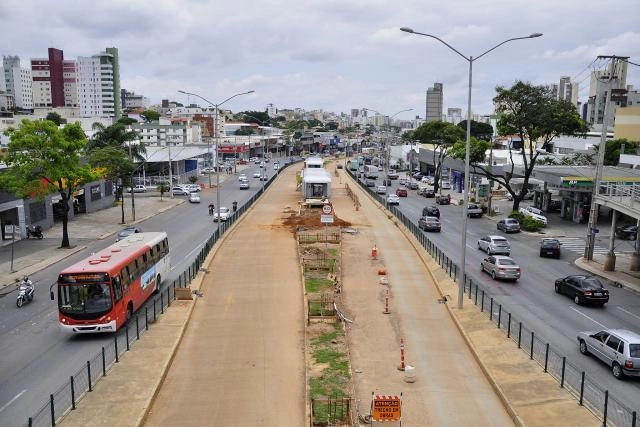
Accessibility is still a challenge for Belo Horizonte's BRT. In the image, the system is still under construction. Photo: Mariana Gil/WRI Brasil
Improving public transit requires close attention not only to vehicles and routes, but to how people access and exit them. All too often, urban planning fails to account for the diverse needs of all individuals and how they navigate a transit system.
https://www.archdaily.com/1121928/a-section-of-belo-horizontes-brt-highlights-the-importance-of-accessibilityPaula Manoela dos Santos
Portuguese architect Eduardo Souto de Moura was recognized this week with the 2019 Arnold W. Brunner Memorial Prize, an award presented annually by the American Academy of Arts and Letters to an architect of any nationality who has made significant contributions to "architecture as an art."
The Bahia Department of the Institute of Architects of Brazil has launched the IAB BA 2019 Awards, aimed at identifying, recognizing, and promoting the intellectual and professional work of architects and urban planners active in the state of Bahia. This year, there are 12 categories open for submissions, including Interior Architecture, Restoration and Rehabilitation of Built Heritage, Photography of Architectural Objects or Urban Spaces, and Design.
Reflecting on the everyday. This is the premise of the 12th São Paulo International Architecture Biennial, which opens this September in the capital. Under the theme “Everyday” (“Todo dia”), the biennial aims to address the “most trivial dimension of reality,” shedding light on the production of ordinary, common space—which is, for this very reason, fundamental to the quality of the environment we inhabit daily. Curators Vanessa Grossman and Ciro Miguel join us for a conversation about this key event, which plays a crucial role in bridging academic research, architectural practice, and society at large.
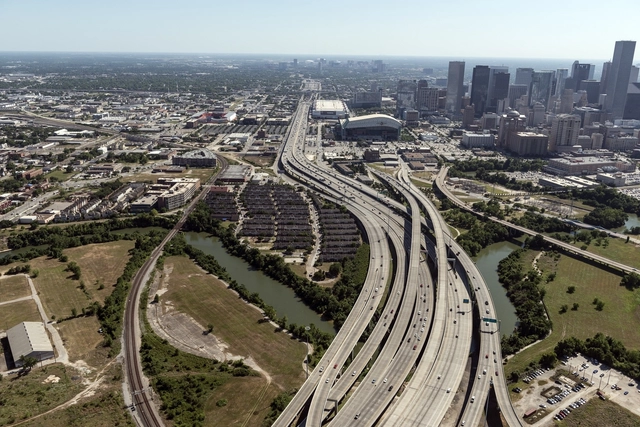
Aerial view of Houston. Courtesy of Caos Planejado
While conventional American urbanism is known to drive excessive sprawl, it is worth remembering that, ultimately, the true extent of a city's horizontal expansion lies far beyond the reach of urban planning controls.
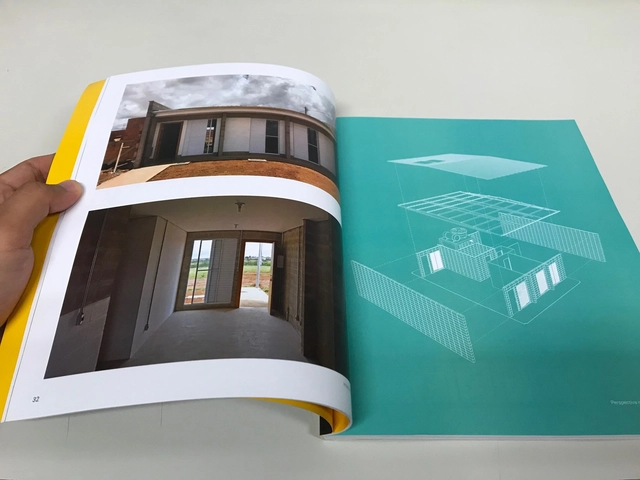
A team of professionals from the Housing Company of the Federal District (CODHAB/DF) has launched a crowdfunding campaign for the publication series “Experiências em Arquitetura Social” (Experiences in Social Architecture). The books compile architecture and urban planning projects designed to improve the quality of housing design and construction in the Federal District.
In architectural discourse, much is discussed regarding the influence of the site where a building is situated, whether through the incorporation of surrounding elements during the design process, or through the negation or overcoming of its undesirable characteristics. Some situations make this negotiation more evident than others, especially when the natural environment is dominant. In these cases, one constantly observes the tension between natural preexistence and human intervention, as well as the possible ways to achieve harmony between the two.
Once subjugated by outlaw armed groups and devastated by the largest urban military operation in Colombia's history, the Las Independencias neighborhood, located in Medellín's Comuna 13, is today an open-air graffiti gallery of sorts, accessed via a system of electric escalators—the only ones in the world built in an informal settlement.
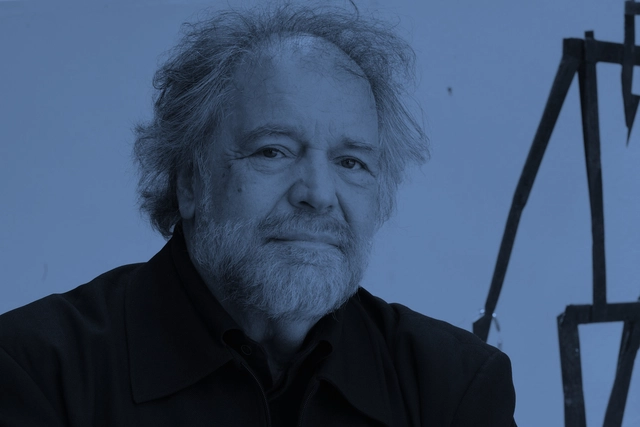
This week's Arquicast Entrevista features the work of an internationally recognized architect from Minas Gerais. A 1973 graduate of the School of Architecture at the Federal University of Minas Gerais (UFMG), Gustavo Penna founded his firm, GPA&A, that same year. Since then, the practice has been based in a century-old mansion in downtown Belo Horizonte. Penna has won numerous international awards, and his work has been exhibited in Brazil and around the world, including at the São Paulo Architecture Biennale, the Venice Biennale, the World Triennial of Architecture in Belgrade, and the Institut Français d’Architecture in Paris.
Eletrodutos para distribuição da rede elétrica aparente. Aplicação de papel de parede. Projeto: Apartamento 203. Image Cortesia de Apartamento 203
Also known as "dry construction," this concept is increasingly used in interior renovations. These simple solutions transform the essence of indoor spaces in a more economical and sustainable way by minimizing construction waste and, consequently, reducing the waste of money, time, and raw materials. In this guide, we have gathered 8 tips to help you design more mindful interior renovations.
Today, computer-aided design (CAD) is the most widely used system for producing technical drawings among construction professionals and academics. It became popular through AutoCAD (Autodesk) by representing geometries that translated design intent into two dimensions. Released in the 1980s, it remains highly relevant and is still used by large corporations, extending its utility through the tradition it has built over four decades in the market.
Since the 1970s, architecture has sought connections with other fields of art, looking for inspiration to break with the paradigms of the time in sculpture and painting, as well as in music and literature. In schools and professional practice, architectural projects were developed based on the study of "paintings by Vermeer, as well as those of the Cubists, the music of Bach, as well as Meredith Monk, literary fragments by Heraclitus, as well as Herman Melville's Moby-Dick and James Joyce's Finnegans Wake."[1]
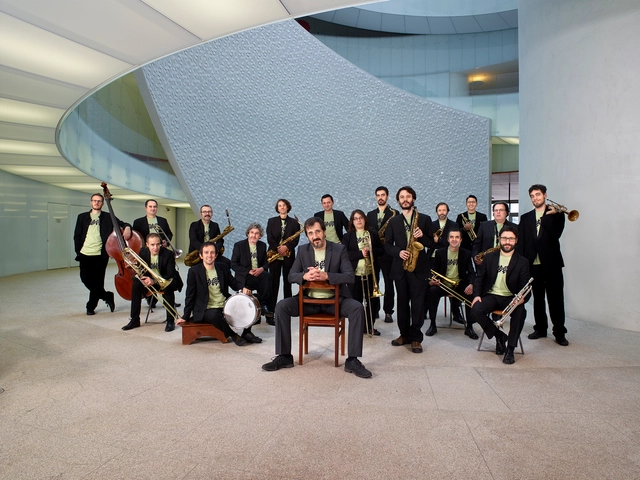
Matosinhos Jazz Orchestra. Image: Courtesy of Orquestra Jazz Matosinhos
At Casa da Arquitectura, the sounds of Brazil are heard every day at the exhibition “Infinito Vão – 90 Years of Brazilian Architecture,” but in April, this intersection of music and architecture will be further strengthened. Zuza Homem de Mello—a leading figure of jazz in Brazil, musicologist, journalist, radio host, and music producer—is the central figure of this programming, which includes the Illustrated and Musical Lecture “90 Years of Brazilian Song – 1928 to 2018,” the concert “Brazilian Music, Portuguese Musicians,” the presentation and screening of the documentary “Zuza Homem de Jazz,” and a poetic performance inspired by Clarice Lispector starring actress Camila Pitanga.
The competition challenged participants to design a kindergarten that could serve as many children as possible, aged 2 to 5, in an underprivileged neighborhood of Santa Cruz de la Sierra, Bolivia, as part of a charitable initiative organized by Teto and Archsharing.
Brazil's recent political and social crisis—exemplified by the results of the latest election—is concerning and has been undermining citizens' trust in the decision-making processes that affect our lives and cities. One of the reasons for this is the absence of public spaces where people of different social classes, races, ethnicities, perspectives, and worldviews can meet, exchange, and represent who they are.
Public spaces are fundamental to democracy and citizenship. Modern planning and unequal urban development have led Brasília to become a segregated, fragmented, and deeply unequal city. The deteriorated public sphere and the resulting individualization of lifestyles worsen the situation, leaving us increasingly disconnected, intolerant, and civically disengaged.
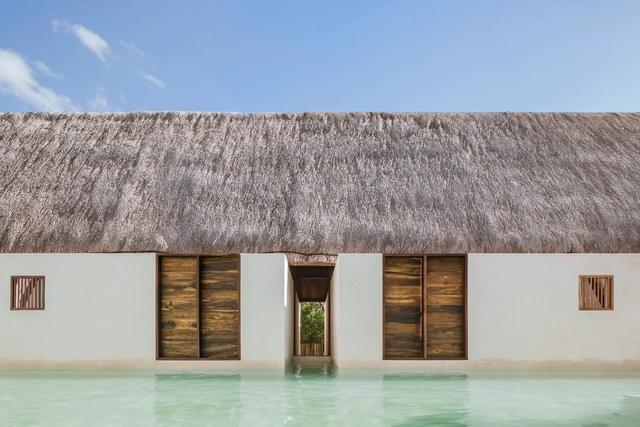
Much like stone, wood, and other natural materials, straw and thatch have been used as building resources since the dawn of human history. However, with the advent of new technologies like concrete, and the concept of *Progress* driven by the Industrial Revolution—and subsequently by the rise of steel—many traditional materials fell out of favor, widely replaced by modern alternatives.
The School of Architecture and Urbanism of the Federal University of Juiz de Fora (UFJF) has announced the results of the national competition for its new headquarters building. The winning team consists of architects Bruno Eduardo Nakaguma Gondo, Carlos Eduardo Murgel Miller, Eduardo Saguas Miller, and Felipe Fuchs, from São Paulo.
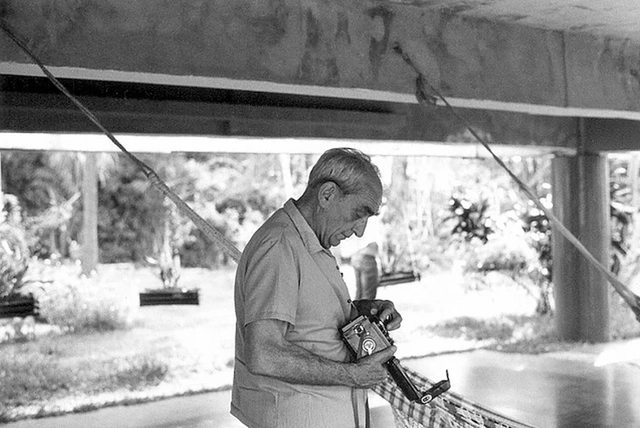
Flávio de Carvalho, publicity photo. Image via Arquivo.Arq
Flávio de Carvalho was a modern Brazilian architect recognized worldwide for his innovative and provocative way of showcasing his worldview through art. Discover some of his artistic expressions below.
Marking the centennial of its founding, Arquicast #72 discusses the Bauhaus School and its influence on shaping a generation of architects, as well as its impact on the structuring of architectural and urban planning education in various programs worldwide. We invited architect Caio Dias, from Portal Projetar, and architect and ArchDaily editor Romullo Barato for an informal yet informative conversation that delves into the history of the school, its founders, and the broader context that continuously shaped the institution's trajectory.
Brazil's most famous architect, Oscar Niemeyer, kept his office active until his death in 2012 at the age of 104. One of the last projects he designed is nearing completion in Leipzig, Germany. The project is a 12-meter-diameter sphere embedded in the corner of a 19th-century brick building, which will house a cafe and bar for employees of the HeiterBlick and Kirow Ardelt AG railway companies.
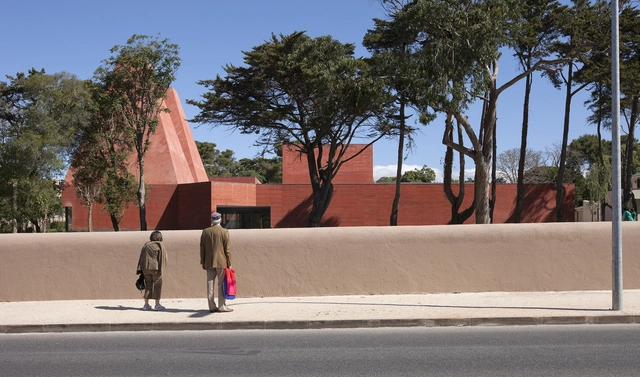
Centro Paula Rego. Image Cortesia de Casa da Arquitectura
In October, the Casa da Arquitectura – Portuguese Centre for Architecture will open the exhibition “Souto de Moura – Memory, Projects, Works,” which will remain on display until September 2020. Curated by Francesco Dal Co and Nuno Graça Moura, the exhibition offers a unique and rare monographic reading of the work of one of Portugal's most prestigious architects.
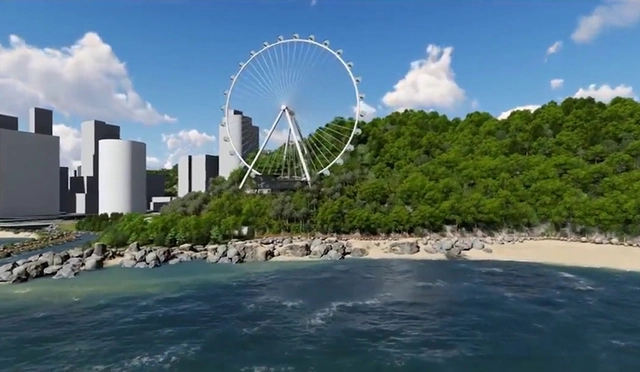
The proposal to build South America's largest Ferris wheel in Balneário Camboriú (SC) underwent another public hearing this Monday (11)—this time to present the project's Neighborhood Impact Assessment (EIV), which plans for a 57,200-square-meter complex in the Praia do Coco area.
.jpg?1555600350&format=webp&width=640&height=580)
.jpg?1572356608&format=webp&width=640&height=580)

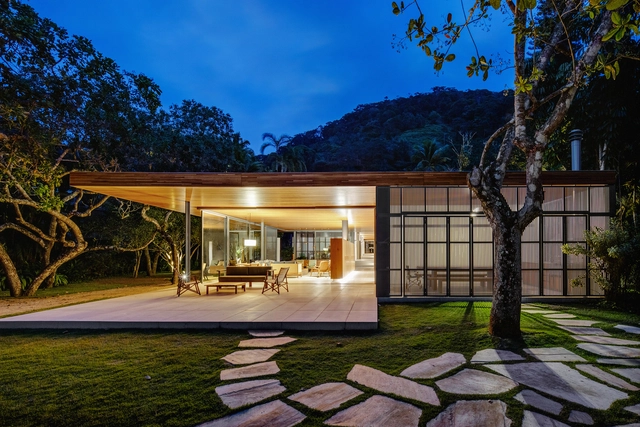
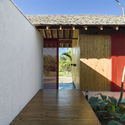
.jpg?1562845563 "House in Prumirim Beach / brro arquitetos. Image: © André Scarpa")
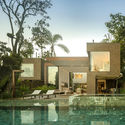
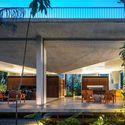


.jpg?1562087791&format=webp&width=640&height=580)
.jpg?1561993576 "Aplicação de revestimento sobre revestimento. DEPOIS da Reforma de Banheiro em parceria com a Leroy Merlin Brasil. Projeto: Apartamento 203. Image Cortesia de Apartamento 203")
.jpg?1561992294 "Aplicação de papel de parede. Elétrica projeta com distribuição da rede elétrica aparente. Projeto: Apartamento 203. Image Cortesia de Apartamento 203")
.jpg?1561992738 "DEPOIS da Reforma de Banheiro em parceria com a Leroy Merlin Brasil. Projeto: Apartamento 203. Image Cortesia de Apartamento 203")

.jpg?1562087791)

.jpg?1564667184&format=webp&width=640&height=580)

.jpg?1559312649&format=webp&width=640&height=580)