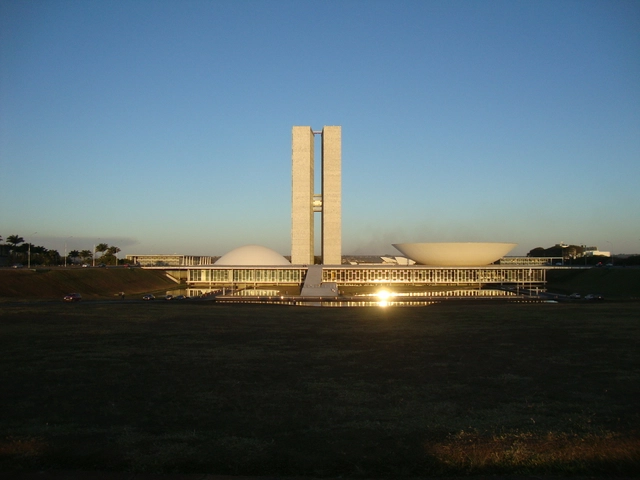
Brasília has always been a subject of interest for architects worldwide. Proof of this is the vast volume of literature published on Brazil's new capital over the nearly six decades since its inauguration.
Regarding Brasília, several questions emerge[1]: Who spoke about the city? Who criticized its construction? How did Brazilians interpret the idea of a new capital? Surveying those who participated in these debates helps clarify the “state of the art” of architectural interpretation in Brazil. Looking ahead, this historiographical perspective aims to raise new questions and foster a critical stance toward the most common readings of Brazilian modern architecture.
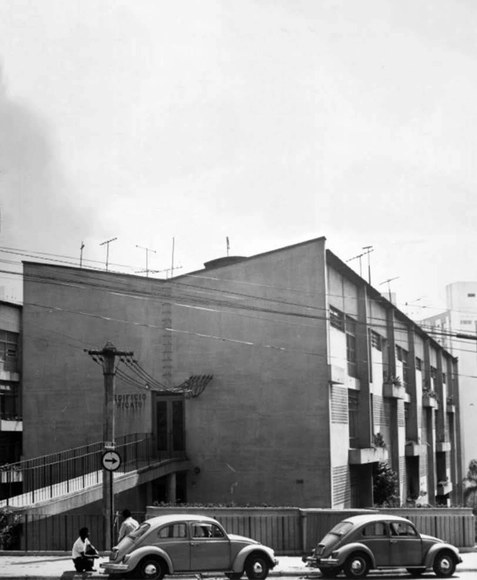
REGINO, A.; PERRONE, R. Eduardo Augusto Kneese de Mello: sua contribuição para habitação coletiva em São Paulo. Risco: Revista de Pesquisa em Arquitetura e Urbanismo (Online), n. 9, p. 56-97, 1 jan. 2009 - Editada.. Image Cortesia de PC3 - Pensamento Crítico e Cidade Contemporânea
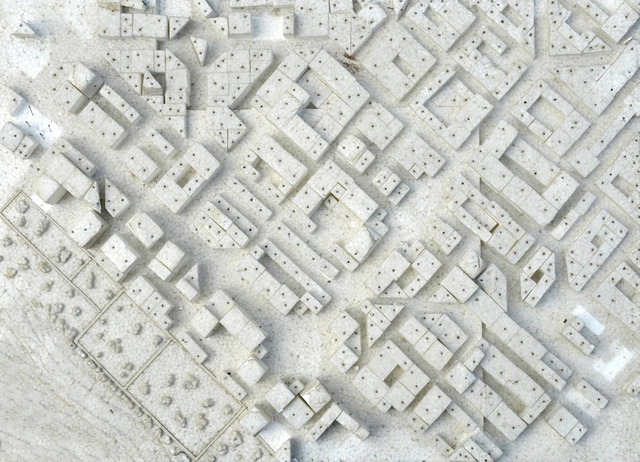
Conceived as a large-scale residential development in an expansion zone of São Paulo, the Jardim Ana Rosa Residential Complex began its subdivision design in 1950, in the Vila Mariana neighborhood, facing Largo Ana Rosa. The development, carried out by the Banco Hipotecário Lar Brasileiro, featured the participation of several prominent São Paulo architects of the time, such as Abelardo de Souza, Plínio Croce, Roberto Aflalo, and Salvador Cândia. In its initial version, the project planned for a few buildings bordering Vergueiro Avenue, with most of the area designated for single-family homes.
https://www.archdaily.com/1122290/rationality-of-modulation-and-repetition-in-housing-design-guarapira-and-hicatu-buildingsPC3 - Pensamento Crítico e Cidade Contemporânea
Pacaembu Stadium. Photo: Wally Gobetz, via Flickr. CC BY-NC-ND 2.0 License
On Monday, September 16, the São Paulo City Hall signed the concession of the Pacaembu Stadium to the Patrimônio SP consortium, comprising the engineering firm Progen and the investment fund Savona. The stadium will undergo renovations and is expected to remain closed to the public for the next two years.
The work of the Catalan firm Barozzi Veiga is explored through the tension between tradition and invention in architecture in this article by João Paulo Rapagão, published in partnership with AMAG.
https://www.archdaily.com/1122258/evoking-quatremere-de-quincy-between-tradition-and-the-invention-of-architectureJoão Paulo Rapagão
Immaterial Heritage is a concept adopted in many countries and international forums as complementary to the concept of tangible heritage in the formulation and implementation of policies to protect and safeguard cultural heritage, from an anthropological and relativistic perspective of culture. Intangible heritage is also used as a synonymous term to designate the symbolic references of the sociocultural processes of invention, transmission, and continuous practice of traditions that are fundamental to the identities of groups, social segments, communities, peoples, and nations.
The city in the construction of the environment: "A place for strangers" or a place that only ceases to be neutral and abstract when painted by each of us? Image by Paulo Pacheco
There is perhaps no concept so generic and comprehensive, yet at once so impersonal and difficult to reach consensus on, as that of the environment (focusing on the United Nations Conference's own definition of environment—the environment as the set of physical, chemical, biological, and social components capable of causing direct or indirect effects, in the short or long term, on living beings and human activities—we immediately find that establishing a stable, common, and assertive conceptual foundation is highly difficult to achieve, let alone universally recognize...)
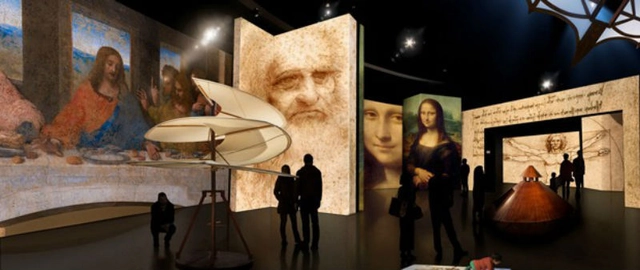
"Leonardo da Vinci - 500 Years" exhibition. Image courtesy of Canada Science and Technology Museum
The new space of São Paulo's Museum of Image and Sound (MIS) will open its doors with an exhibition on Leonardo da Vinci. Scheduled for October of this year, the opening of the museum's new branch, located in the Água Branca neighborhood in São Paulo's west zone, will host the exhibition Leonardo da Vinci – 500 Years.
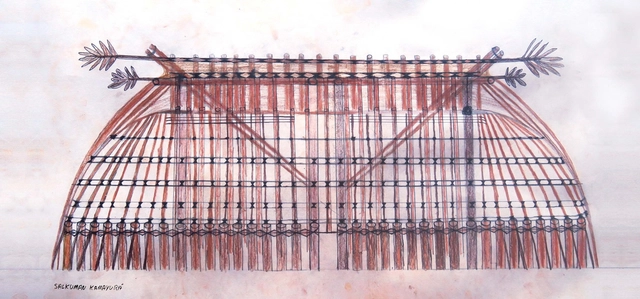
In July 2019, the habita-cidade Platform [1] organized the "Ways of Dwelling: Traditional Architectures" Travel-Workshop, which brought students and professors to the Ypawu Village in Kamayurá territory, in the Upper Xingu. The general objective of the "Ways of Dwelling" Travel-Workshops is to foster constructive reflection on the diverse forms of human habitat across the planet. This year, responding to a request from Kamayurá master builders to produce a manual on local architecture, the Travel-Workshop was designed so that the visiting group could support this important endeavor. The idea for the Kamayurá Architecture Manual was first proposed by Kanawayuri L. Marcello Kamaiurá (a local leader) to architect Clarissa Morgenroth (a graduate of Escola da Cidade) and theater director Cibele Forjaz. Escola da Cidade was then invited to join the project, which was taken on by the habita-cidade Platform, an initiative linked to the *lato sensu* postgraduate program "Housing and City."
https://www.archdaily.com/1122239/kamayura-architecture-manualLuis Octavio de Faria e Silva
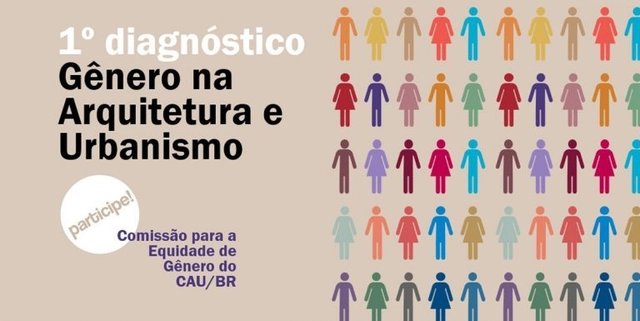
The Council of Architecture and Urbanism of Brazil, through its Commission for Gender Equity (CTEG), has launched a public survey to collectively build a women's agenda aimed at overcoming challenges in the practice of architecture and urbanism.
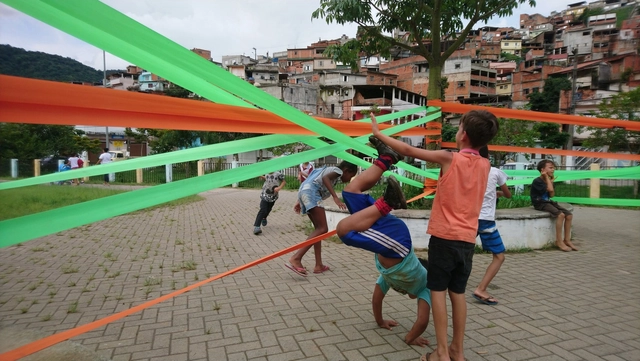
Cortesia de Marcella Arruda / A Cidade Precisa de Você
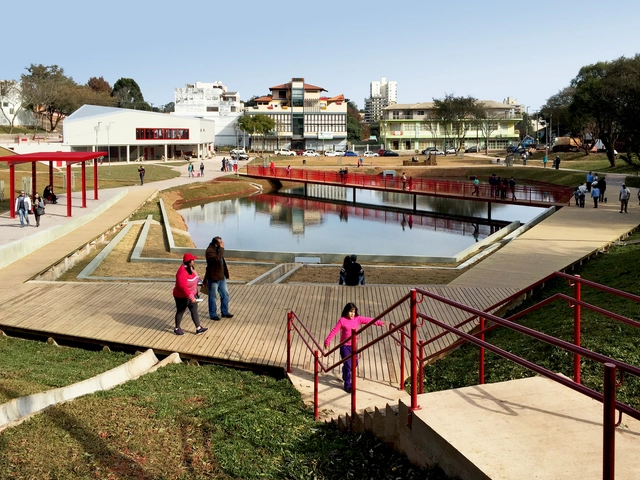
Over the next 20 years, 45% of urban land should consist of public spaces (streets, parks, and plazas), according to UN-Habitat. What will be the quality of these spaces? Which stakeholders will assume responsibility for their management? The movement to reclaim public spaces by city dwellers is gaining momentum both in Brazil and globally. The right to the city is at the forefront of urban discourse, and at its core, many citizens are committing to actively participate in decisions regarding their cities, or even in everyday initiatives to improve public spaces.
In the 21st century, smart city management will be one of the most influential factors in economic development. Addressing challenges in housing, sanitation, democracy, education, safety, economic development, and quality of life will be at the forefront of the agenda for city leaders.
https://www.archdaily.com/1122274/urban-planning-and-public-spaces-parks-as-tools-for-social-transformationAna Paula Wickert
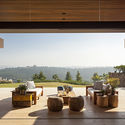
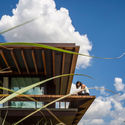
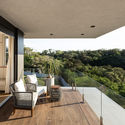
The veranda is one of the architectural elements that most powerfully fosters the connection between interior and exterior spaces. Its precise origins are difficult to pinpoint, as it can be found in vernacular architecture across the East, the Arab world, Europe, and, with particular prominence, Brazil.
The Projetar.org portal has released the results of its 30th competition, which challenged participants to design a Bauhaus campus in Brazil. The project would be located next to the Museum of Modern Art in Rio de Janeiro, where Max Bill envisioned one of Brazil's first design schools, based on the principles of the Bauhaus and its German successor, the Ulm School.
Image: Ivo Gonçalves – Prefeitura de Porto Alegre/Flickr, license CC BY-NC-SA 2.0
The Master Plan is the basic instrument for defining a municipality's development model. It establishes guidelines and strategies for executing plans, programs, and projects, seeking to emphasize public participation as well as economic, social, and environmental sustainability. Yet, its influence on the city goes far beyond what is commonly imagined: it ultimately dictates the volume and form of every new building.
Construction of the Comandante Ferraz Antarctic Station, the Brazilian Navy's research base in Antarctica, is complete after three years of work on the planet's most extreme continent. A masterpiece of architecture and engineering, the facility features 700 tons of steel structures, an aerodynamic shape to withstand winds of up to 200 km/h, and a stilted base to prevent winter snow accumulation from reaching the building.
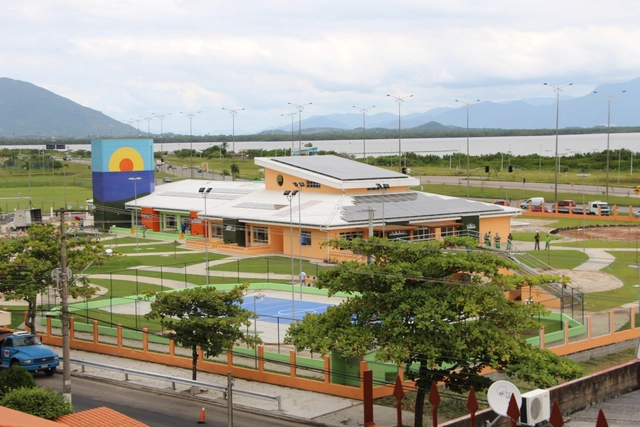
Building certified sustainable public buildings is now a viable reality. At least, that is what the Hassis Daycare project in Florianópolis, designed by architect Rachel Braga, demonstrates. The 1,182-square-meter building is the first of its kind in the world and the first public building in Brazil to receive the highest Leadership in Energy and Environmental Design (LEED) rating: Platinum.
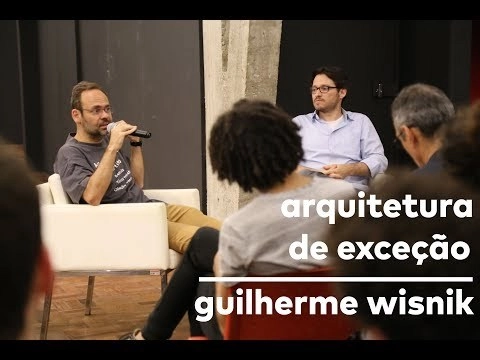
An open lecture on architect Paulo Mendes da Rocha and the Brazil Pavilion at Expo ’70 Osaka, as part of the exhibition "Architecture of Exception – The Brazil Pavilion at Expo ’70 Osaka." Exhibition curators José Paulo Gouvêa and Alexandre Benoit invite FAUUSP professor Guilherme Wisnik and Daniele Pisani, professor at Politecnico di Milano and author of the book Paulo Mendes da Rocha: Complete Works (Gustavo Gili, 2002).
https://www.archdaily.com/1122306/architecture-of-exception-guilherme-wisnik-and-daniele-pisaniPedro Vada
Contemporary architectural production in São Paulo is as diverse as one would expect from one of the most populous cities in the world. While architecture also encompasses the outcomes of urban disorder and population growth — buildings born out of the necessity of people who, with scarce resources, build their own homes — architectural discourse often focuses on production whose genesis lies in deliberate design.
The CAU/BR is studying new rules for issuing Technical Responsibility Records (RRT) and Technical Collection Certificates (CAT) by architects and urban planners. The Professional Practice Commission, which is presenting the proposal to the public, aims to improve the registration system to protect both architects and their clients regarding the technical responsibility of architecture and urbanism services.
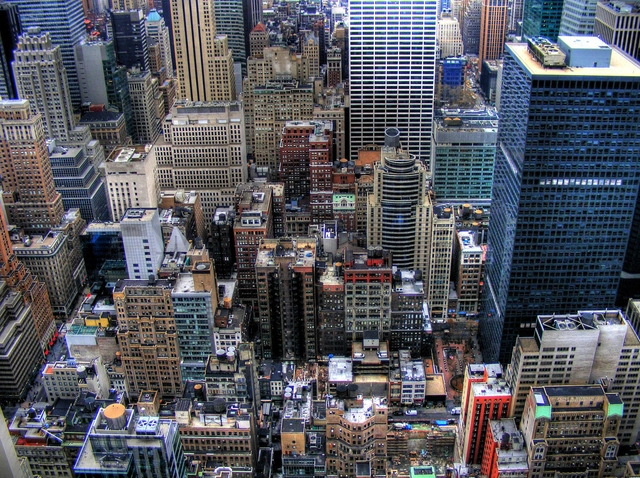
New York. Photo: CJ Isherwood, via Flickr, license CC BY-SA 2.0
The Swiss Federal Institute of Technology in Zurich (ETH Zurich) is offering free online courses on smart cities and future cities. Available through the edX platform, which is shared by institutions worldwide, the courses last ten weeks and are conducted via video.
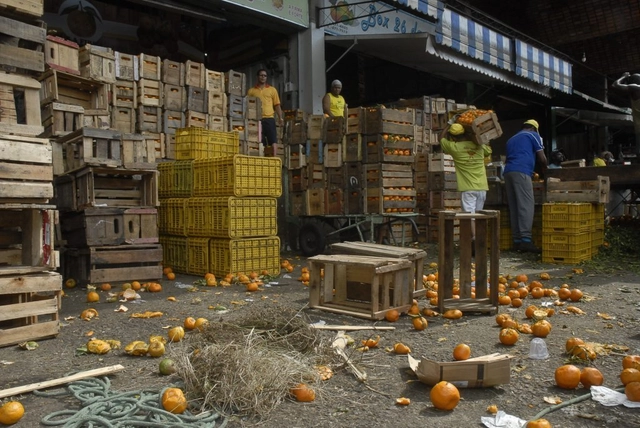
Food waste is a concern for the FAO. Image: EBC, via UN/FAO
The United Nations, through its Food and Agriculture Organization (FAO), launched a publication this month focusing on strategies to integrate nutrition policies into urban planning. The document highlights best practices in reducing food waste, promoting healthy diets, and strengthening local production chains.
Photographer Manuel Sá shared with us his photo essay of the Coati Restaurant, designed in 1987 by Lina Bo Bardi, João Filgueiras Lima - Lelé (precast reinforced mortar), Marcelo Ferraz, and Marcelo Suzuki. The complete complex—comprising a restaurant, a bar, and three historic houses slated to be converted into nine apartments with ground-floor commercial space—is located in Salvador's Pelourinho district and is part of the Pilot Project for the Recovery Plan of the Historic Center of Bahia, proposed by Lina. Unfortunately, the restaurant is currently abandoned and falling into ruin, as is the rest of the complex.
https://www.archdaily.com/1122300/coati-restaurant-designed-by-lina-bo-bardi-and-lele-through-the-lens-of-manuel-saPedro Vada
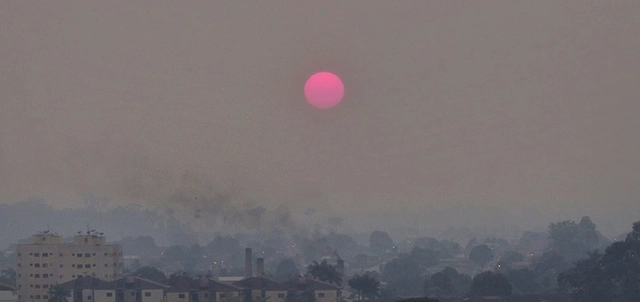
Smoke in Porto Velho, Rondônia, at dawn. Photo: Renata Silva/Personal Archive
Since the beginning of the month, thousands of fire outbreaks have been recorded in Brazil's northern states, spreading through Acre, Rondônia, Mato Grosso, and Mato Grosso do Sul, and reaching the triple border of Brazil, Bolivia, and Paraguay. According to the National Institute for Space Research (INPE), the country is experiencing its worst wave of wildfires in five years.
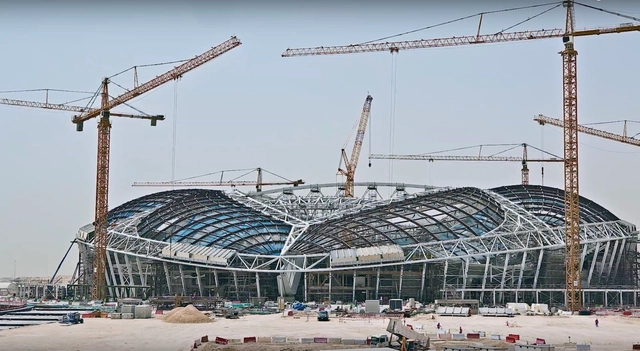
Construção do estádio Al Wakrah. Image Cortesia de Supreme Committee for Delivery and Legacy’
The year is 2010. As the first Arab country selected to host the 2022 FIFA World Cup, Qatar is already ramping up its preparations to host this highly anticipated and costly event 12 years down the line. Extensive construction and reconstruction efforts are being launched, targeting not only the facilities directly demanded by FIFA, but also, more broadly, the urban infrastructure systems of the country's major cities.



.jpg?1546956437&format=webp&width=640&height=580)
.jpg?1546956437)
.jpg?1558532170)



.jpg?1567798624&format=webp&width=640&height=580)