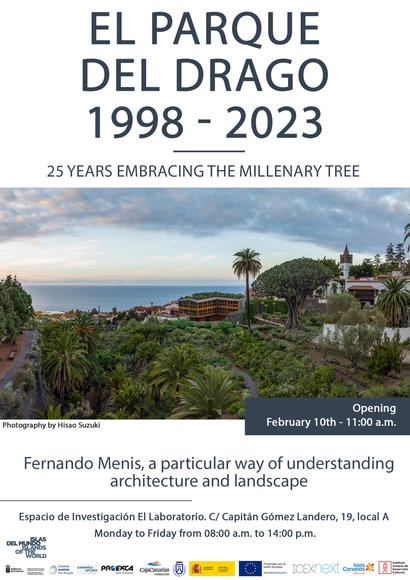
The Dragon Tree of Icod de los Vinos, in Tenerife, is the oldest specimen of Dracaena Drago, which is preserved in the Atlantic archipelago, a tree 16 m high with a 20 m circumference at the base. An endemic species of the Canary Islands, with a slow growth, the dragon tree has a strong symbolism since, in the past, it was considered the protector of the islands, but, at the beginning of the 1980s, the one who needed protection was precisely the dragon tree. Visitors - about 1 million a year - flocked to visit it, and the intense activity that tourism brought around it put its life in danger. It was necessary to stop the visits and find solutions so that the drago tree did not die of success.
Designed directly by the internal Research & Development office, the new showroom becomes the focal point of Linvisibile’s presence in the Piedmont area.
Join editor Alissa North of the John H. Daniels Faculty of Architecture, Landscape, and Design as she discusses her new book Innate Terrain: Canadian Landscape Architecture, a collection of papers written by Canadian scholars and practitioners in the field of landscape architecture. Concerned with the practice and theories of landscape architecture in Canada, the book documents the breadth of contemporary practice from across the country, with each chapter author using works of landscape architecture to theorize a distinct approach practiced by Canadians in their national context. The book’s central argument is that Canadian landscape architecture is distinct because of the unique qualities of the Canadian terrain and the particular relationship that Canadians have with the landscapes of our nation.
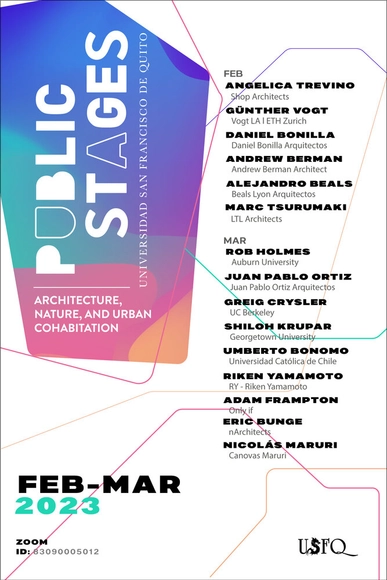
Since the end of the nineteenth century, the planning of cities has been understood as the discipline that establishes guidelines to project architecture for human occupation, with a focus on rationality and functionalism. Nevertheless, the city is a system of many layers and folds, constructed through the interaction of natural, cultural,socioeconomic,and political forces. This choreography, with a variety of purposes and different degrees of synchronization, creates architecture that serves both as shelter and context.Architecture, therefore,does not limit itself to the production of objects but rather appears as a field of study between and through disciplines, called upon to contribute to the organization of those forces that composepublic stages, the space where collective itineraries meet and intertwine.These stages have existed historically.
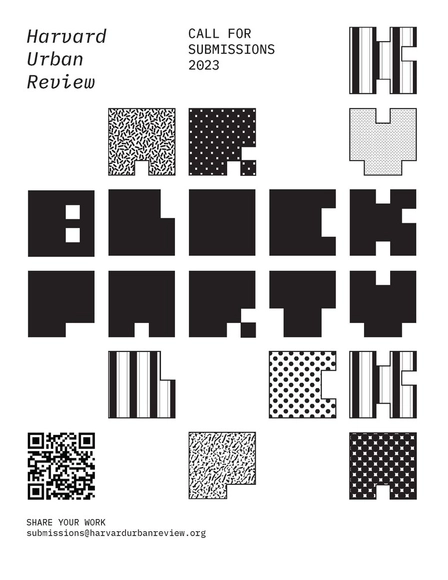
The Urban Review welcomes submissions on topics broadly related to urban studies, planning theory, and planning practice. Submissions can be personal reflections, research-based writing, material adapted from other work, etc. We are especially interested in pieces that are grounded in a particular location.
Geo-Conversations: Nature and Technology in Architecture
AIA New York Center of Architecture open its doors to the public for a very special book launch by Alper Derinboğaz. He is founder of Salon, the internationally renowned architecture studio based in Istanbul, Berlin and recently Los Angeles known for its award-winning projects such as the Museum of Istanbul, pandemic-resistant office design Ecotone and zero-emission Villa Topos.
Pritzker Prize-winning architect Shigeru Ban is renowned for his innovative use of wood. Natural and beautiful, timber construction can also be a key tool in the fight against climate change through the creation of environmentally responsible buildings. Ban’s new book, Shigeru Ban: Timber in Architecture presents an in-depth examination of 45 of the architect’s works demonstrating the versatility of timber, from the undulating curves of the Centre Pompidou-Metz in France to the playful inversion of Japan’s Mt. Fuji World Heritage Centre. At this talk, Ban examines the awe-inspiring use of wood throughout his career, shares his long history of humanitarian work, and offers insights on working toward a more sustainable future through architecture. Moderated by Matilda McQuaid, Acting Director of Curatorial and previously Head of Textiles at Cooper Hewitt, Smithsonian Design Museum. Followed by a reception with a sale of autographed books. Program is the official U.S. book launch for Shigeru Ban: Timber in Architecture.
Bernard Tschumi is an architect based in New York and Paris. First known as a theorist, he exhibited and published The Manhattan Transcripts and wrote Architecture and Disjunction, a series of theoretical essays. Major built works include the Parc de la Villette, the Acropolis Museum, Le Fresnoy Center for the Contemporary Arts, Paul L. Cejas School of Architecture at FIU, MuséoParc Alésia, the Paris Zoo, the Binhai Science Museum, and a large educational complex for the University of Paris-Saclay opening in 2023. He was the Dean of the Graduate School of Architecture, Planning, and Preservation of Columbia University in New York from 1988-2003. The book Architecture Concepts: Red is Not a Color is a comprehensive collection of his conceptual and built projects. His drawings and models are in the collections of several major museums, including MoMA in New York and the Centre Pompidou in Paris, which each presented a major retrospective of his work in 1994 and 2014.
Featuring Tura Cousins Wilson of SOCA, Jessica Kirk of the Wildseed Centre for Art and Activism and Jessica Hines of Black Urbanism Toronto, this conversation about what it means to take accountability within the practice of design and focus on Black community engagement is the first in a series centred around Blackness in architecture, landscape, and design within academia. As noted in the University Commitment in the Scarborough Charter, the work of Black flourishing and thriving should “be informed, shaped and co-created by communities” in order to be effective. Other discussions in this series will include Black Flourishing through Design (February 15), a workshop for designers and educators called Blackness in Architectural Pedagogy and Practice (March 1) and a student-led online event that centres Black belonging through design.
Born in Toronto, Canada, Alex Josephson studied architecture at the University of Waterloo and in Rome. He co-founded PARTISANS in 2012 after dropping out of the Architectural Association School of Architecture (AA). Alex is the only Canadian to have received the New York Prize Fellowship at the Van Alen Institute, and he was named 2015 Best Emerging Designer by Canada’s Design Exchange. He currently lectures at the University of Toronto’s Daniels Faculty of Architecture. Alex is a registered architect in Ontario.
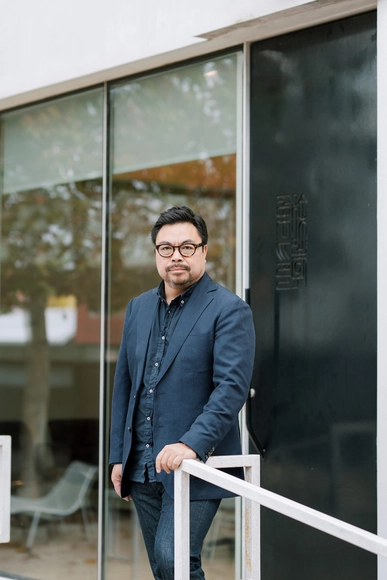
Michael Hsu Office of Architecture (MHOA) serves a broad audience, while specializing in materiality, detail, and design. The studio approaches everyday architecture and high design projects with a wide range of perspectives. In addition to offering architecture and interiors, the firm integrates branding, art curation, and landscape design services. This lecture will explore the firm's approach across a range of projects and will touch on the future plans of the studio, including our newly developed R&D team, established to ensure that we continue to push design forward.
Harry Seidler: Painting Toward Architecture Exhibition at the National University of Singapore College of Design and Engineering Department of Architecture February 16 – March 8, 2023