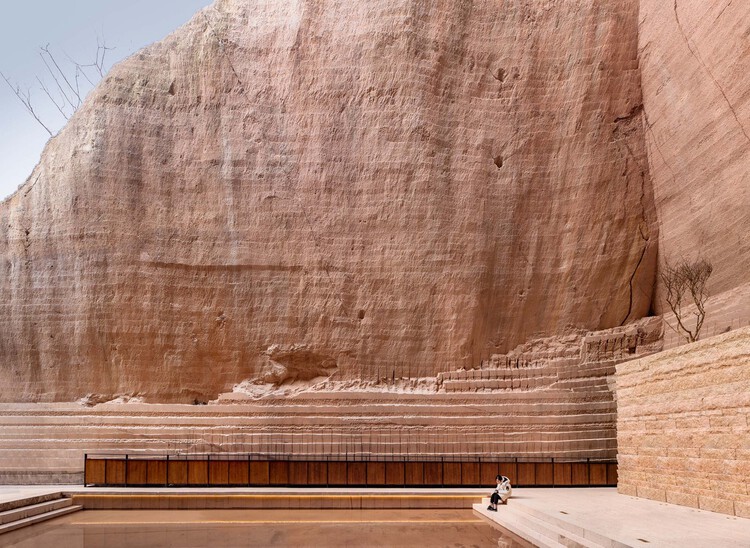
In the field of architecture, however, this question remains relatively marginal. We often know who designed a building, its finishes, the manufacturer of its frames, the brand of its wall coverings, and even its energy performance, but we almost never ask where the tons of material that made its existence possible actually came from.
Symbols of technological development and urban density, tall buildings as we know them today emerged in the late 19th century, primarily in the United States, in response to rapid growth in urban commerce and the need to expand cities without consuming more land. The term skyscraper, for instance, was coined in the 1880s and originally referred to buildings of about 10 to 20 stories—an impressive height at the time.
However, the idea of building vertically is far older than steel-and-glass skyscrapers suggest. Long before the Industrial Revolution, several societies were already experimenting with vertical urbanization as a solution to spatial constraints, territorial defense, or environmental adaptation.
Food pyramids are familiar to all of us. They are visual guides that show us the proportions of foods that we should supposedly eat on a daily basis, in order to stay healthy. Composed of a series of layers with different food types–such as grains, flour, fats, vegetables, and others–, at the base are the foods that should be consumed in larger quantities. Towards the top, each layer becomes successively smaller, indicating the foods that are meant to be ingested rarely. The pyramid can vary according to countries and cultures, but its main purpose is always to provide a guide for a balanced life. There are no prohibitions, but it does indicate some foods that should be consumed with caution because of their impacts on our health.
If we are what we eat, is it possible to also replicate this in the construction industry and our buildings? Using this same easy to understand visual language, the Royal Danish Academy Center for Industrialized Architecture (Cinark) developed the Construction Material Pyramid. The idea was to highlight the environmental impact of the most used construction materials, focusing on the analysis of the first three life phases: extraction of raw materials, transportation and manufacturing.