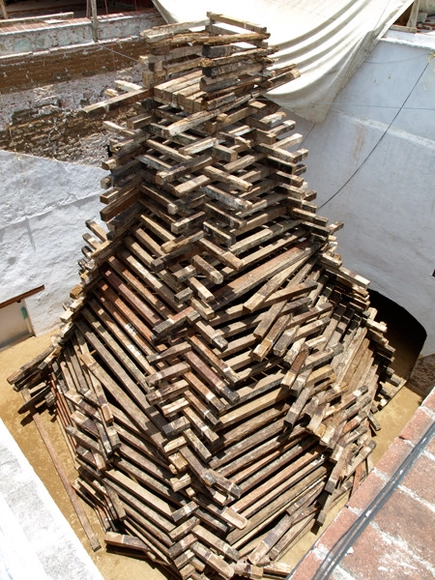
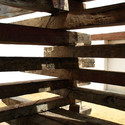
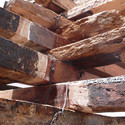
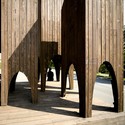
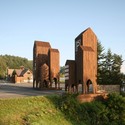
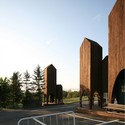
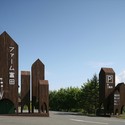
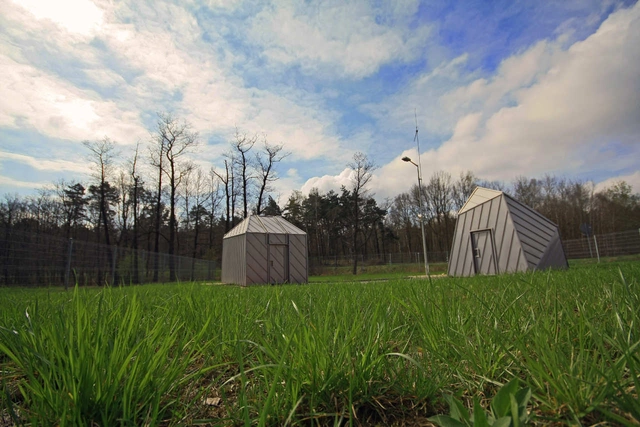
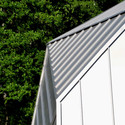
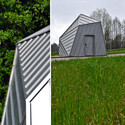
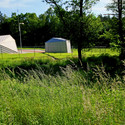
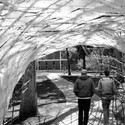
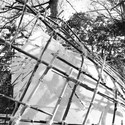
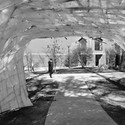
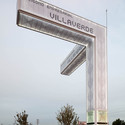
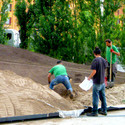
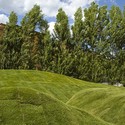
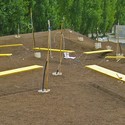
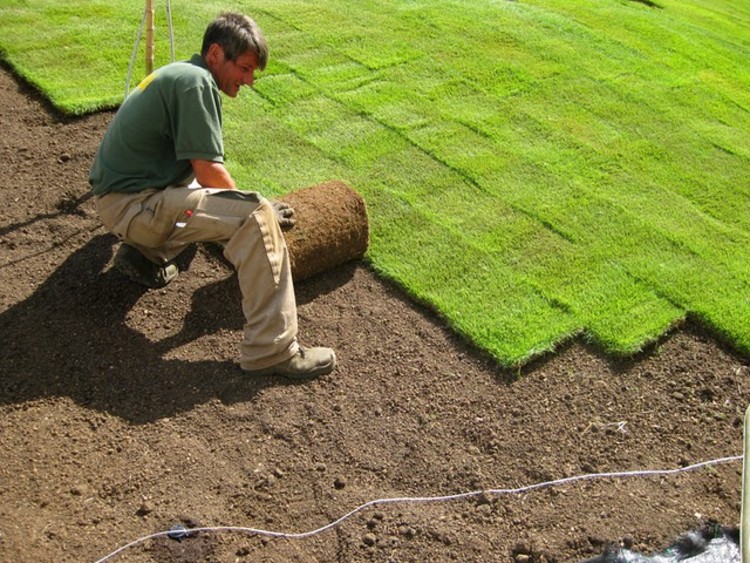
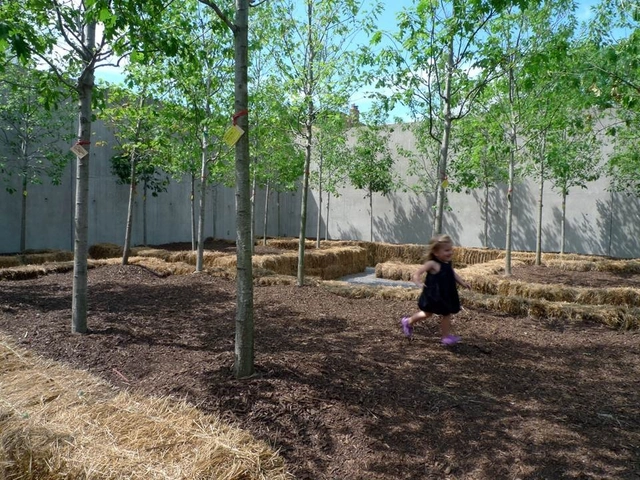
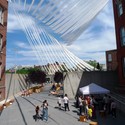
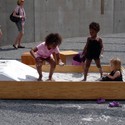
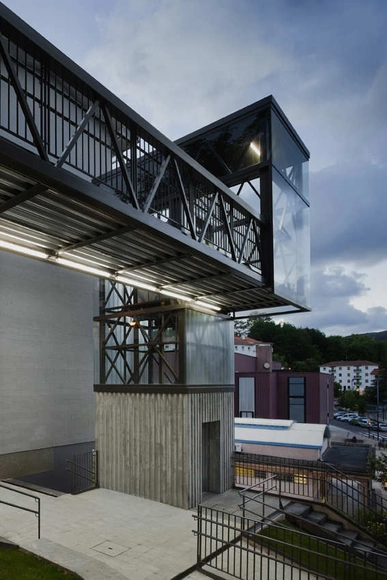
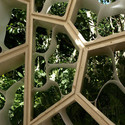
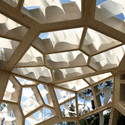
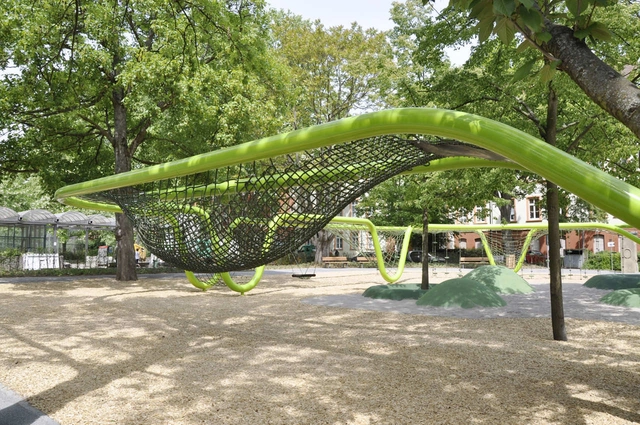
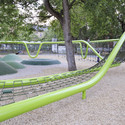
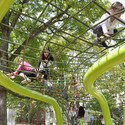
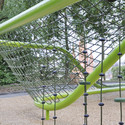
The “Open Monument” project is a permanent public space installation, by MAI_lab | MAIpublicspace, that wants to recover the link between the inhabitants of Crestuma, Portugal and its landscape history. At the same time, the design aims to boost an experimental, pedagogical and participative realm that should develop new senses of appropriation and belonging. More images and project description after the break.
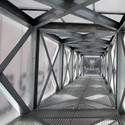
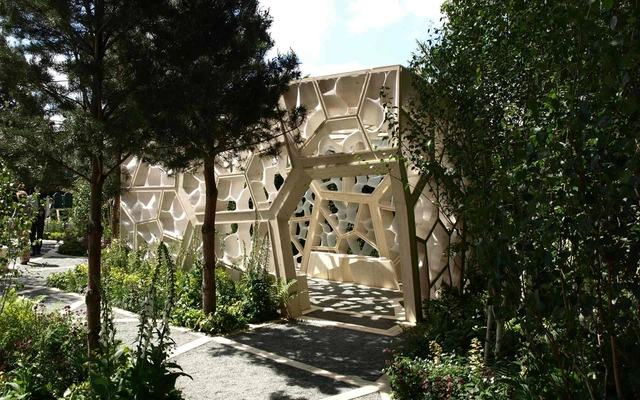
The Acoustic Pavilion Project, developed by AREA and Electrotexture Lab, is created from evolutionary algorithms that search the optimum form and reflective environment for electronic music within the context of Aalborg’s harbor front. More images and brief project description after the break.
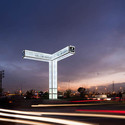
Inspired by the existing lattice pylon originally designed by Sir Reginald Blomfield RA in 1927, New Town Studio, who was recently shortlisted for the Pylon Design Competition, uses a lattice steel framework to create a vertical structure which retains the transparent and open qualities of the original in a more modest form to be visually and symbolically appropriate for today. More on the project after the break.
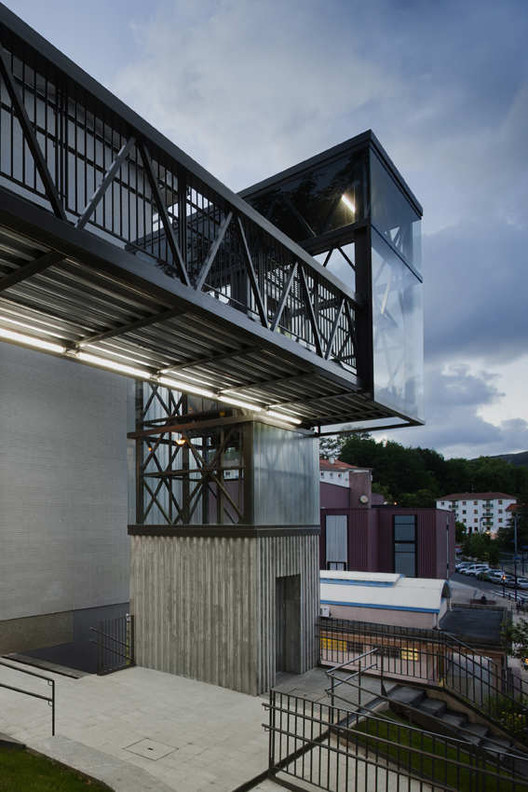
The major of the city of Sant’Elpidio a Mare, Giovanni Renzi, with the manifesto of the 15th of September 1903, communicated to his citizens the tender for the construction of the social aqueduct of the Tennacola company. Since then, this work has been in constant evolution and all the structures linked to the aqueduct are still deep-rooted in the territory and they have become symbols of the project by LED Architecture Studio. More images and architects’ description after the break.
In today’s world “going green” has become a top priority in our society, and sustainable buildings and design are at the forefront of this green revolution. While many designers are focusing on passive and active energy systems, the reuse of recycled materials is beginning to stand out as an innovative, highly effective, and artistic expression of sustainable design. Reusing materials from existing on site and nearby site elements such as trees, structures, and paving is becoming a trend in the built environment, however more unorthodox materials such as soda cans and tires are being discovered as recyclable building materials. Materials and projects featured after the break.
Each fall High Desert Test Sites invites artists to create experimental projects adjacent to California’s Joshua Tree National Park. This year HDTS invited Ball Nogues Studio to create a structure in a remote region of the Mojave Desert. This presents a unique opportunity to draw upon an unfettered landscape at a grand scale. Expanding on theories developed by earthwork artists Yucca Crater will re-imagine these concepts through new methods of production linked to their cross-disciplinary artistic, architectural, design and fabrication practice.
“WHATAMI”, winner of the 2011 Young Architect Program at the MAXXI, is beginning to take shape. This summer installation is situated within the exterior spaces of the museum and is the result of a partnership between MoMA’s P.S.1 and the National Museum of the 21st Century Arts in Rome. Simultaneously Interboro Partners‘ “Holding Pattern” will on display at the MoMA in New York andsTARTT’s winning design “WHATAMI” at Zaha Hadid’s MAXXI.