1. ArchDaily
  2. Public Infrastructure

Public Infrastructure: The Latest Architecture and News

How Can Transport Infrastructures Take On a New Lease of Life?

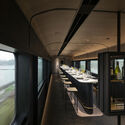
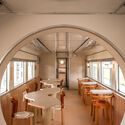
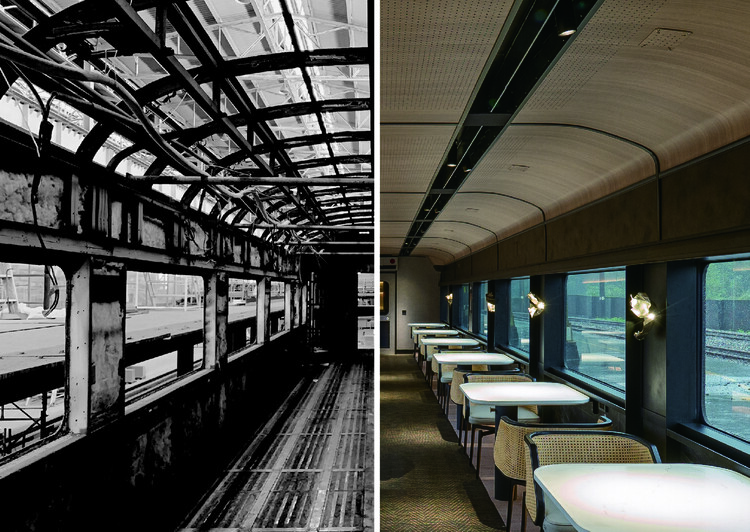
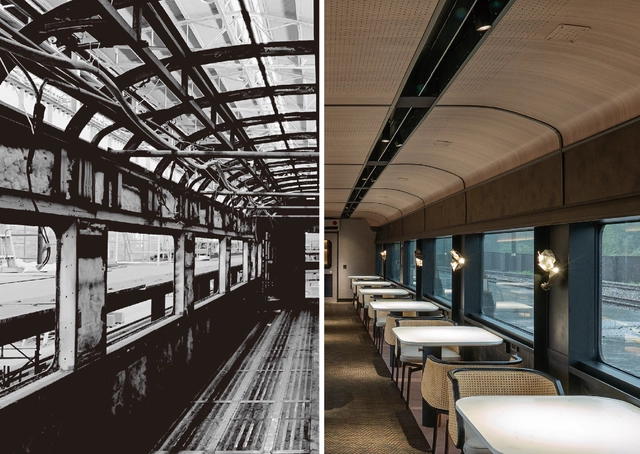
Faced with the combined forces of population growth, economic prosperity, and urban expansion, cities are witnessing a significant rise in the movement of people and goods—mirroring the evolution of diverse mobility systems within urban environments. As technologies advance and modes of transport evolve, the adaptive reuse of train carriages, airplane cabins, and other service infrastructures reveals opportunities to explore their creative potential. Materials, technologies, and design tools converge around a shared goal: refurbishing and repurposing disused structures to give them new life.


How Can Transport Infrastructures Take On a New Lease of Life? - Image 1 of 4How Can Transport Infrastructures Take On a New Lease of Life? - Image 2 of 4How Can Transport Infrastructures Take On a New Lease of Life? - Image 3 of 4How Can Transport Infrastructures Take On a New Lease of Life? - Image 4 of 4How Can Transport Infrastructures Take On a New Lease of Life? - More Images+ 12

Subscriber Access

Rethinking Urban Cooling: A Case for Low-Energy Radiant Technology

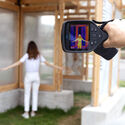
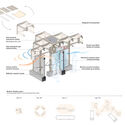
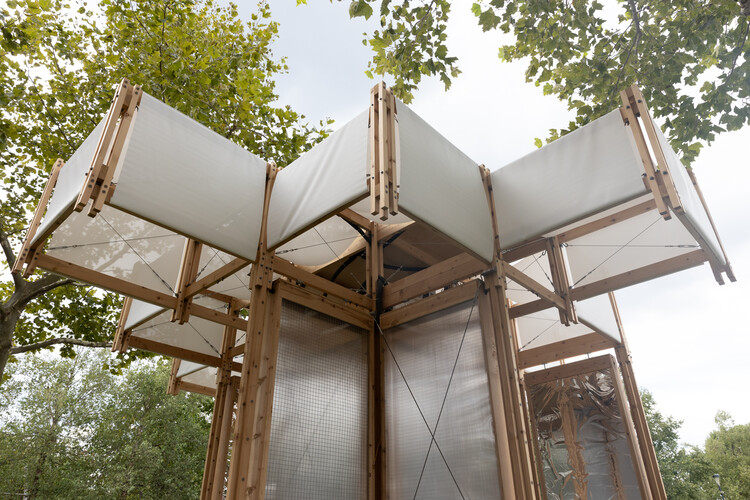
When exposed to heat, the body activates several physiological mechanisms to maintain thermal homeostasis. However, these natural defenses are often overwhelmed in our modern cities. In an urban environment defined by heat-absorbing asphalt, concrete, and a lack of green spaces, these mechanisms become inefficient. If the surroundings are excessively hot, humid, or poorly ventilated—conditions amplified by the Urban Heat Island effect—the core body temperature begins to rise, and the risk of serious complications increases, ranging from cramps and exhaustion to potentially fatal heat strokes.

Rethinking Urban Cooling: A Case for Low-Energy Radiant Technology - Image 1 of 4Rethinking Urban Cooling: A Case for Low-Energy Radiant Technology - Image 2 of 4Rethinking Urban Cooling: A Case for Low-Energy Radiant Technology - Image 3 of 4Rethinking Urban Cooling: A Case for Low-Energy Radiant Technology - Image 4 of 4Rethinking Urban Cooling: A Case for Low-Energy Radiant Technology - More Images+ 14

Subscriber Access

Libraries as Urban Acupuncture: Small Interventions, Big Impact in Asia

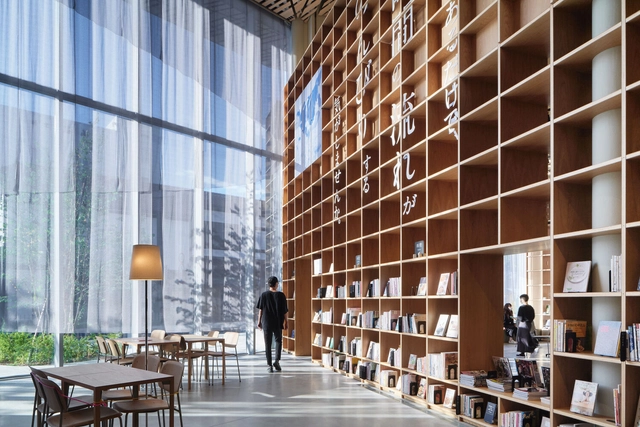
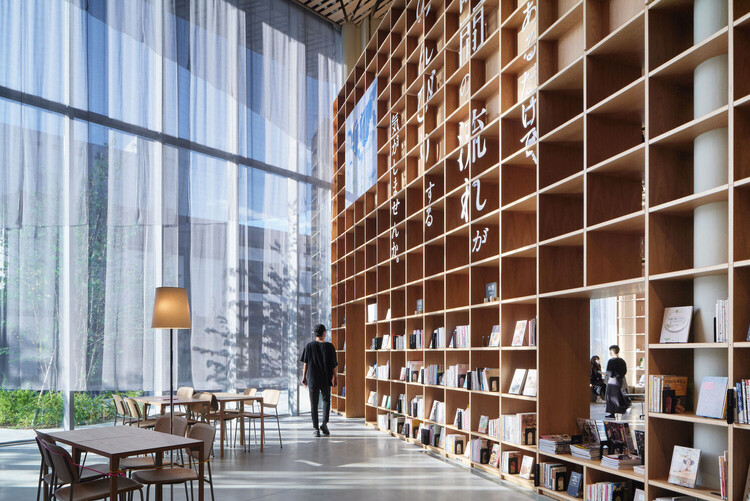
In traditional Chinese medicine, acupuncture works through strategically placed needles that trigger healing throughout the entire body. Urban planner Jaime Lerner's concept around targeted architectural interventions find success in China as well as neighboring countries in Asia, where localities are revitalized through simple interventions. Libraries, specifically, are bringing in social, cultural, and economic transformation to the continent.

Libraries as Urban Acupuncture: Small Interventions, Big Impact in Asia - Image 1 of 4Libraries as Urban Acupuncture: Small Interventions, Big Impact in Asia - Image 2 of 4Libraries as Urban Acupuncture: Small Interventions, Big Impact in Asia - Image 3 of 4Libraries as Urban Acupuncture: Small Interventions, Big Impact in Asia - Image 4 of 4Libraries as Urban Acupuncture: Small Interventions, Big Impact in Asia - More Images