The American architect, designer, and futurist Buckminster Fuller once defined the Dymaxion principle as “constructing ever more with ever less weight, time, and ergs per each given level of functional performance.”

The American architect, designer, and futurist Buckminster Fuller once defined the Dymaxion principle as “constructing ever more with ever less weight, time, and ergs per each given level of functional performance.”

What elements and qualities does space need for a well-balanced physical and spiritual recovery? How to design spaces that are healthy for both our minds and our bodies? What makes an environment livable and sustainable in the long term?
These are the questions we need to address in the era of the rapidly developing real estate market. Why do we tend to inhabit more and more high-density residential towers? Are we necessarily more mentally secure? If not, what are the spatial solutions or cures for the current urbanites’ anxiety? In this article, we will explore ways of unwinding and finding cures in space.

Sigmund Freud, the author of “The Interpretation of Dreams” and the founder of Psychoanalysis, once argued that, “A strong experience in the present awakens in the creative writer a memory of an earlier experience (usually belonging to his childhood) from which there now proceeds a wish which finds its fulfillment in the creative work.”

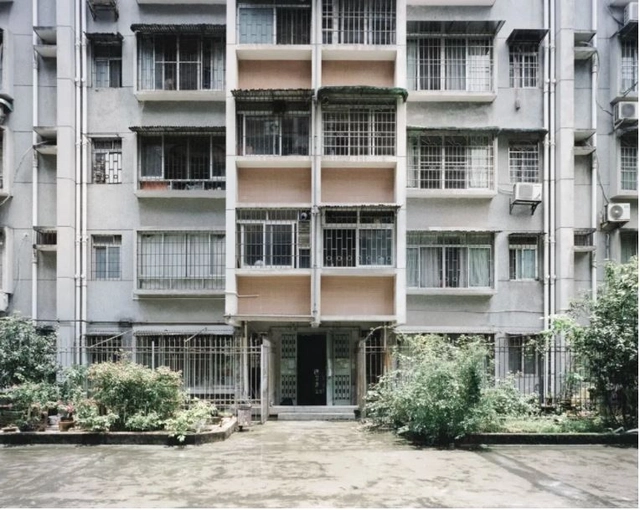
Since the 1990s, copious amounts of cities in China have been undergoing urban renewal. Prompted by this state-facilitated urban redevelopment, skyscrapers are being built rapidly in major cities to attract affluent middle-classes, resulting in countless relocation and displacement of the working-class population. Such process is known as “gentrification”.
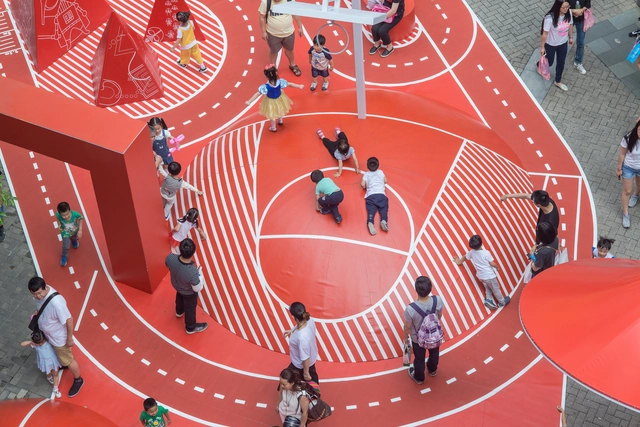
As cities and neighborhoods are being gentrified thoroughly to meet middle-class taste and boost economic growth, urban land resources are being treated in ways to increase business potential, leaving little room for the development of urban street life. Among rows of concrete and steel constructions, nowadays, urbanites are struggling to find a place to sit, rest, and play during leisure time. Analyzing five architectural practices creating livable urban public spaces, this article discusses the challenges and opportunities of urban revitalization in China under the phenomenon of gentrification.