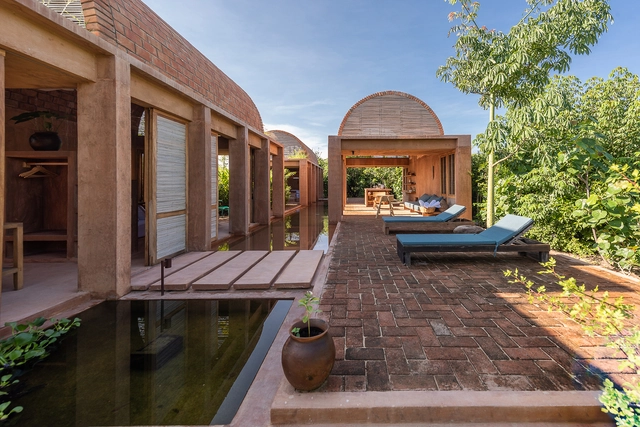


-
Architects: Ambrosi I Etchegaray
- Area: 120 m²
- Year: 2018
-
Manufacturers: Decada Muebles Vintage, Ducolab, Helvex, Mabe, URREA
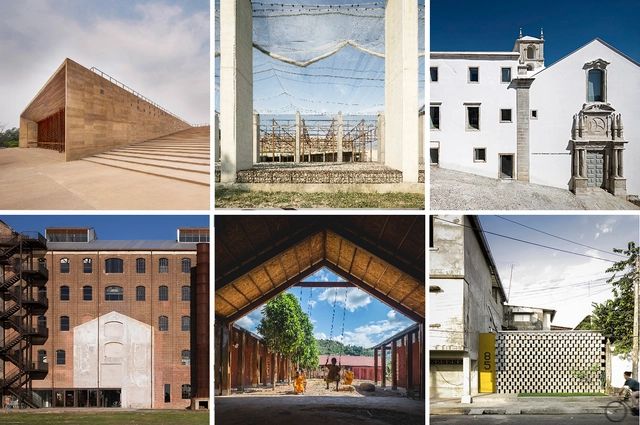
In Asunción (Paraguay), the XI Ibero-American Architecture and Urbanism Biennial (XI BIAU) have presented the winners of the Panorama de Obras section (Projects Panorama) of this contest edition, "all faithful to the spirit of the XI BIAU: living, the inhabitant," according to the organization.
Among 997 proposed works throughout Latin America, 17 architectural works —predominantly public projects— built in Argentina, Brazil, Chile, Ecuador, Spain, Mexico, Paraguay, Peru, Portugal, Uruguay and Venezuela are the winners of the XI BIAU.
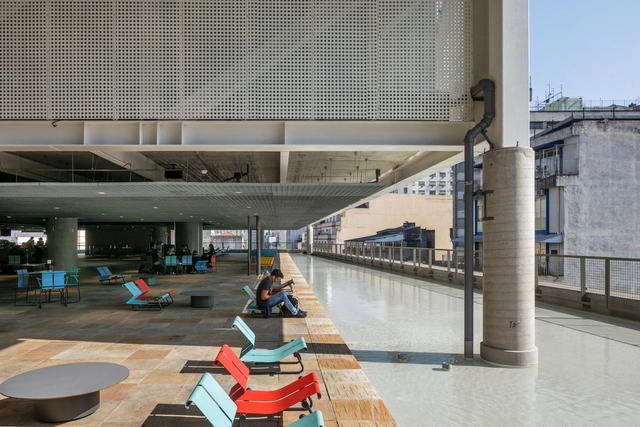
In Asunção, Paraguay, the XI Ibero-American Biennial of Architecture and Urbanism announced today the winners of the Panorama of Works section for this edition of the event, "all faithful to the spirit of the XI BIAU: inhabiting, the inhabitant," according to the organizers.
Out of 997 projects in Latin America, 17 architectural works—predominantly for collective use—built in Argentina, Brazil, Chile, Ecuador, Spain, Mexico, Paraguay, Peru, Portugal, Uruguay, and Venezuela were awarded.
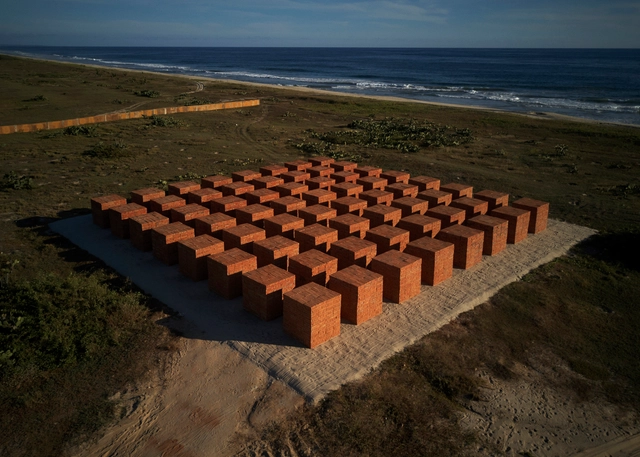
Atlantes is the new monumental installation by Mexican artist Bosco Sodi, presented by Galería Hilario Galguera, Blain | Southern, and Kasmin. Situated on the coast of Oaxaca, near Casa Wabi, in the largely uninhabited area near Puerto Escondido, Mexico, Atlantes is described as "the region's most ambitious land art project in recent years."
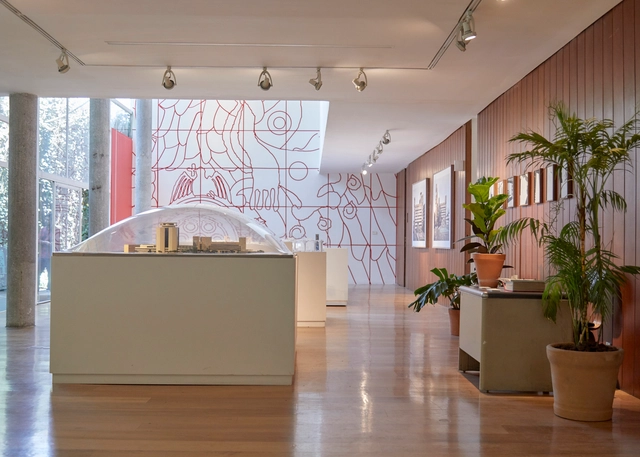
Titled Archivo(s) Centro SCOP reclaims the memory of the former SCOP Center (opened in 1954 and currently the headquarters of the Ministry of Communications and Transportation, or SCT) as well as the future of its artistic and architectural heritage following the September 19 earthquakes. In the mid-1950s, the SCOP Center was one of the most ambitious and iconic public architectural projects of the "Mexican Miracle." Clad in 6,000 square meters of murals and sculptural ensembles by prominent artists such as Juan O'Gorman, José Chávez Morado, and Rodrigo Arenas Betancourt, the building crystallized the ambitions and aspirations of its era, under the direction of architect Carlos Lazo, who led the SCOP from 1952 until his untimely death in a plane crash in 1955.


