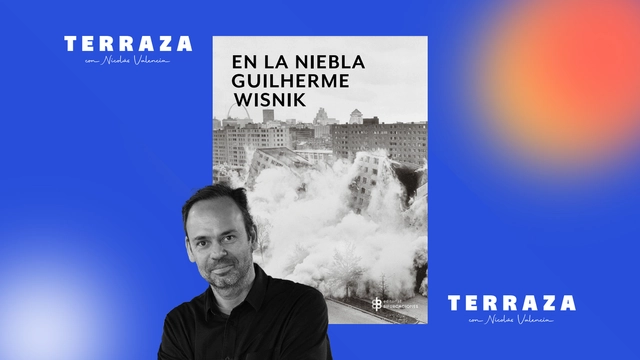
This week on the TERRAZA podcast, Nicolás Valencia talks with Brazilian architect and critic Guilherme Wisnik about his book En la niebla (Editorial Bifurcaciones), a series of essays where fog serves as a metaphor for the state of uncertainty in today's world, weaving together contemporary debates on space, art, and politics.
https://www.archdaily.com/1078849/guilherme-wisnik-in-an-ephemeral-world-architecture-has-to-become-an-imageArchDaily Team
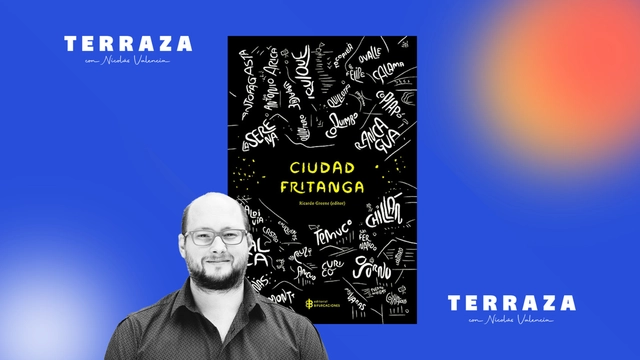
This week on the TERRAZA podcast, Nicolás Valencia speaks with Chilean sociologist and Universidad San Sebastián academic Ricardo Greene, editor of the landmark book "Ciudad Fritanga," published by Editorial Bifurcaciones in 2014.
"Ciudad Fritanga" compiles 34 chronicles of non-metropolitan Chilean cities like Arica, Talca, and Punta Arenas through the lens of poets, artists, and writers such as Lina Meruane, Jorge Baradit, Marcelo Mellado, and María José Navia.
"When people write about cities, they write about London, Berlin, and New York. That is the urban chronicle. However, non-metropolitan cities are also cities," Greene comments in this interview.
https://www.archdaily.com/1078822/ricardo-greene-perhaps-boredom-defines-non-metropolitan-citiesArchDaily Team
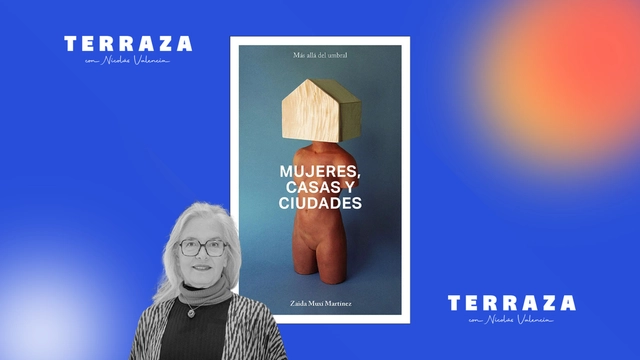
This week on the TERRAZA podcast, Nicolás Valencia speaks with Argentine-Spanish architect Zaida Muxí, author of the book “Mujeres, casas y ciudades” (Women, Houses, and Cities), published by dpr-Barcelona in 2018.
In “Mujeres, casas y ciudades”, Muxí proposes rewriting the history of architecture and urbanism by incorporating the contributions of the many women who have been silenced in mainstream historical accounts.
“If we want to play by market rules, housing will never be a right,” Muxí posits in this interview.
https://www.archdaily.com/1078787/zaida-muxi-no-one-resolves-a-family-life-in-35-square-metersArchDaily Team
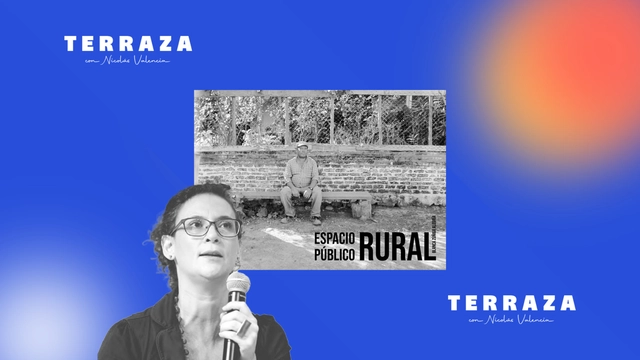
This week on the TERRAZA podcast, Nicolás Valencia speaks with Chilean architect Blanca Zúñiga, author of the book “Espacio público rural,” published by Sa Cabaña in 2021.
In “Espacio público rural,” Zúñiga develops a photographic project that seeks to capture and value the diverse ways of inhabiting the Chilean countryside in the Maule region.
“In the rural towns of the region, you don't know if the living room of the house is a public or private space because the doors are always open,” Zúñiga explains in this interview.
https://www.archdaily.com/1078864/blanca-zuniga-rural-public-space-has-no-form-it-emerges-when-its-inhabitants-are-presentArchDaily Team
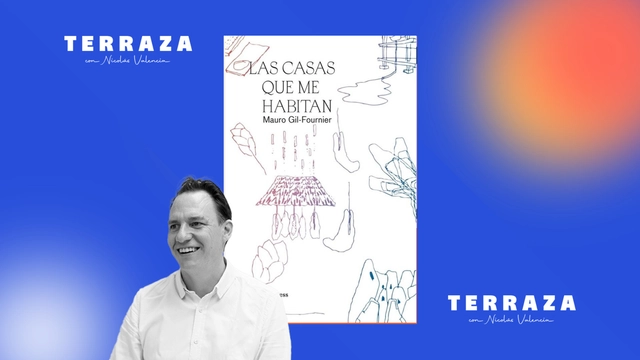
This week on the TERRAZA podcast, Nicolás Valencia speaks with Spanish architect Mauro Gil-Fournier, author of the book “Las casas que me habitan” (The Houses That Inhabit Me), published by Arquitecturas afectivas in 2022.
In “Las casas que me habitan,” Gil-Fournier suggests that as citizens we think we inhabit our houses, our squares, and our cities, but we only inhabit our everyday practices. The houses presented here are the affects that inhabit us on a daily basis.
“Affective architectures allow us to create a space where we can express ourselves honestly, without judgment, and safely,” Gil-Fournier notes in this interview.
https://www.archdaily.com/1078798/mauro-gil-fournier-everyone-talks-about-how-environments-affect-us-but-no-one-talks-about-how-we-affect-spacesArchDaily Team
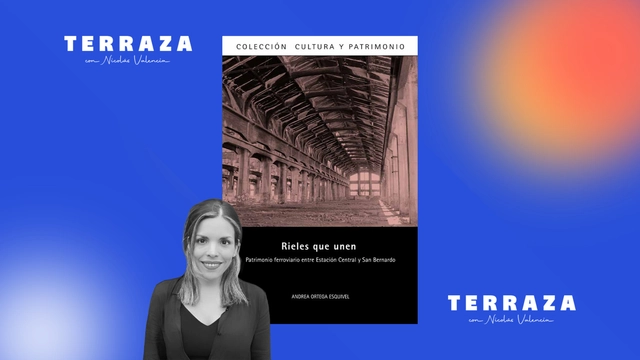
This week on the TERRAZA podcast, Nicolás Valencia talks with Chilean architect Andrea Ortega about her book “Rieles que unen. Patrimonio ferroviario entre Estación Central y San Bernardo” (Rails that Unite: Railway Heritage between Estación Central and San Bernardo), published by the National Cultural Heritage Service in 2022.
“Rieles que unen” is a critical account of the configuration and development of the heritage surrounding the initial urban stretch of the only active passenger and freight railway line currently operating in Santiago, Chile. The research approaches the understanding of railway heritage by integrating tangible and intangible elements, considering its urban-territorial scale and the valuation processes driven by organized communities at local levels.
https://www.archdaily.com/1078837/andrea-ortega-we-have-lost-a-lot-of-railway-heritage-in-chileArchDaily Team
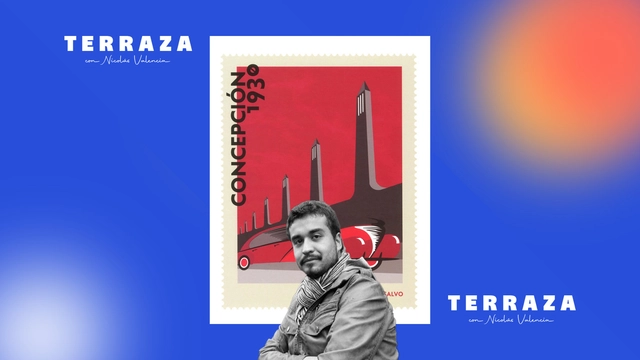
Nicolás Valencia speaks this week on the TERRAZA podcast with Chilean researcher Luis Darmendrail about his book Concepción 1930, published by dostercios editorial in 2023.
Concepción 1930 is a compelling study of a pivotal decade in the architectural history of the Chilean city of Concepción: the 1930s are presented as a turbulent period of change and new beginnings, where culture, commerce, the media, and institutions serve as the pillars of an urban life that flows alongside the narrative, revealing a city at the turn of the century.
https://www.archdaily.com/1078820/luis-darmendrail-in-chile-a-lot-is-taught-about-the-history-of-wars-but-what-about-urban-historiesArchDaily Team
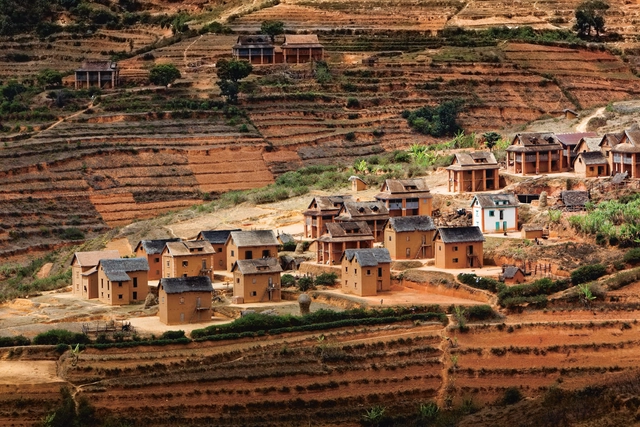
The architecture and construction industry has undergone a transformation with the integration of various digital tools, now indispensable to the design process. The welcoming of technologies has effectively streamlined operations, enhanced efficiency, and elevated design quality. This digital shift, however, has resulted in a digital divide that goes beyond accessibility to tools and software. It also encompasses the crucial aspect of integrating traditional and indigenous communities into the urban development landscape. Can advancing technology support the growth of vernacular architecture? Can indigenous building practices find a place in the vision for a digitalized future?
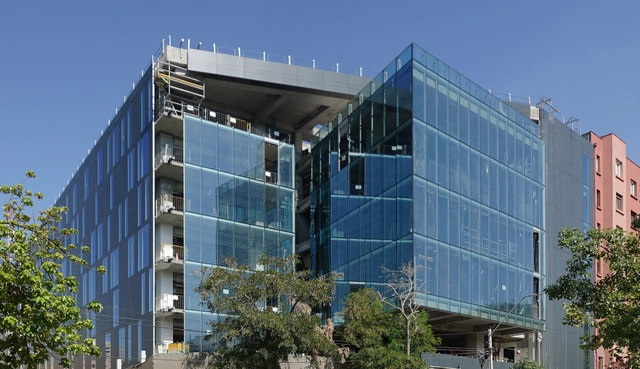
Vicuña Mackenna 20 (VM20), located steps from the Baquedano Metro station in the heart of Santiago, is a new project by the University of Chile. It aims both to become a hub for artistic and cultural outreach and to impact the public space recovery plan in the capital's central area.
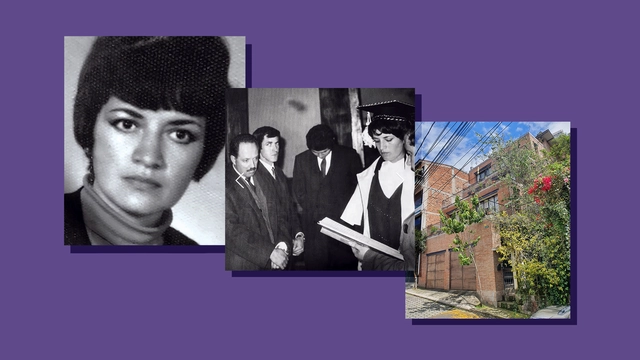
Born in Quito in 1947, Guadalupe Ibarra settled in Cuenca during her adolescence due to her father's military career. It was there that she decided to study architecture, enrolling at the University of Cuenca in 1963. An outstanding student, Ibarra earned her degree in 1970, becoming the first Ecuadorian woman to graduate as an architect in the country.
https://www.archdaily.com/1132176/guadalupe-ibarra-the-first-female-ecuadorian-architectVerónica Rosero & María José Freire
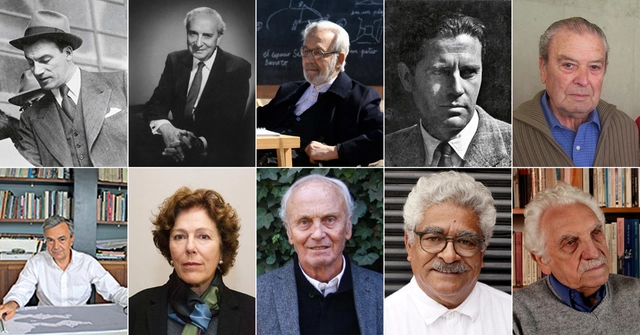
The National Architecture Award of Chile is presented by the Colegio de Arquitectos (Architects Association) to recognize "a lifetime dedicated to the service of architecture," according to the organization. First awarded in 1969, the inaugural recipient was Juan Martínez, architect of landmark projects such as the Law School at the University of Chile and the Votive Temple of Maipú.
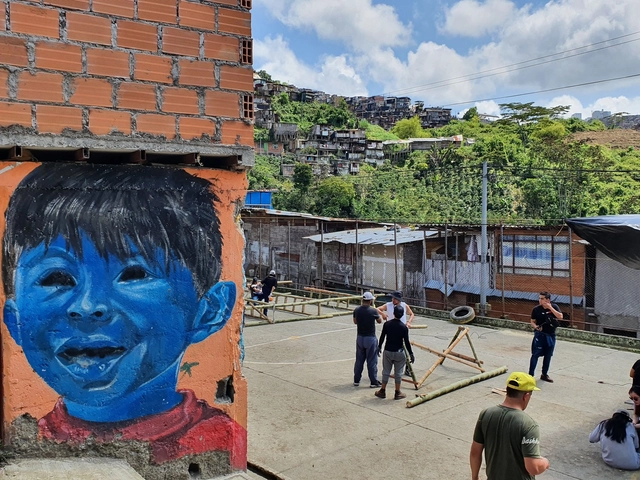
Twenty years after its first edition in Colombia, the Latin American Social Workshop returns to the South American country. In this edition, students from across Latin America, alongside architects from Colombia, Ecuador, and Chile, are intervening in three areas in the coffee-growing city of Manizales: a rural settlement in the middle of the mountain range, a self-managed park, and the slopes of an informal pedestrian neighborhood.
Here, we invite you to explore the progress made by the architectural teams participating in the 18th Latin American Social Workshop (TSL XVIII) in Manizales.
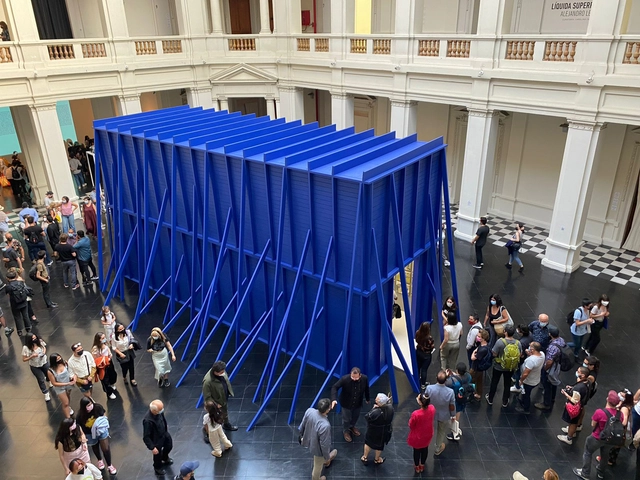
Testimonial Spaces, the theme of Chile's pavilion at the recent Venice Biennial 2021, opened to the public on the 18th of January at Santiago's Museum of Contemporary Art.
Curated by architects Emilio Marín and Rodrigo Sepúlveda, Testimonial Spaces brings together 525 paintings based on testimonies and everyday stories from the José María Caro neighbourhood in Santiago, in line with "How will we live together?", the theme of the biennial curated by Lebanese architect Hashim Sarkis.
As in previous years, Chile's Ministry of Cultures, Arts, and Heritage has organized the exhibition of Testimonial Spaces, the country's most recent national pavilion presented at the 2021 Venice Biennale, in the lobby of the Museum of Contemporary Art in Parque Forestal (Santiago), making it accessible to the local public.
Although the ministry's open call for each biennale typically focuses on the design of a pavilion, the brief specifies that the selected curator will be responsible for developing both a curatorial concept and an architectural proposal. Certainly, in a contemporary context, the notion of a pavilion is a highly malleable category, making the distinction established in the guidelines particularly intriguing: while a curatorial concept should clearly be associated with some relevant architectural framework, it is not necessarily an architectural proposal in and of itself.
For the third time since its founding in 2002, Colombia will host the Latin American Social Workshop for Architecture Students under the name 'Tejiendo Paisajes: TSL Manizales 2022'—the first edition of the event since the onset of the pandemic.
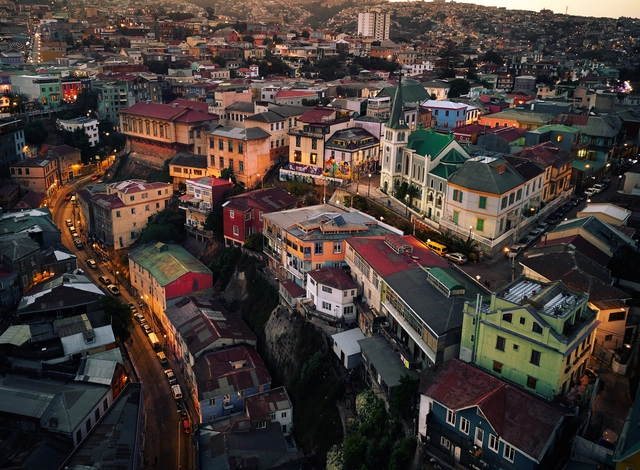
Situated at the foot of 45 hills along the Chilean coast, Valparaíso was a key port in the South Pacific during the 20th century before the construction of the Panama Canal. Thanks to its rapid industrial and commercial growth, the port underwent an urban transformation, attracting thousands of foreigners and cementing its reputation as a bustling South American cosmopolis rich in society, culture, and architecture.
Described by The Guardian as a "Berlin by the seaside", Valparaiso's historic downtown was declared a World Heritage Site by UNESCO in 2003 and the city's cultural and architectural wealth make it a must-see for tourists and architecture aficionados alike.
In this article, we present a guide written by one of the city's many enthusiasts that will give a complete and in-depth look at the port's many treasures. The guide is written as if for a walking tour, starting in Plaza Sotomayor, the city's main square. The route can be divided into two days, with the first part ending at the Palacio Baburizza and the second beginning with the Valparaiso Cultural Park. Take a tip from the experts--if you get lost, don't trust an app to find your way. Ask a local!
In 2018 ArchDaily spoke in Madrid with Spanish architect Izaskun Chinchilla, who reflected on the challenges our cities face due to gender bias. "We live in cities built by and for men between 35 and 55 years old who drive and commute to work in a private car," the architect states.
According to the academic at UCL, ETSAM, and IE, private transport reveals one of the aspects demonstrating that we live in discriminatory and non-inclusive cities. "Men still drive twice as much as women, and in cities, all we have to do is step outside: they are designed by and for cars," she explains.
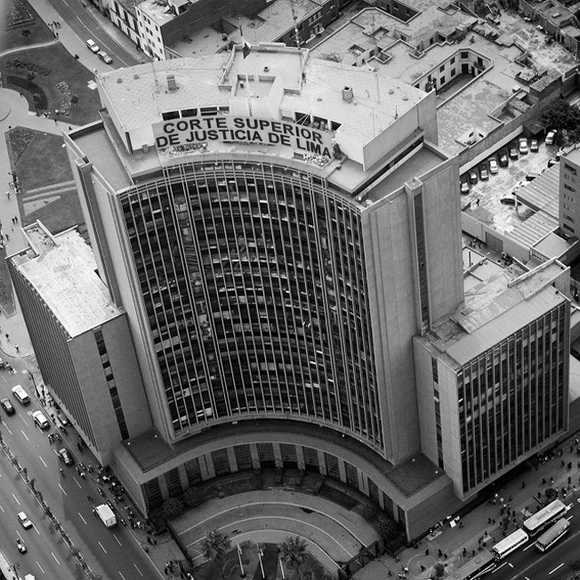
The Javier Alzamora Valdez building, designed by Peruvian architect Enrique Seoane Ros between 1951 and 1956 and conceived as the headquarters of the Ministry of Education, has been declared a Monument and part of the Cultural Heritage of the Nation. It stands as clear testament to the public civil architecture built during the Modern Movement in Peru, serving as a tangible and representative manifesto of mid-20th-century construction trends, when large government buildings were constructed for public administration as part of the urban renewal of Lima's Historic Center.






.jpg?1642708223&format=webp&width=640&height=580)