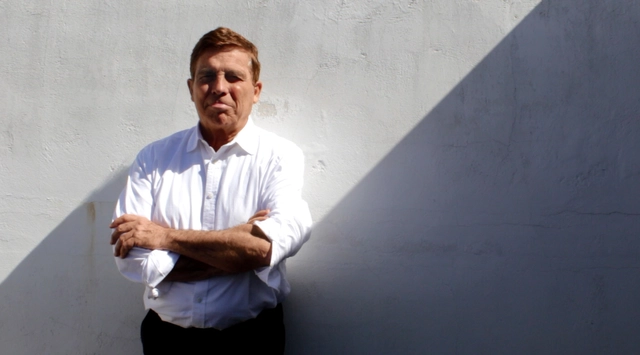
Architect Alberto Campo Baeza has been awarded the Gold Medal for Architecture, Spain's most prestigious architectural honor, which has been presented by the professional association of architects since 1981. Established by the Superior Council of Architects' Associations of Spain (CSCAE), the Gold Medal recognizes the dedication of individuals and institutions whose work elevates the field of architecture.
Miguel Eyquem walks with one hand resting on his bag, bringing a handkerchief to his nose. He says he has a cold and hopes it will not be an obstacle to our conversation. Like all those who embody history, Eyquem's ideas race ahead of him. He walks, speaks, stops, thinks, speaks again, changes the subject, and keeps walking.
Many were surprised that this edition of BBConstrumat in Barcelona lacked carpeting across its 34,000-square-meter exhibition space, or that the schedule of events was only available via the event's app. As climate change—or rather, the climate emergency—becomes irreversible and adaptation demands more drastic measures, the construction sector is also feeling the pressure to reinvent itself.
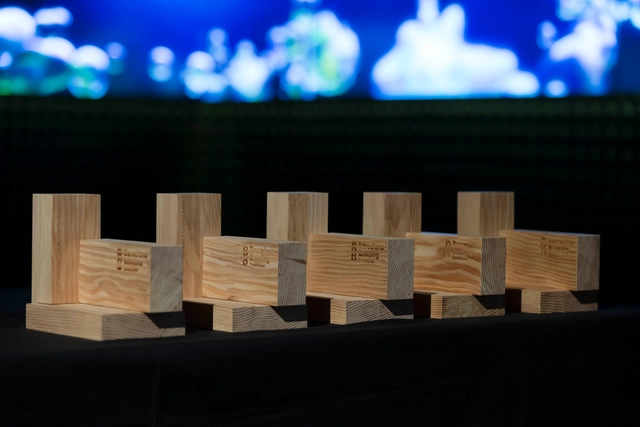
On Wednesday, May 15, the winners of the BBConstrumat 2019 Awards, curated by the Fundació Mies van der Rohe Barcelona, were announced at the Roca Gallery Barcelona.
For the 40th edition of BBConstrumat at Fira de Barcelona, Spanish architect Josep Ferrando shared exclusively with ArchDaily the details and design principles behind the 3,000 m2 of common spaces at Spain's leading construction trade fair.
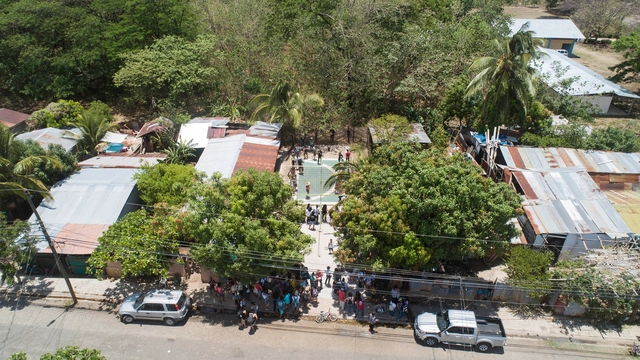
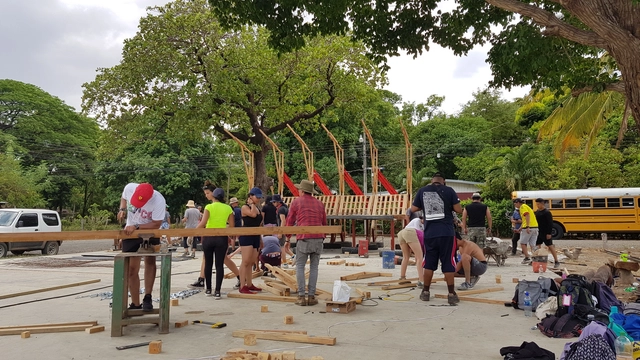
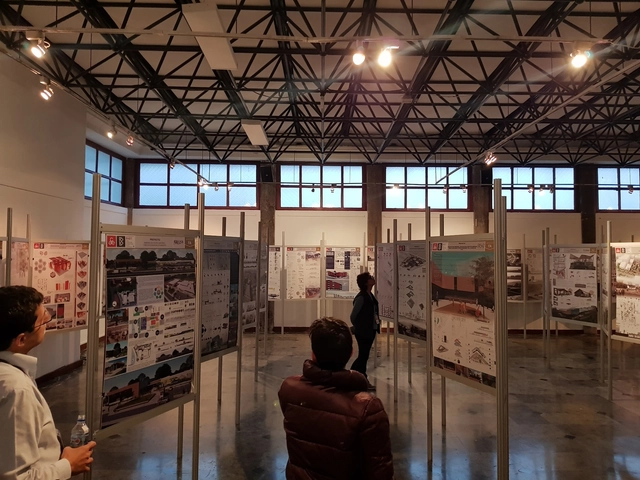
Nearly 200 students from 18 countries are currently working on TSL Costa Rica 2019 in the city of Santa Cruz, organized by the Latin American Coordinator of Architecture Students (CLEA) and the local organization Estudiantes de Arquitectura en Movimiento (EAM).
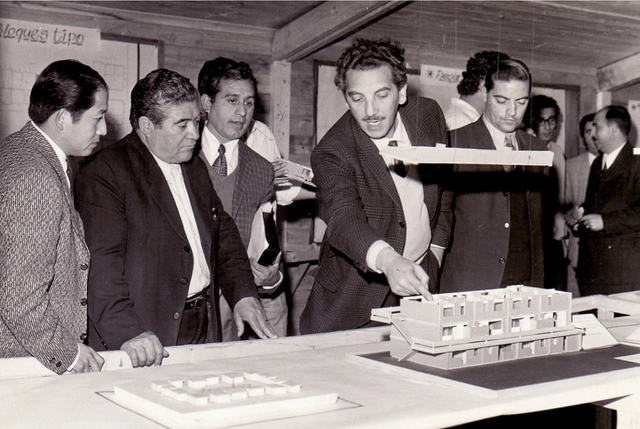
Lawner served as the executive director of the Urban Improvement Corporation (CORMU) until the 1973 Chilean coup d'état, during which he was detained in concentration camps before being exiled to Denmark. Both from abroad and following his return, he has been recognized for his social housing projects, as well as his research and advocacy exposing human rights violations.
Construction of Colombia's second-tallest skyscraper, BD Bacatá, is finally resuming following an agreement signed between BD Promotores, Prabyc Aluman, and Acción Fiduciaria. The deal involves a total investment of 48 billion Colombian pesos ($15.5 million), according to reports by local media outlets Portafolio and W Radio.
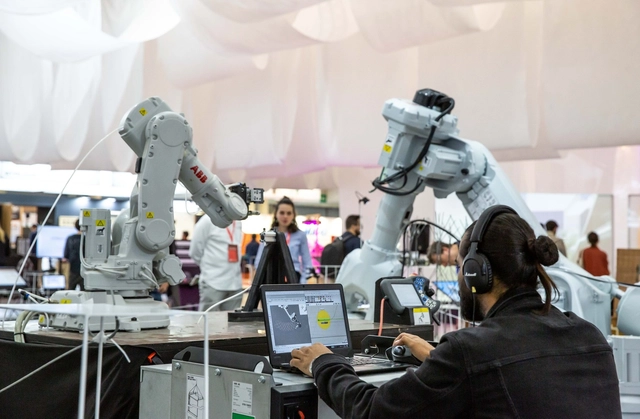
Automation has become a major talking point—not only for its potential to replace countless low-income or low-skilled jobs, but also for its capacity to render entire professional careers obsolete through artificial intelligence and machine learning.
At ArchDaily, we opened the floor to this discussion in 2017 with an in-depth report on the subject, and we recently turned to our Instagram audience to ask what they think about automation. Do they believe it will affect them? Our readers seem confident: some argue that architecture is an art—or rather, a discipline centered on emotions—even if they overlook the standardization and modulation processes already established in the real estate market. According to those who responded to our poll, this emotional dimension inherent to architecture is precisely what makes it harder to automate.
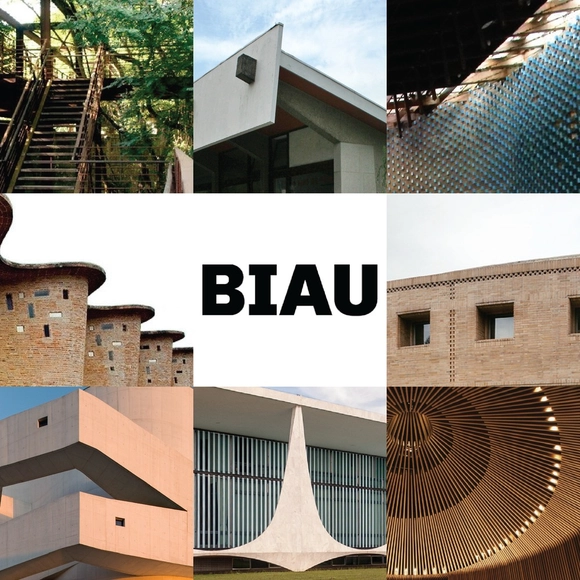
In each edition of the Ibero-American Biennial of Architecture and Urbanism (BIAU), the event honors masters of Ibero-American architecture with the Ibero-American Architecture and Urbanism Prize.
The Ibero-American Architecture and Urbanism Prize recognizes work "directly related to architecture and/or urbanism, highlighting its aesthetic, functional, technical, social, economic, and environmental aspects. This may include built work, planning, heritage conservation and restoration, knowledge production, or social commitment," as outlined in the competition guidelines.
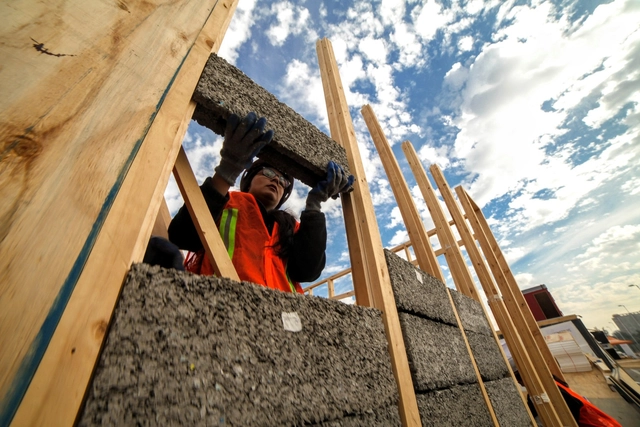
Organized by La Ruta Solar and sponsored by the Technological Center for Innovation in Construction (CTec), the Construye Solar initiative aims to "generate new capabilities within the sustainable construction sector in Latin America and raise public awareness of the economic, environmental, and social benefits offered by eco-friendly housing," as noted by the organizers.
What does it mean for an architecture biennial—especially a Pan-American one—to have reached more than 20 editions? Clearly, it represents a significant accumulation of participants, speakers, coordinators, and projects that over the years have not only showcased the sheer volume of regional production, but have also consistently reminded us of the potential of keeping both Latin American and global debate and exchange active.
For this reason, it is worth highlighting key figures and milestones. Both serve as empirical evidence of the historical development and reach of the Quito Architecture Biennial, helping us answer this initial question and understand why it is considered one of the most important architectural events in the Americas.
Today, Wednesday, November 21, the winners of the 2018 Gold Medal competition were announced as part of the XXI Pan-American Architecture Biennial of Ecuador (BAQ2018) in Quito.
The jury for the 2018 Gold Medal competition, comprising Astrid Petzold (Venezuela/Mexico), Ana Milovan (Uruguay), and Lucas Fehr (Brazil), determined the winning projects of the contest, which honors the best student work produced at Ecuadorian schools and departments of architecture between November 2016 and October 2018.
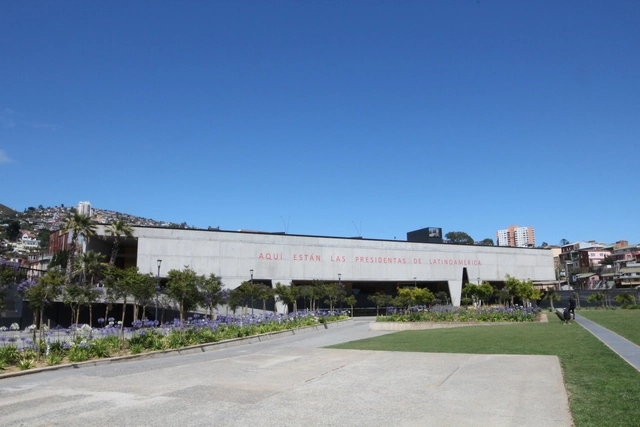
At a ceremony held on Monday, September 3, the Valparaíso Cultural Park, located in the Chilean city of the same name, was named the winner of the 3rd Rogelio Salmona Award. Organized by the Rogelio Salmona Foundation, the Latin American competition recognizes works whose architecture "clearly generates significant, open public spaces that are embraced and enjoyed by their community within a context of local and global communities."
Designed by the firm HLPS (Martín Labbé, Carolina Portugueis, Osvaldo Spichiger, and Jonathan Holmes), the Valparaíso Cultural Park is the result of rehabilitating the former Valparaíso prison, constructing a new cultural center, and converting the surrounding grounds into a public park.
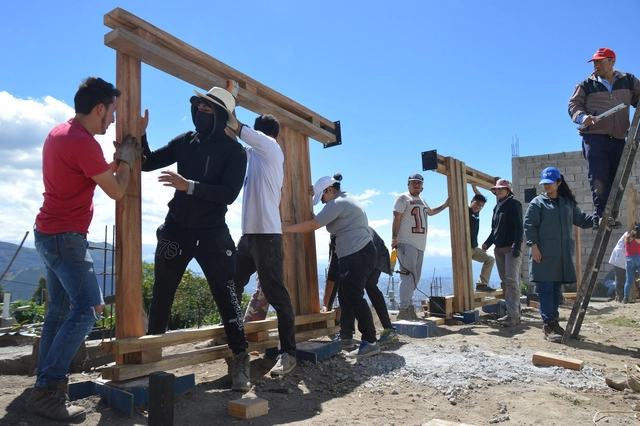
Created by the Ecuadorian firm ENSUSITIO, the Con Lo Que Hay Workshop is a course taught separately to architecture students at the Universidad Tecnológica Indoamérica (UTI) and the Pontificia Universidad Católica del Ecuador (PUCE), offering them the opportunity to work on their first real commission. As a result, students must navigate not only the design itself, but also engage with communities, clients, budgets, and, of course, their own peers.
"We do not see architecture as a product," write Enrique Villacís alongside Cynthia Ayarza and Lorena Rodríguez, co-founders of ENSUSITIO, who serve as the workshop's tutor and professional advisors, respectively. "It is an organic process built day by day alongside its inhabitants, from diagnosis to use and maintenance, including the *minga*—collective construction. Everything is built under the principles of 'what is available'—materials, local wisdom, and our own contributions that value ancestral knowledge within a contemporary context," they add.
On this occasion, we present three projects developed on the periphery of Quito: a collection center, a dining hall for an evangelical congregation, and an outdoor therapy space.
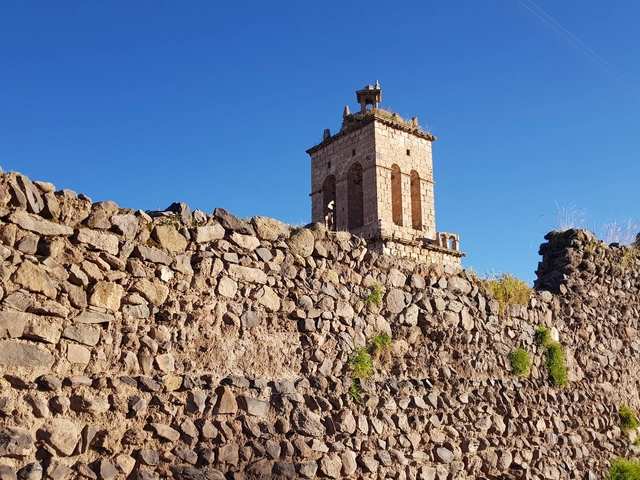
Popularly known as the Ciudad de las Cajas Reales (City of the Royal Coffers), Chucuito is a small Peruvian town located 20 kilometers from Puno at an altitude of over 3,800 meters above sea level. Boasting a privileged location on the shores of Lake Titicaca, it was once part of the ancient pre-Columbian Tiwanaku culture and served as the seat of government for the Lupaca kingdom. During the Spanish colonial era, it became a strategic tax collection center, and today it preserves a valuable architectural legacy throughout its streets.
Following our guide to Puno's must-see landmarks—on the occasion of the recent XV TSL Puno—we recommend seven sites in this town nestled in the Peruvian highlands. Due to the high altitude (and particularly at the San Bartolomé viewpoint), visitors are advised to tour these landmarks with a companion, walk at a measured pace, and chew coca leaves to prevent altitude sickness.