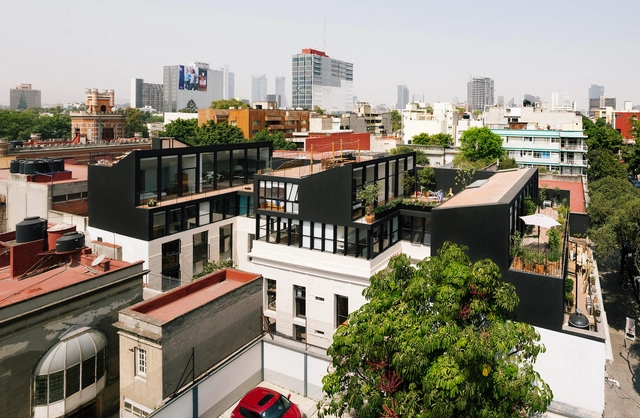


It has become evident that the spaces we inhabit have changed. The COVID-19 pandemic has forced us to appreciate values as lighting, ventilation, and comfort when working in home.
It has become evident that the spaces we inhabit have changed. The COVID-19 pandemic has forced us to appreciate values as lighting, ventilation, and comfort when working in home.
.jpg?1635378996&format=webp&width=640&height=580)
The city of Puebla—located in Mexico's central highlands—is particularly known for its street layout and predominantly Baroque architecture. A UNESCO World Heritage Site since 1987, it hosts a broad cultural dynamic centered on preserving its built heritage and appreciating it from a distance, as if it were a museum piece. Consequently, on our daily commutes we notice the monumentality of its facades, while often failing to realize that behind the massive wooden doors lies what we call “the heart of the Poblan home.”
.jpg?1634335575&format=webp&width=640&height=580)

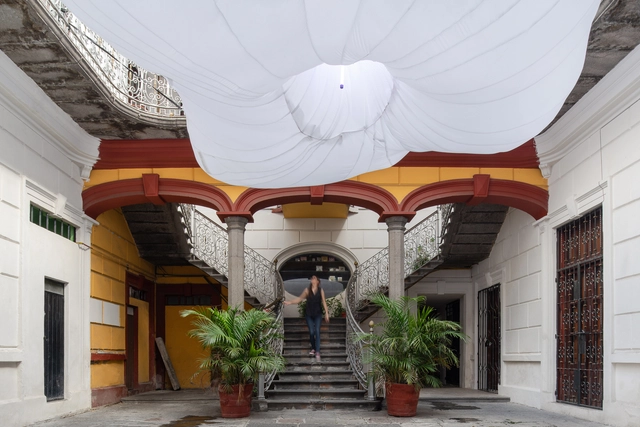
The city of Puebla, located in the central highlands of Mexico, is particularly well-known for its street layout and its predominantly Baroque architecture. A UNESCO World Heritage Site since 1987, it hosts a broad cultural dynamic centered on the preservation of built heritage and its appreciation from afar, as if it were a museum piece. Consequently, on our daily commutes, we notice the monumentality of its facades, while most often overlooking what lies behind the large wooden doors: what we have called “the heart of the Poblano home.”
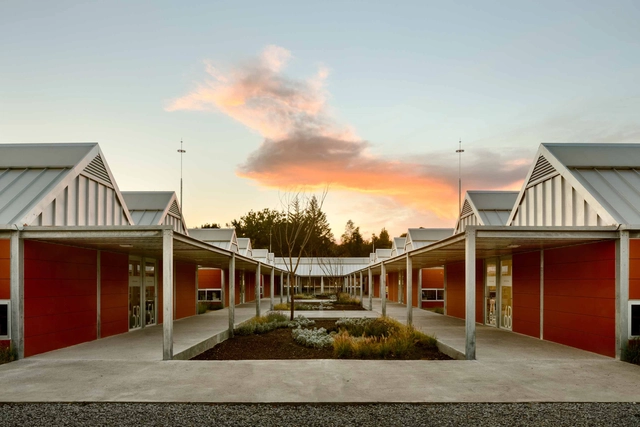
The state of Puebla is located in the central highlands of Mexico, bordering the states of Tlaxcala, Hidalgo, Veracruz, Oaxaca, Guerrero, Morelos, and the State of Mexico. Covering an area of 34,251 km², it is one of the country's most densely populated states. Its capital is Puebla de Zaragoza, and it is one of the leading landlocked states for tourism, featuring 9 "Pueblos Mágicos" (Magical Towns) and 3 UNESCO World Heritage Sites.
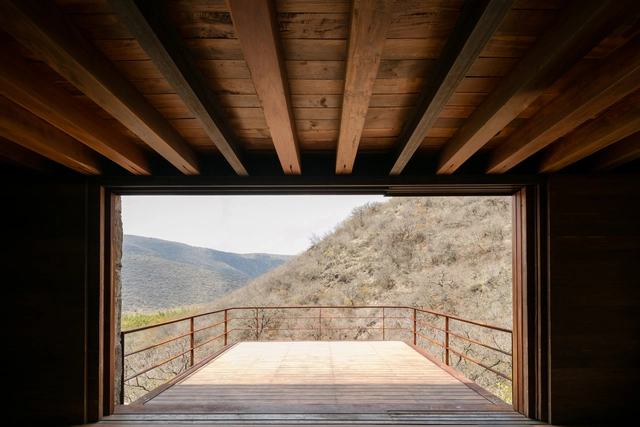
The history of Mexican photography has contributed to highlighting Mexico's presence in the world. Photographers like Elsa Medina, Lola Álvarez Bravo, Graciela Iturbide, Maya Goded, and Juan Rulfo have masterfully portrayed the life of the buildings, houses and the streets of a rapidly built, nineteenth-century Mexico.
.jpg?1635378835&format=webp&width=230&height=230&crop=true)
.jpg?1635378789&format=webp&width=230&height=230&crop=true)
.jpg?1635379152&format=webp&width=230&height=230&crop=true)
.jpg?1635378688&format=webp&width=230&height=230&crop=true)
.jpg?1635378996)
.jpg?1634335543&format=webp&width=230&height=230&crop=true)
.jpg?1634335549&format=webp&width=230&height=230&crop=true)
.jpg?1634335642&format=webp&width=230&height=230&crop=true)
.jpg?1634335700&format=webp&width=230&height=230&crop=true)
.jpg?1634335575)


