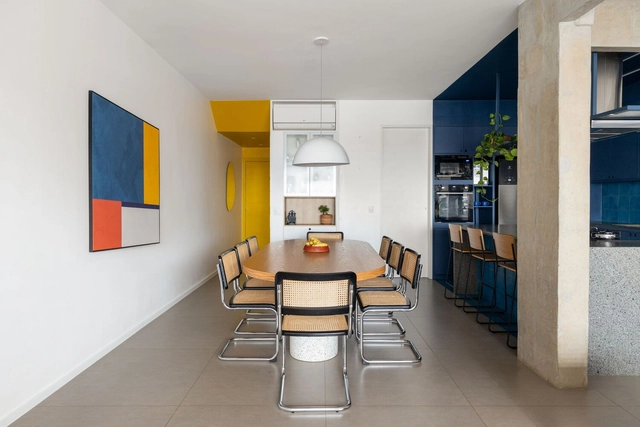





-
Architects: CODA Arquitetura
- Area: 142 m²
- Year: 2023
-
Manufacturers: Acervo Mobília, Cipó arte brasileira, Francisco Dias, Modo Mobiliário, Primavera Casa, +2
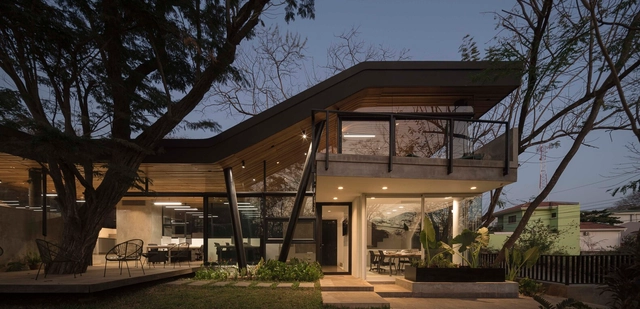
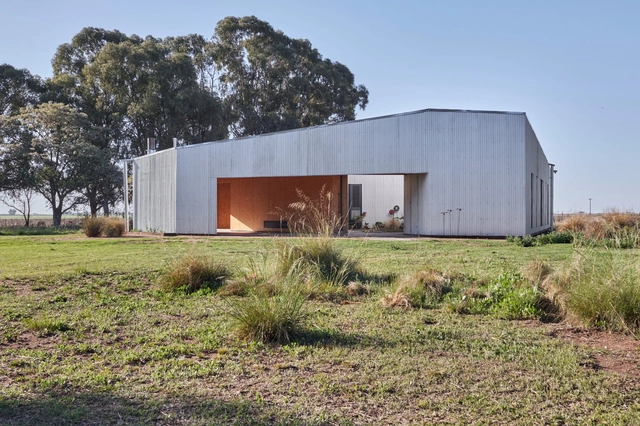
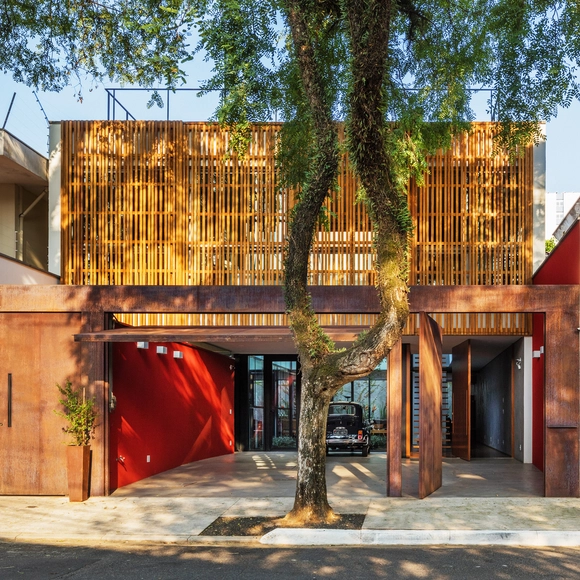
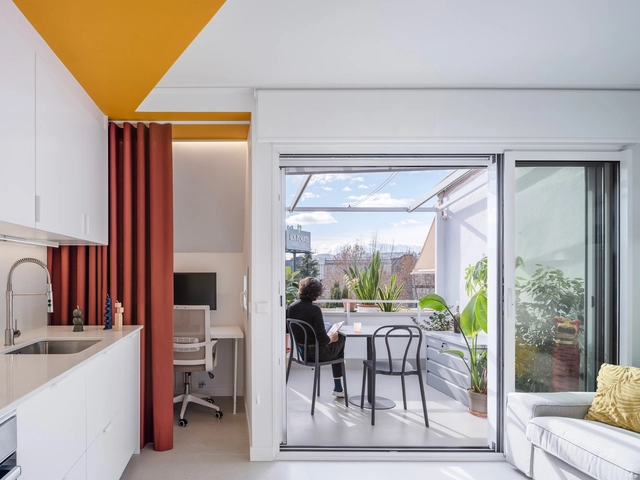
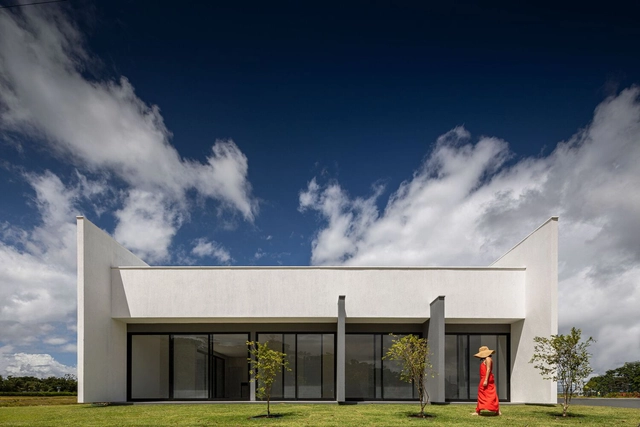
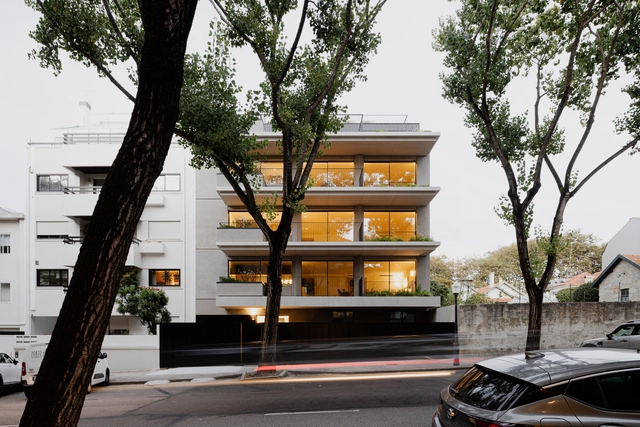
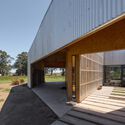
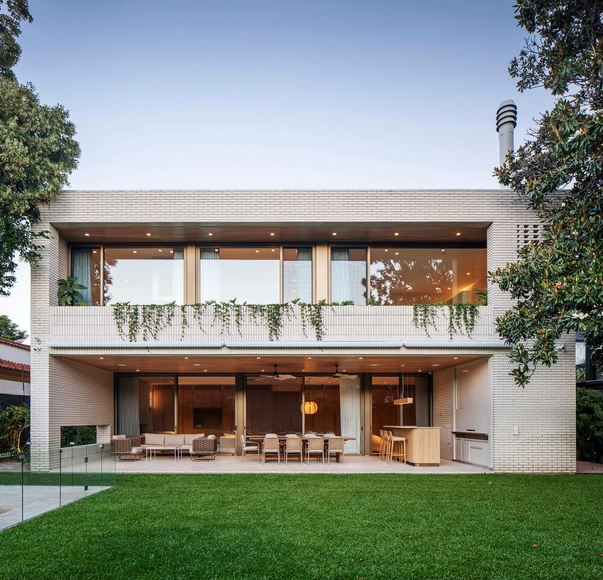
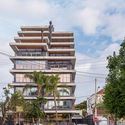
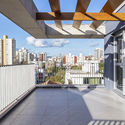
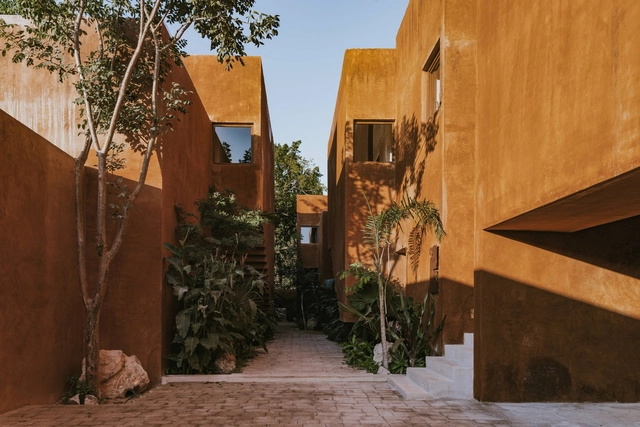
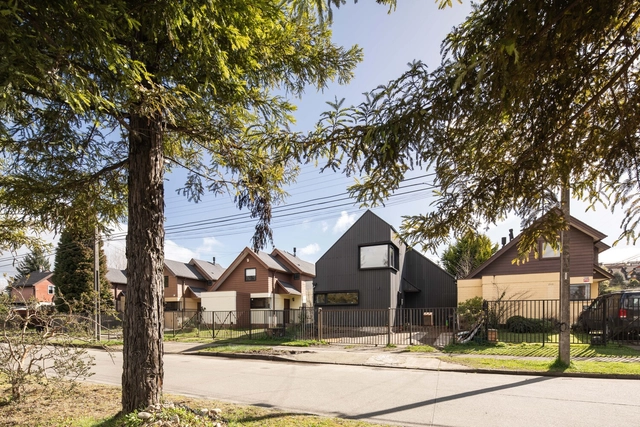
Houses are the most intimate structures we as architects can design. It is no coincidence that intimacy, security, and privacy are recurring concepts in residential architecture. Yet, like all architecture, houses are inevitably embedded in a context—an environment with which they must engage. There are many ways to achieve this, particularly within highly dense urban fabrics, as is the case in many Brazilian cities.


How is a city managed? What makes a good city? Approaching urban territory management from multiple perspectives, the Specialization in Cities offers a unique educational experience, training students in consulting, as well as the development and implementation of strategic management plans and projects for municipal territories.

As of July, 11 new Brazilian cities will join the Urban95 initiative. In total, 24 cities in Brazil have already committed to creating and strengthening actions focused on early childhood in public spaces, data management, programs, and services, ensuring these initiatives are transformed into public policies.
Urban95 begins with the following question: "If you were 95 cm tall (the average height of a three-year-old child), what would you do differently in the city?" With this vision in mind, the proposal is to design and implement urban transformation and service policies. The goal is to build cities that are good for children and, consequently, for everyone.
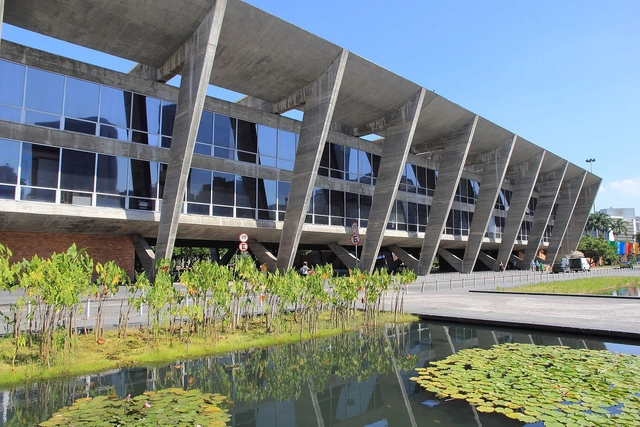
Professionals and students from several countries are about to participate in an unprecedented way in the world's largest architecture and urbanism event. The main program of the 27th World Congress of Architects (UIA2021RIO), which was scheduled to take place in July 2020 in Rio de Janeiro and postponed due to the coronavirus pandemic, begins on Sunday, July 18, in a 100% digital format for the first time in history. Through July 22, attendees will watch lectures by twenty of the most prominent names in global architecture and roundtables with more than one hundred internationally award-winning architects, as well as paper presentations, cultural activities, and awards. Since March, nearly 90,000 people from over 180 countries have been following the preparatory panels—an absolute record in the more than 70-year history of the event, which is held every three years by the International Union of Architects (UIA).

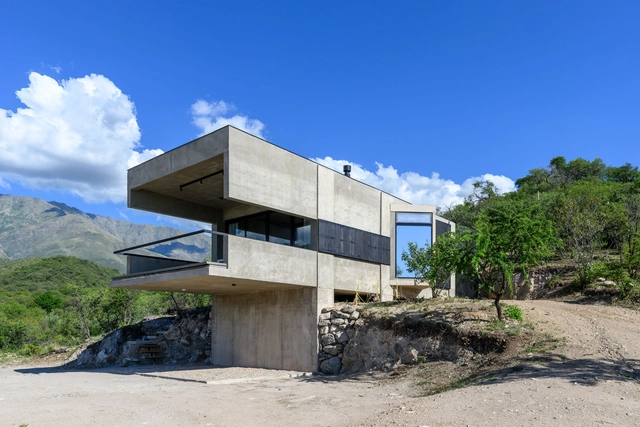
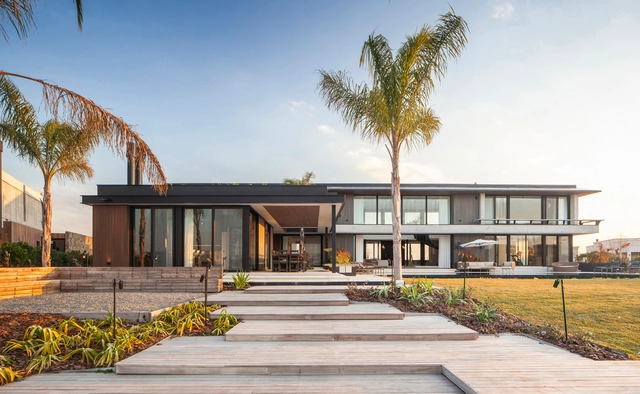
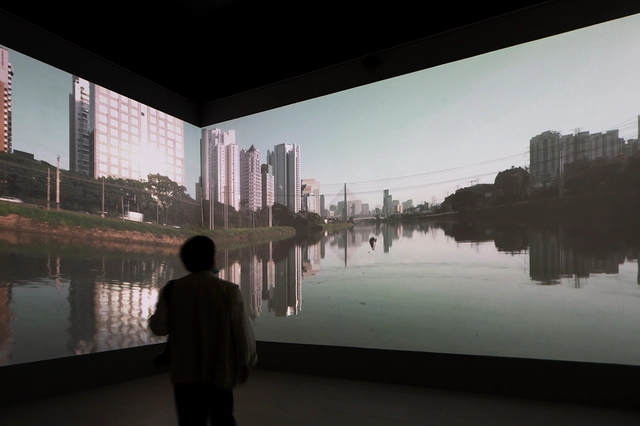
Since 1895, the Venice Architecture Biennale has taken place across various venues in the Italian city, bringing together the most representative examples of architectural production from around the globe. What is commonly known as the Venice Architecture Biennale is, in fact, the international architecture exhibition that forms part of a broader group of multidisciplinary showcases. As both an institution and an event, the Venice Biennale involves the simultaneous organization and promotion of international festivals and exhibitions spanning art, cinema, contemporary dance, and theater.

“Waking up early, waking the kids, making and serving breakfast, showering, bathing them, heading to the bus stop. The bag drops, the child throws a tantrum, the bus is late. Arms, backpack, child... you lose track of the order. First task of the day: the first bus and the kids arrive at school; then, rushing to another stop and another wait until the second bus arrives. Boarding, standing, dodging fatigue and harassment on the way to work. At lunchtime, a quick run to the pharmacy, and maybe the nearby open-air market. Or is today the day to stop by the butcher? Heading home from work: bags, purse, and exhaustion. A stop along the way to pick up the kids, and an inconvenient reminder of what's missing at home drives a detour to the grocery store before finally arriving back home as the day ends—though not before making dinner. Phew!”
This excerpt recounts a fictional day. However, this routine is the daily reality in many households, especially low-income ones, in peripheral areas, and in single-parent homes headed by women, where the drama of constant back-and-forth travel can be intensified by intersectional factors such as gender, race, social class, generation, territory, physical ability, and sexual orientation.