

-
Architects: SuperLimão
- Area: 615 m²
- Year: 2020
-
Manufacturers: Oficina 27, Resinaria, Teco Paisagismo
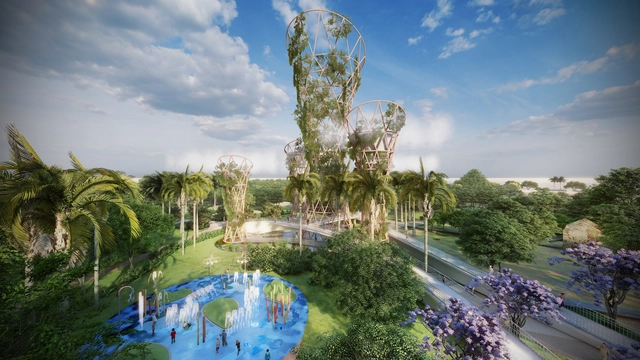
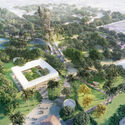
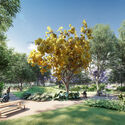
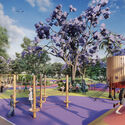
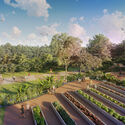
In September, the Rio de Janeiro City Hall began construction on the new Journalist Susana Naspolini Realengo Park, located in the West Zone of the state capital. Developed by the urban planning and landscaping firm Ecomimesis, the new park includes community gardens, a cultural route, a sports area, rain gardens, and an ecopoint (recycling station) for collecting and sorting all solid waste from the park.
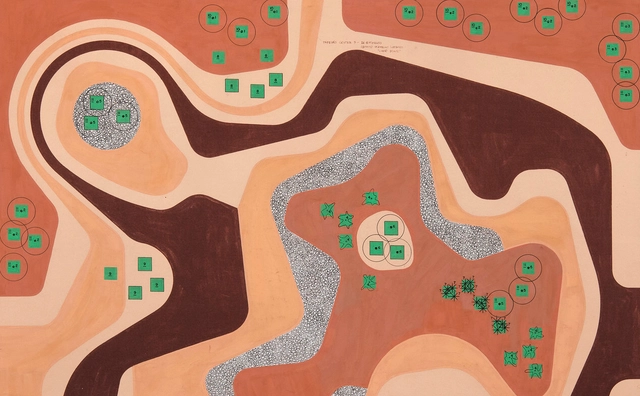
The Fiesp Cultural Center (CCF) is hosting the exhibition Built Landscape: São Paulo and Burle Marx through February 2023. Curated by Guilherme Wisnik, Helena Severo, and Isabela Ono, the exhibition features works from the Burle Marx Institute collection, highlighting urban ecology projects conceived by Roberto Burle Marx (1909-1994) and his collaborators in the city of São Paulo. It also showcases dialogues between his work and that of renowned architects like Rino Levi and Paulo Mendes da Rocha, alongside unbuilt proposals for public spaces such as Trianon Park, Ibirapuera Park, Vale do Anhangabaú, and Praça da Sé. The exhibition highlights his environmental activism and pioneering advocacy for the preservation of South American biomes through green city planning.
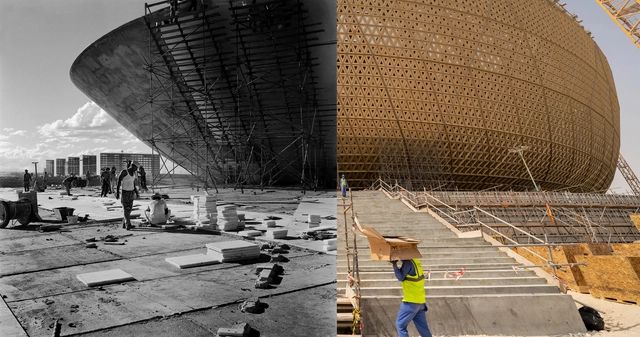
Sixty-two years separate the inauguration of Brasília and the opening of the 22nd edition of the FIFA Men's World Cup, hosted in 2022 in Qatar. Of course, it is not only their placement in time and space that differentiates these two historical occasions; we must also add the geopolitical context, the character, the actors, and the interests surrounding each. What, then, remains as a link between them? Beyond the fact that the emirate now has its own model city (Lusail)—built in the wilderness of the peninsula under the playbook of the latest urban and technological trends, echoing to some extent the avant-garde spirit of Brazil's Federal District at the time of its construction—the inextricable link between the two events lies in the construction sites that materialized the architecture hosting them.
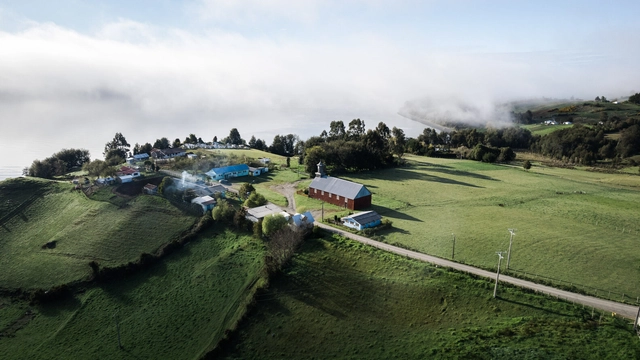
Buildings hold stories, but those who built them are the ones who tell them. Mañungo, a Chilote carpenter, narrates through his notebooks the cultural, identity-defining, and architectural history of 12 rural communities in the archipelago of Chiloé. Through ethnographic research, the study reveals the attributes and qualities of the churches belonging to these territories and their connection to the lives of their inhabitants.
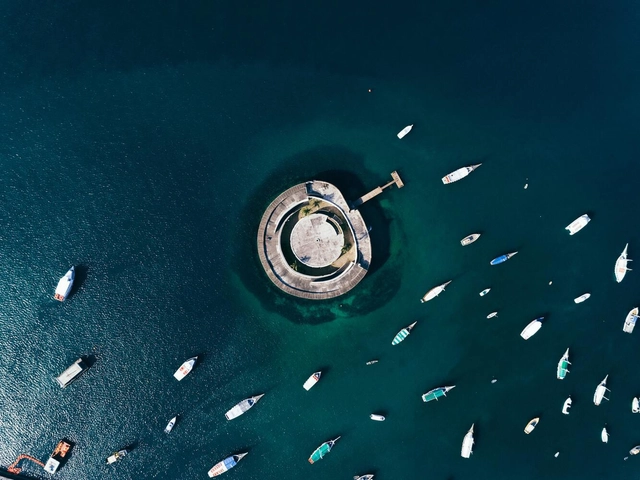
In 1972, Caetano Veloso announced in the song Triste Bahia that “the steamboat from Cachoeira no longer sails on the sea.” Indeed, ours is a generation unfamiliar with Salvador's nautical capacity, since most of us have not had the opportunity to experience the daily rhythm of a port city. A brief look at the records of photographers such as Marcel Gautherot, Pierre Verger, and Lázaro Roberto, from the 1950s to the 1970s, reveals that the daily dynamics along the waterfront were vastly different from those of today.

“The Ravages of War: My Heartfelt Account” is the new book by architect Marta Miret Rodríguez. It is an account written with the emotions stirred by the war in Ukraine—a country she knows well. Through her professional work as an architect, she lived there and experienced a profound humanistic and architectural connection. This experience enabled her to put her feelings into words, conveying the impact of this harrowing war and what it has awakened within her.

This book compiles reflections from four academics from various national universities on the city, urbanism, public space, mobility, and transportation. It is the product of "Conversations by the Wayside," a series of interviews developed by Corporación Pedaleable in collaboration with Ediciones de Arquitectura in response to the global COVID-19 pandemic. Currently, literature on sustainable mobility and urban planning from everyday, interdisciplinary perspectives remains scarce and under-disseminated. This is what motivated us to reach out to various stakeholders in academia, public policy, and urban practice to discuss and exchange ideas regarding the issues surrounding these concepts.
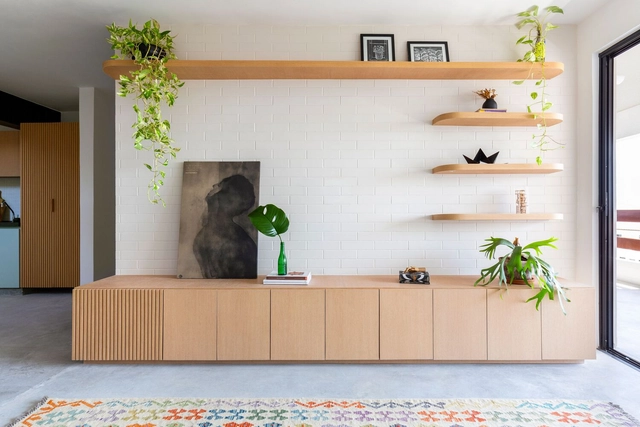
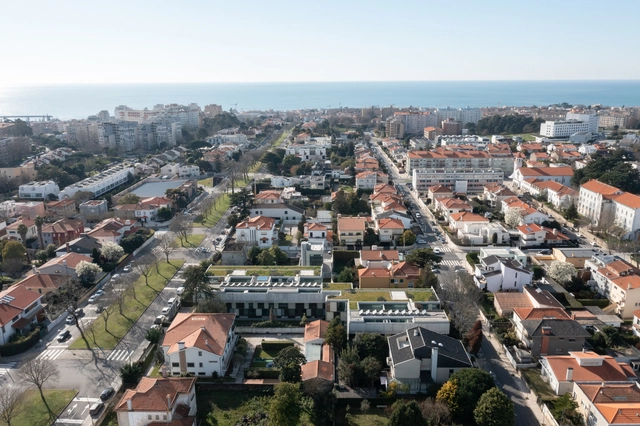
No País dos Arquitectos is a podcast created by Sara Nunes, who also runs the architectural film production company Building Pictures. The podcast aims to profile the professionals, projects, and stories behind leading contemporary Portuguese architecture. With just over 10 million inhabitants, Portugal is a highly compelling country within this professional field, and its architectural output punches far above its weight relative to its population or territorial scale.
In this episode of the fourth season, Sara talks with Graça Correia and Roberto Ragazzi, from the firm Correia/Ragazzi Arquitectos, about the Marechal 720 project, in which the architects sought to reinterpret "the new bourgeois house of Porto." Listen to the conversation and read part of the interview below.
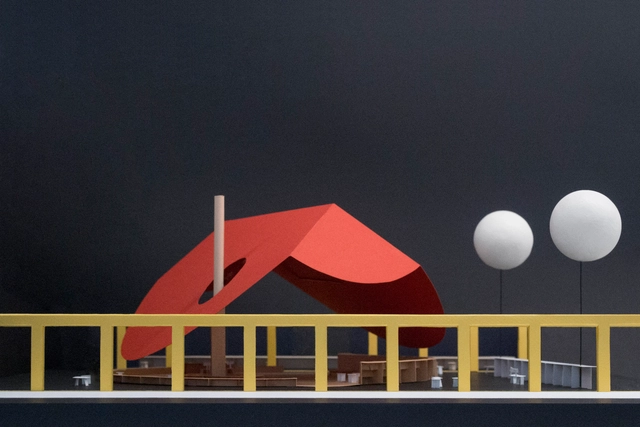
From February 22 to 26, 2023, the International Contemporary Art Fair ARCOmadrid will take place at IFEMA Madrid. HANGHAR and estudio DIIR, both Madrid-based architecture firms, have been selected to design the fair's VIP Lounge. Its central theme, "The Mediterranean: A Round Sea," serves as the starting point and inspiration for this proposal, titled VERBENA.

- Financial management demystified: learn the core concepts
- Discover the benefits of effective financial control
- Practical tips for managing your business's financial health
- How the Vobi financial management module works
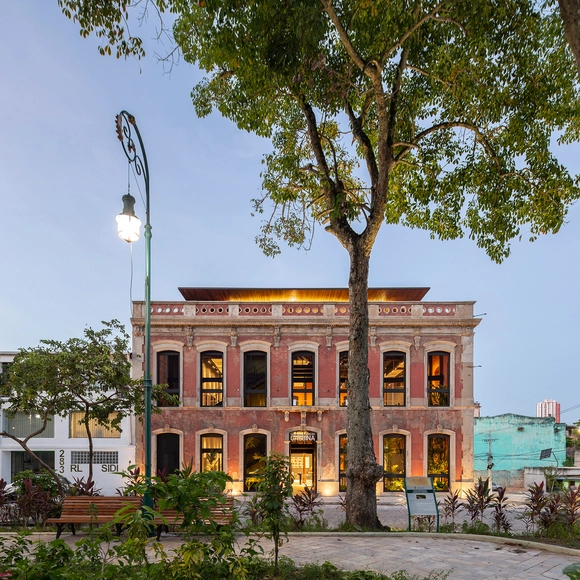
The Saint-Gobain Group and the Brazilian Association of Architecture Firms (AsBEA) have announced the winners of the 9th edition of the Saint-Gobain AsBEA Architecture Award. The award celebrated projects that offer comfort and innovative solutions, while also preserving the environment and promoting sustainability within the Brazilian construction industry.
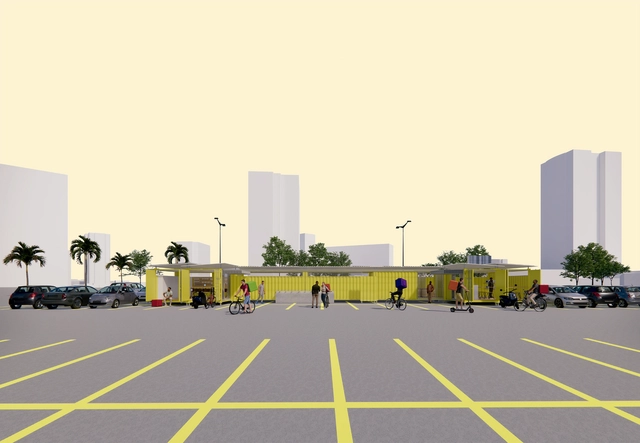
The 7th {CURA} Award has announced the winners of its competition, which focused on designing support facilities for app delivery workers. The competition invited participants to design across three scales — city, building, and furniture —, offering a comprehensive response to the needs of these professionals whose work grew more widespread yet increasingly precarious during the Covid-19 pandemic.
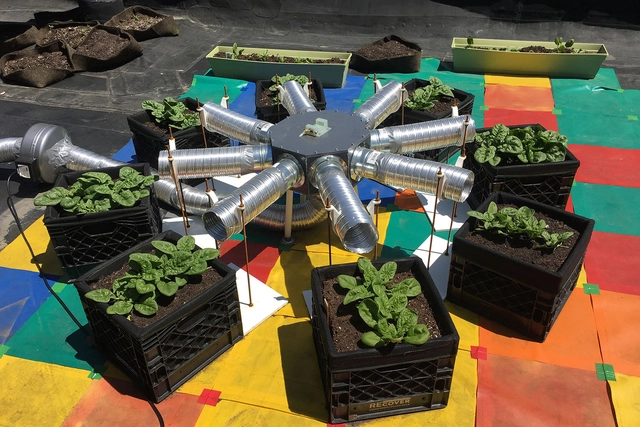
Rooftop farms and urban gardens are popular options for providing food in cities while mitigating heat islands, increasing building thermal insulation, and improving air quality. However, these plants often end up smaller and less healthy, as they suffer from higher solar radiation, wind exposure, and low soil moisture.
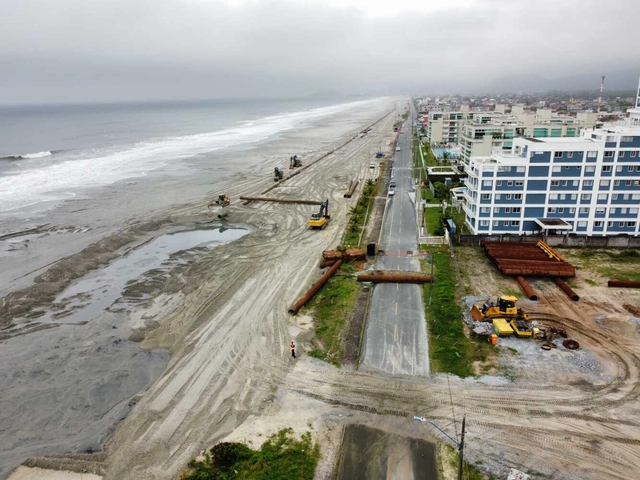
Brazil is currently the sixth country in the world most affected by climate disasters, according to the United Nations. The primary issues are waterlogging and flooding, as they bring windstorms, landslides, and flash floods. One in three disasters in Brazil falls into this category — with more than 10,000 official occurrences recorded between 1991 and 2010.