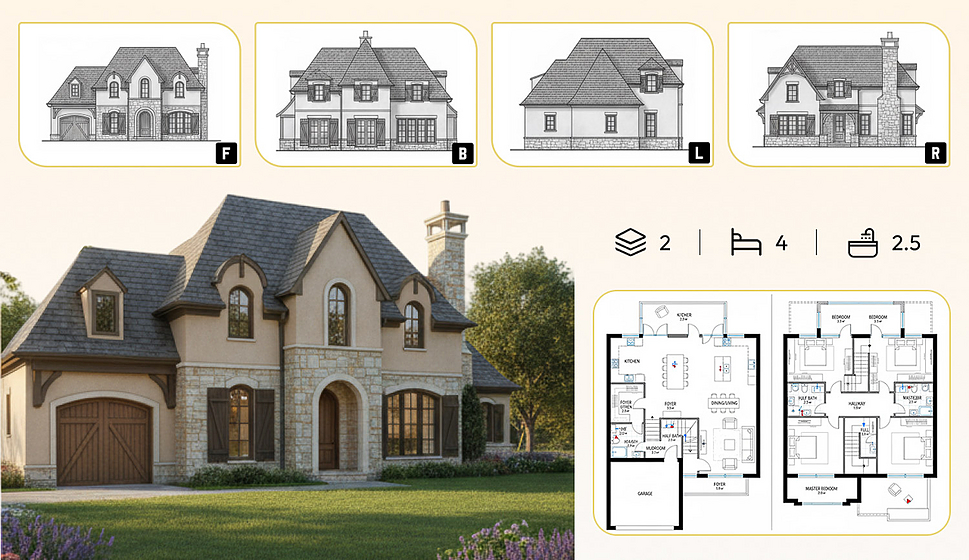
This guide covers a workflow that moves from project parameters to generated floor plans, 3D perspective views, exterior design exploration, and site context visualization, using AI tools in place of preliminary CAD and rendering work.
This guide covers a workflow that moves from project parameters to generated floor plans, 3D perspective views, exterior design exploration, and site context visualization, using AI tools in place of preliminary CAD and rendering work.
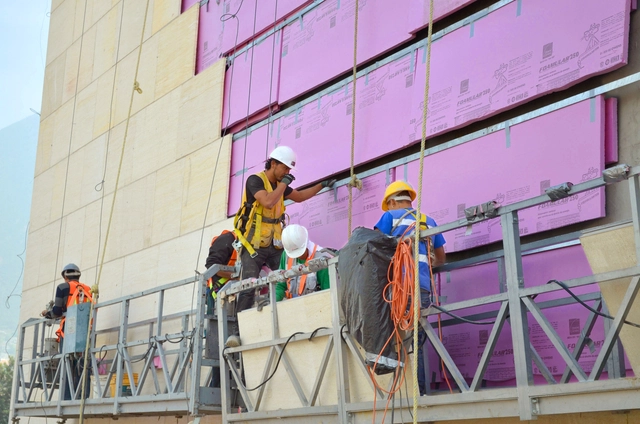
In architecture and design projects, specifying thermal insulation within the structure is essential. Why is thermal insulation necessary? Defined as a material's ability to resist heat or cold transfer via conduction, insulation plays a key role in building performance. According to the Official Mexican Standard, insulation requirements are fundamental to ensuring indoor thermal comfort.
In the search for new solutions to address temperature fluctuations, a new high-performance insulation formula has emerged: Foamular®. Adaptable to various construction applications, this new offering stands out for its durability, versatility, and strength.
Today more than ever, finding the right alternatives to promote sustainability is essential. Current and future architectural trends are increasingly global, ecological, and inclusive. Developing buildings based on sustainable practices is one of the key challenges for the architects of tomorrow to reduce conventional energy demand, mitigate environmental impact, and preserve the quality of life of their occupants.
Sustainable building goes beyond the proper use of materials and strategies to construct a green property. It is about fostering the well-being of its occupants while reducing the environmental footprint of their daily activities within the space.
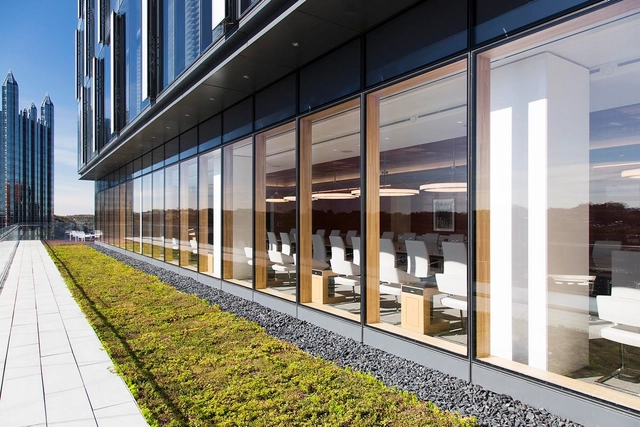
Whether for a facade, window, or door, choosing the most suitable glass for a building can be a complex decision. Driven by recent technological advancements, improvements in manufacturing have yielded a wide range of options, from glass in a broad spectrum of colors to low-emissivity (low-E) glass that enhances energy efficiency. With such variety on the market, how do you determine the best type of glass for a project? Essentially, the answer depends on two sets of needs: those of the space and those of the client. While the project type (and its spatial and climatic context) can determine the dimensions or the required amount of light, thermal insulation, and acoustic insulation, the user can influence factors like security or aesthetic preferences for color and transparency.
.jpg?1653495822&format=webp&width=640&height=580)
The exhibition "Intervención / Intersección," curated by Su Wu at the Rockefeller Center, reflects on the history of intellectual and creative porosity between Mexico and elsewhere. This is MASA's first exhibition in New York, featuring functional works by prominent Mexico-based designers, architects, and artists alongside canonical artworks that themselves suggest what artists have long sought in the country.
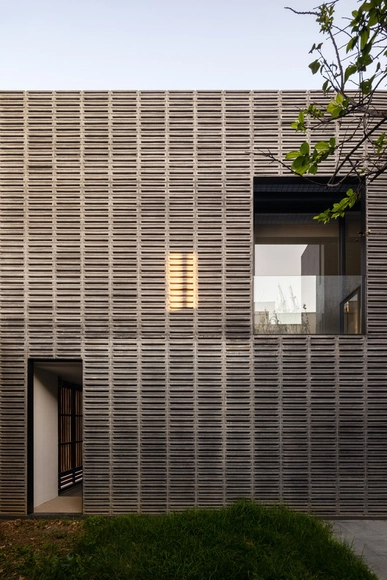
As an architectural element, screens have a long history. Used since antiquity in Egypt and Greece, as well as in traditional Hispano-Islamic art, they have enriched countless spaces with their repetitive patterns and intricate designs. To this day, they maintain their value through aesthetic qualities and excellent functional characteristics, playing a prominent role in the facades and partition walls of many contemporary architectural projects—especially in residential ones.
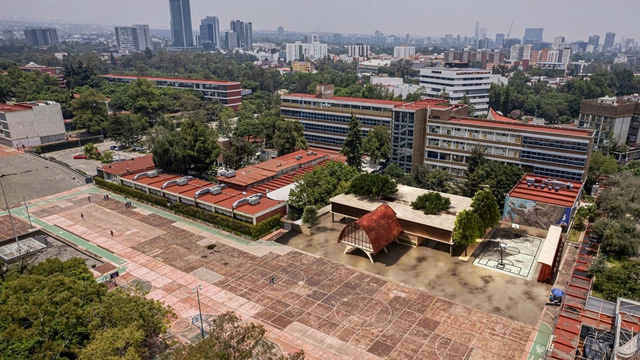
For 37 years, since 1985, the Faculty of Architecture at the National Autonomous University of Mexico (UNAM) has organized and hosted the Alberto J. Pani Architectural Composition Award, aiming to bring together the top students from member institutions of the Association of Architecture Education Institutions of the Mexican Republic (ASINEA). The event is organized in collaboration with an ASINEA member institution, which this year is the Faculty of Architecture at the Universidad DeLaSalle Bajío in León, Guanajuato.
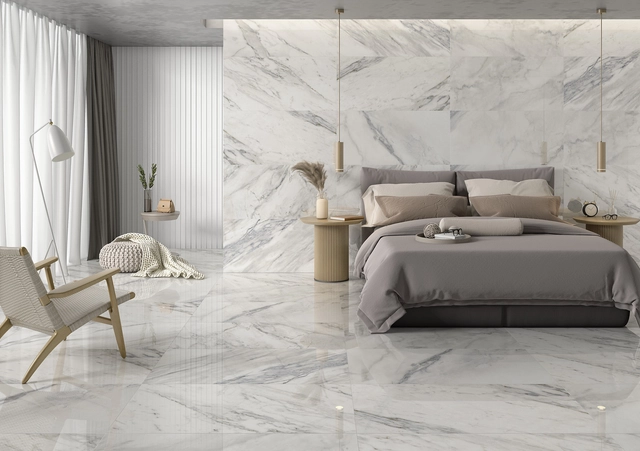
Interior architecture is undoubtedly much more than the composition of aesthetically appealing environments. From building materials and thermal conditions to finishes and furniture, every design decision directly affects user comfort. However, this relationship between design and well-being is most evident at the residential scale, particularly as more than two years of the pandemic forced many to spend more time at home. This has positioned the home at the center of spatial renovation, transforming it into an environment dedicated to tranquility and health. Consequently, well-being is not a mere passing trend. While brought to the forefront by the pandemic, today it is a design movement that is here to stay—one to which every material and product must respond.
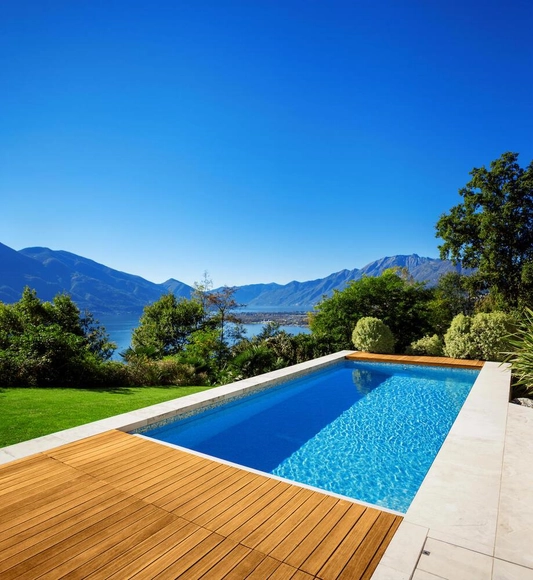
Beyond its shape, size, and location, the process of building a swimming pool involves selecting various technologies, solutions, and materials to achieve proper waterproofing. While we often focus on the exterior aesthetics of a pool, are we aware of what lies beneath its finishes? Much like an "iceberg effect," pool design and construction companies such as CREST have developed a range of essential products that lie below ground level, applied through four specific steps: surface preparation, finish installation, grouting, and maintenance.
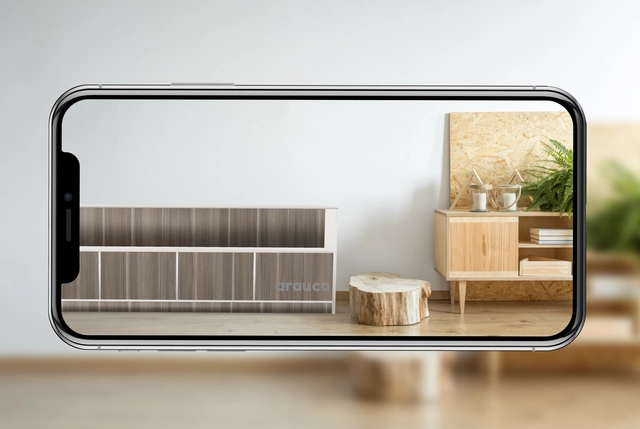
The digital age has always provided tools to design future products and designs. However, alongside technological advancements, new applications have emerged that are carving out a distinct niche in the design world, bringing the process increasingly closer to the end user.
By quickly scanning a QR code with a smartphone or tablet, users can immerse themselves in a virtual reality experience. In doing so, Arauco’s new application allows users to explore the various collections available to transform their homes.
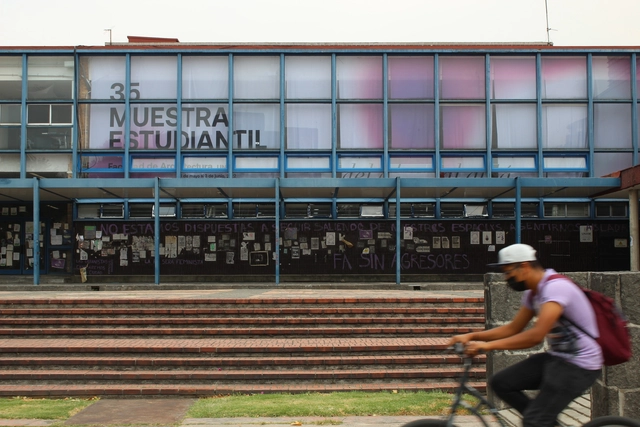
If we had to return to the beginning, which beginning would it be? The last two years have left a deep mark on all of us, like an incision on our skin. Yet at the same time, each of these marks is so unique and diverse that it would be impossible to say we have all gone through the same experience. At the UNAM Faculty of Architecture, these two years were defined by two key moments in our history: the COVID-19 pandemic itself, which introduced us to new ways of learning and teaching; and a student strike against gender-based violence—organized by female student collectives—which became the longest student strike on record at the school.
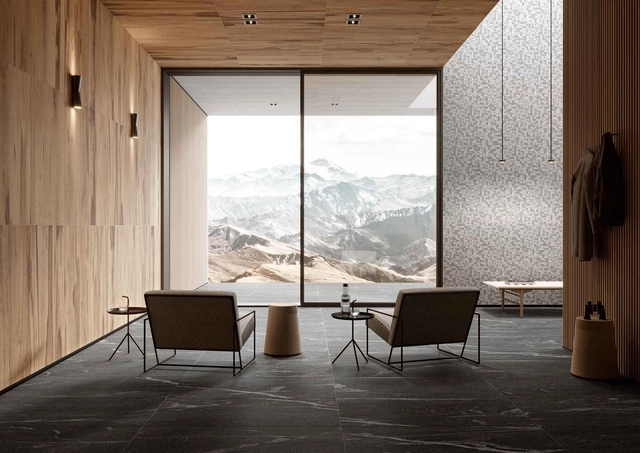
As the climate crisis intensifies and the lingering effects of the pandemic remain evident in daily life, topics like sustainability and health are more relevant than ever. This explains the rise of biophilic design, a trend characterized by connecting architecture—and, by extension, the user—with the inherent benefits of nature: comfort, calm, and well-being.
Consequently, demand has shifted toward objects and materials capable of bringing nature indoors, whether through decorative elements, vegetation, or wall and floor tiles. However, to ensure functionality within an interior space, these products must ideally combine a natural aesthetic with practical qualities such as durability and low maintenance.
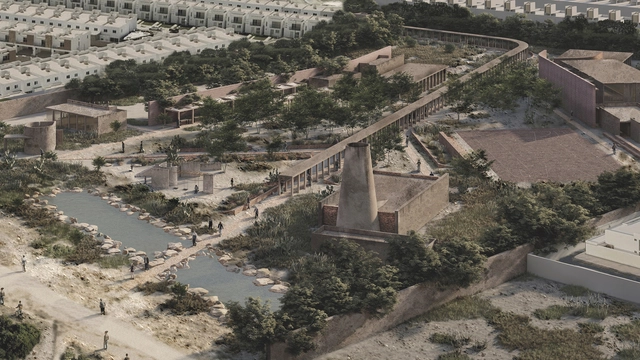
On Friday, October 14, the jury announced its decision for the Long Stage of the 38th Alberto J. Pani Architectural Composition Award, organized by the Faculty of Architecture of the National Autonomous University of Mexico, in collaboration with an institution of the Association of Architecture Teaching Institutions of the Mexican Republic (ASINEA)—which this year was the Faculty of Architecture of the Universidad De La Salle Bajío in León, Guanajuato.

Servidor Local is a connection point, a forum where dialogue takes place; it is, in essence, a sanctuary for ideas, diversity, and exchange. As a platform, it drives cultural, art, and design projects that champion narratives with a social impact, aiming to benefit the immediate environment and spread along the paths of its visitors.

Offering productivity levels 50% higher than previous models, HP introduces its new range of large-format printing solutions, HP Latex. The series consists of four devices—the HP Latex 700 and 800, and the HP Latex 700W and 800W—bringing white ink printing capabilities to this category for the first time. Print jobs run on this new series will not only deliver brighter colors and finer details, but will also do so at even faster print speeds, reaching up to 36 m2 per hour.
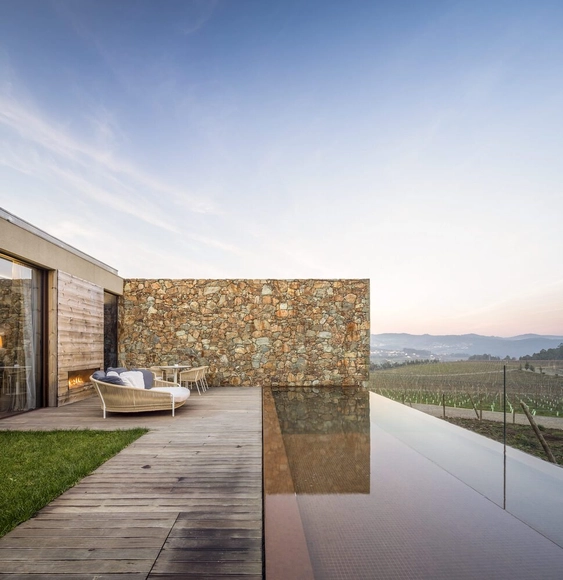
No País dos Arquitectos is a podcast created by Sara Nunes, who also runs the architectural film production company Building Pictures. The podcast aims to profile the professionals, projects, and stories behind landmark contemporary Portuguese architecture. With just over 10 million inhabitants, Portugal is a highly intriguing country in this professional field, and its architectural output far exceeds what its small population and territorial scale might suggest.
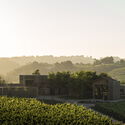
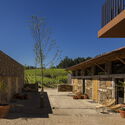
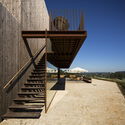
In this episode of the sixth season, Sara talks with architect Fernando Coelho of the firm FCC Arquitectura about the Monverde Rural Hotel project, located in Quinta da Lixa. Listen to the conversation and read an excerpt of the interview below.
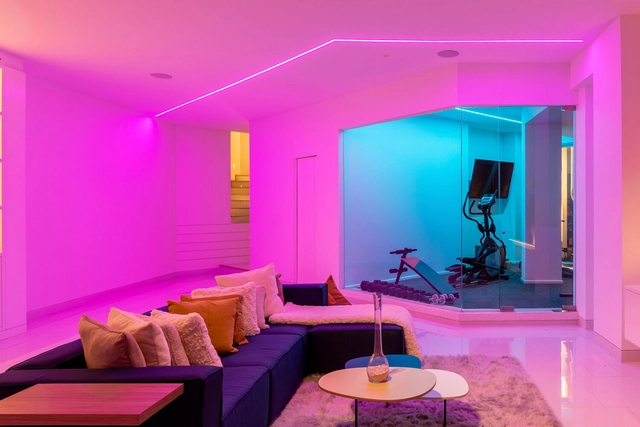
The history of light has undergone various transformations over the centuries; its intrinsic relationship with architecture itself has sparked expressions and critiques that, beyond serving as a tool to illuminate the inhabited world, directly influence how we perceive it and how the built environment is produced. Every lighting project is directly tied to its own understanding of quality, class, interpretation, intention, and meaning.
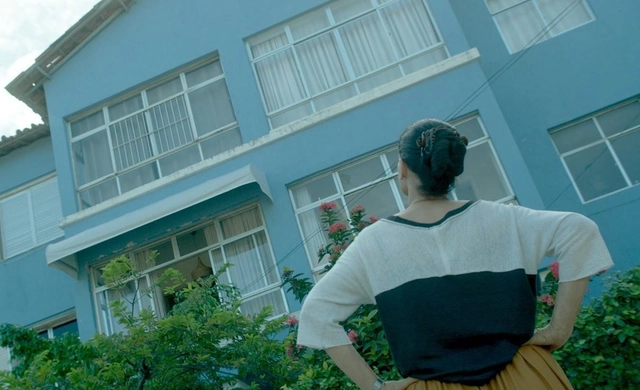
Set in Recife, specifically along Boa Viagem beach, Aquarius (2016) portrays a conflict experienced in many cities worldwide. Unfolding in parts, the film draws a parallel between the protagonist's personal struggles and her fight against a real estate developer seeking to acquire her apartment to make way for a new development.
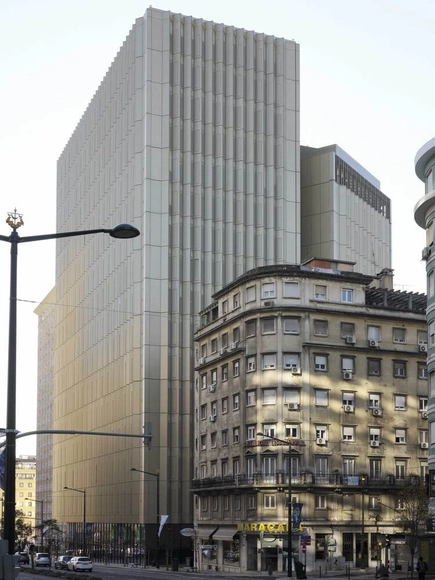
No País dos Arquitectos is a podcast created by Sara Nunes, who also runs the architectural film production company Building Pictures. The podcast aims to profile the professionals, projects, and stories behind landmark contemporary Portuguese architecture. With just over 10 million inhabitants, Portugal is a highly compelling country in this professional field, and its architectural output far exceeds what its population or territorial scale would suggest.
In this episode of the sixth season, Sara talks with architect Patrício Barbas, from the firm Barbas Lopes Arquitectos, about the FPM 41 project. Listen to the conversation and read part of the interview below.
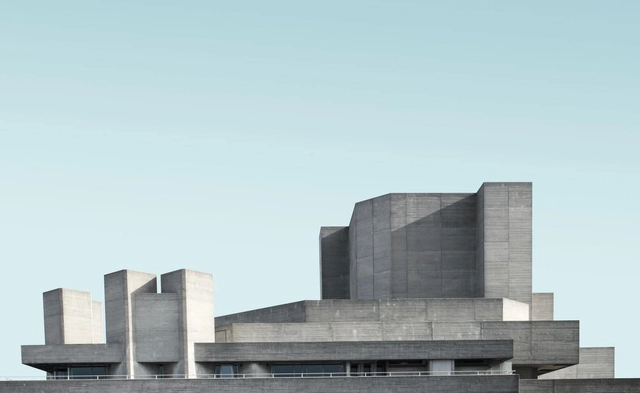
An architectural movement that emerged in the 1950s, Brutalism spread across several continents over the following decades. In this conversation, Arquicast goes beyond mere historiography to explore the legacy of this mode of spatial production and iconic buildings.
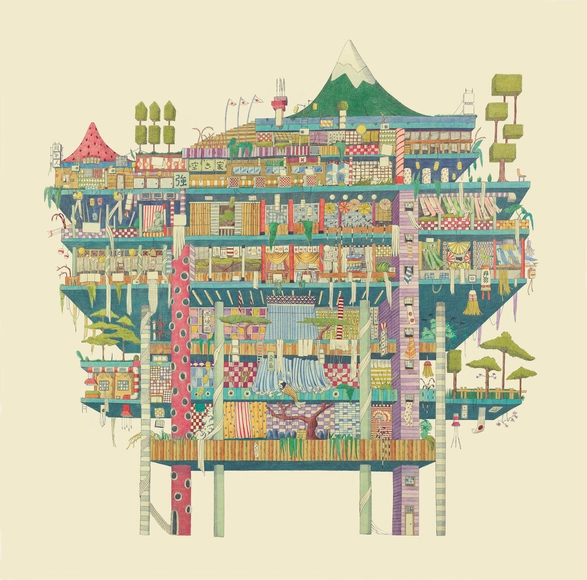
No País dos Arquitectos is a podcast created by Sara Nunes, who also runs the architectural film production company Building Pictures. The show aims to introduce the professionals, projects, and stories behind leading contemporary Portuguese architecture. With just over 10 million inhabitants, Portugal is a fascinating country when it comes to this professional field, and its architectural output far exceeds its population or territorial scale.
In this episode of the fifth season, Sara talks with designer Ana Aragão about her illustrations dedicated to architecture and cities. Listen to the conversation and read part of the interview below.
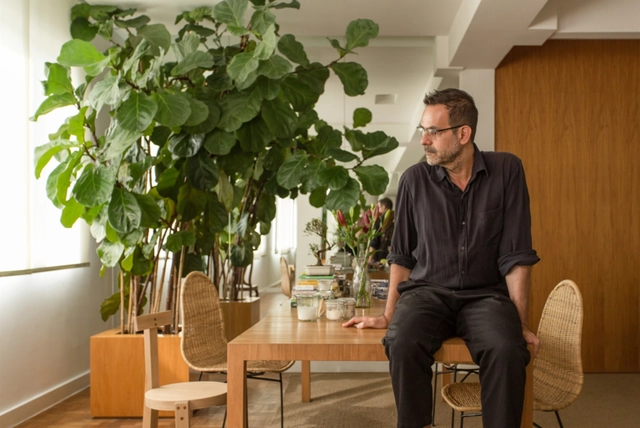
During Rio2C, the Arts&Crafts stage hosted another special episode of Arquicast for a live recording. This time, the guest was Alberto Renault, a set designer, writer, screenwriter, theater and TV director, as well as an International Emmy nominee and creator of several series, such as “Casa Brasileira,” “Lar: Vida Interior,” “Morar,” and “De Casa em Casa.”
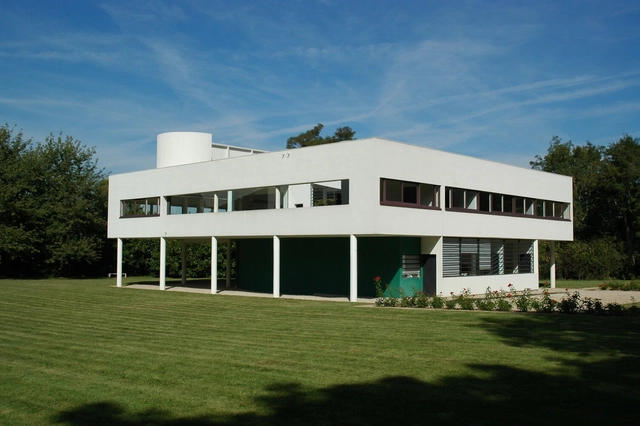
In another episode dedicated to architectural landmarks, Arquicast centers on the iconic Villa Savoye, a milestone in the history of 20th-century modernist architecture. Guest PC Lourenço offers an in-depth analysis of this architectural icon and its paradigms, providing an insightful look into its enduring significance and influence. The episode is also available in video format, allowing viewers to follow the discussion alongside photos and technical drawings of the building.
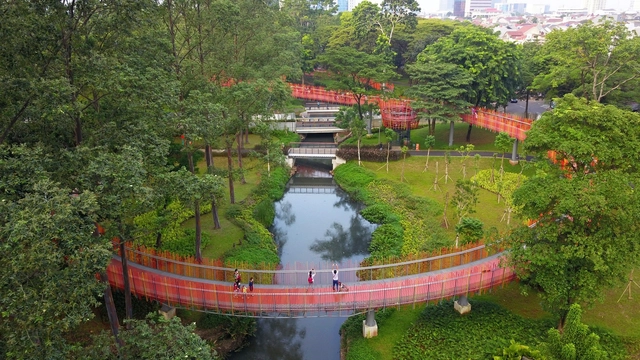
In another episode on quality of life and connection with nature, Arquicast explores a topic that has become even more relevant in recent times: public open spaces in cities, with a focus on precious, revitalizing green spaces—urban parks and plazas. In an increasingly urbanized world, the search for places to connect with nature has become essential. The discussion is enriched by two special guests: Luciana Jesus, an architect, urban planner, and leader of the Urban Landscape and Inclusion research group at the University of Vila Velha; and Klaus Chaves Alberto, a PhD in urbanism and researcher in the field of health, well-being, and quality of life at the Federal University of Juiz de Fora.

mobility, but also for other urban functions, bringing greater complexity to the use, occupation, and development of cities, as well as stairways, elevators, sidewalks, and bike lanes, among other active mobility devices. All of these structures are known as “architectures of mobility.”