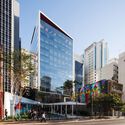
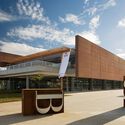
The 13th International Architecture Biennial enters its final week of activities—ending on Sunday, July 17—and brings very special attractions for those who have already visited or have yet to experience the Biennial.
Between July 8 and 17, the event features debates, conferences, short film screenings, a cycling tour, and much more, in this first in-person edition since the pandemic. The exhibition has been running since May 27 at Sesc Avenida Paulista and Centro Cultural São Paulo.
https://www.archdaily.com/1132433/last-week-to-check-out-the-attractions-of-the-13th-sao-paulo-architecture-biennialArchDaily Team
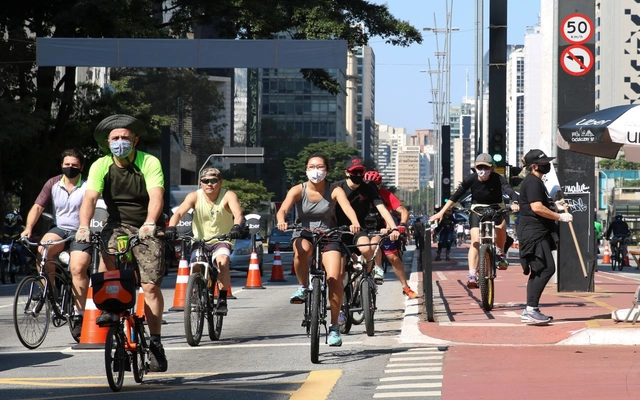
The use of bicycles in urban areas has been steadily increasing. Health, leisure, cost savings, convenience—there are numerous reasons and benefits driving this choice. However, for people to choose cycling, a fundamental factor must be met: safety during the ride, which is primarily provided by bike paths and lanes. To highlight this, we present a ranking of which Brazilian capitals prioritize cyclists and the quality of their routes, fostering the construction of a better city through active mobility.
https://www.archdaily.com/1132001/ranking-of-bike-paths-and-lanes-in-brazilian-capitalsArchDaily Team
Approximately half of the children and young people between five and 14 years old killed in traffic worldwide are pedestrians, and nearly one-third are passengers in motorized vehicles. In Brazil, traffic is the leading cause of unnatural death for children in this age group. According to data from the Brazilian Association of Traffic Medicine, between January and August 2021 alone, the Unified Health System (SUS) recorded more than 6,000 children and youth hospitalized in serious condition due to being struck by vehicles in the country.
Reversing this scenario requires making our streets safer and more comfortable for walking, focusing primarily on the needs of children. A city that works for children is a more prosperous and pleasant city for its entire population.
In urban planning discourse, advocacy for public transit is as widely agreed upon as it is frequently repeated. Proposals such as transit-oriented development (TOD), which advocates for coordinating urban density with transit corridors, have gained traction over recent decades. They have moved from academia into the recommendations and case studies of institutions like the World Bank, into political platforms and official documents, and are already visible in various urban interventions worldwide—from Curitiba to Toronto, and particularly in Asia.
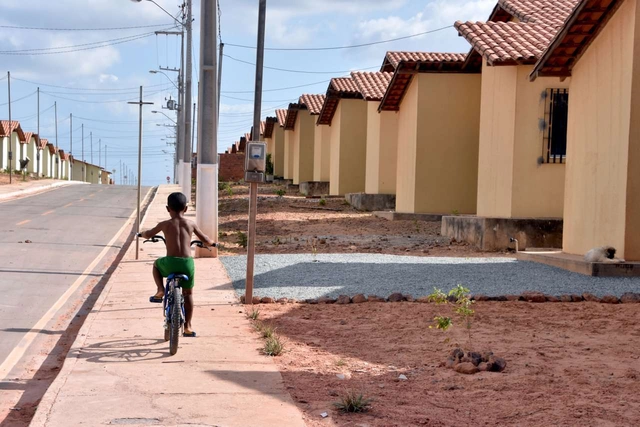
For another episode in the series on Social Interest Housing (HIS), Arquicast has selected a crucial chapter of our recent history: the Minha Casa Minha Vida Program (MCMV). The episode discusses the foundations of the so-called housing deficit, the program's progress, and its shortcomings.
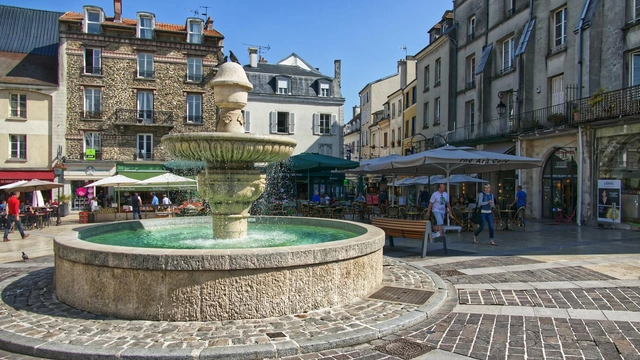
Place de la Fontaine, Lagny-sur-Marne, France. Photo by Pascal Bernardon, via Unsplash
A direct consequence of global warming, heatwaves have become increasingly devastating and frequent with each passing summer. The most recent of these has been sweeping across Europe for days, worsening in western nations, such as Belgium and the United Kingdom. The melting runway surface at Luton Airport and the fires in the village of Wennington, London, and in Calatayud, southwestern Spain, are just some of the incidents that underscore the critical scale of this crisis.
The question in the title of this article stems from the premise that if cities—in modern terms—are spatial entities possessing an originating and demarcating point of development, then they must also possess an equivalent point (or line) of finitude. One could easily resolve this question by turning to cartography. From an administrative and organizational perspective, maps allow us, to some extent, to define the boundaries of any urban agglomeration. However, the boundaries set by scalar representation fail to dismiss this reflection, as our perception of the city is far more complex. As Ferrão (2003) suggests, in a formulation that encompasses the socio-political dimension of the issue alongside geography and architecture: the city is an “object of increasingly invisible contours.”
https://www.archdaily.com/1132101/where-does-a-city-begin-and-where-does-it-endJoão G. Santos
Since 2011, the Aromeiazero Institute has been promoting the "Bike Parada não Rola" (A Stationary Bike Doesn't Roll) campaign. The initiative partners with residential building managers to identify abandoned bicycles in condominium bike racks.
"Less is more!", "ornament is a crime", are some of the modern phrases that shaped the western architectural language in the last century and still continue to be a strong influence when thinking about spaces. Minimalism, even if it is hardly carried out within its original essence, still tends to value emptiness, aesthetic cleanliness and the purism of space.
Breaking out of architectural bubbles and popularizing this field of knowledge so that more people engage with the subject is highly beneficial to society. Utilizing audiovisual media as a tool to disseminate this culture is exactly what several professionals have done in recent years, with documentaries such as Paisagem Concreta, about Álvaro Siza, which has just premiered on the Arte 1 channel.
Palmas Lake, Tocantins, in the city where Paulo Vieira grew up. Photo: Courtesy of Prefetura de Palmas
The guest on episode 48 of the Betoneira Podcast is actor, writer, comedian, screenwriter, composer, singer, and television host Paulo Vieira. With humor and wit, he discusses serious issues, such as the importance of education and art as tools for generating new possible futures for the people of this country, and, of course, his relationship with architecture.
The Escola da Cidade graduate program—Geography, City, and Architecture—hosted Gabriela Carrillo for a series of lectures. In March 2022, the Carmem Portinho Feminist Collective interviewed the architect, who co-curated the Mexico module alongside Loreta Castro Reguera during the first semester of 2022.
Gabriela graduated from and teaches at the Faculty of Architecture at UNAM, where she leads the Estudio RX Research and Thesis Seminar. She is a member of the FONCA National System of Art Creators and has been a member of the Mexican Academy of Architecture since 2020. She was also named Architect of the Year in 2017 by *The Architectural Review* and by *Architectural Digest Mexico* in 2020. Read the full interview below.
Women Architects and Urban Planners Day was established in 2020 by the Council of Architecture and Urbanism of Brazil (CAU/BR) to reaffirm its commitment to promoting gender equality across all its spheres and in its relationship with society. According to a survey by CAU/BR in its 2019 Yearbook, women represent 63% of architects and urban planners, a proportion expected to increase in the near future. Among professionals aged 30 and under, that number rises to 75% women compared to 25% men.
https://www.archdaily.com/1132008/women-architect-and-urban-planner-day-discovering-the-pioneers-in-brazilArchDaily Team
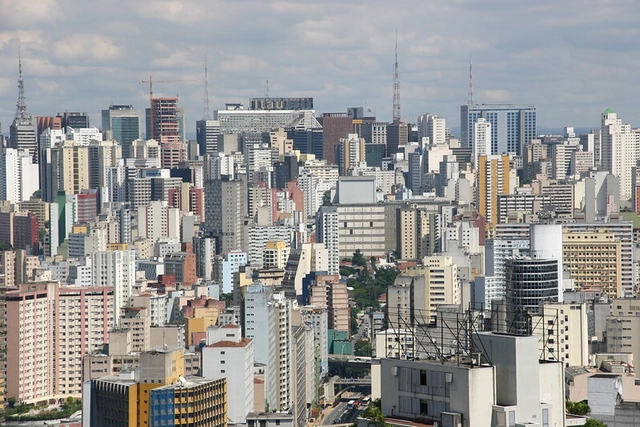
São Paulo skyline. Photo by Thomas Hobbs via Flickr, licensed under CC BY-SA 2.0
Until the mid-1950s, Brazil was a predominantly rural country, with less than 30% of its population living in urban areas. However, driven by rapid industrialization, the country experienced a massive rural exodus during its transition from an agricultural export model to an urban-industrial one, drastically altering the landscape of its cities in less than 50 years. As a consequence of this rapid transformation, a predatory and unequal model of urbanization emerged, and it was in this context that the City Statute was born.
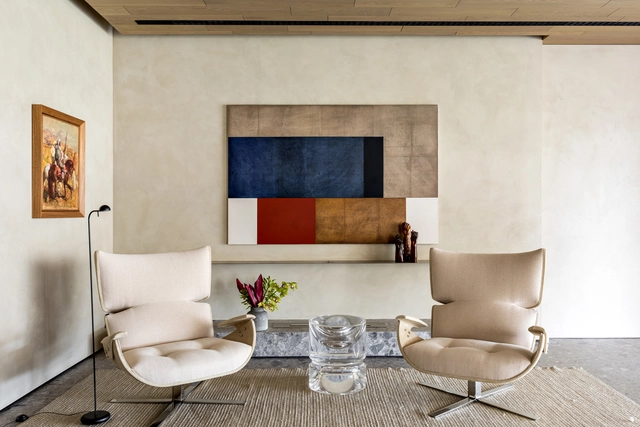
The determination of focal points in the environments offers dynamism, personality and activates internal and external environments from the enhancement of decorative objects or construction elements. Here are some examples for you to understand what it is and how to use it in the design and decoration of your home.
Around the world, people continue to adapt to new ways of working, making the search for suitable furniture and equipment for both home and work environments more relevant than ever. At the same time, finding options that balance personal aesthetics and style with functionality is essential.
Herman Miller, a global leader in innovative design and furniture solutions, has announced the launch of an office chair inspired by the iconic Eames Shell chair. Design firm Studio 7.5 and Herman Miller have teamed up once again to reveal their latest collaboration: the Zeph chair.
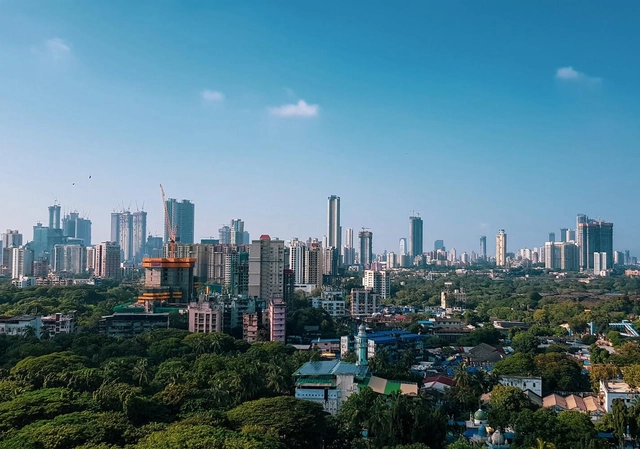
Mumbai, India. Photo by Hardik Joshi, via Unsplash
Cities and communities around the world are stepping up to reduce greenhouse gas (GHG) emissions and prevent the most dangerous impacts of climate change. Typically, strategies focus on reducing emissions in sectors such as transportation, energy, housing, and waste. Yet, there is another sector that many communities have overlooked in their climate plans: trees and forests.
https://www.archdaily.com/1131963/5-reasons-for-cities-to-include-trees-in-climate-actionJohn-Rob Pool, David Gibbs, Sadof Alexander e Nancy Harris
São Caetano do Sul, in São Paulo's ABC region, tops the ranking of the country's most sustainable cities. The unprecedented survey reveals that the city, already known for leading the HDI (Human Development Index) in Brazil, is now first among the 5,570 Brazilian municipalities regarding the implementation of the UN's SDGs (Sustainable Development Goals).
Periodically, we have witnessed how the coasts of Quintana Roo have suffered from severe sargassum algae blooms, representing a major problem for local residents who, year after year, dedicate themselves to exhaustively cleaning the beaches during the April-August season. Various media outlets have reported that the cause of the sargassum is still unknown; however, some theories link it to climate change and variations in the Atlantic Ocean. Currently, the non-governmental organization Red de Monitoreo del Sargazo de Quintana Roo (Quintana Roo Sargassum Monitoring Network) monitors sargassum presence in the region. According to its latest alert level system, there are 22 locations with an excessive presence of this macroalgae, and the same number considered abundant.
In a new interview episode, Arquicast speaks with one of the most renowned and established practices in Brazilian architecture. In 2022, aflalo/gasperini arquitetos celebrates 60 years of a practice that has evolved alongside the nation's architecture. A commitment to building performance is central to their work, as is their pursuit of the most advanced technology to support sustainable design—an approach validated by several of their older projects that have gone on to receive international certifications.
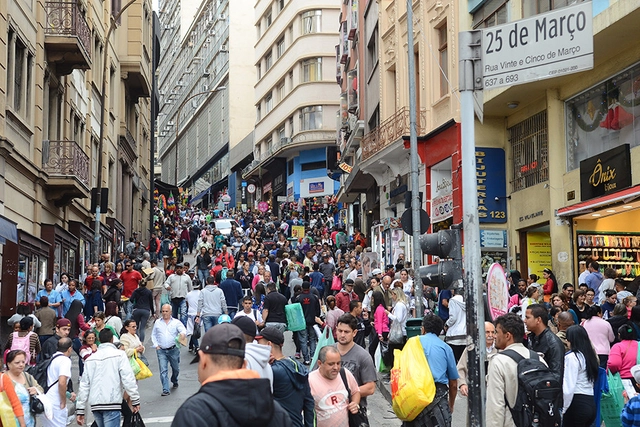
The resurrection of the street-level shop is possible: people remain analog. Image: Rovena Rosa/Agência Brasil
An ideal address implies convenience, meeting basic needs for goods and services within a short walk. Breakfast at the base of the building, a quick run to the pharmacy, pulling a cart overflowing with fruit, heading down on Saturday for a haircut, walking the dog in the corner plaza. The health of a city depends on the presence of people walking in public spaces, fostering a sense of community, safety, civility, and the capacity to meet basic consumption needs. And the street-level storefront along this walk is a vital catalyst.
https://www.archdaily.com/1132460/the-death-of-street-shops-and-its-impact-on-citiesFabiano de Marco
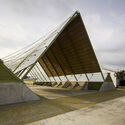
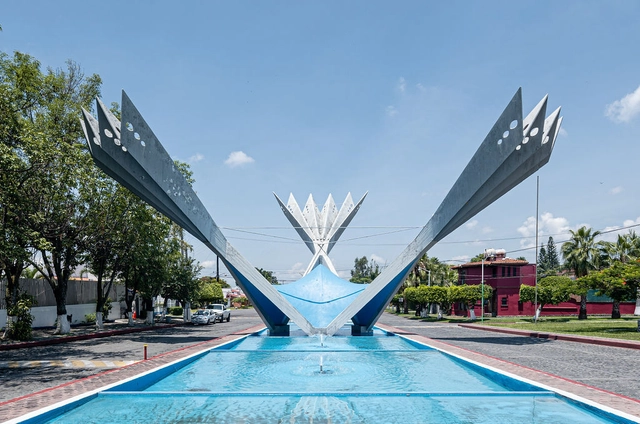
The Spanish-Mexican architect Félix Candela is one of the world's most renowned twentieth-century architects, celebrated for a career that explored reinforced concrete through experiments resulting in his famous cascarones (thin-shell structures)—structural and design elements that support many of his works, such as the Cosmic Rays Pavilion at UNAM in Mexico City (1951); the Palmira Chapel in Cuernavaca (1958); the Los Manantiales Restaurant in Xochimilco (1958); and the Palacio de los Deportes for the 1968 Olympic Games in Mexico City.
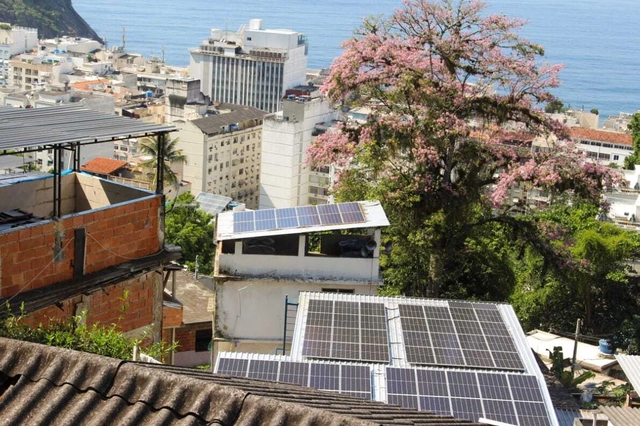
An initiative in the Rocinha community in Rio de Janeiro will provide professional training for residents in the solar energy market and install two photovoltaic plants in the community (at Acadêmicos da Rocinha and Igreja Batista), directly benefiting the NGOs Rocinha Recicla and Pedrinho Social through local energy generation.
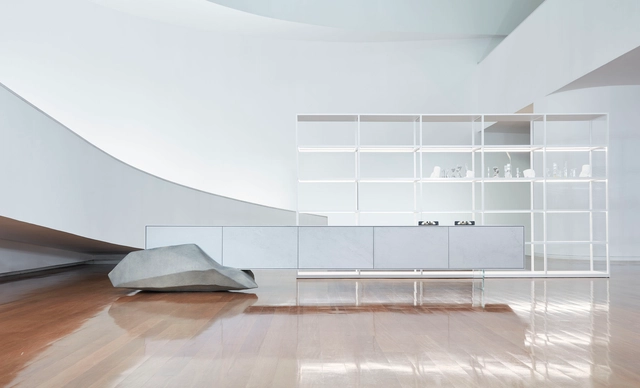
"Light and movement allow us to achieve anything that is recognized as beautiful." This quote by Álvaro Siza Vieira, the universally acclaimed Portuguese architect, captures his philosophy. His work guides the relationship between built space and its surroundings, creating true works of art that prioritize nature. In furniture design, the approach can be similar. The intervention can indulge in the status of art, redefining meaning and joining new dialogues as if framed in a museum setting.
Driven by this provocation, Dell Anno presents an approach for its 2022 campaign that further strengthens its DNA of connecting architecture, art, and fashion. Titled Singular Dell Anno, the campaign draws a parallel with the sublime work of the Portuguese architect, paying tribute to his legacy of simplicity and architectural sophistication, which earned him global recognition and made him a major architectural influence today.