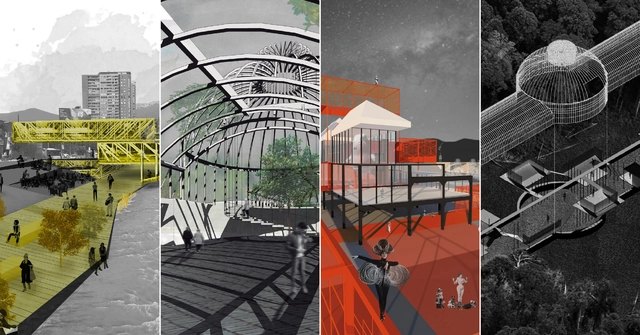
A couple of months ago, this network of competitions began, which will build 15 Social Infrastructure projects for Peru's Bicentennial. The Plan de Proyectos de Infraestructura Social Externos (PLAN PISE) is a social enterprise created to assist developing communities in the planning and construction of projects to improve their living conditions. The results have just been released, and the plan continues with the next competition scheduled for late February. Gradually, efforts are coming together to transform social and educational realities.
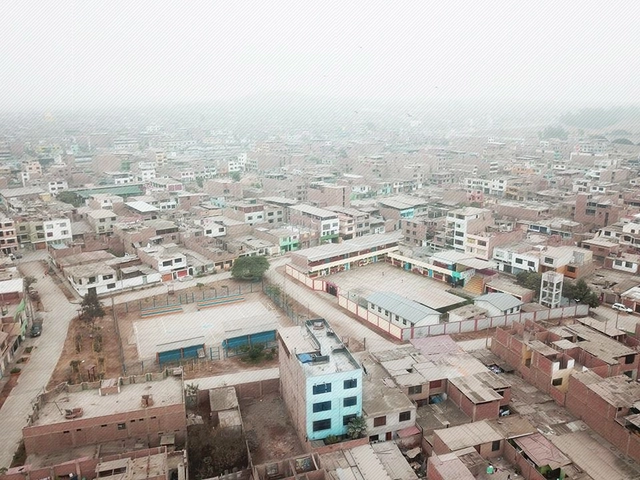
This edition of the competition invites us to reflect on the importance of the schoolyard as an educational space equipped to stimulate coexistence and diversity, proposing collective solutions designed by architecture students and recent graduates—a direct way to bring classroom designs to life. The site of intervention for the children will be the Villa de Jesús IE 7216 school, located in Villa El Salvador, south of Lima.
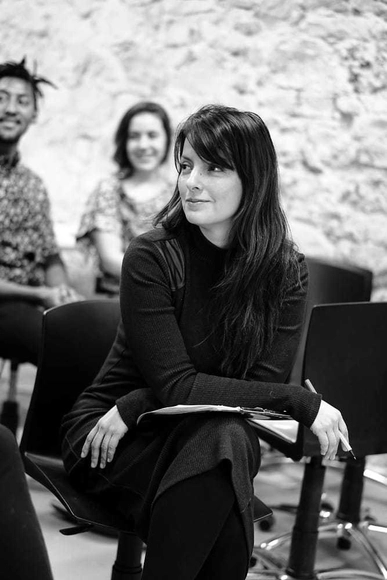
Out of 41 applicants, Colombian architect Lina Toro has won the 4th New York Research Fellowship organized by the Arquia Caja de Arquitectos Foundation and the Real Academia de Bellas Artes de San Fernando, according to the Spanish foundation.
The jury unanimously decided to award the prize to Toro's project, "Pedagogical Conversations," recognizing it as a way to delve deeper into architectural teaching methodologies through "pedagogical conversations." "Pedagogical Conversations" is part of her doctoral thesis, "Pedagogies on the fringes: the conditions of the next architectural manifesto," developed within the Department of Architectural Design at ETSAM in Madrid, which seeks to highlight conversations with seminal and emerging figures of contemporary thought, art, and architecture.
Arquetipos, the digital magazine published by the Fundación Arquia, has released a new issue centered on an interview with designer Guillermo Santomà, conducted by Moisés Puente and featuring photography by José Hevia. This issue also includes other articles related to the featured designer, touching upon figures such as Le Corbusier, Arne Jacobsen, and Buckminster Fuller.
For this edition, Moisés Puente draws upon, copies, and poses the very same questions from L. Amic’s famous 1972 interview with Charles Eames, titled “What is design?”, which served as the conceptual foundation for the exhibition held at the Musée des Arts Décoratifs in Paris that same year. This “copying” of the interview serves dual purposes: on one hand, it nods to the interviewee himself, who employs this very strategy in his own work process; on the other, it invites readers to engage in an intriguing play of parallels and temporal links between Eames’s historical reflections on design and those offered today, 45 years later, by Santomà.
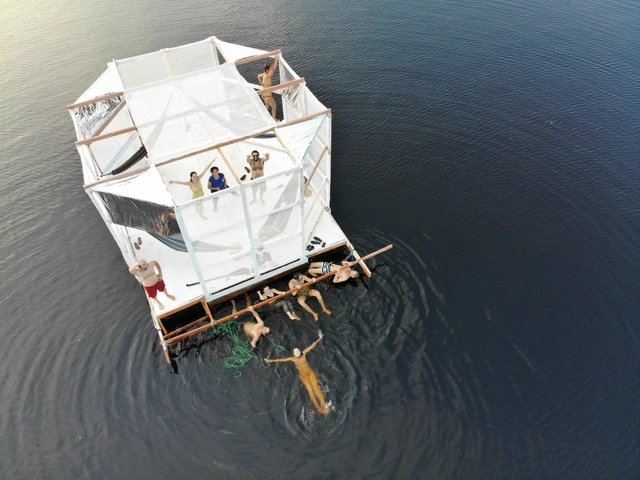
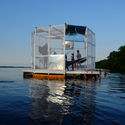
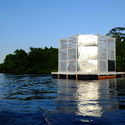
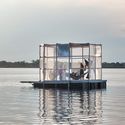
Floating is one of humanity's oldest ways of living and traveling. Today, this ancestral practice is drawing significant interest due to the increasing frequency of flooding caused by climate change.
Riverside communities in the Amazon rainforest have used various floating strategies for centuries. By studying local architectural solutions and utilizing contemporary materials technology, architect Marko Brajovic and designer Nacho Martí, co-directors of the Architectural Association Visiting School Amazon, organized an international workshop to experiment with floating architecture.
Galardonados Premios Richard H. Driehaus Artes de la Construcción . Image Cortesía de Premios Richard H. Driehaus
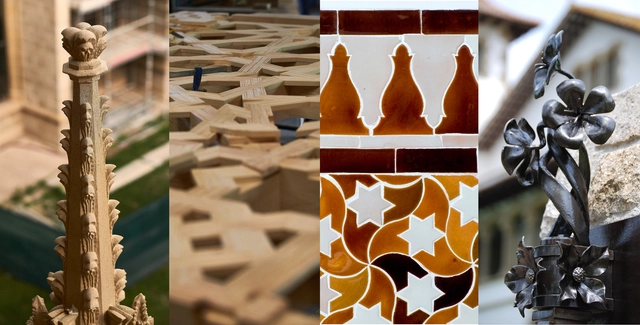
The winners of the second edition of the Richard H. Driehaus Building Arts Awards, which recognize leading masters in Spain's traditional building crafts, have recently been announced. With a total of 84 nominations received, the traditional building crafts were grouped into four categories, with each category presenting an annual award of €10,000 and a commemorative plaque.
The first category covers arches and vaults, vaulted staircases, stone carving, and other masonry and stone-cutting work. The jury selected Cantería Jaurrieta, from Olite (Navarra), run by Valeriano Jaurrieta and Agustina Rodríguez Orduña, to receive this award.
https://www.archdaily.com/1114268/the-ironwork-of-the-sagrada-familia-and-nasrid-tilework-among-the-winners-of-the-driehaus-building-arts-awardsJavier García Librero
Proposta de Denis Joelsons e Gabriela Baraúna Arquitetos. Image Cortesia de Escola da Cidade
The winners of the Vila dos Mellos Competition, promoted by Escola da Cidade, have been announced. Aiming to select five model single-family residential designs featuring rationalized construction for the Vila dos Mellos Condominium—a development that plans for the construction of 101 homes—the competition specified that each lot would receive one of the five winning designs, chosen at the discretion of the new owner.
UPDATE: This article has generated a much larger response than expected, and we feel it is our duty to clarify the situation. At no point does the article suggest that the project in Artur Nogueira is a plagiarism of the French project. Plagiarism, by definition, is presenting someone else's intellectual work as one's own, and this article makes no such claim. What it does state is that the project in Brazil is a copy of the French one, without accusing anyone of plagiarism or clarifying whether or not permission was granted to copy the design. We were contacted by the owner of Colégio Futura Plus, who informed us that during the design process, French architect Raphaelle Hondelatte was contacted and authorized the use of the elements mentioned in the text—specifically, the yellow giraffe and the cantilevered white volume. As soon as we receive new information, we will update the article again.
To what extent can architecture draw inspiration from references without being considered a copy of another building? This discussion raises diverse and controversial opinions that prompt us to reflect on the issue of architectural copyright and recall the infamous architectural replicas produced in recent years in China, which mimic everything from iconic buildings to the French capital itself.
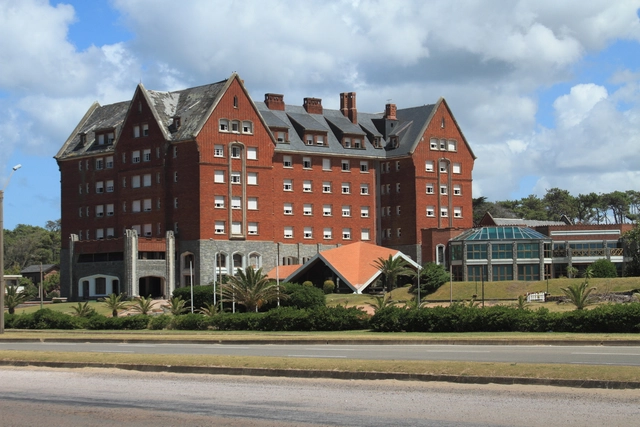
San Rafael Hotel Building, a symbol of Punta del Este. Image via Flickr user: Gabriel Millos Licensed under CC BY-SA 2.0
Media and social networks are abuzz. This time, the controversy centers on a proposal by architect Rafael Viñoly to build a three-building complex—including a skyscraper rising well over 250 meters tall—on the site of the former San Rafael Hotel in Punta del Este, Uruguay.
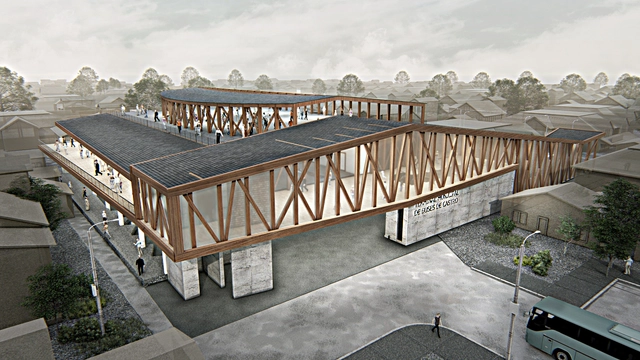
The Chilean firm Biourban Arquitectos has been awarded the design of the new bus terminal in Castro, located in the far south of Chile. The project will be situated in the historic center of the main city on Chiloé Island and will feature parking, a supermarket, a shopping mall, and an urban viewpoint.
"Part of the challenge of the new concession is to leverage the social and urban benefits of being in the heart of the city, with excellent accessibility to all basic services," the authors state.
Olhe o Degrau Jardim Nakamura. Image Cortesia de Cidade Ativa
Walking through the streets, we encounter various shapes, colors, textures, sounds, and smells. Our senses are activated, and these stimuli connect us to the place we are in. Cities are often synonymous with exhaust fumes, engine noises and honking, and shades of gray. The scarcity of natural or built elements that convey a sense of safety, comfort, and aesthetic pleasure contributes to our ongoing discontent and frustration in the urban environment. These feelings fuel a lack of connection between people and places, a lack of empathy for others, and a detachment from the public realm.
Flooding in St. Mark's Basilica. Image: Procuradoria da Basílica de São Marcos, via El País
As Europe's second most visited built heritage site, behind only the Colosseum in Rome, St. Mark's Basilica in Venice receives over 5 million visitors annually. Yet, under the strain of this massive influx, the 11th-century Byzantine mosaic floors seem to be succumbing to the effects of the floating city's tides.
The undulations in the basilica's floor are visible to the naked eye—feet have not touched them for a decade, as visitors are only allowed to walk on synthetic carpet runners—and they have even cracked at the most critical points, especially in the center of the building. Currently, only 20% of the geometric marble and stone patterns are original; the rest has been restored over the last ten centuries by the artisans of the St. Mark's Workshop.
Moisés Hernández (Mexico City, 1983) is a Mexican designer who graduated with honors in Industrial Design from the Monterrey Institute of Technology and Higher Education in 2007. Hernández has always been drawn to the simplicity and refinement of objects; his inspiration stems from Mexican objects, traditions, textures, contrasts, and the chromatic diversity of his surroundings, as well as the experience of living in a chaotic, overpopulated city.
With the aim of "reducing response times and streamlining the processing of certificates, permits, and final approvals," Chile will launch a digital platform called DOM en Línea, as reported by the newspaper La Tercera.
Currently, every municipality, regardless of size, has a Municipal Works Department (DOM). This department is responsible for ensuring compliance with local urban planning and construction regulations. Consequently, the DOM is tasked with authorizing new construction projects through an in-person, paper-based process; therefore, the DOM en Línea platform will allow these procedures to be completed online.
The Illinois Institute of Technology College of Architecture has announced the four finalists for the MCHAP.emerge, the emerging practice award of the Mies Crown Hall Americas Prize - MCHAP, which recognizes the most outstanding architectural works in North and South America. Every two years, the prize is awarded at an event held at IIT's S. R. Crown Hall, Mies van der Rohe's masterpiece in Chicago.
Photo: Timothy Neesam (GumshoePhotos) on Visualhunt / CC BY-NC-ND
The online portal of Exame magazine published a list of professions and roles that "are on the decline in Brazil," based on hiring numbers for the first quarter of 2018. The article points to cost reductions and the introduction of new technologies as the main factors driving the decline in demand for certain professionals.
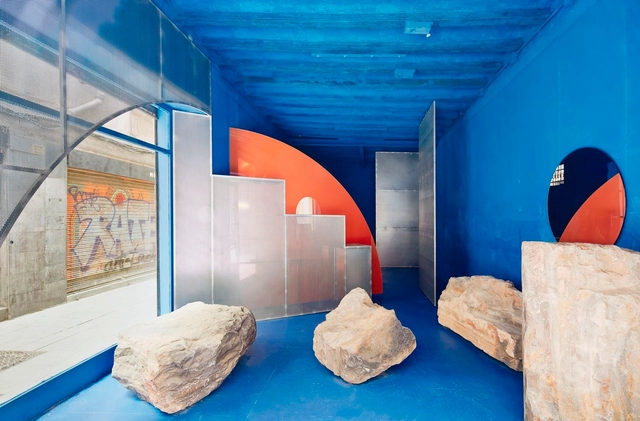
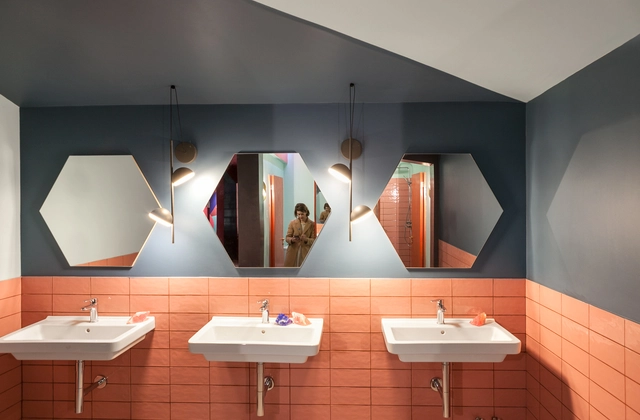
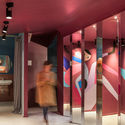
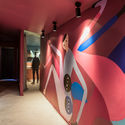
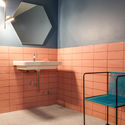
For the third edition of Casa FOA, architects Giulia Carboni and Macarena Canales collaborated to create "Genderless Bathroom," a space that champions the shared, unisex nature of public restrooms. Guided by this concept and inspiration, the design focuses on gender-neutral restrooms constructed from planes of color and light.
Furthermore, the layout guides visitors along a path highlighting a mural by Santiago Ascui, where human figures facing mirrors fragment both the artwork itself and the reflections of those passing by.
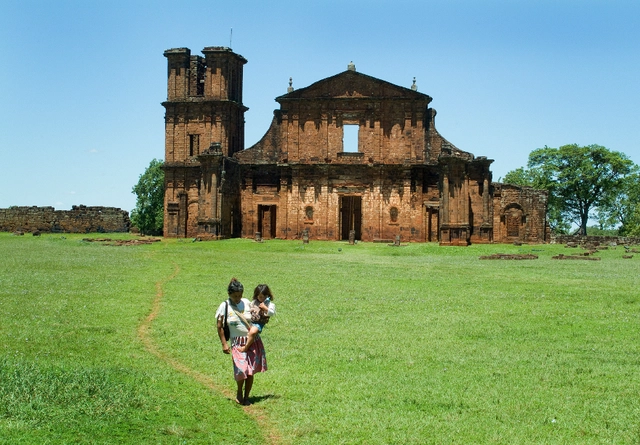
A place of reference for the memory and identity of the Guarani people, the Tava, located in the area of the São Miguel Arcanjo Historical Site in São Miguel das Missões (RS), was built and inhabited by their ancestors at the request of their deity, Nhanderu. This sacred site has been recognized as MERCOSUR Cultural Heritage. The decision was made and announced at the XVII Meeting of the MERCOSUR Cultural Heritage Commission, held on October 30 and 31 in Montevideo, Uruguay.
Nine of the architect's unbuilt projects, which have never been exhibited in Brazil and were only previously shown at the Venice Biennale in 2000, are featured in the exhibition, which opens in his honor a month and a half before his 90th birthday. In total, the show brings together 11 of his most radical and experimental works, which share common themes of water, nature, landscape, and territory beyond the architectural scale.
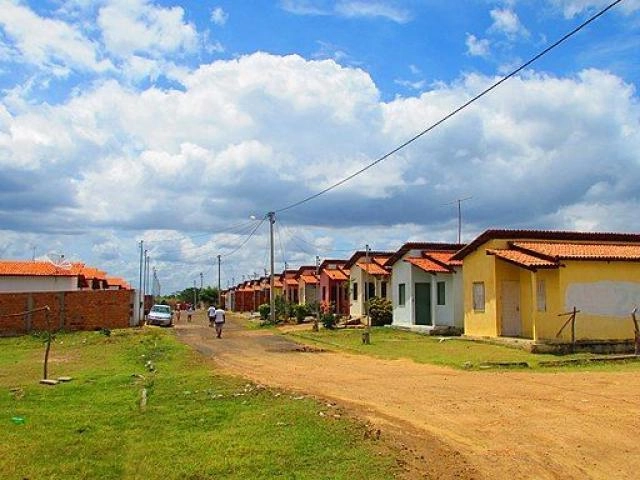
Houses of a Minha Casa, Minha Vida housing development in Antônio Cardoso, Bahia. Photo: Paulomedford/Wikimedia Commons
About three billion people, or 40% of the global population, will need new housing by 2030. This will require building approximately 21 million new homes per year worldwide.
Several of the fastest-growing countries have ambitious targets to meet this need. The Indian government aims to build 20 million low-cost homes by 2022. Nigeria targets one million homes built per year over the next decade. Indonesia's president has launched the One Million Houses program to serve low-income citizens.
https://www.archdaily.com/1114296/can-housing-be-considered-low-cost-if-it-is-not-efficientHenrique Evers, Catalina Demidchuk e Eric Mackres
As part of Semana UTEM 2018 in Chile, the **Infraestructuras en Obsolescencia** (Obsolete Infrastructures - WIO) workshop brought together 21 teams from the Faculty of Architecture at the Universidad Tecnológica Metropolitana (UTEM). These teams developed design proposals to intervene in seven obsolete structures in Santiago, ranging from a currently closed pedestrian bridge to a dilapidated train station.
Featuring international guests Luis Tombé (Colectivo720, Colombia) and Walter Leone (Leone Arquitectura, Venezuela) —who also participated in the CONTRAPOSICIONES lecture series and delivered keynote addresses at the Colegio de Arquitectos de Chile—, each team comprised seven students from different years of the architecture program, guided by two faculty advisors.
Three months ago, the 20th Chilean Biennial of Architecture and Urbanism opened in Valparaíso. Titled "Diálogos Impostergables" (Urgent Dialogues), the 2017 edition was an invitation to understand the design and construction of our cities through a broad lens—one that incorporates aspirations and knowledge from outside the discipline.
As the most important event in Chilean architecture, this year's biennial served as a platform for projects reflecting on what we consider urgent in architecture and urbanism. Simultaneously, it examined how the profession can engage with those living on the margins, whose needs and aspirations have long been neglected in urban development.
https://www.archdaily.com/1114298/this-was-the-exhibition-design-for-the-xx-chilean-architecture-biennial-urgent-dialoguesPola Mora
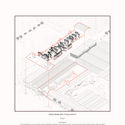
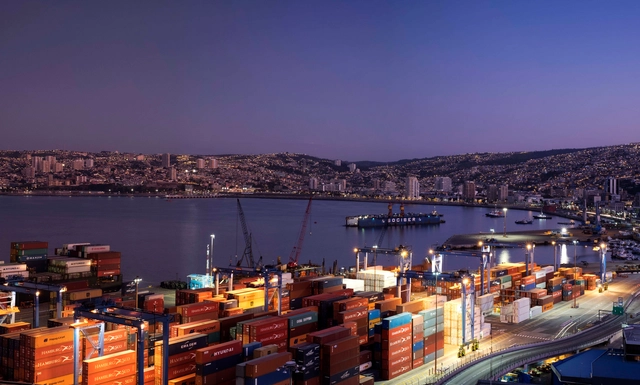
Originally published in the Chilean newspaper El Mercurio de Valparaíso, this column written by Alberto Texido, President of the Colegio de Arquitectos de Chile, addresses the current urban landscape of Valparaíso after the Chilean Supreme Court's ruling declared the building permit for a mega-mall —Mall Plaza Barón— on the waterfront of the Chilean port city illegal.
With the judicial outcome of the Puerto Barón project decided, there is little room for celebration. Instead, there is concern over the more than 15 years lost by Valparaíso, its authorities, the business community, and its citizens, who have failed to reach a consensus to move past neglect and lack of investment. Yet, beyond this regrettable litigation—which has exposed a collective inability to bring projects to fruition—it is this very status quo that has been overcome, at least by an active citizenship ready to build a new local representation. From its outset, and unlike its predecessors, this movement has successfully offered a counterpoint, demanding maximum quality, better public participation, and regulatory compliance for major urban projects.
Image credit: TenerifeTenerife on Visualhunt / CC BY-NC-SA
Concluding the activities of "Urban October," celebrated annually, the UN designated October 31 as "World Cities Day" to promote a greater exchange of experiences among countries on how to address the challenges of growing global urbanization and contribute to sustainable development.
Willie Arthur 78 (WA78), elegido mejor proyecto de edificación hasta 10 pisos en PAU 2018. Image Cortesía de WA78
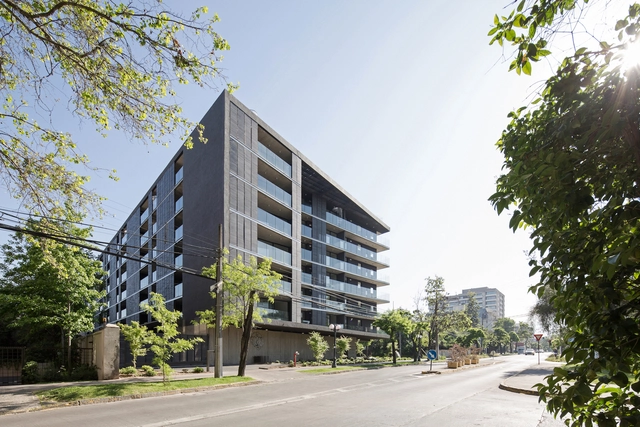
Six outstanding projects across four categories were recognized in Chile with the 2018 Urban Contribution Award (PAU), an initiative promoted by the Chilean Chamber of Construction (CChC), the Ministry of Housing and Urbanism (Minvu), the Architects' Association, the Association of Architectural Offices (AOA), and the Association of Real Estate Developers (ADI).
The award was open to any company with projects in Chile. As the project owners, these companies represent the rest of the professional team and firms involved in the work, including architects, construction companies, structural engineers, and landscape architects, among others.