The 19th annual Design Awards, organized by Shaw Contract, is one of the premier interior architecture awards programs. With nearly 700 submissions from 36 countries, the accolade highlights trends in scale, functionality, and sustainability. Of the 43 Best of Region winners, two Brazilian and three Mexican projects have advanced to the final stage of the Best of Globe evaluation, with the winners to be announced in September. Addressing themes such as Material Health, Circular Economy, and Diversity and Inclusion, the awards evaluated Latin American projects through a jury representing five countries.
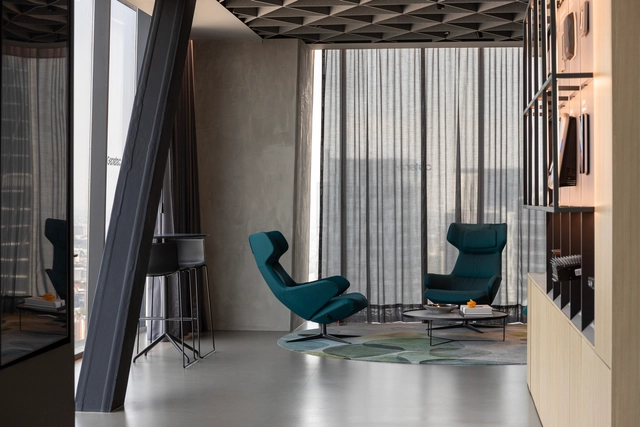
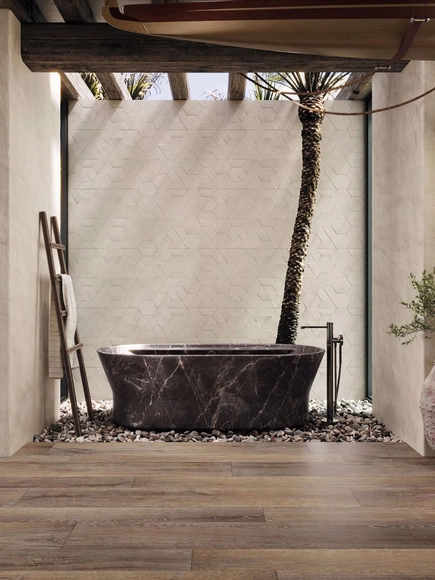
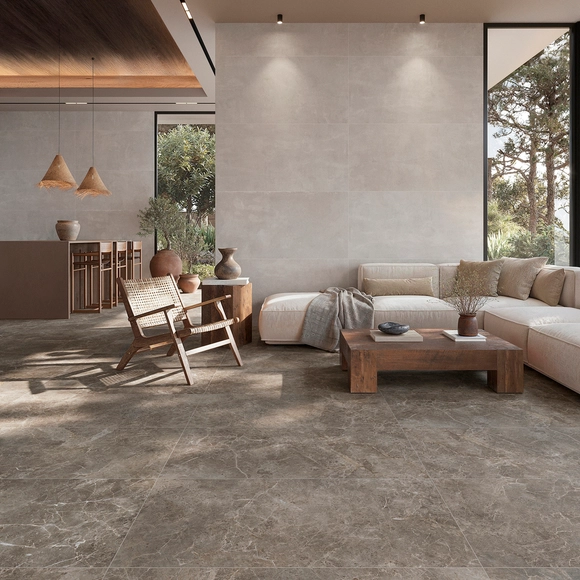
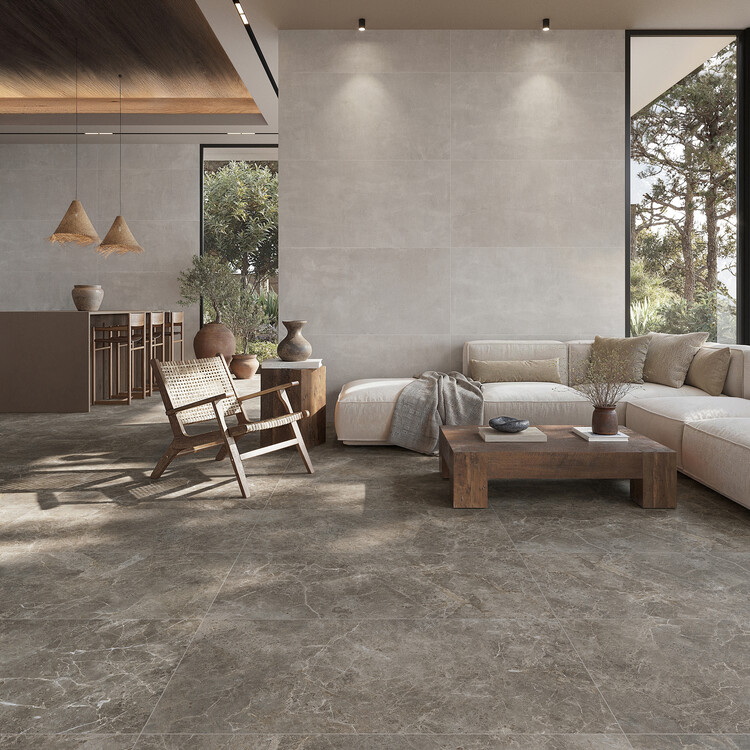
Ceramic is an intrinsically versatile material: advanced printing technologies allow for infinite possibilities in terms of colors, textures, and patterns. As a result, it is widely used in interiors worldwide, combining durability, low maintenance, ease of installation, competitive pricing, and the ideal aesthetic to transform environments according to the designer's vision. Trends and fashions are a natural part of interior design, and staying at the forefront is crucial for creating spaces that are both contemporary and timeless. Whether through the clean lines of geometric patterns, the cozy feel of rustic finishes, or the timeless elegance of marbled surfaces, each trend offers something unique to enhance the character of any space.
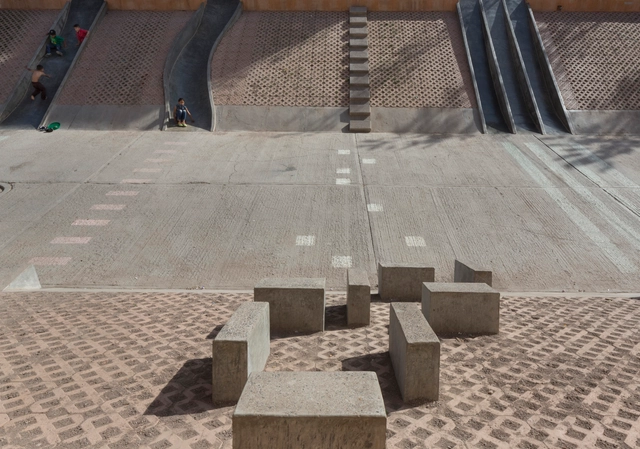
What role does street furniture play in public spaces? In response to human social behavior, the design of public spaces is part of a complex inquiry. Alongside the analysis of uses, community participation, the study of climatic and geographical conditions, and resource efficiency—among many other factors—it involves selecting appropriate urban equipment and elements to meet the needs of a large share of the population. As the Spanish architect and urban planner Oriol Bohigas Guardiola maintained, architecture is not only an art but also a direct service to society. Consequently, harmony among the multiple disciplines involved should yield tools that improve and facilitate community life. Understanding the role of street furniture—how it supports specific activities depending on its layout, dimensions, materials, and long-term lifespan—is essential to the current and future functioning of urban spaces.
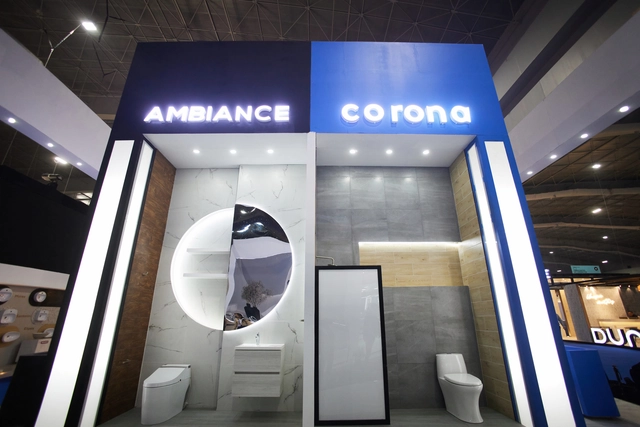
As part of Expo OBRA BLANCA 2024, held from October 15 to 17 at Expo Santa Fe in Mexico City, Porcelana Corona México and Ambiance showcased their latest innovations in sanitaryware alongside a wide range of products for architects, builders, and distributors at booth 224 of the Bathrooms and Fittings Pavilion.
The atmosphere of a home is gradually built through the interaction between architecture, furniture, and materials. Each component contributes color, texture, and depth, making the living experience sensory and immersive. Among these, materials play a decisive role: they define more than just the visual aspect, conveying tactility, light, temperature, and a connection to the environment, thus transforming our perception of the home. When viewed contextually, they reveal new possibilities for designing and experiencing interiors and exteriors, reminding us that every choice influences comfort and functionality.
In 2017, ArchDaily China's reach grew stronger than ever. We brought Chinese architecture into the global conversation, introducing Chinese design to the world while delivering global architectural news to our Chinese readers. True to our mission, we continue to serve as an open platform for the public benefit, fostering a more inclusive and egalitarian architectural community.
This year, we invite our readers once again to participate in the 2018 ArchDaily China Building of the Year Awards. By casting an unbiased vote free of geographical restrictions, you become part of a collective jury, identifying the architecture that best represents our time. Over the next three weeks, your nominations will narrow down over 300 Chinese projects to 10 finalists, before a final round of voting determines the three winning designs.
The time has come to support the projects you admire. Go to this page to nominate the 2018 China Building of the Year! Click “Read More” to view the complete guidelines.
In this third dispatch from New York, Kosme de Barañano shares the current state of construction on two structures that will undoubtedly become new milestones in the network of globalized public space—a symptom of the sculptural turn in architectures designed for this type of consumption. The shed and the staircase: two very different constructions that somehow pose an age-old question: are they sculptures, or are they architecture?
https://www.archdaily.com/1114898/reflections-on-changes-in-new-york-city-shed-versus-vesselKosme de Barañano
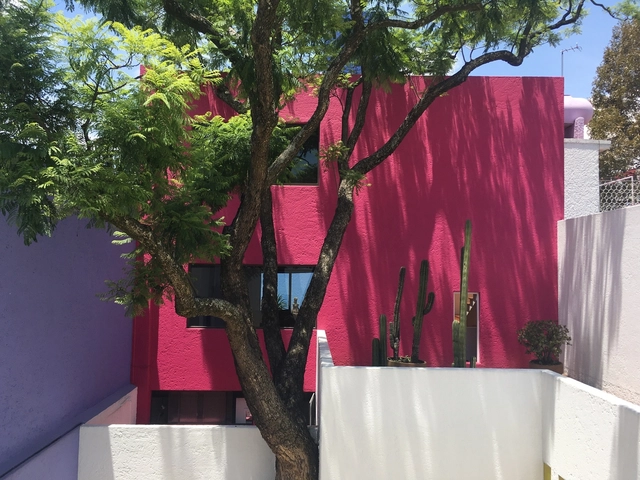
On Thursday, September 6, ArchDaily México celebrated its sixth anniversary. The exclusive event took place in one of the country's most significant architectural gems: Casa Gilardi, designed by Luis Barragán, the only Mexican architect to receive the Pritzker Prize. The venue served as the setting for some of today's most influential architects to connect with the ArchDaily México team.
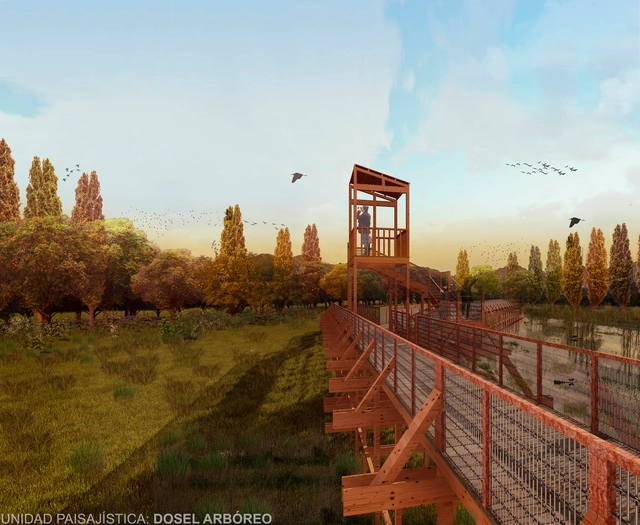
Designed by Milena Lara Silva, the project Ruta de las aves was selected as one of the 10 winners in the Thesis Project category of the 2018 Concurso Arquitectura Caliente (CAC 2018), a Chilean competition organized by Grupo Arquitectura Caliente and funded by the Ministry of Cultures, Arts, and Heritage.
The constant industrial threats endangering the delicate wetland ecosystems are primarily the result of Chile's weak environmental legislation. In the rural sector of Trumao, 11 kilometers from the city of La Unión, this has led to the gradual degradation of its forested wetland. This decline risks not only its biodiversity but also local communities that have persisted since ancient times thanks to the dynamic landscape and its natural resources—both of which are vital for their survival, economy, and, above all, their culture.
Numerous studies have examined the relationship between gender and urban mobility, concluding that women face greater challenges in exercising their right to the city and accessing urban opportunities. The unequal division of domestic labor places a heavier burden on women, who shoulder tasks such as school drop-offs and pick-ups, caring for elderly or sick relatives, and grocery shopping. Consequently, this largely shapes a travel pattern characterized by trip-chaining—making multiple, sequential stops—and relying heavily on walking and public transit.
https://www.archdaily.com/1114890/women-and-urban-mobility-indicators-for-the-formulation-of-gender-sensitive-urban-policiesITDP Brasil
In late January, the forum “Chillán: Paisaje Moderno/Territorios en transformación” took place in Chillán. Jointly organized by the Spanish Cultural Center (CCESantiago), the Alfonso Lagos Extension Center of the University of Concepción (CECAL), and the Heritage Unit of the Municipality of Chillán (UPA), the event featured three days of conferences and workshops open to the community.
https://www.archdaily.com/1114894/paul-birke-and-pablo-brugnoli-the-modern-legacy-of-chillan-and-its-projection-into-the-futurePola Mora
In this year's edition, the Electrolux Architecture Competition addressed the challenges of vertical architecture for sustainable cities, promoting new ways to generate innovative programmatic design, public benefit, and community integration. With a focus on contextual relevance, the initiative sought to enhance both public space and quality of life for urban residents.
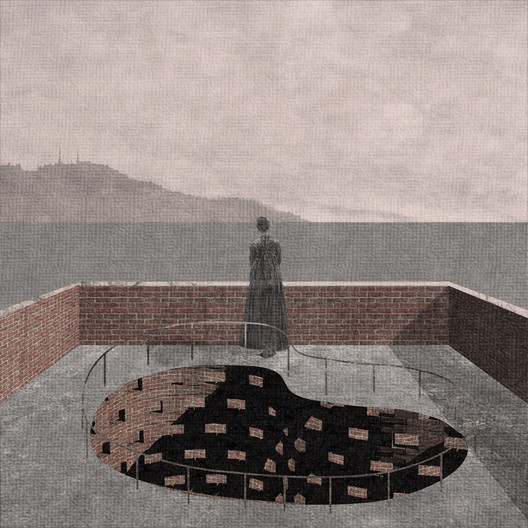
First prize was awarded to architecture students Mateo Loayza Montalvo, Gabriel Ceballos Melillán, Sebastián Quiroz Lara, and Francisco Beltrán Ayala, from the School of Architecture at Universidad Andres Bello, under the guidance of professors Juan Agustín Soza and Mauricio Bruna and external professor Eduardo Maldonado. Located opposite the historic Patio 29, the project proposes a vision for the relationship between the cemeteries of the future and high-rise structures.
Read more about the project in the authors' own words below.
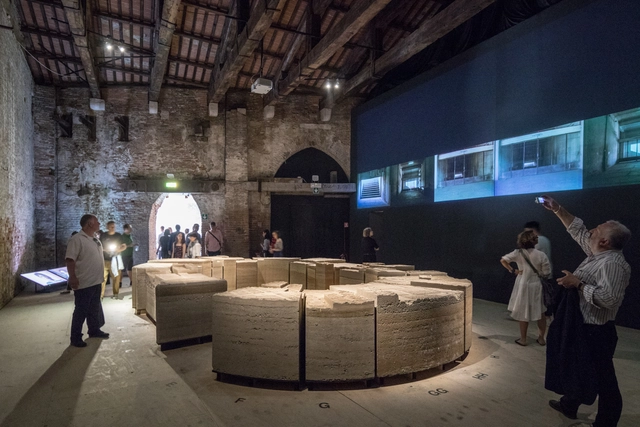
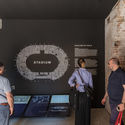
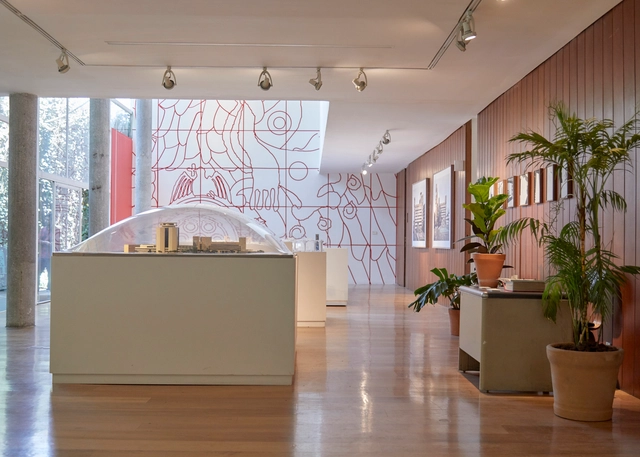
Stadium, Chile's pavilion at the 2018 Venice Biennale, is presented through a large-scale model of the National Stadium of Santiago, aiming to illustrate local housing policies.
The exhibition, curated by architect Alejandra Celedón, aims for these elements—both fragile and heavy—to tell the story of the moment when citizens 'without homes' became homeowners for the first time, serving as "symbolic fragments of this transmutation."
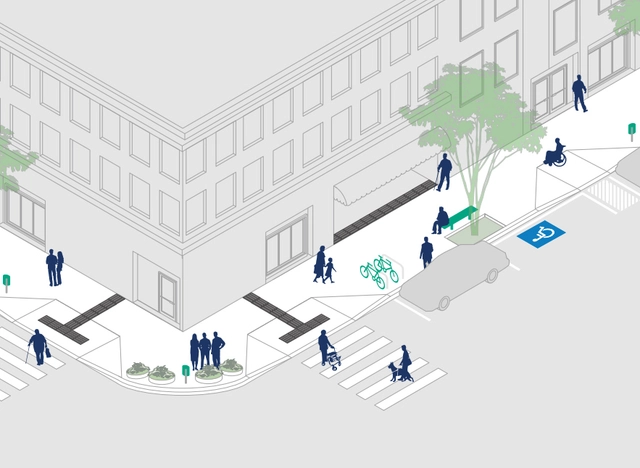
Recognizing that well-designed and high-quality sidewalks encourage walking in cities, the City of Florianópolis has launched the Calçada Certa program, aiming to ensure legal guidelines for sidewalk design are followed and to guide citizens in designing and building public walkways.
The program is accompanied by an illustrated manual presenting recent updates to the ABNT NBR 9050/2015 and ABNT NBR 16537/2016 standards. These address, respectively, accessibility in buildings, furniture, urban spaces, and equipment, and tactile paving design.
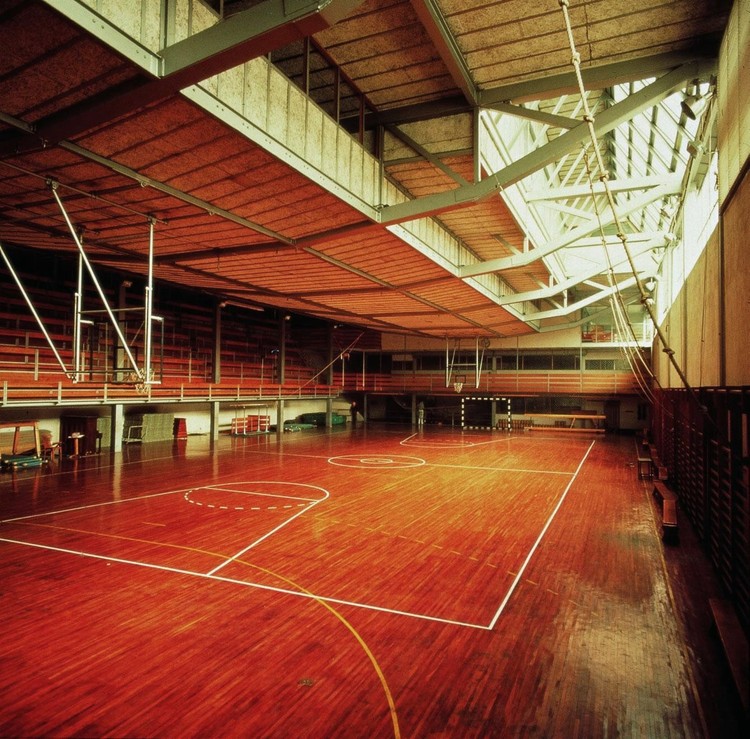
Vista interior del gimnasio Colegio Maravillas / Alejandro de la Sota. Image Cortesía de Fundación Alejandro de la Sota
Surprising as it may seem, Spain currently lacks a national Law on Architecture and Habitability to recognize and promote the value of the profession to the country's economic, social, and cultural development.
However, 2017 brought two major developments that can and should provide the momentum needed to advance toward a crucial national law. First, the passage on November 8 of the Public Sector Contracts Law, which, according to Jordi Ludevid, president of the Superior Council of the Colleges of Architects of Spain (CSCAE), represents "a spectacular and highly positive change" for architects. Second, the approval on June 28, 2017, of Spain’s first-ever architecture legislation, the Catalonia Architecture Law.
Serpentine Gallery Pavilion 2017. Diébédo Francis Kéré. Image
Cristina Cabrera, director of the ICO Foundation, has presented the programming prepared by the institution for 2018, the year of its 25th anniversary. She outlined the program's main direction across the Foundation's three areas of activity: Art, Economy, and International.
In the field of Art, she presented the three temporary exhibitions at the Museo ICO focusing on architecture and the promotion of highly relevant but underrecognized figures in the discipline: Joaquín Vaquero Palacios, Carlos Cánovas, and Diébédo Francis Kéré.
https://www.archdaily.com/1114902/francis-kere-and-joaquin-vaquero-palacios-in-the-ico-foundations-2018-programJavier García Librero
Titled Archivo(s) Centro SCOP reclaims the memory of the former SCOP Center (opened in 1954 and currently the headquarters of the Ministry of Communications and Transportation, or SCT) as well as the future of its artistic and architectural heritage following the September 19 earthquakes. In the mid-1950s, the SCOP Center was one of the most ambitious and iconic public architectural projects of the "Mexican Miracle." Clad in 6,000 square meters of murals and sculptural ensembles by prominent artists such as Juan O'Gorman, José Chávez Morado, and Rodrigo Arenas Betancourt, the building crystallized the ambitions and aspirations of its era, under the direction of architect Carlos Lazo, who led the SCOP from 1952 until his untimely death in a plane crash in 1955.
On Sunday, April 1, the 15th edition of the Latin American Social Workshop (TSL) concluded in Peru. This annual workshop brings together students and architects from across the Americas to analyze, reflect, design, and build public facilities over ten days in diverse Latin American contexts.
Known as XV TSL Puno, this edition took place in Chucuito, a Peruvian town situated at an altitude of over 3,800 meters (12,400 feet) on the shores of Lake Titicaca, near the city of Puno—the folklore capital of Peru. There, 250 students divided into three teams worked on landscape, public space, and heritage restoration projects, led by ENSUSITIO + Jhony Chávez, Ruta 4, and Lucio Torres, respectively.
Following the workdays, amidst coca leaves and fried trout, a recurring question arose during our conversations with the workshop participants: how can social architecture move beyond the photograph of children drawing and adults talking in a town hall meeting? Below, we present the reflections of four Latin American practices that participated in the TSL between 2017 and 2018.
Last September, we launched our first open call in Spain for architects to submit their final thesis projects (PFC). After a thorough evaluation of 87 submissions, 10 projects were selected, standing out for addressing pressing contemporary issues, developing deep research analyses, and posing challenges in both urban and rural environments.
The selected proposals seek to both validate and highlight the diverse fields that architects can address and practice within a multidisciplinary framework, countering the bias of certain institutions and academics who still believe that architects only design "boxes."
As an exemplary figure in the production of modern architecture, Lúcio Costa worked on several fronts—from building design to urban planning, as in the case of Brasília. Among his many facets, his role in promoting and establishing policies to protect the country's historical heritage represents a milestone both in his career and for the nation's cultural assets.
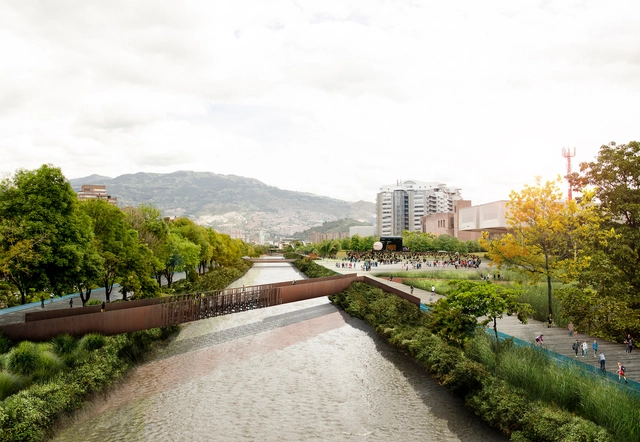
The Parques del Río project in Medellín has become the first Colombian representative among the winners at the 2018 World Architecture Festival (WAF18), currently being held in Amsterdam, Netherlands.
Self-described as the world's largest architectural awards program, the festival announced on its second day that the project designed by Latitud Taller de Arquitectura y Ciudad won the 'Masterplanning' subcategory under the 'Future Projects' section.
Recent environmental pollution incidents in the Chilean cities of Quintero and Puchuncaví have reignited the debate surrounding the health impacts on residents of so-called sacrifice zones. Last August, the Chilean newspaper La Tercera reported that these cities on Quintero Bay coexist with "15 major energy, chemical, and fuel companies," including a smelter, a natural gas plant, and four thermoelectric power plants.
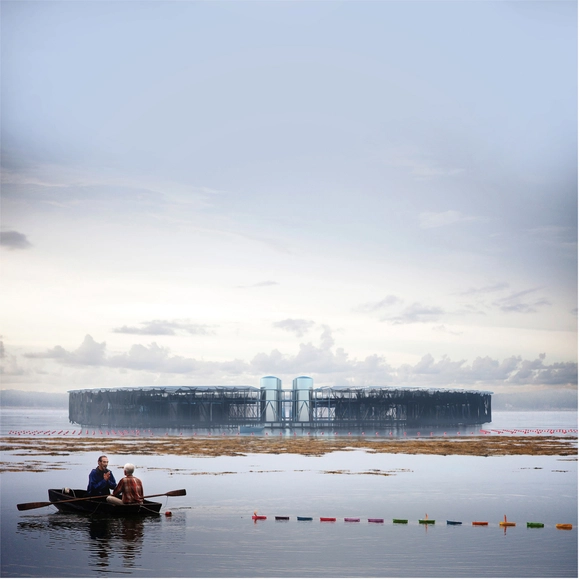
In response, Chilean architect Leonardo Quinteros has developed "Marine Forest" as his thesis project. The proposal features a decontamination platform designed to bioremediate the bay using cultivated brown algae, drawing on research into methods for extracting and absorbing heavy metals to demonstrate the species' potential as a marine bioremediator.
Quinteros—winner of the 2015 CNPP and currently designing the new Providencia Municipal Building in Santiago alongside Tomás Villalón and Nicolás Norero—based his project on a decontamination plan known as FIC Algas. Developed by the Faculty of Ecology at Andrés Bello University (UNAB) in collaboration with the Regional Government of Valparaíso, FIC Algas
A proposal to include financing for properties built using bioconstruction techniques is awaiting the appointment of a rapporteur in the Environment Committee. The bill was introduced by Senator Randolfe Rodrigues (Rede-AP) at the request of movements advocating for affordable and sustainable social housing. The goal is to make this financing available through the Minha Casa Minha Vida program.
Daniel Libeskind will visit Chile this coming December, following an invitation extended by Mauricio Soria, the mayor of Iquique, and approved by the Chilean city's municipal council. However, the decision has drawn coverage from local media due to opposition from council members who voted against the initiative, primarily over the budget: 75 million Chilean pesos (around $110,000), which includes a "city visit, site visit, public lecture, and a preliminary draft or conceptual proposal," as highlighted on Twitter by council member Felipe Arenas, one of the dissenting voices in the municipal vote.
Although the announcement was shared by the mayor's office on Twitter on November 8, efforts to bring Libeskind to the country began exactly a year ago when the architect visited Chile to give a lecture at ENMATERIA's International Architecture and Materials Encounter. During that visit, the American architect met for the first time with Soria and his technical team in Santiago.














.jpg?1518970631&format=webp&width=640&height=580)


.jpg?1523545445 "TSL Canoa 2017: Aula Colectiva Training and Entrepreneurship Center / TACTICO Taller de Arquitectura. Image © Nicolás Valencia")
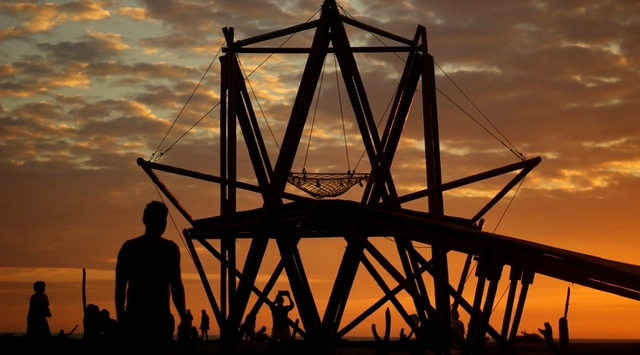
.jpg?1523546713 "TSL Puno 2018: Hatun Tinkuy / ENSUSITIO + Jhony Chávez. Image © Nicolás Valencia")
.jpg?1523546075 "TSL Canoa 2017: El Atrapasueños / Natura Futura Arquitectura + Ruta 4. Image © Nicolás Valencia")
.jpg?1523548272 "TSL Puno 2018: Taller Cóndor / Ruta 4 Arquitectura. Image © Nicolás Valencia")