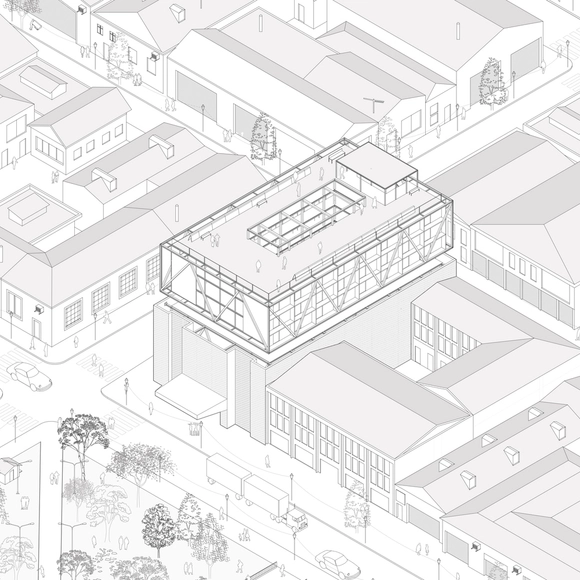
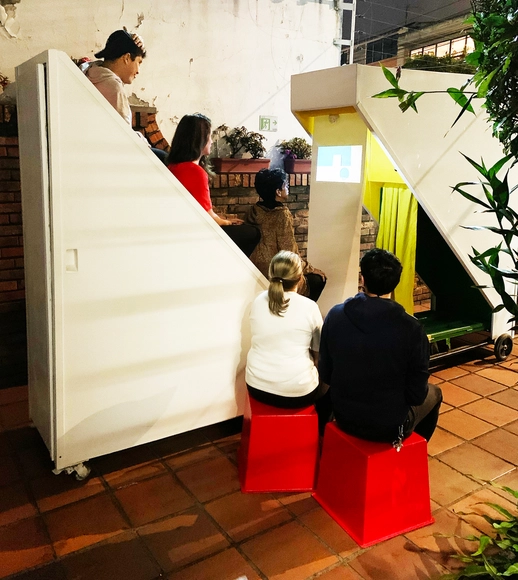
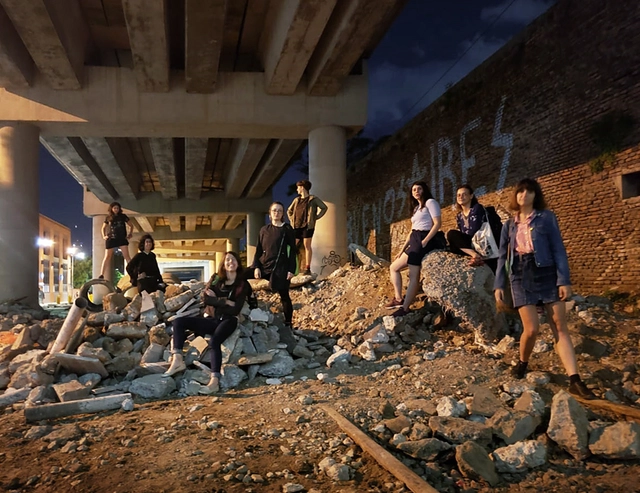
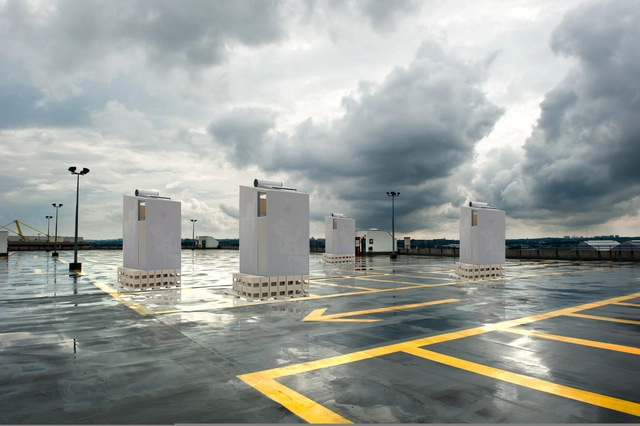
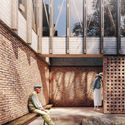
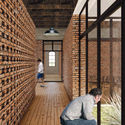
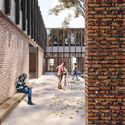
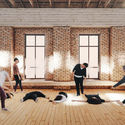
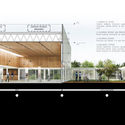
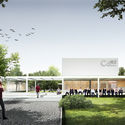
The winners of the Ideas Competition for the San Francisco Regional Cultural Recreational Space 2 have been announced. This public, province-wide call invited participants to design a building dedicated to community gathering, recreation, socialization, exchange, education, outreach, and civic participation.
The state of Michoacán is located in western Mexico, bordered by the states of Jalisco, Querétaro, Guanajuato, Estado de México, Colima, and Guerrero. Covering an area of 58,598.7 km², it faces the Pacific Ocean. Its capital is Morelia, and it is the country's ninth most populous state. Furthermore, it boasts three UNESCO designations: 1) World Cultural Heritage for the Historic Center of Morelia, 2) World Natural Heritage for the Monarch Butterfly Biosphere Reserve, and 3) Masterpiece of the Oral and Intangible Heritage of Humanity for the Day of the Dead celebration.
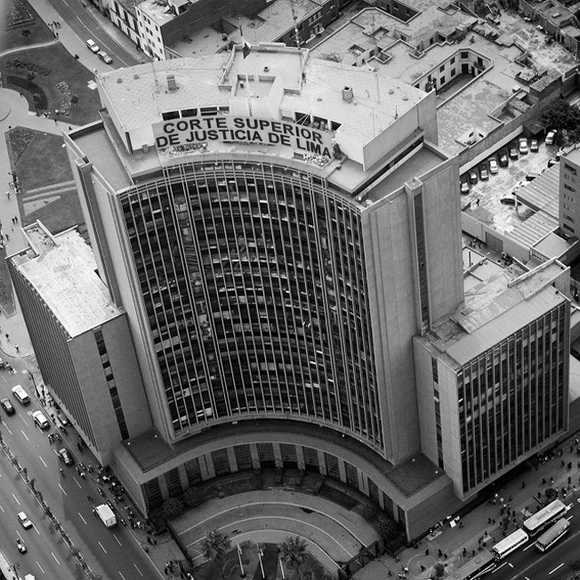
The Javier Alzamora Valdez building, designed by Peruvian architect Enrique Seoane Ros between 1951 and 1956 and conceived as the headquarters of the Ministry of Education, has been declared a Monument and part of the Cultural Heritage of the Nation. It stands as clear testament to the public civil architecture built during the Modern Movement in Peru, serving as a tangible and representative manifesto of mid-20th-century construction trends, when large government buildings were constructed for public administration as part of the urban renewal of Lima's Historic Center.
Architect and curator Paula Monroy, in collaboration with Diego Montoya, presents an interview with National Architecture Prize winner Miguel Lawner, conducted during the XXI Bienal de Arquitectura y Urbanismo de Chile 2019. The common good and the political dimension of architecture are among the key themes explored in this conversation.
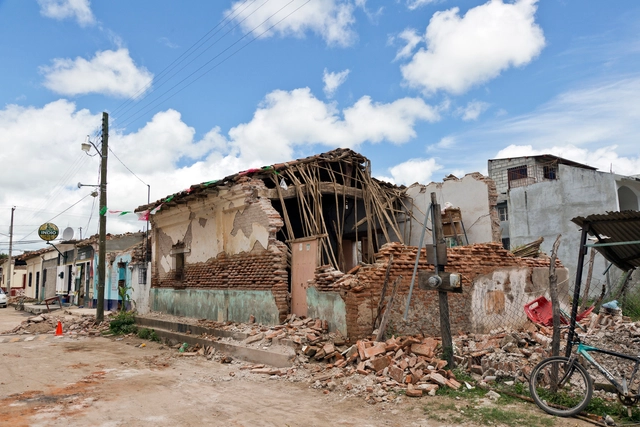
As part of an initiative by the Ixtepecano Committee for the Defense of Life and Territory and the Ixtepec Reconstruction Council, in collaboration with the Universidad de la Tierra de Oaxaca and Comunal: Taller de Arquitectura—who have been working together since 2018—the manual “Reconstrucción Integral del Hábitat en Guendalizaa” (Comprehensive Habitat Reconstruction in Guendalizaa) has been released. The guide is designed to assist families in the process of rebuilding homes affected in Ixtepec, Istmo de Tehuantepec, Oaxaca.
Directed by Gerardo Panero, the documentary narrates the life and work of architect Amancio Williams, a key figure of the Modern Movement in Argentina. Amancio played an undeniable role in renewing the country's architectural ideals, gaining global recognition for his ideas and projects. Among these is the famous Casa sobre el arroyo (House on the Brook), designed in collaboration with his wife Delfina Gálvez de Williams between 1943 and 1946 in the city of Mar del Plata. Although many of his proposals were never built, his ideals and explorations brought about significant changes in the understanding of ways of living, technique, and aesthetics, leaving a valuable legacy for future architects.
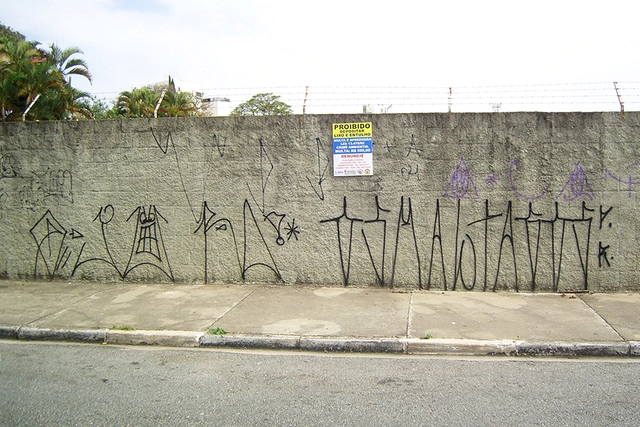
Since the second half of the twentieth century, Brazil has become globally recognized for urban insecurity. Since then, the problem has intensified, with extraordinarily high homicide rates—comparable, in many cases, to countries at war. In 2018, 17 Brazilian cities ranked among the 50 most dangerous cities in the world.
https://www.archdaily.com/1123980/how-urban-violence-shaped-brazilian-citiesPaulo Sa Vale
In light of recent developments surrounding COVID-19, the Mexico City government, in conjunction with the Mexico City Reconstruction Commission, announced that the reconstruction plan addressing the September 19, 2017 earthquakes will not be suspended. Instead, health and social distancing measures will be implemented to allow support and construction processes to continue.
La Parleta is a project by the Ecuadorian architecture and construction collective EseColectivo, which gathers "highly valuable reflections, anecdotes, and experiences surrounding the profession." Below, we share some of their thoughts alongside their fourth episode, "Post-Apocalyptic Architecture."
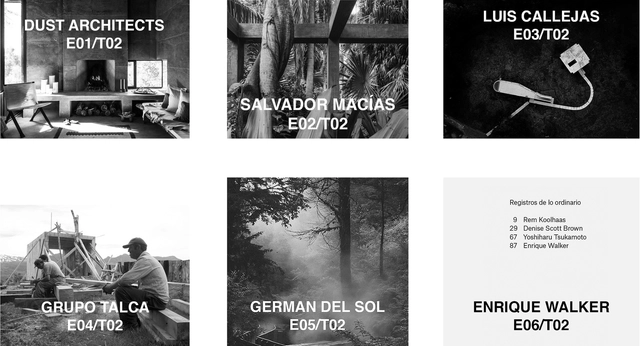
Nicolas Norero presents a new season of his podcast, continuing his conversations on identity, memory, and ways of life. In this edition, the featured guests are Dust Architects, Salvador Macías, Luis Callejas, Grupo Talca, Germán del Sol, and Enrique Walker.
While brick is one of the preferred construction methods within the architectural culture of several Latin American countries, Uruguay's unique history with this material has been deeply shaped by the contributions of the renowned engineer Eladio Dieste. His work pushed brick to its ultimate lightness, creating curved surfaces through a pioneering technology he termed reinforced ceramics. In doing so, Dieste offered the country—and the world—a new perspective on the structural possibilities of brick, strengthening its role in local identity and inspiring further exploration and design with the material.
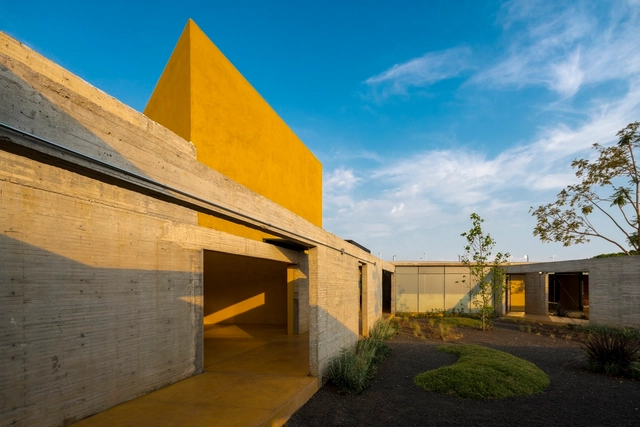
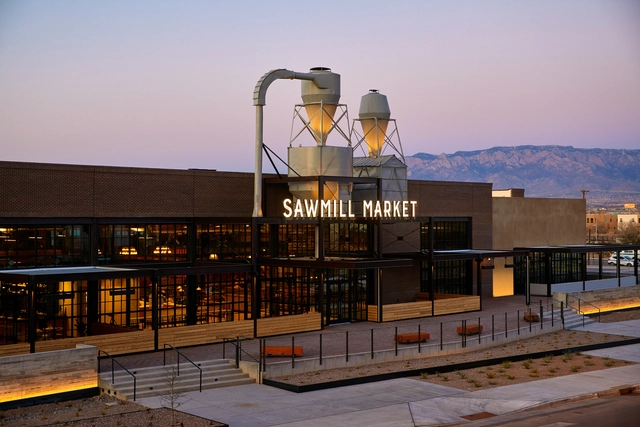
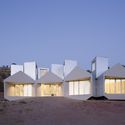
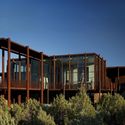
The state of New Mexico is located in the western region of the United States, bordering Colorado, Oklahoma, and Texas (in the US) and Chihuahua (in Mexico). It has the highest percentage of Spanish-speaking population in the United States. As part of Aridoamerica, its landscape is predominantly shaped by cacti and desert species.
Centered on the theme “Integrated Housing, Sustainable Communities,” the 2020 CAP Steel Design Competition for Students has recognized projects that promote the understanding of steel as a material, research into its vast potential, its technologies, and its multiple uses and applications in construction, developed within an appropriate architectural and structural framework.
Out of 26 preliminary projects submitted by 15 different universities, first place went to a team of students from Universidad Andrés Bello (Santiago), while second place went to students from Universidad Católica de Chile, and third place to students from Universidad Austral.
The following article proposes rethinking architecture as a subject rather than an object. Carlos Medellín delves into the topic, arguing from both experimental and academic perspectives how people-centered architecture acts as an agent of change.
Observing the reality of our built environment allows us to recognize that certain identities are not represented by existing models and scales. Unsurprisingly, these voices have been conspicuously absent from the planning and construction processes of cities and their architecture. Their desires, ways of being, and modes of inhabiting the world have been excluded and rendered invisible. This prompts us to rethink: Which voices are legitimized in urban debates, and for whom is the city designed?
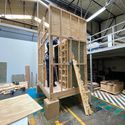
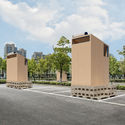
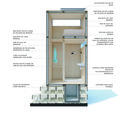
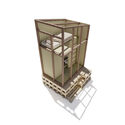
As part of an initiative led by the Mexican architecture firm REVOLUTION Arquitectura and the Mexican Red Cross, the Temporary Housing Pavilion for Healthcare Workers was developed to protect and shelter healthcare sector workers in Mexico.
https://www.archdaily.com/1123918/temporary-housing-pavilion-for-healthcare-workers-in-mexico-during-covid-19-by-revolution-arquitecturaArchDaily Team
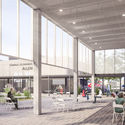
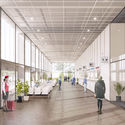
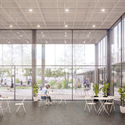
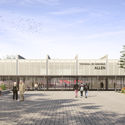
The winners of the Allen Bus Terminal Preliminary Project Competition (TOA) have been announced. This regional call was promoted by the Municipality of the City of Allen (General Roca, Río Negro, Argentina), organized by Section 2 and Section 4 of the Colegio de Arquitectos de la Provincia de Río Negro (CARN), and sponsored by the Argentine Federation of Architects' Associations (FADEA). The competition invited architects to submit proposals for a new passenger transport terminal, boosting architectural creativity and intervening at an urban scale.
The winners of the Ideas Competition for the Casa de la Cultura, Former Governorate of the Department of Santa Cruz have been announced. Promoted and organized by the Municipality of Santa Cruz, the initiative invited Chilean students and architects to develop architectural proposals to convert the old Santa Cruz governorate building into the future Casa de la Cultura, highlighting the value of the property, which is considered of high heritage significance as the city's last remaining early 20th-century architectural vestige.
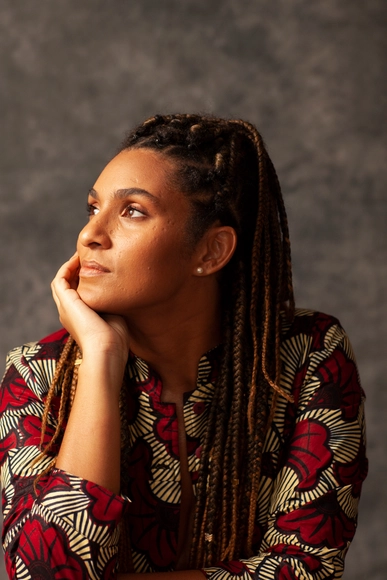
Architect Gabriela de Matos, creator of the Arquitetas Negras project, was named Architect of the Year by the Rio de Janeiro Department of the Institute of Architects of Brazil (IAB-RJ). Alongside her, IAB-RJ also honored the Oswaldo Cruz Foundation (Fiocruz) during an online event held this week to announce the winners of the 58th Annual Awards and the 37th Architect of Tomorrow Award.
Dedicated to exploring the intersection of race, gender, architecture, and the city, Gabriela highlighted in her speech the importance of recognizing that "although the field of architecture and urbanism is still elitist and racist, it is precisely the training of architects and urban planners who view architecture as a social tool that can help bridge the gaps and inequalities in our society."
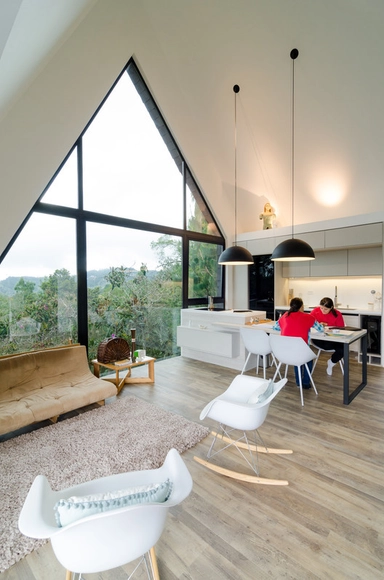
Within residential spaces, architects choose to give more or less prominence to certain areas of the program, depending on client preferences. While some prefer to prioritize more intimate spaces, others lean toward social areas—with the kitchen being a primary example.
Although the pragmatic function of a kitchen is to serve as a space for preparing food, there are few homes where it does not also double as a gathering place. Even in traditional dwellings like the Mapuche *ruka*, a central hearth is used both for cooking and for heating, conceptually evoking the same welcoming atmosphere as integrated urban kitchens. Today, fire is managed through stoves—with a strong modern shift toward induction cooktops for their safety and precise temperature control. Nevertheless, the core domestic principle remains the same, and contemporary architecture has allowed the kitchen to once again integrate seamlessly with daily activities and social zones.
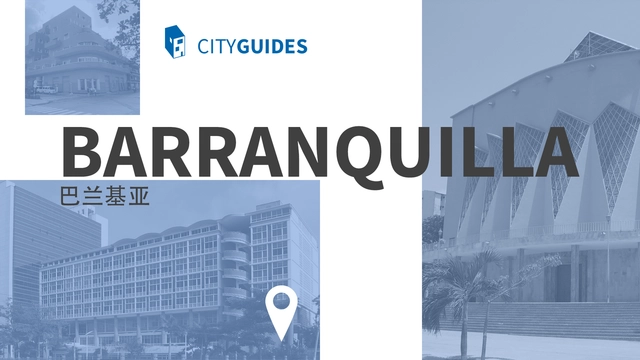
Barranquilla is renowned for its colorful carnival, while its architectural identity is defined by the El Prado neighborhood and the works of master architect Roberto Acosta Madiedo. We have compiled a selection of outstanding modernist works in the city, including houses, residential developments, religious buildings, and public spaces.
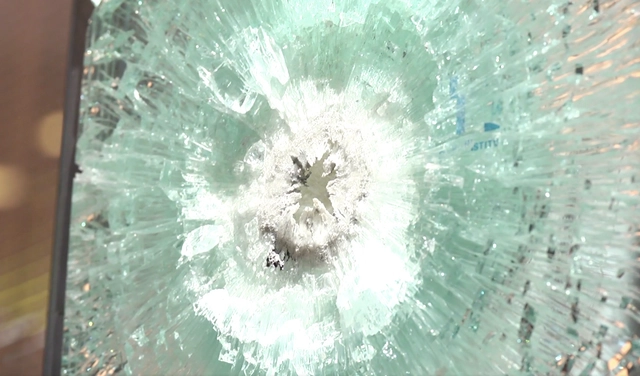
The pursuit of security in architecture is closely linked to creating sheltered interiors that allow us to carry out our daily activities comfortably and without unforeseen disruptions. However, the challenges involved in protecting people and property have shifted dramatically in recent years. Today, we seek to feel safe wherever we are, and in an increasingly open and transparent architecture, the building envelope material becomes more and more critical, particularly in its glazed areas.
What parameters should be considered when choosing safety glass? We spoke with technical experts from Cristales Dialum, who have developed solutions with different resistance levels for single- and double-glazed units.
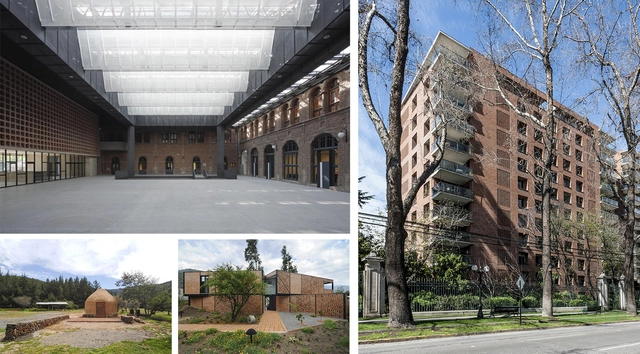
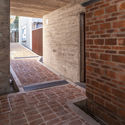
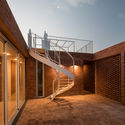
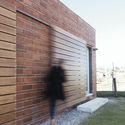
Following the decision of a jury comprising leading figures in national architecture, combined with the public vote, the winners of the 2020 Best Brick Architecture Award were announced. The award aims to recognize outstanding national architecture projects featuring exposed brick, highlighting the architectural value of a material central to Chilean identity.
https://www.archdaily.com/1123902/facade-and-covered-courtyard-of-campus-oriente-puc-and-the-lyon-building-winners-of-the-best-brick-architecture-work-2020ArchDaily Team
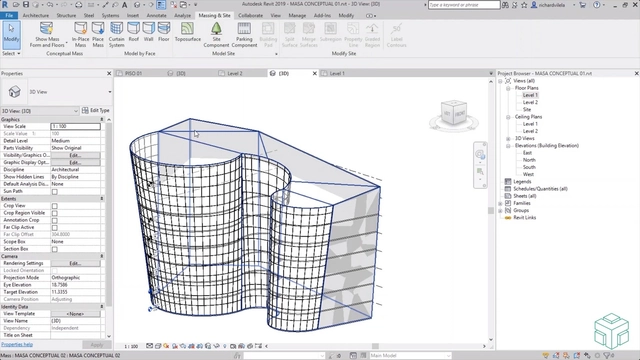
We have all heard the term BIM in the field of architecture and construction. But have you ever wondered why its adoption has grown so rapidly in recent years? Building Information Modeling (BIM) has streamlined the work of various professionals in the architecture and construction industries. It not only facilitates the design process but also simplifies the overall analysis of the building, thereby minimizing errors.
Through BIM methodology, teams can work collaboratively, maximizing the efficiency of project management and administration for both small and large-scale projects. This allows architects and engineers to work with parametric models and drawings, known as 3D smart objects.
https://www.archdaily.com/1123903/learn-about-bim-in-revit-with-this-free-online-introductory-courseGoPillar Academy





_10.47.15.jpg?1590076046&format=webp&width=640&height=580)




_-_Art_Gray.jpg?1593480840 "Central New Mexico Community College Westside 1 Building / Gould Evans + Design Plus. Image © Art Gray")
.jpg?1593480863 "Abiquiu House / Anderson Anderson Architecture. Image Cortesía de Anderson Anderson Architecture")