On Friday, September 25, the first Digital Event organized by ArchDaily took place, sponsored by Crest and Panel Rey for the Mérida-based architectural community. During the event, David Basulto (founder of ArchDaily) and Vanessa Vielma (Director of ArchDaily Mexico) gave a talk on the platform's history and shared relevant data specific to this context.
In a year defined by physical distancing, social media has taken on an even greater role in how we connect and stay informed. Our Instagram accounts have surpassed all previous reach records, bringing our audience the very best of what we publish on our website: projects, articles, interviews, and news from the architectural world, inspiring new ideas and tools for a better future for our cities.
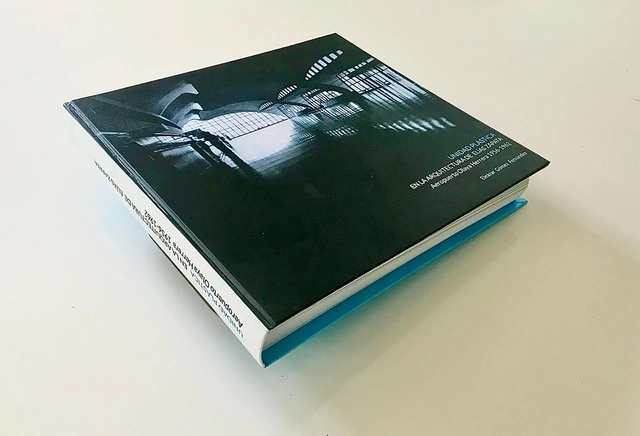
Carátula tesis. Image Cortesía de Eleázar Gómez Fernández
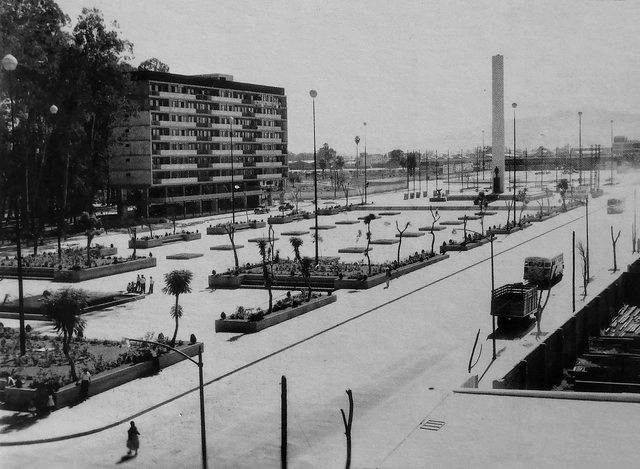
Every architecture school has its canonical local landmarks. For students in Colombia, one of the most easily recognized is the Olaya Herrera Airport in Medellín by Elías Zapata Sierra, an undeniable yet understudied icon. Architect Eleázar Gómez Fernández (Universidad Nacional de Colombia) presents this master's thesis, published in the Digital Library of the Universidad Nacional de Colombia.
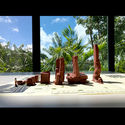
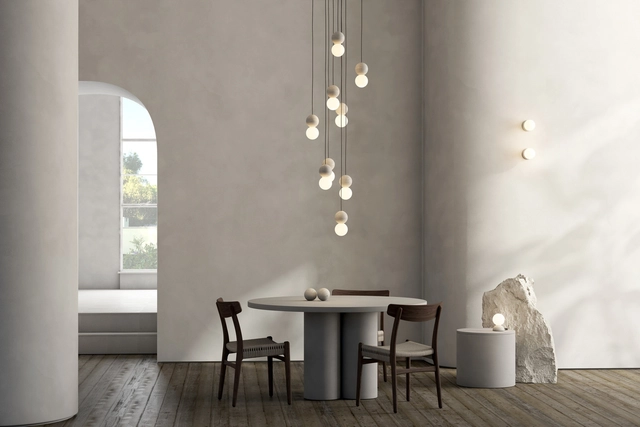
Founded in 2013 in Mexico City, David Pompa is a studio comprising designers, engineers, and makers based in Mexico and Austria. David Pompa grew up in both countries and studied product design in London. Over time, the studio has shown a strong interest in traditional materials and techniques, maintaining a commitment to Mexican culture since its inception, which is reflected in its creation of aesthetic and accessible design objects.
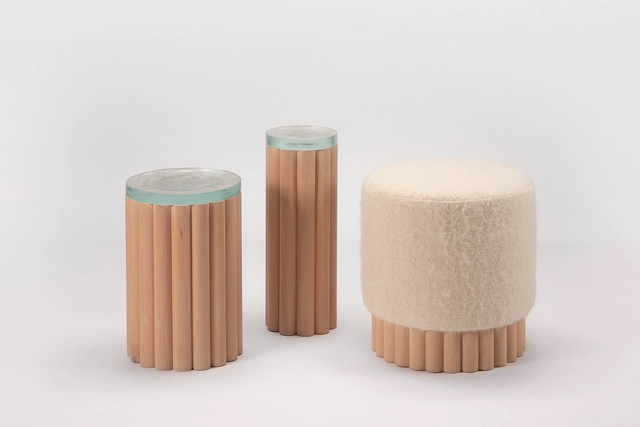
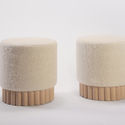
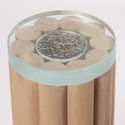
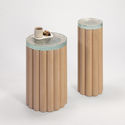
PECA design studio—led by Mexican architect Caterina Moretti—launches its new collection titled "Loto," crafted from beech wood, fused glass, and wool. It features two side tables with tops made of recycled glass fused in Tlaquepaque—providing the transparency needed to appreciate the interior of the pieces—and a pouf upholstered in sheep's wool woven on a backstrap loom in San Juan Chamula, in the Chiapas Highlands, which leaves a minimal portion of its wooden base exposed to highlight the contrast between the two textures.
As part of an initiative by architects and urban planners to mark the 50th anniversary of the founding of Cancun in Quintana Roo, Mexico, two comics have been released to portray the history of Cancun's Foundational Zone. Created by Pablo Landa of Landa + Martínez and David 'El Dee' Espinosa, this work explains the origins of the city's urban layout, as well as the history behind Cancun's Foundational Zone, to help understand its sustainable, pedestrian-friendly origins that promote community life.
The moniker of having “built half the city” is often an exaggeration when discussing architects with a large volume of work. However, in the case of Julio de la Peña, the claim is not so far-fetched. This is true not only because of the sheer number of his projects, but also due to how iconic they are for Guadalajara.
On Wednesday, December 16, Panel Rey brought together architects from across Mexico for its fifth annual New Year's toast in Monterrey, Nuevo León. This year, a special recognition was presented to architect Bernardo Hinojosa, who has an impeccable career of more than 46 years in the profession, with more than 1,750,000 square meters of planned projects spanning commercial, office, educational, sports, urban, industrial, and residential architecture.
With the emergence of COVID-19, we have had to adapt to living differently than we were used to, which has been directly reflected in our working style. Where and how do we work today? A large portion of the workforce has transitioned to working from home, where feasible. While comfortable for many, for others it has meant a radical shift, bringing new spatial and resource requirements. For architects, engineers, builders, and contractors, this challenge has been particularly complex, as much of their work involves handling large, high-cost devices.
In this article, we present 3 innovative solutions that replace the traditional, bulky plotter, allowing us to print in large formats from our own homes.
Yesterday, the Mayor's Office of Bogotá shared on social media the first images of the Santa Clara Hospital renovation, which is part of the San Juan de Dios hospital complex in the Antonio Nariño district. They also announced the signing of the start-of-work agreement for its construction and renovation.
COVID-19 will likely change the way we live and work for an extended period. In this landscape, organizations have been seeking short-, medium-, and long-term solutions to guarantee their staff a safe return to work. Protecting the health of employees exposed to contact in the workplace requires implementing biosecurity strategies, social distancing, occupancy limits, cleaning, and disinfection. This article explores preventive measures recommended by HID Global, based on the application of identification technologies.
Water is one of the non-architectural elements most frequently used to complement design, harmonizing atmospheres and the overall experience of living. This can be achieved through reflecting pools, basins, fountains, or swimming pools. In tropical climates, it becomes a key tool that consolidates the architectural program, gathering spaces together and inviting residents to socialize around the pool.
With the launch of ODA2020, this year we celebrate the twelfth anniversary of the Building of the Year Award (ODA), the highest recognition in the Spanish-speaking architectural world, where the winners are chosen by popular vote. Starting today, Tuesday, March 10, and for the next three weeks, our readers will be responsible for determining which projects inspired us in 2019, faithfully representing the identity of our local contexts while shaping the way architecture is practiced around the world.
Over the next three weeks, the entire ArchDaily en Español network (Plataforma Arquitectura, ArchDaily México, ArchDaily Colombia, and ArchDaily Perú) will serve as the platform for celebrating the best built architecture in Spain and Spanish-speaking Latin American countries.
From a pool of nearly one thousand projects published in 2019, you can easily find your favorites by browsing each category and using the search tool to filter projects by country and architecture firm.
Suba- Nuestro Jardín-NerioGuevara. Image Cortesía de Bicistema
In large Latin American cities, marked by deep class polarization, insecurity becomes one of the direct outcomes of a lack of inclusive planning. In Bogotá, socioeconomic classes are divided into strata from 1 to 6—with 1 representing the most vulnerable population and 6 the most privileged. Bicistema has carried out four interventions in the localities of Kennedy, Suba, Teusaquillo, and Tunjuelito at public space points critical to women's safety.
Architect and curator Paula Monroy, in collaboration with Diego Montoya, presents an interview with National Architecture Prize winner Miguel Lawner, conducted during the XXI Bienal de Arquitectura y Urbanismo de Chile 2019. The common good and the political dimension of architecture are among the key themes explored in this conversation.
As part of an initiative by the Ixtepecano Committee for the Defense of Life and Territory and the Ixtepec Reconstruction Council, in collaboration with the Universidad de la Tierra de Oaxaca and Comunal: Taller de Arquitectura—who have been working together since 2018—the manual “Reconstrucción Integral del Hábitat en Guendalizaa” (Comprehensive Habitat Reconstruction in Guendalizaa) has been released. The guide is designed to assist families in the process of rebuilding homes affected in Ixtepec, Istmo de Tehuantepec, Oaxaca.
Directed by Gerardo Panero, the documentary narrates the life and work of architect Amancio Williams, a key figure of the Modern Movement in Argentina. Amancio played an undeniable role in renewing the country's architectural ideals, gaining global recognition for his ideas and projects. Among these is the famous Casa sobre el arroyo (House on the Brook), designed in collaboration with his wife Delfina Gálvez de Williams between 1943 and 1946 in the city of Mar del Plata. Although many of his proposals were never built, his ideals and explorations brought about significant changes in the understanding of ways of living, technique, and aesthetics, leaving a valuable legacy for future architects.
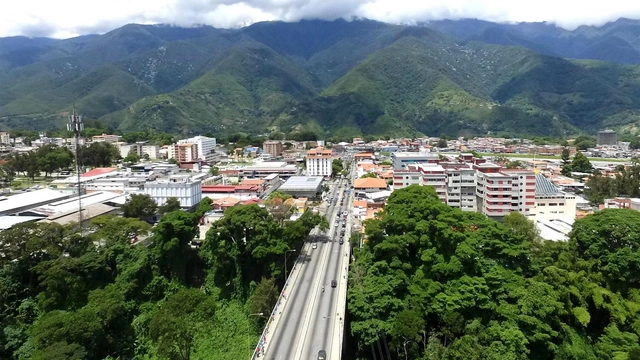
Five years after our first encounter with the hidden substructure of Viaduct #2 in Albarregas Park, in the city of Mérida, Venezuela—and more than ten years since its reclamation by a growing community of skateboarders and street artists—this cultural hub continues to endure, an endogenous space driven by the momentum of its own effervescence.
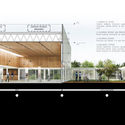
The winners of the Ideas Competition for the San Francisco Regional Cultural Recreational Space 2 have been announced. This public, province-wide call invited participants to design a building dedicated to community gathering, recreation, socialization, exchange, education, outreach, and civic participation.
While brick is one of the preferred construction methods within the architectural culture of several Latin American countries, Uruguay's unique history with this material has been deeply shaped by the contributions of the renowned engineer Eladio Dieste. His work pushed brick to its ultimate lightness, creating curved surfaces through a pioneering technology he termed reinforced ceramics. In doing so, Dieste offered the country—and the world—a new perspective on the structural possibilities of brick, strengthening its role in local identity and inspiring further exploration and design with the material.
We are pleased to present the finalist projects for the 2020 Building of the Year Award (ODA20). After two weeks of nominations, the favorite projects have been chosen from among hundreds of built works in Portuguese-speaking countries. Our jury of experts, made up of our own readers, has once again done an outstanding job in selecting these 15 projects. The finalists span a remarkable diversity of programs, ranging from cultural and educational projects and public spaces to high-end residences and temporary installations.
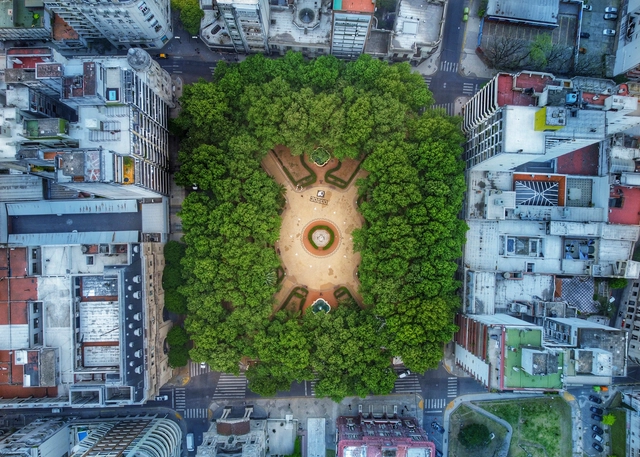
With an average of 12 square meters of green space per inhabitant, the city of Rosario was declared Argentina's "greenest" urban enclave in a recent report published by the Inter-American Development Bank's (IDB) Emerging and Sustainable Cities Initiative. This figure aligns with the standards set by the WHO, which recommends between 10 and 15 square meters of green space per person to ensure a decent quality of life for all citizens. The creation of new parks in recent years, combined with the upgrading of over 70 existing ones through the addition of amenities and technology, highlights the significance of green spaces for the people of Rosario.
Slate 1 CAU+Plural, composed entirely of women architects and urban planners, received 11,568 votes in the election for CAU/SP, held on October 15. The election, which recorded the highest turnout of architects and urban planners in the history of the Council of Architecture and Urbanism of São Paulo, marked the first time a single slate garnered nearly 40% of the valid votes.
In an unprecedented achievement, the slate secured the majority of seats in the Council, winning 49 plenary seats. Out of 77 total seats, 52 will be occupied exclusively by women. Thanks to this strategy, the next term will see a 77% female composition—with 54 titular members and 66 alternates, respectively. This effectively reverses the previous composition, where 76% of the state council was represented by men.
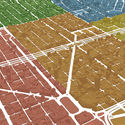
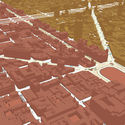
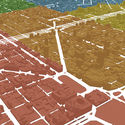
Through an open data system, the “Buenos Aires Data” program has made public the data from the survey of the entire urban fabric of the Autonomous City of Buenos Aires. Developed as part of the Open Government strategy, the project allows users to download and visualize maps of each of the city's neighborhoods along with their corresponding high-rise buildings.
.jpg?1601431851 "© Taller Estilo Arquitectura")
.jpg?1601431998 "© Estudio 360")










_10.47.15.jpg?1590076046&format=webp&width=640&height=580)