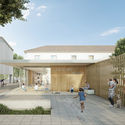
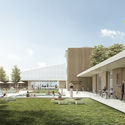
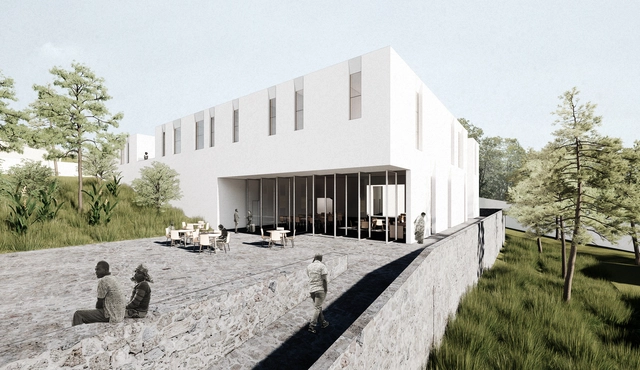
The courtyard is an essential architectural element in many cultures. In Brazil, examples can be found both in historic buildings of Portuguese influence and in modern architecture of the last century. While its use is frequently associated with bioclimatic benefits—improving natural ventilation and daylighting in interior spaces—it can represent much more than that. The void it creates, a subtraction from the built volume, can establish unexpected geometric and visual relationships and foster cross-dialogues between different parts of the building.
São Paulo-based firm Estúdio Módulo, led by Guilherme Bravin and Marcus Vinicius Damon, was named a finalist in the international competition Hope Dental Center: Rwanda Clinic and Training Institute. Organized by Archstorming in partnership with His Hands On Africa (HHOA), the competition aimed to select the design that will be built to house a dental clinic and training institute in Kigali, the capital of Rwanda.
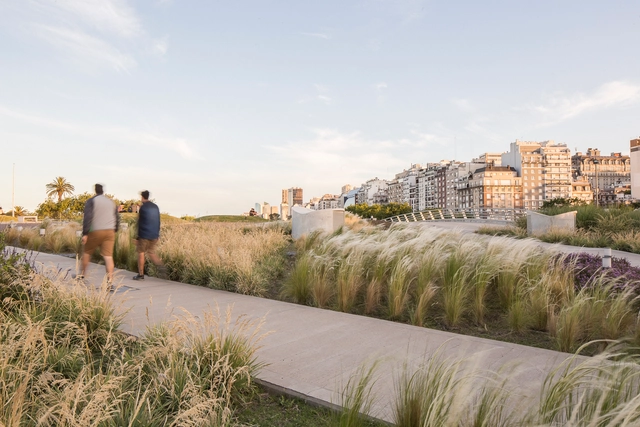
Bulla is an Argentine landscape design, urban, and territorial planning studio that has dedicated over a decade to "inserting a landscape agenda into the public and intellectual scene." To explore their beginnings, purpose, methods of working, reflecting, and exploring, as well as their vision for the future of landscape architecture in Argentina, we interviewed Ignacio Fleurquin, founding partner.
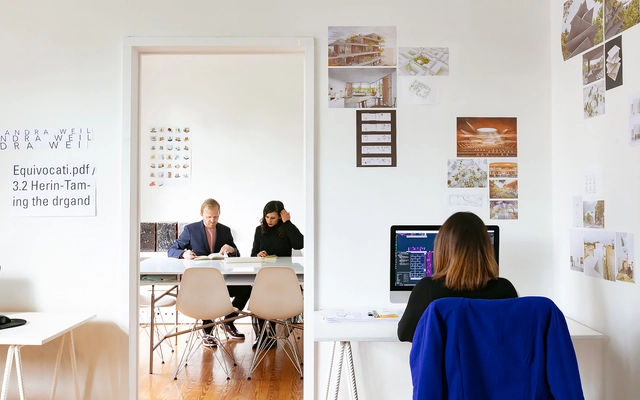
On this occasion, Víctor Feingold, President of Contract Workplaces, shares his perspective on how working from home is shaped by the environment, organizational culture, and the drive for innovation.
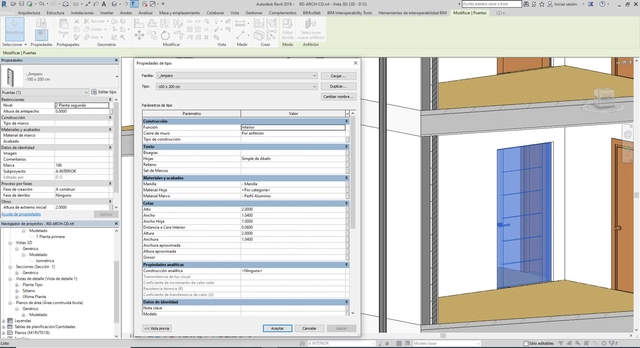
The letter “I” in the acronym BIM (Building Information Modeling) stands for Information, which is manifested through parameters and the customization they enable within Autodesk Revit, thereby building intelligent BIM Objects. This article outlines the different parameters within this modeling tool, focusing specifically on family parameters. Parametric families arise from customizing these parameters, offering a wide range of possibilities for the BIM Model.
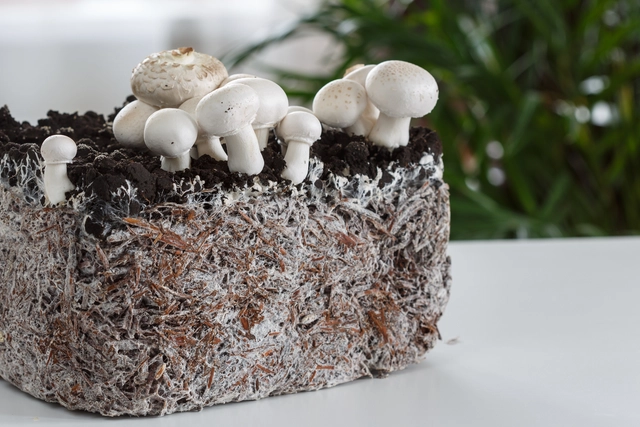
Fungi are everywhere—in the air, in water, on our bodies, on trees, on bathroom ceilings, and underground. They can manifest as mushrooms (including edible, medicinal, psychedelic, or highly toxic ones) or in other simple forms like mold. They can trigger illnesses, but they also produce life-saving antibiotics like penicillin and help ferment excellent cheeses and breads. Could they, then, also become the packaging and construction materials of the future?
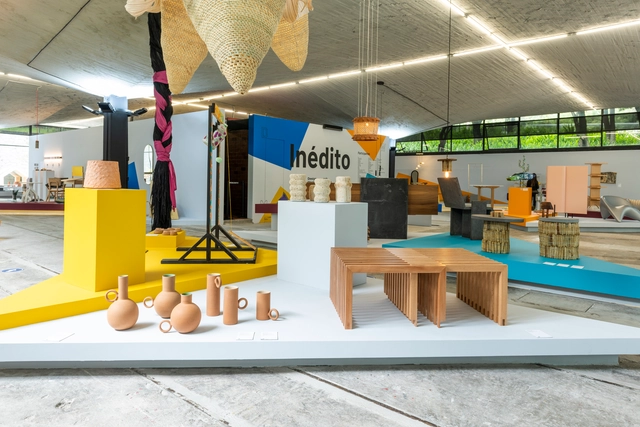
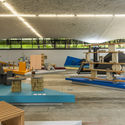
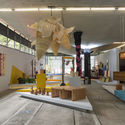
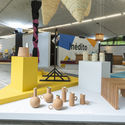
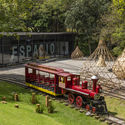
As part of the annual collaborative efforts of the Design Week team in Mexico City, the "Inédito" exhibition opened on October 9 at the Espacio CDMX Arquitectura y Diseño gallery. It marks the sixth consecutive edition of this open call, which aims to support, promote, and showcase utilitarian design projects across several categories: social impact, environmental impact, innovation, function, aesthetics, concept, user experience, materials, and processes. The exhibition is divided into three categories—professional, student, and digital—where, far from competing, participants gain exposure to opportunities in both national and international markets for outstanding design with commercial and production viability.
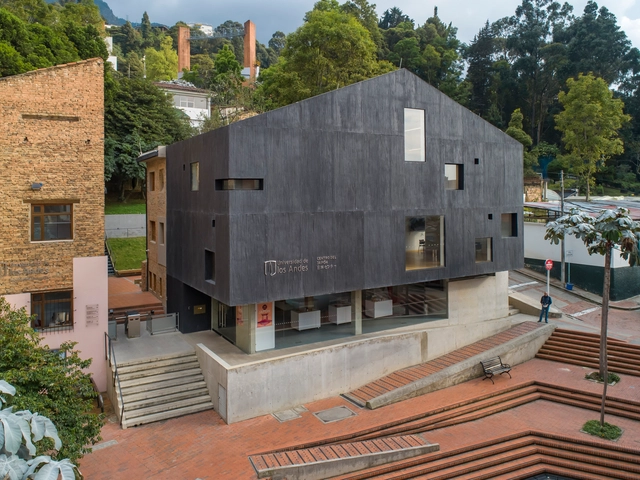
Intervening in buildings of historic value is one of the most delicate tasks facing architects. Today, preservation is no longer limited to restoring centuries-old buildings; it also encompasses the language of modern architecture.
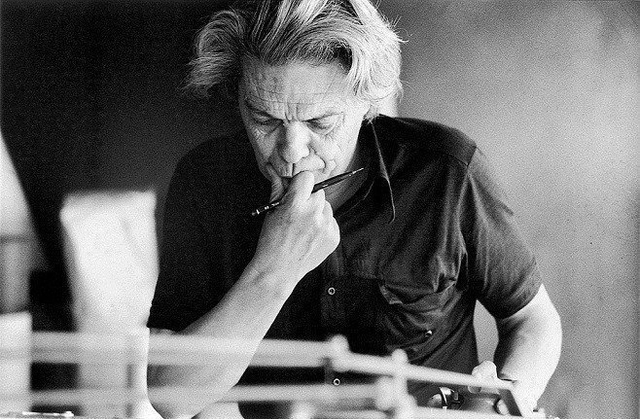
The documentary Vilanova Artigas: The Architect and the Light, written by Laura Artigas and co-directed with Pedro Gorski, was produced to mark the architect's centennial and released in 2015. The film won the "Lusophony Award" at the Portuguese film festival Arquiteturas Film Festival Lisboa 2015 and is now available online to watch from home.
As a consequence of the COVID-19 health emergency, the way we understand urban transportation is likely to change. While concerns regarding fossil-fuel vehicles already carried significant weight before the outbreak—primarily due to their environmental impact—and sustainable transportation had already become a key issue on the urban agenda, the need for social distancing to halt the spread of the coronavirus has accelerated debates around mobility. As a result, the bicycle quickly emerged as a viable alternative for safer transit during the COVID-19 pandemic in cities worldwide.
The National Social Distancing Campaign (Jornada de Sana Distancia) in Mexico began on March 23, 2020. However, a couple of weeks earlier, despite the federal government's recommendation to continue normal activities, people on social media were already choosing to replicate the European model of self-isolation. Some architecture firms immediately decided to close their physical spaces and transition to remote work, while others took a few more weeks. Still, this period of social and physical (spatial) distancing is experienced differently in every household. The months of this pandemic have exposed not only inequality regarding basic needs in dense urban areas, but also the fragility of our social order. Whether at a macro or micro scale, all these experiences are shaped and influenced by the built environment, making architecture both a judge and a party to the equation.
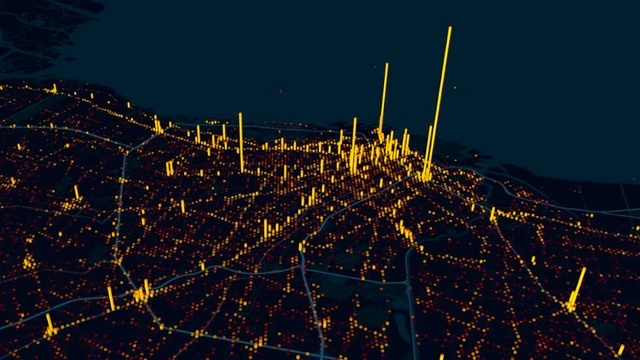
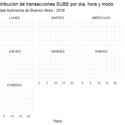
Today, the availability of information and data has vastly expanded our ability to analyze, interpret, and understand life in our cities. In urban planning, some of the most valuable and highly sought-after data for analyzing urban mobility dynamics comes from the use of the SUBE system (the Unified Electronic Ticket System, used in Argentina to pay for public transit). By gathering this information, millions of digital footprints can be aggregated and visualized, allowing us to interpret and anticipate citizen transit behavior. This, in turn, helps us understand urban trends based on the time of day and the day of the week.
Cortesía de Bienal Internacional de Arquitectura de Santa Cruz
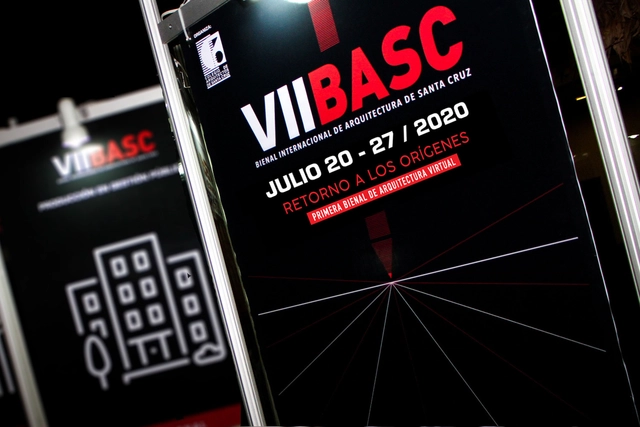
The Santa Cruz International Biennial of Architecture (BASC) is adapting and transforming. As a result, it will become the first virtual architecture biennial in the Americas, taking place from July 20 to 27 alongside the International Construction, Architecture, and Design Fair (FICAD).
https://www.archdaily.com/1124245/the-santa-cruz-international-architecture-biennial-2020-will-be-virtualArchDaily Team
Have you ever had to alter an original design due to construction difficulties or budget overruns, yet never because it negatively impacted the environment?
That is why we want to give our readers the opportunity to openly express their views on this matter. If we were fully aware of the environmental costs of materials today, or their potential future consequences, or the real, global challenges that arise during construction, would it change the way we select and create our designs? Would it be easier for us to advocate for our projects to others and fellow professionals?
Architect Cristián Boza Díaz, known for designing the Parque Fluvial de la Familia, the Centro de la Justicia, and the Universidad San Sebastián in Santiago, Chile, passed away today at the age of 76 following a liver disease that afflicted him in his final years.
Every year, we host a call for graduation projects open to our audience in all Portuguese-speaking countries. Through this, we aim to select the most interesting projects to present inspiring visions and debates for the fields of architecture and urbanism.
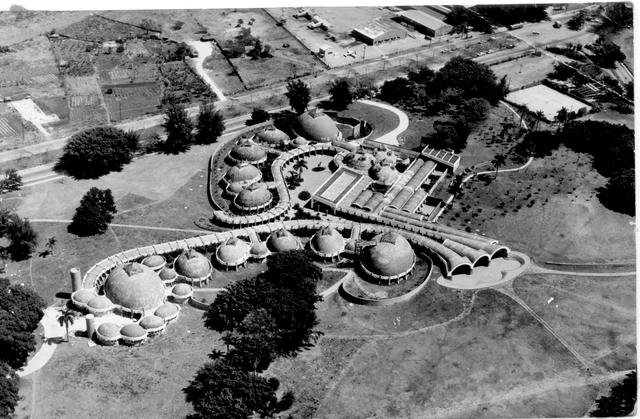
Aerial view. Plastic Arts Schools Ricardo Porro. Havana, 1961-65. Source: Office of the City Historian. Image via Revista rita_
This article by María José Pizarro and Óscar Rueda was originally published in the 3rd issue of rita journal under the title "Ernesto N. Rogers y la 'Preesistenza Ambientale' en las Escuelas Nacionales de Arte de La Habana" and is part of a joint collaborative dissemination effort. The present text seeks to delve into the influence of Rogers' theoretical corpus on three of his outstanding students: Ricardo Porro, Vittorio Garatti, and Roberto Gottardi, and how this thinking informed the design of their first and most significant work: the National Art Schools of Havana.
https://www.archdaily.com/1124203/ernesto-n-rogers-and-the-preesistenza-ambientale-at-the-national-art-schools-of-havanaMaría José Pizarro y Óscar Rueda
In 2014, a group of friends from Ciudad Juárez, Chihuahua, driven to contribute to their city's resilience and recovery, came together to dialogue and share ideas for reclaiming streets, plazas, and parks through sociocultural projects and urban interventions in public space. This gave rise to Nómada Laboratorio Urbano. Ciudad Juárez is an industrial city located on the northern border with the United States, directly adjacent to El Paso, Texas. Over the years, Juárez's economy has been dominated by the maquiladora industry; the city was also once considered one of the most violent in the world due to a wave of crime between 2008 and 2012.
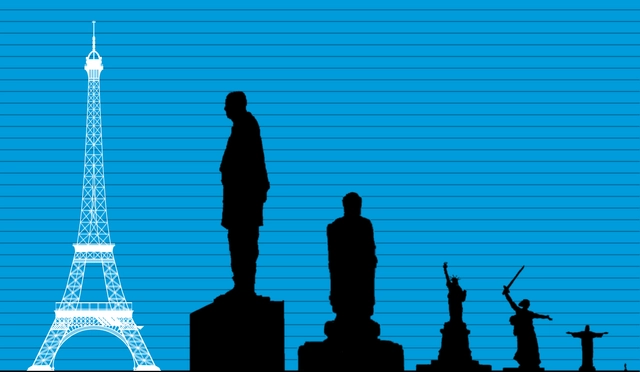
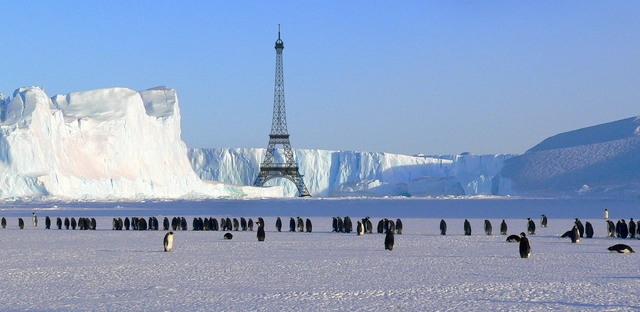
Montage. Sculpture profiles via Wikipedia user: Anna Frodesiak. Licensed under Public Domain CC0 1.0
Scattered throughout cities and standing as landmarks in the landscape, what do these statues represent, having driven humanity around the world to pay such singular attention to their size?
Closed playground in Vancouver, Canada. Photo: Rod Raglin / Creative Commons / Flickr
At the time of writing, it is still difficult to envision the post-pandemic world of COVID-19, which spread across the globe in just three months after the first cases were detected in Wuhan, China, in December 2019. Dystopian scenarios of human and economic devastation managed by totalitarian regimes still run parallel to visions of societies successfully returning to the streets with more sustainable and secure patterns for their habits, modes of production, consumption, and social organization. Regardless, there is a lingering sense that the world will never be the same and that we will have to reorganize a significant portion of our collective and individual lives. The global suspension of activities triggered by COVID-19 could point to solutions—not only for the pandemic but also for other pressing crises that have been knocking on our door for some time, notably climate change and persistent, brutal social inequality.
https://www.archdaily.com/1124181/mobility-and-the-pandemic-what-can-we-expect-for-the-future-of-life-in-citiesITDP Brasil



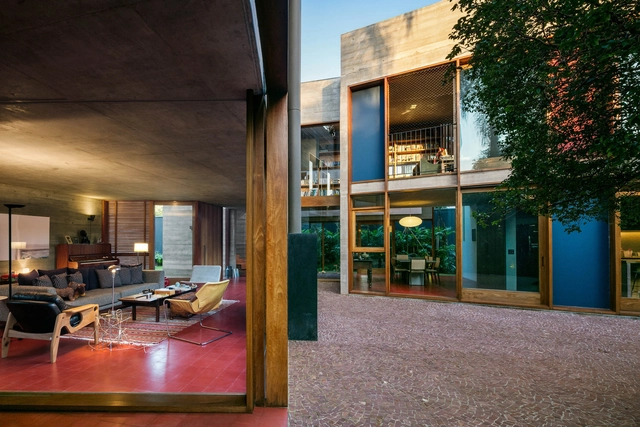


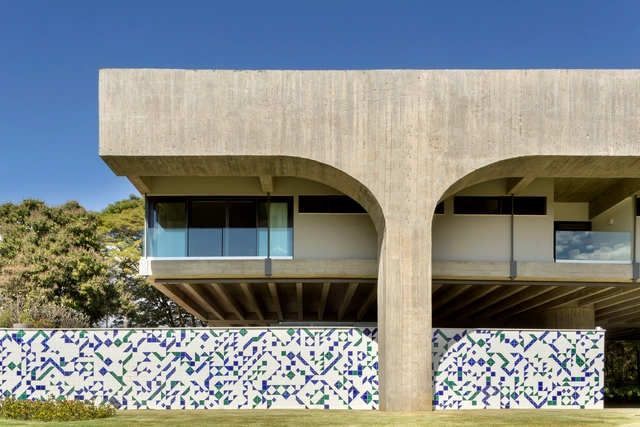
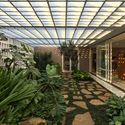
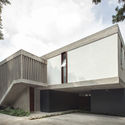
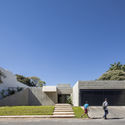


.jpg?1589245986 "Kaspé House / Zeller & Moye. Image © Dane Alonso")



.jpg?1583109973 "Cortesía de Martin Alalu")
.jpg?1583109981 "Cortesía de Martin Alalu")
.jpg?1583109965 "Cortesía de Martin Alalu")

.jpg?1579619906&format=webp&width=640&height=580)