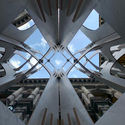
The XI Ibero-American Biennial of Architecture and Urbanism (XI BIAU) concluded last Friday, October 11, in Asunción, featuring lectures by Jorge Scrimaglio, one of the two winners of the 2019 Ibero-American Architecture Prize, and a closing lecture by Solano Benítez and Gloria Cabral, co-founders of Gabinete de Arquitectura.
https://www.archdaily.com/1120272/xi-biau-highlights-the-contrasts-and-contradictions-of-ibero-america-in-photography-contestArchDaily Team
Currently, project production within universities in Mexico is immense, and we believe it is the perfect time to showcase some of their best work. Many undergraduate theses—also known as graduation projects—address truly interesting and valuable topics for our country. Unfortunately, the vast majority remain stored on library shelves or in a computer folder, missing the opportunity to drive real change in our cities and the way we inhabit them.
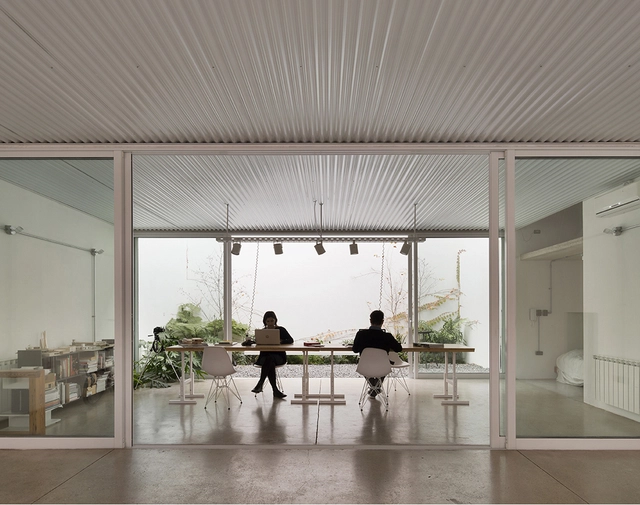
Urban Refuge Studio House / Estudio Berzero Jaros. Image
While many of the homes built during the Modern Movement—as design experiments on new ways of living—fostered the early emergence of "programmatic hybrids" by typically linking the residences of artists, painters, or architects with their workspaces (one need only recall, for instance, the atelier Le Corbusier designed for painter Amédée Ozenfant in 1922), today, new work models and hyperconnectivity have further driven the development of a new typology where workspaces are integrated into residential architecture. Architects, writers, photographers, designers, and painters increasingly choose to integrate their studios and workshops into their homes, merging living and working into a single whole.
Concéntrico is an International Architecture and Design Festival that, through a democratic approach open to all citizens and visitors, aims to reflect on the urban environment and the city.
Cortesía de Silvia Batlle, Geraldine Ladino, Eduardo Ottaviani
As part of its 175th-anniversary celebrations, the British Hospital of Buenos Aires, Argentina, launched the “Idea Raiz” competition, an initiative aimed at revitalizing the green spaces of its headquarters. The project seeks to enhance the institution's spatial and landscape qualities, creating therapeutic and recreational areas for patients, families, and staff. The hospital selected projects with a distinct identity that aspire to serve as a legacy for its future. Discover the winning team's proposal below:
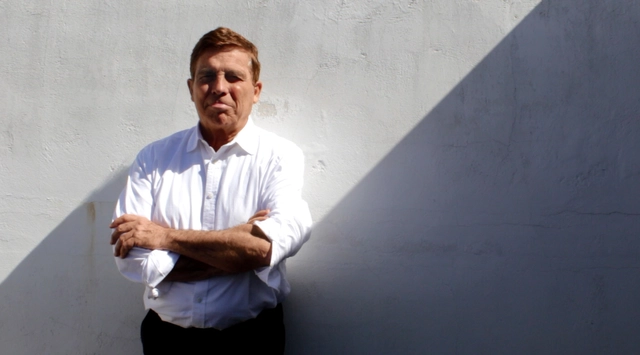
Architect Alberto Campo Baeza has been awarded the Gold Medal for Architecture, Spain's most prestigious architectural honor, which has been presented by the professional association of architects since 1981. Established by the Superior Council of Architects' Associations of Spain (CSCAE), the Gold Medal recognizes the dedication of individuals and institutions whose work elevates the field of architecture.
On Thursday, September 5, ArchDaily México celebrated its seventh anniversary. This year, Proyecto Público Prim was chosen as the venue—an early 20th-century building of great architectural value featuring interventions by architect Alberto Kalach and the firm PRODUCTORA. The venue served as the backdrop for some of the most influential figures on the contemporary scene to connect with the ArchDaily México team.
The article series by Nikos A. Salingaros, David Brain, Andrés M. Duany, Michael W. Mehaffy, and Ernesto Philibert-Petit investigating social housing in Latin America continues by exploring the choice of building materials. Read all past articles and the new piece below.
https://www.archdaily.com/1120321/the-need-for-adaptable-materials-in-latin-american-social-housingNikos A. Salingaros, David Brain, Andrés M. Duany, Michael W. Mehaffy & Ernesto Philibert-Petit
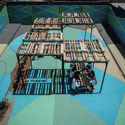
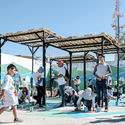
Ciudad Juárez is an industrial city located on the northern border with the United States, specifically bordering the city of El Paso, Texas. Over the years, Juárez's economy has been dominated by the ‘maquiladora’ assembly industry, and the city was once considered one of the most violent in the world due to a wave of crime between 2008 and 2012. In response to these conditions, in 2014, a group of friends from Ciudad Juárez, Chihuahua, eager to contribute to their city's resilience and recovery, came together to discuss and pitch ideas for reclaiming streets, plazas, and parks through sociocultural projects and public space interventions, ultimately giving rise to Nómada Laboratorio Urbano.
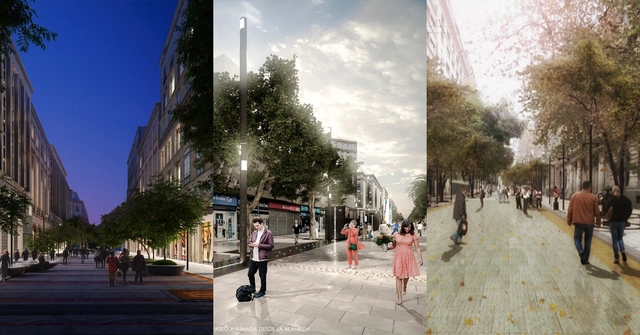
Through the Santiago Development Corporation (CORDESAN), and with the support of the Architects Association (CA) and the Association of Architectural Offices (AOA), the Municipality of Santiago (Chile) has announced the winning projects in the design competition to remodel the Ahumada-Puente, Huérfanos, and Estado-21 de Mayo pedestrian promenades in the center of the Chilean capital.
The initiative marks the 40th anniversary of the transformation of Ahumada Street into a pedestrian promenade, a thoroughfare currently used by more than two million people daily, connecting Santiago's Plaza de Armas with the Alameda, the Chilean capital's main east-west arterial road.
"It is necessary to give a new image to [the] pedestrian promenades, which serve as hubs of activity for many residents who work and commute around them, defining the main character of downtown Santiago," explained Felipe Alessandri, Mayor of Santiago and President of the competition, in the competition guidelines.
https://www.archdaily.com/1120363/these-are-the-winners-of-the-redesign-of-santiagos-pedestrian-promenades-in-2020ArchDaily Team
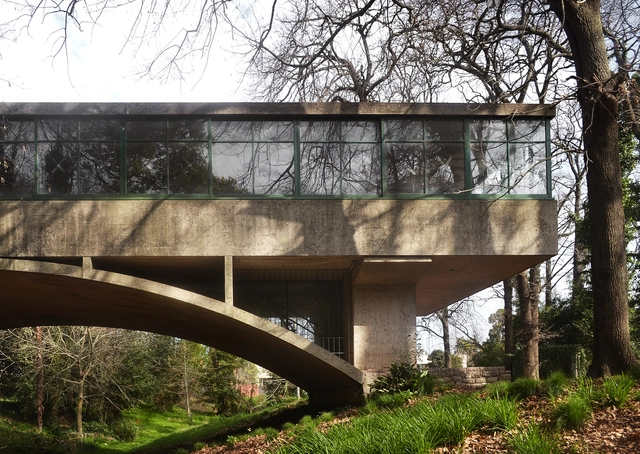
The Casa sobre el Arroyo, commonly known as the “Bridge House,” was designed by renowned Argentine architects Amancio Williams and Delfina Gálvez de Williams between 1943 and 1946 in Mar del Plata. It was originally built as a residence for his father, the musician Alberto Williams, but served this purpose for only a relatively short period. Although the building is now recognized as a paradigm of 20th-century architecture and a crucial reference for understanding the influence of the Modern Movement in Argentina and Latin America, its future has recently been the subject of debate and speculation. After suffering two devastating fires in 2004 and 2008, the house waited for a protection plan for over twenty years, during which various public and private institutions, both national and international, campaigned for its defense and comprehensive preservation.
In its most recent edition, BBConstrumat, Spain's largest construction trade fair, underscored its commitment to supporting a new model in the construction industry—one centered on the circular economy and sustainable development.
Among the event's key highlights, Ricardo Devesa—editor-in-chief at Actar and urbanNext and professor at IAAC—curated the refreshing congress Logics of Innovation and Change, where presentations and discussions revolved around global challenges such as climate change, robotics, resilience, migration, and new global narratives.
As a result of programmatic uncertainty, the diversity of individual lifestyles, and the impossibility of planning future ways of living, our architectural spaces have begun to call their own boundaries into question. The inability to confine contemporary activities to specific rooms, combined with new demands for adaptability and constant mutation in *micro-spaces*, has led to various architectural strategies in pursuit of flexible living.
The abandoned industrial building of the Clesa Factory, which closed its doors for good back in 2012 after nearly two years in bankruptcy proceedings, is set to become the "Matadero" of northern Madrid. The industrial site, located at 67 Avenida de Cardenal Herrera Oria, was designed in 1959 by architect Alejandro de la Sota and officially opened in 1962. The former dairy plant's 37,928 square meters are now being transferred to the Madrid City Council, which aims to convert the space into a major “cultural container.”
Just over a month ago, the Senate of the Argentine Nation approved the Declaration of Climate and Ecological Emergencyin the country and gave partial approval to the bill for the Law on Minimum Budgets for Adaptation and Mitigation to Climate Change. Through this initiative, driven by youth environmental organizations, Argentina becomes the first country in Latin America to move forward with a bill of this nature.
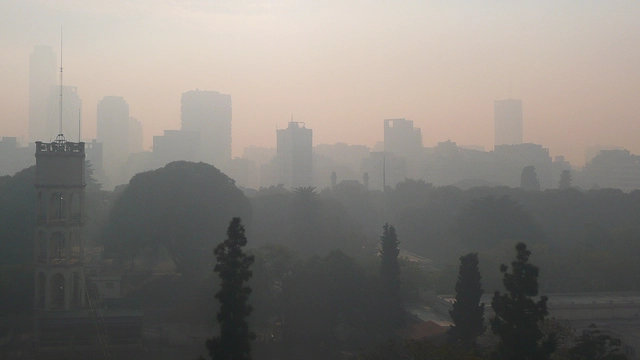
The recent and worrying increase in fires in the Amazon, where the fires have begun to relentlessly consume our planet's most important natural lung, has brought environmental issues to the forefront. The consequences of this event will drastically alter the global climate and demand urgent action, preparing us for industrial, energy, productive, and consumption shifts.
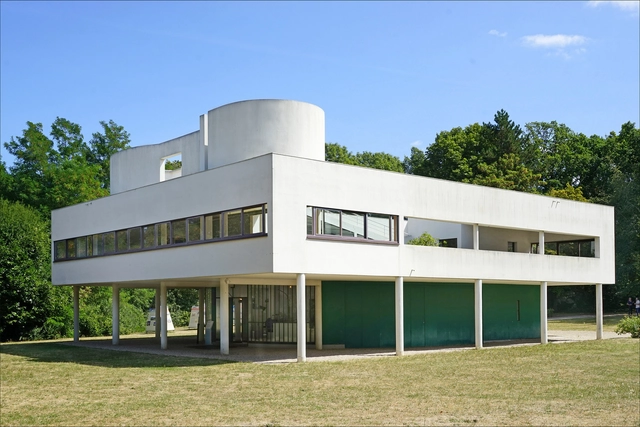
via Flickr user: Jean-Pierre Dalbéra Licensed under CC BY 2.0
Fifty of today's leading architects—answering the call of the Now Institute and its director, Thom Mayne—were convened to assess the architectural legacy of the last century. Their goal? To compile a definitive list of 100 buildings that represent, in their view, the 100 most remarkable architectural achievements of the 20th century. Prominent figures such as Tadao Ando, Steven Holl, Richard Rogers, Kazuyo Sejima, Toyo Ito, Rafael Moneo, Kengo Kuma, and Denise Scott Brown, among others, formed the voting panel.
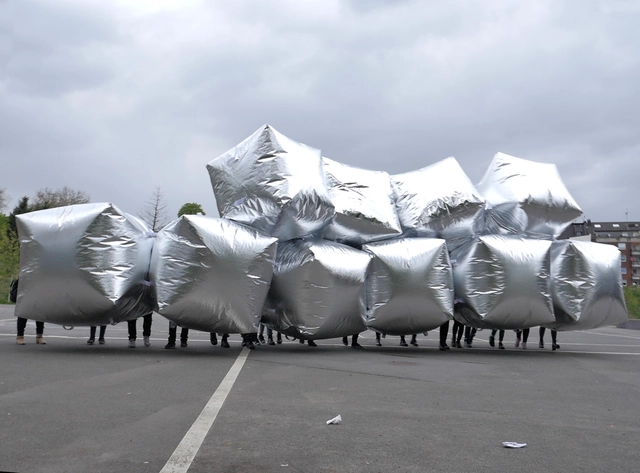
During Chilean architect Felipe Assadi's course at the 2019 Summer Workshop of the Faculty of Architecture of the IUAV University of Venice, students reflected on the idea of a floating city and its inhabitants, resulting in floating architecture for a fluctuating population. To this end, the architecture students built a wooden floating pavilion as a scale prototype of a micro-dwelling, which forms part of a geometric system for expanding the city over water.
Read about the project in detail below, in the words of its designers.
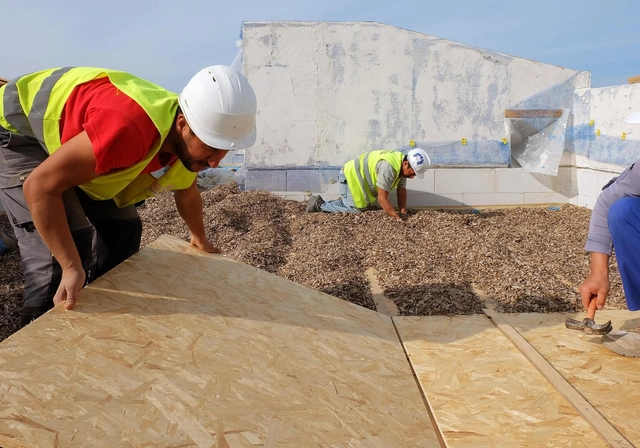
Life Reusing Posidonia. Image Cortesía de IBAVI (Instituto Balear de la Vivienda)
Continuing with the series of articles by Nikos A. Salingaros, David Brain, Andrés M. Duany, Michael W. Mehaffy, and Ernesto Philibert-Petit on the study of social housing in Latin America, this installment discusses construction work processes and operating systems. Review past publications and the new article below.
https://www.archdaily.com/1120293/maintenance-strategy-for-social-housing-in-latin-americaNikos A. Salingaros, David Brain, Andrés M. Duany, Michael W. Mehaffy & Ernesto Philibert-Petit
What Will Happen Here? (O que vai acontecer aqui?) is a new documentary by Left Hand Rotation, in collaboration with Stop Despejos and Habita, on the housing struggles in Lisbon—a city where rents have increased by 50% over the last three years and that has become the leading European city for real estate fund investment.
The XI Ibero-American Biennial of Architecture and Urbanism (XI BIAU) recently announced the 210 selected projects for its upcoming edition, which will take place for the first time in Asunción this October.
The winners of the Panorama of Works Award will be chosen from this shortlist, which includes the following 18 Mexican projects:
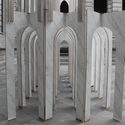
As part of the exhibitions held during the 2019 edition of the Abierto Mexicano de Diseño, Emiliano Godoy, Mauricio, and Sebastian Lara of Lara Hermanos joined forces to collaborate on the design of the piece Arcum. The installation was custom-made to debut at the launch of the new Tecnotabla Melamines, which took place at the Ex Convento de Santa Teresa, the oldest convent in Guadalajara.
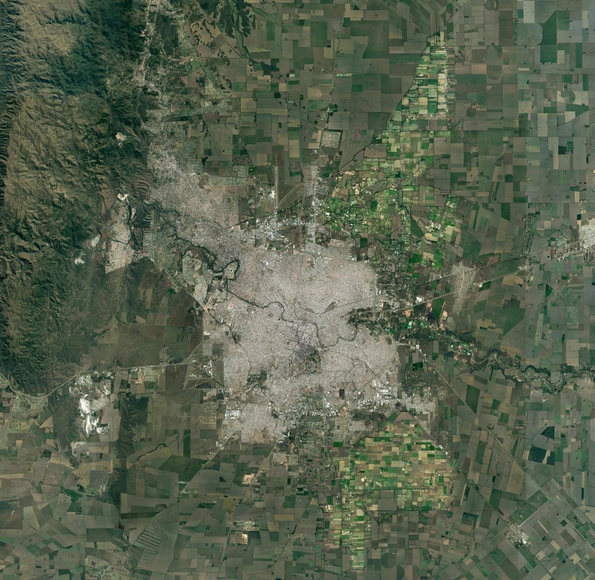
"The Metropolitan Rural Landscape" is a compendium that presents diverse, intentional perspectives on metropolitan rural territory. These viewpoints aim to highlight and open a discussion on the challenges and potential of these spaces. Below are some excerpts from the project:
Promoted by the Uruguay River Administrative Commission, organized by the Society of Architects of Uruguay (SAU) and the College of Architects of the Province of Entre Ríos (CAPER) —and sponsored by the Argentine Federation of Architect Associations (FADEA)— the call for entries is now open for the binational preliminary design competition to develop a Control Laboratory for the environmental analysis of the Uruguay River.




_15.05.57.jpg?1568060908&format=webp&width=640&height=580)


_15.05.57.jpg?1568060908)










.jpg?1568660571&format=webp&width=640&height=580)