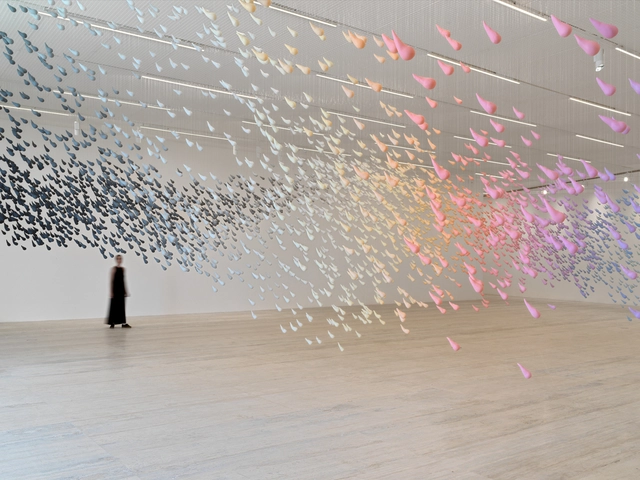
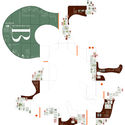
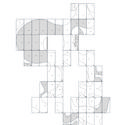
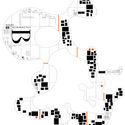
As part of the cultural programming for Mexico City's Art Week, PEANA presents the exhibition Por debajo del árbol at Agustín Hernández's Architecture Studio, which opens its doors to the public for the very first time. The show brings together contemporary works by fifteen artists in dialogue with Agustín Hernández's creative universe. Curated by Ana Pérez Escoto and Carlota Pérez-Jofre, the exhibition will run from February 10 to March 4.
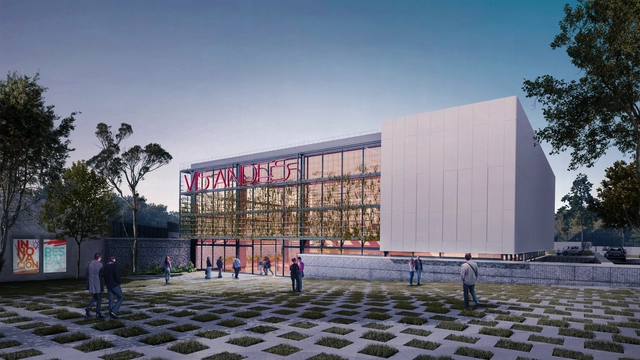
The savings and credit cooperative Visón de los Andes, “VisAndes,” launched a competition for the design of its new headquarters in Salcedo, Ecuador. As one of the strongest cooperatives in its sector, it sought to incorporate sustainability principles alongside its own core values, inviting prominent architecture firms from across the country.
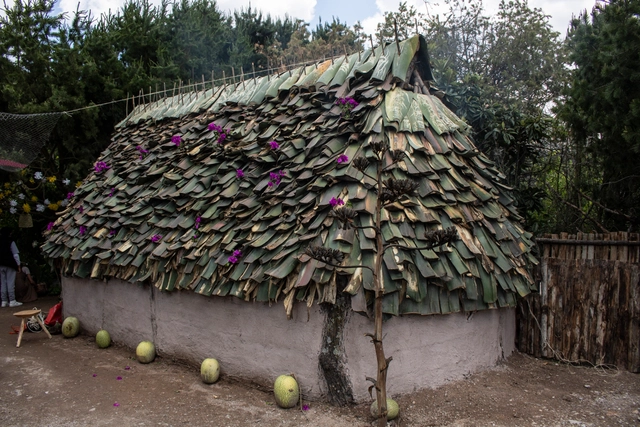
Today, understanding the properties of materials used in vernacular construction is essential to ensuring a better quality of life and spatial habitability, both of which have evolved alongside new technologies in the market. Spatial design now represents a commitment to the natural environment and, consequently, to improving quality of life.
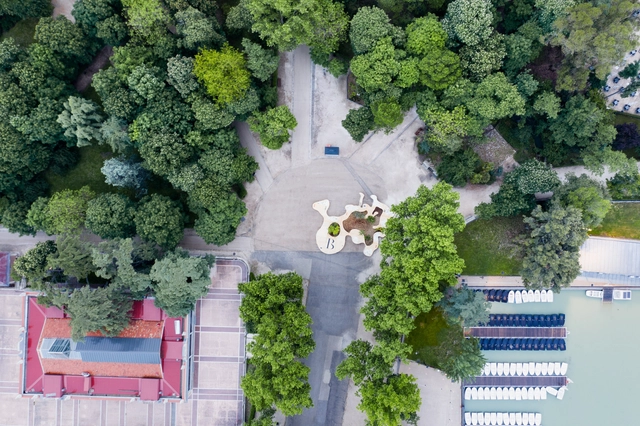
Metha Arquitectos and Be Maarch have won first prize in the design competition for the remodeling of the Plaza de Armas in Juliaca, Peru. Key aspects of the proposal highlighted by the jury include: prioritizing pedestrians over vehicles, strengthening institutional character and environmental value, and creating a space that introduces nature. Additionally, the jury noted that the project understands and accommodates informal commerce dynamics, establishing a hierarchical longitudinal axis between the plaza and the school to create a pedestrian urban space. This is complemented by a secondary transverse transit axis and organized to eliminate architectural barriers, creating more inclusive spaces. See the project below.
The National Monument had been closed since February 2010 due to damage caused by the earthquake that same year. Thanks to funding from the Regional Government of Maule and the Ministry of Cultures, Arts, and Heritage, it reopened its doors on November 24.
José Antonio Corrales y Ramón Vázquez Molezún . Image Cortesía de Open House Madrid
From September 23 to 25, 2022, the eighth edition of the Open House Madrid Architecture Festival will take place, offering access to more than 100 historic and contemporary buildings that are generally closed to the public. José Antonio Corrales and Ramón Vázquez Molezún will be the featured architects of this new edition of the festival, which aims to bring architecture closer to citizens.
Figure 6. Matilde Cassani, Countryside worship/A celebration Day, 2014 — XIV Venice Biennale. Source: http://www.matildecassani.com/. Image via VAD
Italian law never explicitly denied women access to university. Nevertheless, their minimal presence in the 19th century—only 224 women graduated in Italy between 1867 and 1900—demonstrates how a double discrimination, based on both gender and social class, operated through an inherently elitist and dualistic educational system.
It is well known that the construction industry is one of the largest producers of CO2. Although significant progress has been made in technology and in design and construction processes, there is still a long way to go to minimize or nearly eliminate carbon emissions in the development of the built environment.
Indeed, as revolutionary as the construction industry may seem today, it remains responsible for nearly 40% of global carbon dioxide emissions, 11% of which result from the manufacturing of building materials such as steel, cement, and glass.
What are the latest trends in reducing emissions in both design and material manufacturing? How should the industry transition toward net-zero architecture? These are some of the questions we want you to help us answer.
Traducciones: la utopía y el vacío performativo. Image Cortesía de Juan Manuel Sandoval Perdomo
To showcase the valuable work emerging from Latin American and Spanish universities, this year we launched an open call inviting architecture students to submit their graduation projects completed in 2021.
After thoroughly evaluating 137 proposals, our editorial team has selected and highlighted 10 projects that demonstrate rigorous critical thinking in response to their self-defined challenges. The selection valued not only those projects that delivered the best possible architecture through efficient design tailored to their context, program, and users, but also those that paid significant attention to human scale, the environment, experimentation, and new ways of addressing architecture in cities.
Today, technology is increasingly ubiquitous in major cities, driven by the rapid pace of capital-driven movement. A popular term to describe the relationship between urbanism and technology is “Smart Cities,” which centers on leveraging data to enhance building connectivity. However, widespread access to these new technologies has revealed how our unique experiences as citizens—driven by a strong desire to document urban environments—allow us to map and experience cities from alternative perspectives.
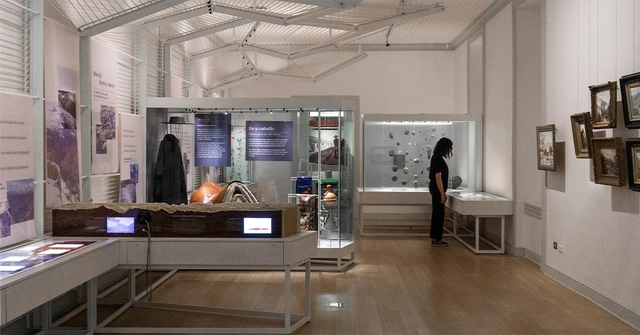
The Museo ICO in Madrid presents “Anna Heringer. Essential Beauty.” From February 9 to May 8, it will host the first monographic exhibition dedicated to the German architect in Spain. Curated by Luis Fernández-Galiano, the show is organized by the Fundación ICO.
Primer Premio. Image Cortesía de Baigorri Ermoli Estudio de Arquitectura (Germán Alejandro Baigorri, Edgar Emanuel Ermoli)
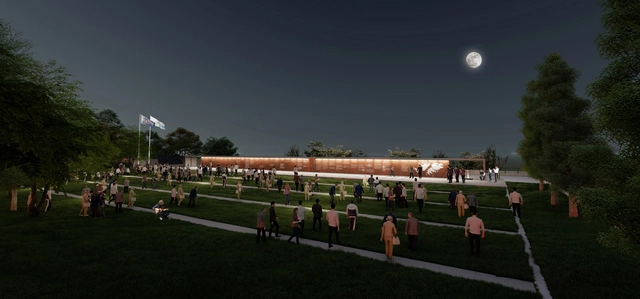
The Municipality of the City of Mendoza launched a provincial ideas competition for the design and construction of a memorial honoring Malvinas veterans. Although organized by the Architects' Association of the Province of Mendoza (CAMZA), the initiative originated from a group of Malvinas veterans who reached out to the municipality. They sought a single space where they could be remembered, and which could bring together the four local Malvinas organizations: ACUVEMA (Cuyo Association of Malvinas Veterans), AVUM (Association of Veterans United for Malvinas), ADEM (Association of Malvinas Veterans), and FECUVEMA (Cuyo Federation of Malvinas Veterans).
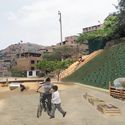
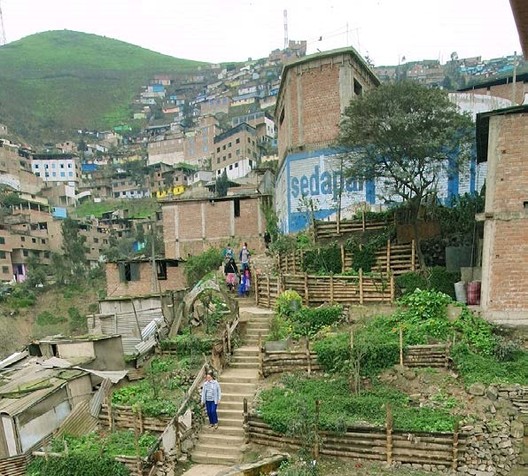
La Escalera de Las Lomas – por Ama Amancaes. Image Cortesía de Colegio de Arquitectos de Perú Regional Lima
To mitigate the consequences of informal urban growth in the Lima and Callao regions, on April 19, the Colegio de Arquitectos de Perú Regional Lima (CAP RL) launched the program “Valora Nuestro Barrio” (Value Our Neighborhood). Through 21 selected projects, the initiative aims to improve residents' quality of life by recognizing and showcasing successful urban improvement practices in the proposed neighborhoods.
Publishing architecture is necessary for the discipline itself to be understood as such. Without it, architecture becomes an endeavor devoid of public inquiry, confined to private practices. Yet its presence opens up a field that translates a material language into a written one, reformulating the discourses emerging from this arena. Among the “smallest” of these publications are fanzines—mediums that arise from a desire for self-management and low-cost, small-run production, capable of adapting to diverse content, whether in the form of a booklet or simply folded paper.
The playful potential of the fanzine has sparked growing popularity in Chile, culminating in its inclusion in the XXI Chilean Biennial of Architecture and Urbanism in 2019. Although awareness of this medium predated this event, there is still a gap in understanding its characteristics. This necessitates asking simple, almost naive questions about the specific conditions of its production—discussions that ultimately reveal an invisible network woven among individuals who, without knowing it, were already connected.
It is well known that the construction industry is one of the world's largest producers of CO2. While significant progress has been made in technology and design and construction processes, a long road remains to minimize or virtually eliminate carbon emissions in the development of the built environment.
Is there a future for our cities without a sustainable way of life? For some time now, urban sustainability has been viewed primarily through the lens of climate change rather than a holistic vision that integrates society and the way we live in community.
What new ways of living are we experiencing amid social, economic, and ecological shifts? We need to bring to the table different reference cases from around the world and understand the latest trends shaping how we live in our cities.
We want you, our readers, to not only be the first to share examples of co-living, cooperatives, and any new types of social housing you consider benchmarks, but also to share your thoughts on the matter in the form below. Selected comments will be published in an upcoming article.
Europan 16 - Vista 2. Image Cortesía de MONOCHROME Estudio
The 16th edition of the Europan awards, launched in the spring of 2021 under the theme "Living Cities: Metabolic and Inclusive Vitalities," has announced its results. “The Incredible Story of the Seasonal Worker Who Found His Home in Almendralejo” is a Spanish project selected as one of the seven winners within Spain.
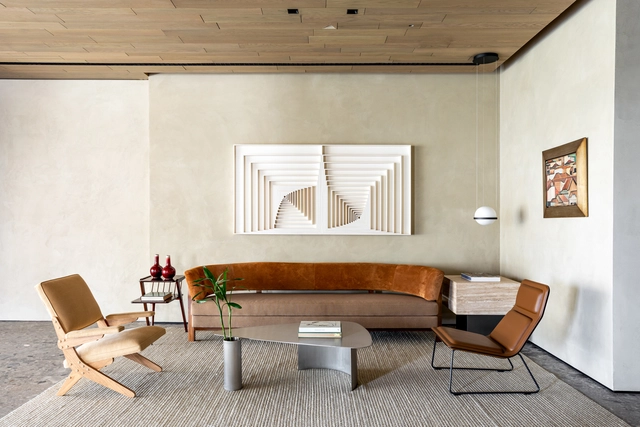
When defining the aesthetic of a space, whether interior or exterior, architects and interior designers should first ask themselves what the needs of its future inhabitants are or will be. Dialogue with users is essential to establishing the style of these spaces, which shapes their physical environment through composition, color, form, and furniture.
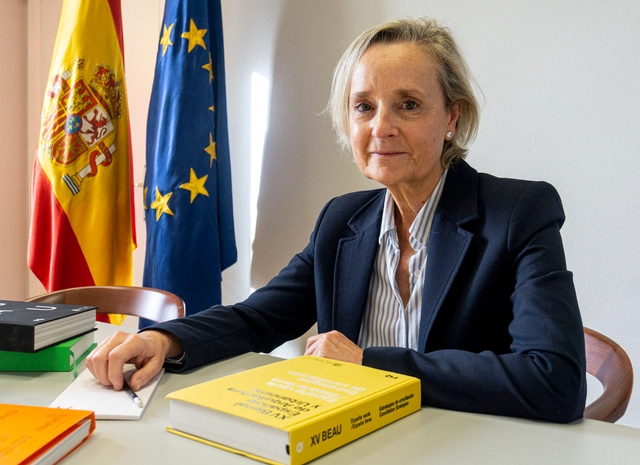
Marta Vall-llossera Ferran. Image Cortesía de CSCAE
Marta Vall-llossera Ferran has become the first woman to hold the presidency of the Superior Council of Colleges of Architects of Spain following the extraordinary election called after the recent death of CSCAE President Lluís Comerón at the age of 61.
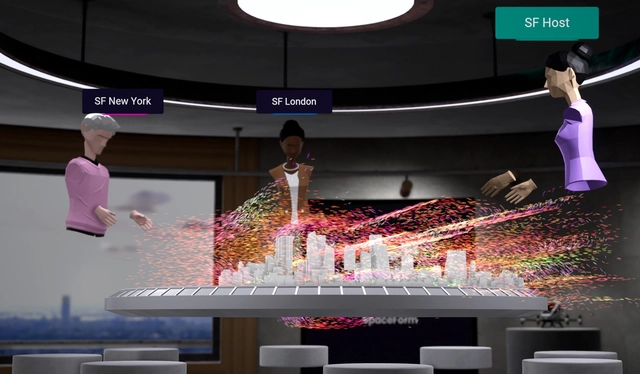
UNStudio y BIG invierten en la plataforma de diseño virtual SpaceForm. Image Cortesía de UN Studio
From NFTs and the Metaverse to the productive advantages of real-time rendering, this year offers a tremendous opportunity to discuss the latest trends in architectural visualization. To this end, we opened the debate to our readers around these questions: How much can we learn from other related industries like cinema, video games, and industrial design? How can architecture contribute to and advance the world of visualization?
After reading and compiling all the comments received—from construction professionals, students, and architecture enthusiasts alike—we agree that as technological advancements continue, the future of architectural visualization will likely be more democratic, liberal, and decentralized. Below, we share the most frequent viewpoints from our readers.
As part of the programming hosted by Museo Jumex from April 2 to September 18 in Mexico City, "Urs Fischer: Lovers" presents a 25-year retrospective of one of today's most celebrated international artists. Organized by guest curator Francesco Bonami, the exhibition brings together new pieces created specifically for the museum alongside works from international public and private collections, as well as the artist's own archives. Together, these works showcase the expansive creativity, humor, and depth of the artist's practice.
https://www.archdaily.com/1132140/urs-fischer-presents-his-first-major-exhibition-for-mexico-and-latin-america-at-museo-jumexArchDaily Team
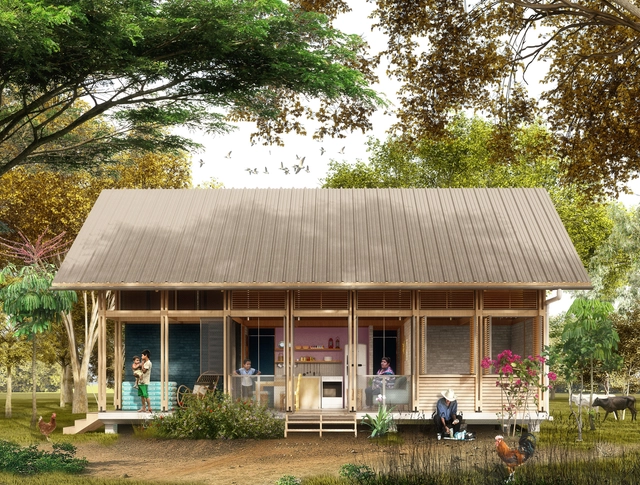
The Mayor's Office of Santiago de Cali, the Special Housing Fund (FEV), and the Colombian Society of Architects – Valle del Cauca (SCA Valle) launched a public competition for the preliminary urban, architectural, and landscape design of a sustainable rural social housing prototype. This project is designed to resettle families with productive vocations.
For the project, located in the city of Cali, within the Valle del Cauca region of Colombia, the jury awarded first place to the architecture firm DARP – De Arquitectura y Paisaje + Ana Elvira Vélez.
Over the last two years, the city of Madrid has hosted, and continues to host, the traveling exhibition of the Metropolitan Forest. It has three main objectives: first, to present Madrid's residents with the winning and finalist ideas from the competition held to redefine the future of their city; second, to communicate the processes the city will undertake regarding sustainability, urban resilience, and environmental education; and finally, to foster concrete strategic alliances between the Forest and the citizens of Madrid.
.jpg?1645139411&format=webp&width=640&height=580)
.jpg?1645139581 "Diego Berruecos. Image © PEANA")
.jpg?1645139344 "Caylon Hackwith. Image © PEANA")
.jpg.jpg?1645139239 "Caylon Hackwith. Image © PEANA")

.jpg?1645139411)

.jpg?1642515078&format=webp&width=640&height=580)



__2016_©_Jenny_Ji.jpg?1644497754&format=webp&width=640&height=580)