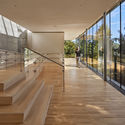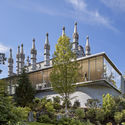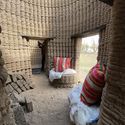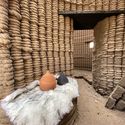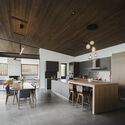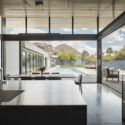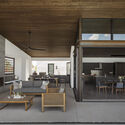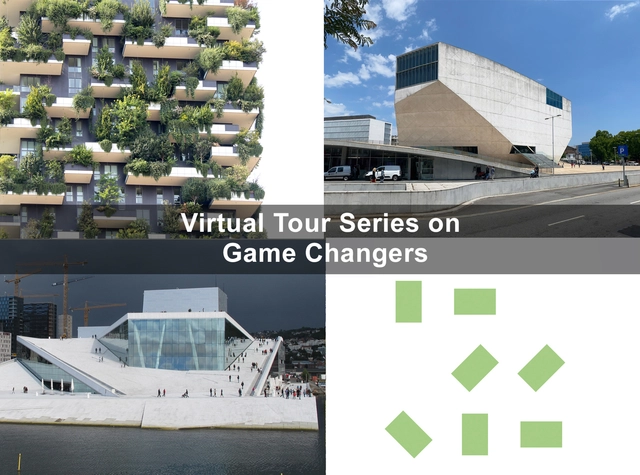
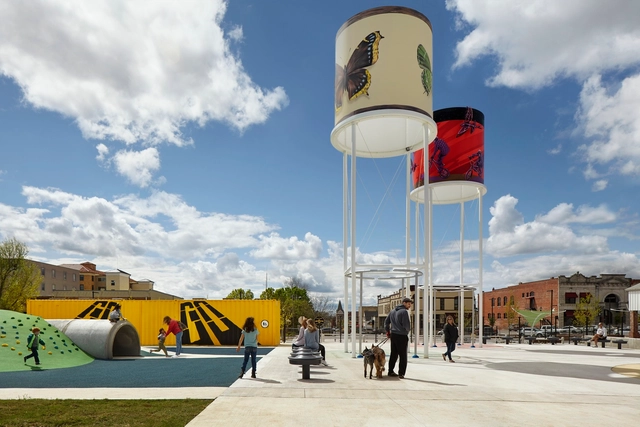
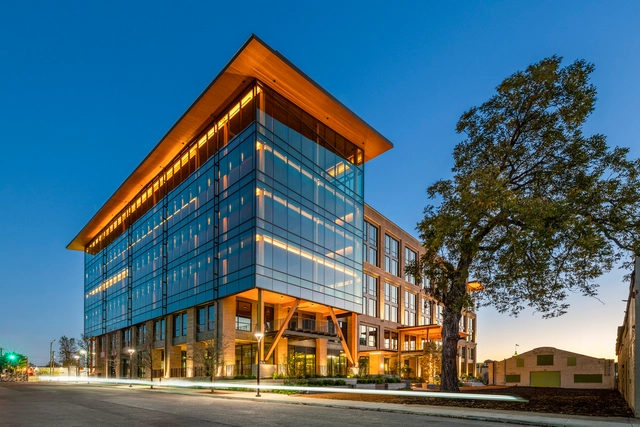
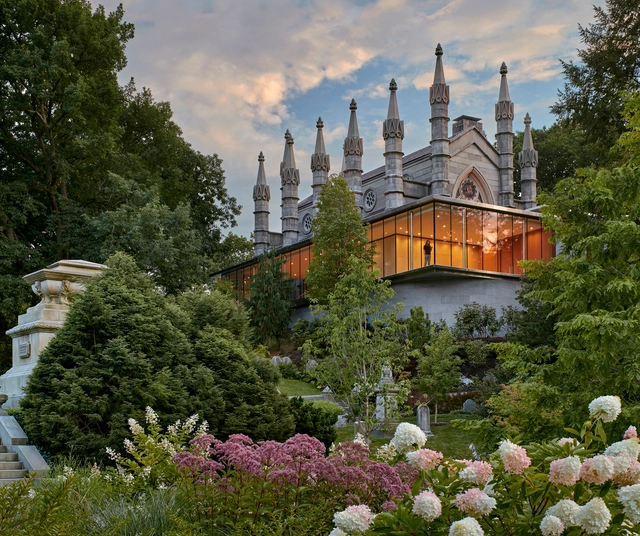
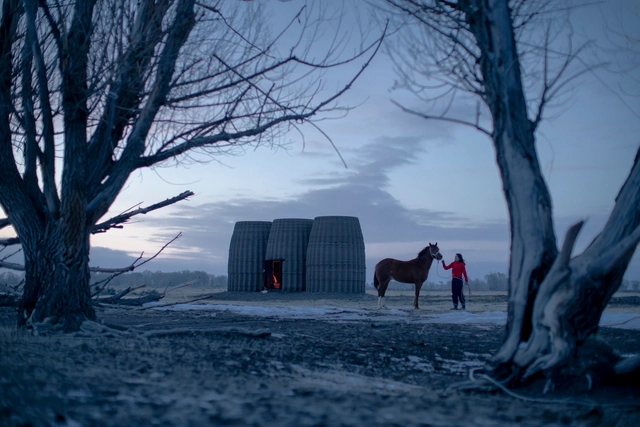
From 1 until 15 July, Guiding Architects invites you on a virtual trip to no less than eight cities all over the world.
From 1 until 15 July, Guiding Architects invites you on a virtual trip to no less than eight cities all over the world.

Helwaser Gallery is pleased to present the second solo exhibition of new works by artist Christina Kruse (b. 1976, Germany). "Christina Kruse: Plasterheads" will be on view through July 30th, 2021 at the gallery’s Madison Avenue space, and will introduce the artist’s latest sculpture works. Over the last decade, the artist has developed a distinct visual language within her practice. Often resembling abstracted human figures, her sculptures are defined by a combination of organic, rounded shapes offset by strong rectilinear forms.
For this exhibition, Kruse has developed a large-scale installation which will be displayed in the first room of the gallery. Displayed on a collapsible table, the installation is likened to a miniature world, where multiple figure-like maquettes are scattered across various miniature architectural elements. Rendered in different positions and poses, the maquettes resemble human figures caught in various acts: climbing in and out of the structure, looking up or down, in search for something. Yet, the figurines don’t interact with each other. Described as a metaphorical playground of the inner psyches, Lunapark (2021) attests to the artist’s interest in the deeper psychological states that motivate and shape the world that their human counterparts inhabit. For Kruse, each of the elements within the entire installation, including its materials, serve as a deeper metaphor that expresses the structure of the world that we inhabit. By choosing to use plaster and soapstone as primary materials to construct the maquettes, both of which are easily shaped, Kruse highlights the very malleability of human nature itself. Set against the infinite expanse of the table construction, these maquettes seemingly capture the endless permutations of behavior that result when they are connected by space and time.
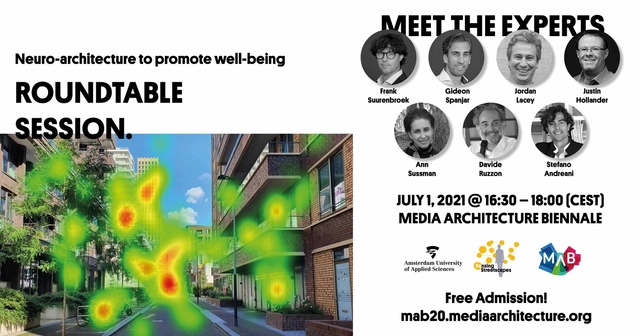
Neuro-architecture transmits knowledge and technologies from the field of neuroscience into the professions of spatial design, aimed to get better informed design solutions to promote human and non-human well-being in our public spaces. We kick off with the key-findings of our 2-year research project Sensing Streetscapes, followed by a roundtable exploration with the global pioneers from Neuro-architecture. What is the state of affairs and what is the potential of this approach to push improved sustainable well-being, especially in the newly built high density urban settings?
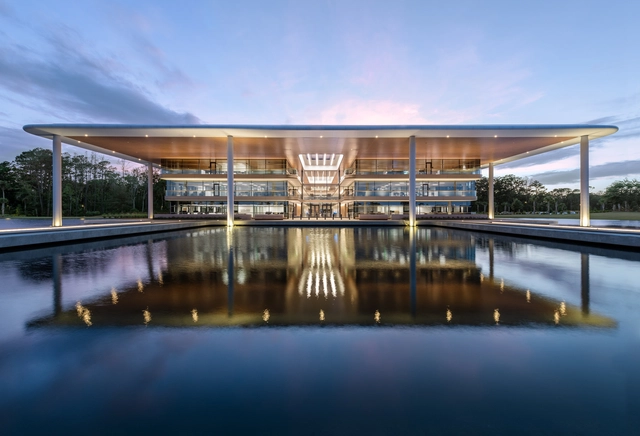
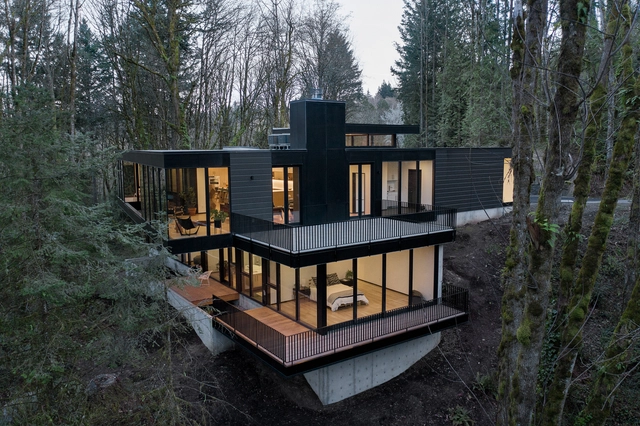

The Oscars for building performance once again return! Much has changed since the previous UK Passivhaus Awards ceremony in 2018 – notably the declaration of a Climate Emergency and a sharpened awareness of the complexity, scale, and speed at which we need to act.

City: Details: The Moscow International Exhibition of Design Solutions for Megacities
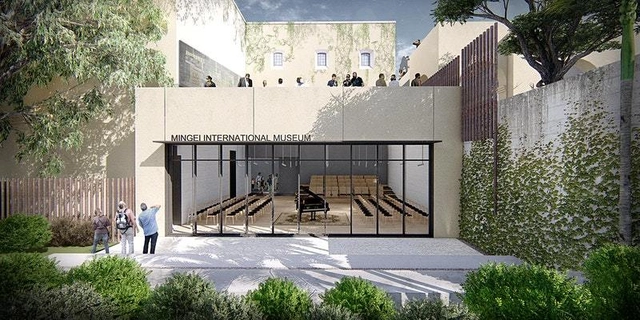
Museums face challenges regarding relevance, transparency, and engagement with their communities. Central to the process is a re-examination of its architectural asset. Nationally acclaimed architect Jennifer Luce presents her latest work — the $55M re-imagination of Mingei International Museum, offering solutions to issues facing architects of cultural projects.








.jpg?1594781104 "© Dror Baldinger")