Romullo Baratto is an architect with a PhD from FAUUSP and Managing Editor of ArchDaily. He previously coordinated the editorial team of the 11th São Paulo Architecture Biennial and served as Managing Editor of ArchDaily Brasil, where he led the platform to win the FNA Award—the first time the honor was granted to a media outlet. He collaborated on the editing of the book "Concrete Jungle", published by gestalten, and has curated architecture exhibitions in Brazil, Chile, Denmark, and Italy, as well as delivered lectures and moderated debates in Spain, the United States, and Portugal. His doctoral thesis investigates the urban landscapes of São Paulo through cinema. His work spans academic research and editorial practice, communicating architecture through texts, interviews, lectures, curatorship, and photography. Follow him on Instagram @romullobf.
The Galeria da Cidade is hosting the exhibition Artacho Jurado no Desenho da Cidade, which highlights the self-taught architect who designed and built landmarks of modern São Paulo, such as the Bretagne, Cinderela, and Louvre buildings, among others. The public opening is on Saturday, September 4, marking the 114th anniversary of his birth.
Rejecting the rigid tenets of mid-century modernism, Jurado developed a unique style characterized by refined details, vibrant colors, and generous spaces and programs, almost always opening the ground floors of his buildings to the city. His expressive design language led critic Décio Pignatari to compare him to the Catalan architect Antoni Gaudí.
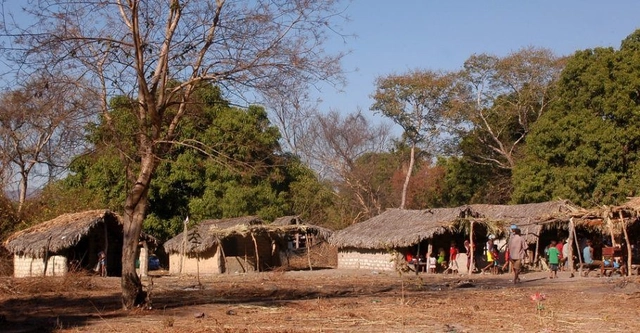
The area of the Kalunga community extends across Cavalcante, Monte Alegre, and Teresina de Goiás, in the Chapada dos Veadeiros region. Credit: Paulo de Araújo/Ministry of the Environment
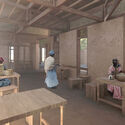
In honor of Cultural Heritage Day, celebrated on August 17, CAU/GO has launched the National Design Competition for Quilombola Housing. The objective is to select the best design for home construction in historical quilombola communities located in Goiás, as part of the housing programs of Agehab (Goiás Housing Agency), a partner in organizing the competition.
A form of artistic expression mediated by a technical apparatus, photography has conquered its place among the arts, being, together with cinema, the one that can most faithfully register reality and, therefore, architecture. From large wooden boxes carrying silver emulsion plates to digital cameras and finally our smartphones, there is no doubt that photography has become more accessible to people, who step by step went from spectators to authors of images.
To celebrate World Photography Day, we invite our readers to share with us their photographs of works of architecture and cities. Without distinguishing between enthusiasts, amateurs, or professional photographers, you are invited to send photos that showcase the built space in the most varied scales. Images selected by our Content Team will be featured in an upcoming article.
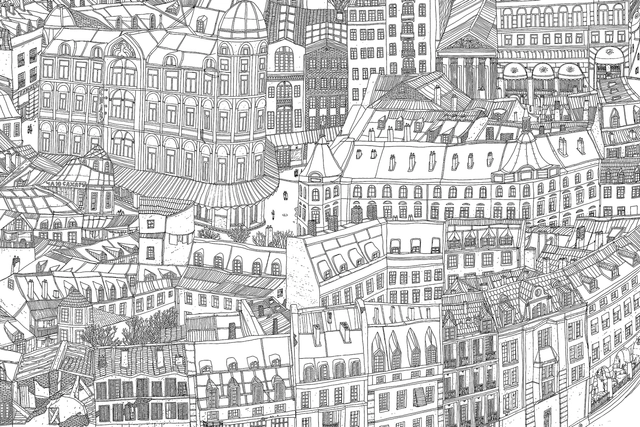
Few people have the opportunity to design a city. Even fewer do so by chance. This is the story of illustrator and comic artist Eloar Guazzelli, who since 1990 has been developing an art project titled Cidade Nanquim. Working with A4 sheets of paper, the artist composes a kind of black-and-white urban mosaic that portrays fragments of an imaginary city.
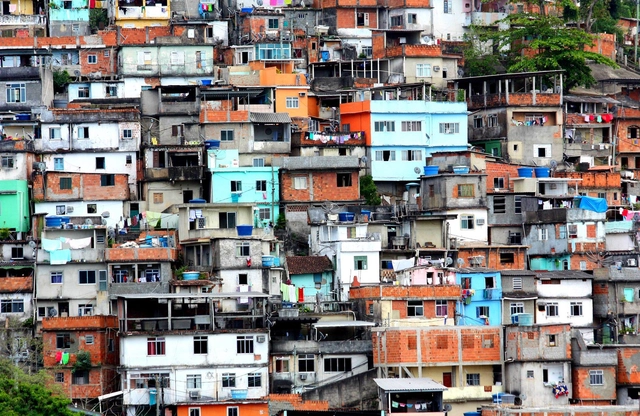
The Rio de Janeiro Charter, which outlines proposals for the urban development of cities worldwide in the coming years, was presented during the closing of the 27th World Congress of Architects on July 22. The document advocates for a new city model in the post-pandemic world—one more attentive to climate change, quality spaces, public health, dignified housing, and the reduction of inequalities. The UIA2021RIO Executive Committee announced that the Rio Charter will be delivered to the mayors of all state capitals in Brazil, marking the consolidation of the proposals discussed throughout the event, which was hosted in the country for the first time.
A atmosfera vibrante da laneway. Image Cortesia de Equipe de projeto
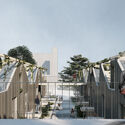
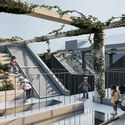
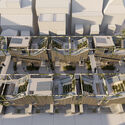
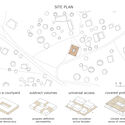
A team of Brazilian architects was awarded third place in the international Toronto Affordable Housing Challenge, organized by Bee Breeders. Developed by Ana Luisa Rolim (Coletivo-rt arquitetura), Isabella Trindade, Beatriz Bueno, and Larissa Falavigna, the project LaneWAY OF LIVING: Green Villages in The Heart Of Toronto’s Urban Fabric proposes a series of units featuring a cross-laminated timber (CLT) structure and a charred wood exterior finish.
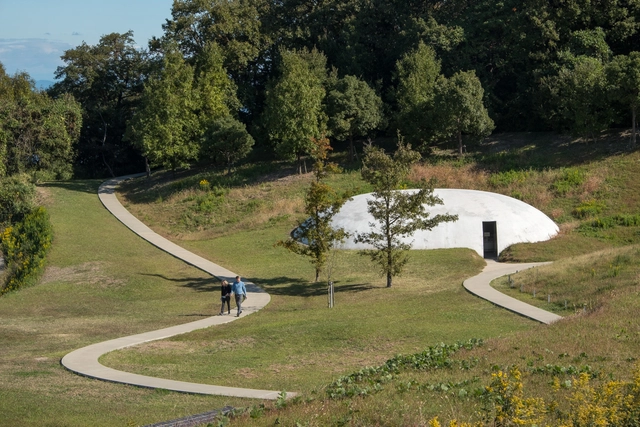
Naoshima, Teshima, and Inujima are the three main islands of an archipelago in Japan's Seto Inland Sea. What sets them apart from the many other Japanese islands is the large number of exceptional architectural works designed by some of the greatest architects and artists in the world. These projects are part of the Benesse Art Site Naoshima, an art complex idealized by billionaire businessman Soichiro Fukutake in the 1980s, composed of eighteen museums, galleries, and open-air installations.
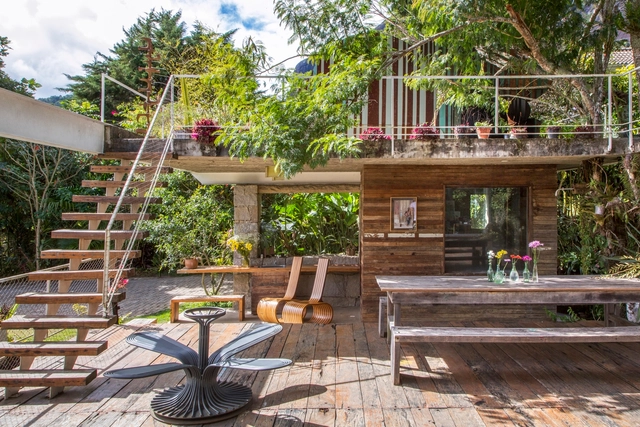
Reclaimed wood is wood that has been taken from its original application and repurposed. Old buildings such as houses, barns, and warehouses, often have to be torn down, resulting in demolition waste, which can be recycled and reused. Reclaimed wood can be used for many purposes, from cladding to building structures, and is very popular in contemporary architecture all over the world.
To get you inspired, here is a selection of 12 Brazilian houses that use this recycled material in flooring, walls, decks, bathrooms, outdoor areas, and stairs.
Primeiro lugar. Equipe coordenada por Rodrigo Quintella Messias. Image Cortesia de IAB/RJ
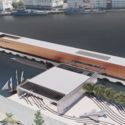
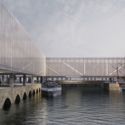
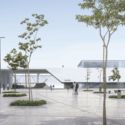
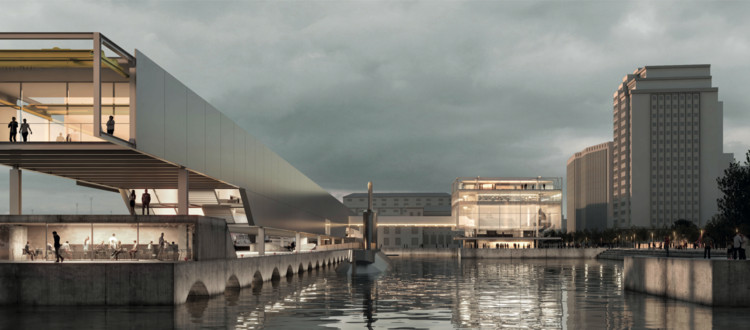
The Cultural Department of the Abrigo do Marinheiro (DCAMN), in partnership with the Brazilian Navy, and the Rio de Janeiro Department of the Institute of Architects of Brazil (IAB/RJ) have announced the results of the Architectural Competition for the Brazilian Maritime Museum. The team led by architect and urban planner Rodrigo Quintella Messina, from São Paulo, won first place in the competition, which received 110 preliminary studies. In total, 191 teams from 17 Brazilian states registered to submit projects—a record in the history of public calls organized by the IAB/RJ.
Videos
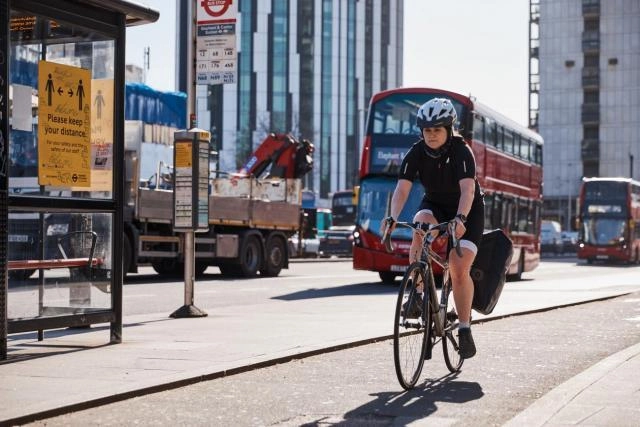
The Greater London Authority sought to ensure that walking and cycling, alongside public transit, were viable options for London's population. Photo: WRI Ross Center for Sustainable Cities
Half a century ago, a lethal fog of smoke and soot, also known as the Great Smog of 1952, blanketed London and killed at least 12,000 people. More recently, in 2013, Ella Adoo-Kissi-Debrah died as a result of air pollution. “[Ella] was the first person in the world to have air pollution listed as the cause of her death,” says 17-year-old Anjali Raman-Middleton, co-founder of the organization Choked Up and a friend of Ella's. Yet London's toxic air, a long-standing issue linked to 9,000 premature deaths per year, is more than an environmental and public health crisis.
Through its Seminar on Culture and Contemporary Reality course, Escola da Cidade hosted professor Alfredo Bosi to discuss the notion of culture—or cultures. In the conversation, drawing on personal experiences that touch on various spatial encounters, the professor interrogates and exposes the multiple facets of the word culture.
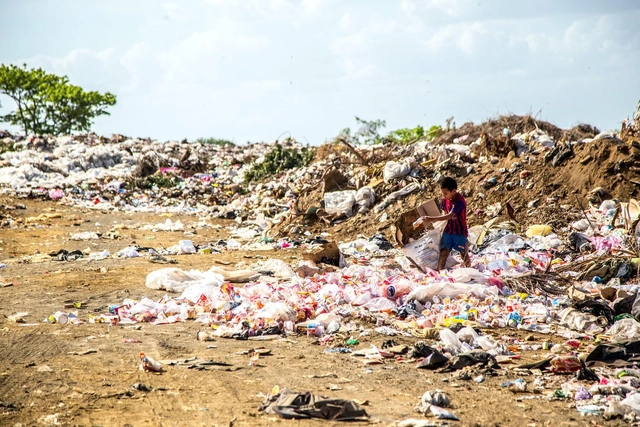
On July 29, 2021, we once again reached Earth Overshoot Day. This date marks the point when our annual consumption of natural resources and ecological services exceeds what Earth can regenerate in that same year. In other words, we enter the planet's "overdraft," according to the Global Footprint Network, the organization that has calculated Earth's ecological footprint since 1970.
The Akatu Institute, an organization promoting conscious consumption, issued a statement noting that Earth Overshoot Day in 2021 fell on the exact same date as in 2019. This means we have returned to pre-2020 levels, after the pandemic temporarily pushed the date back to August 22 last year.
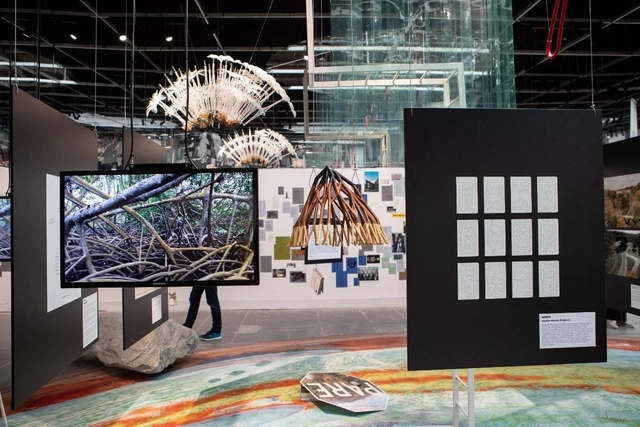
Designed by Atelier Marko Brajovic, the project ROOTS - mangrove ecosystem is part of the exhibition Future Assembly, curated by Studio Other Spaces, by artist Olafur Eliasson and architect Sebastian Behmann, which responds to the theme How will we live together? proposed by Hashim Sarkis, curator of the 17th International Architecture Exhibition of the Venice Biennale. The project features a 3D-printed model, hand drawings, and videos, which remain open to visitors until November 21, 2021, at the Giardini.
Future Assembly aims to introduce the United Nations' alternative multilateral value system to the Venice Architecture Biennale, reflecting on the past 75 years of UN multilateralism and imagining new futures of how we can collaboratively come together. The Atelier believes that a future multilateralism must expand beyond a human-centered worldview to a more-than-human gathering.
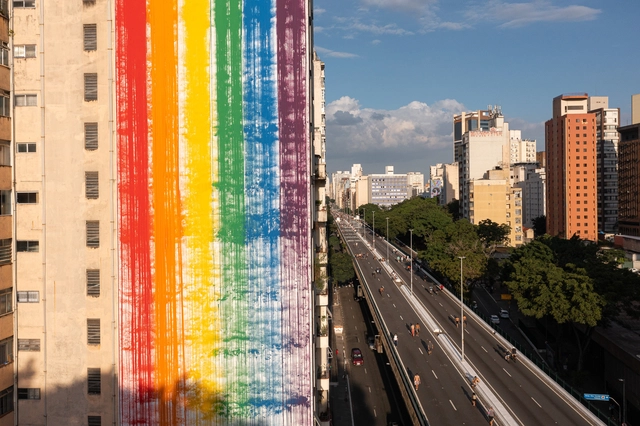
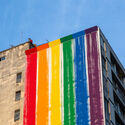
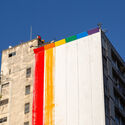
To celebrate LGBTQIA+ Pride Month in June, Facebook colored São Paulo with a hybrid installation titled #JuntosComOrgulho, fusing the analog and the digital at an iconic city landmark, the Minhocão. The elevated highway, which is open to pedestrians at night and on weekends, features a massive blank wall painted with the colors of the LGBTQIA+ flag, designed by Estudio Guto Requena in partnership with Mutato and Studio Curva.
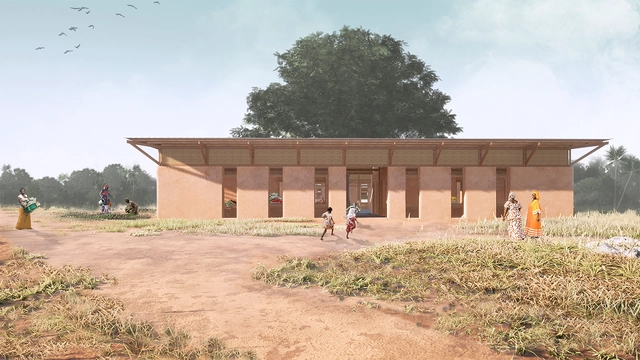
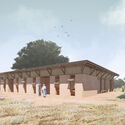
Promoting the involvement and empowerment of the women's community in Senegal was the theme of the Women's House in Africa design competition, organized by Kaira Looro International, a non-profit organization that hosts competitions open to students and young architects with the aim of promoting humanitarian projects in developing countries and highlighting new architectural talent.
The competition, which challenged participants to design a "women's house" through symbolic, ecological architecture inspired by local traditions, awarded a special mention to the Brazilian team of students Clara Teodoro, Daniel Teixeira, Maria Isabela Neves, and Mateus Silva from the Federal University of Pernambuco. Read more about the selected proposal, accompanied by its project description, below.
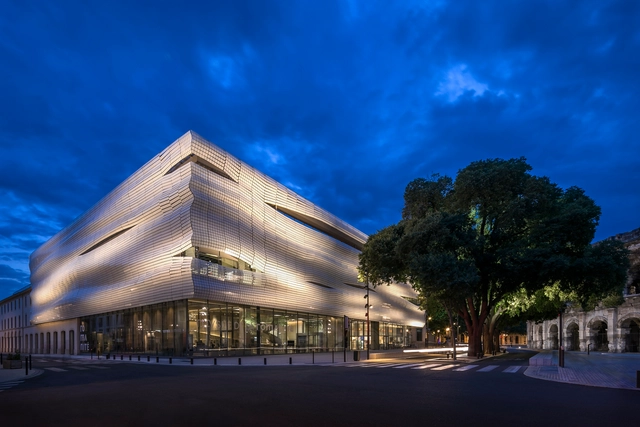
Elizabeth de Portzamparc - Musée de la Romanité de Nîmes. Photo by Wade Zimmerman, via UIA2021RIO
The World Stage at UIA2021RIO, the 27th World Congress of Architects, hosted three award-winning architects from its keynote speaker lineup this week: Elizabeth de Portzamparc, a Brazilian-born architect based in France; Anna Heringer of Germany; and Tatiana Bilbao of Mexico.
Elizabeth de Portzamparc discussed the concept of “Nexus Architecture,” which advocates for connecting various elements when thinking about and creating architecture. Meanwhile, Anna Heringer advocated for a working method focused on social justice and community inclusion in projects that can transform lives. Finally, Tatiana Bilbao gave a poetic presentation on the home as a social act, housing rituals that architecture must always consider.
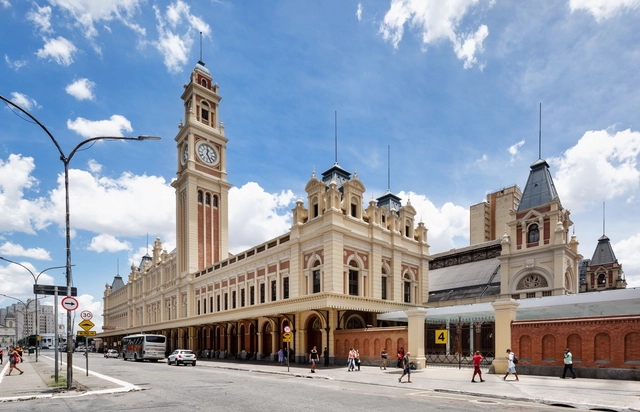
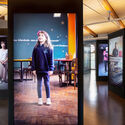
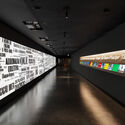
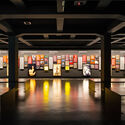
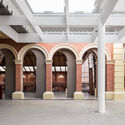
The Museum of the Portuguese Language will reopen on July 31, rebuilt after the fire that struck it in December 2015. One of the first museums entirely dedicated to a language, located in the historic Luz Station in the city with the largest Portuguese-speaking population in the world, the museum celebrates the language as a founding element of Brazilian culture. Through interactive experiences, audiovisual content, and immersive environments, visitors are taken on a journey into the history and diversity of the language spoken by 261 million people worldwide. The official opening ceremony on July 31 will be streamed live on the museum's social media channels.
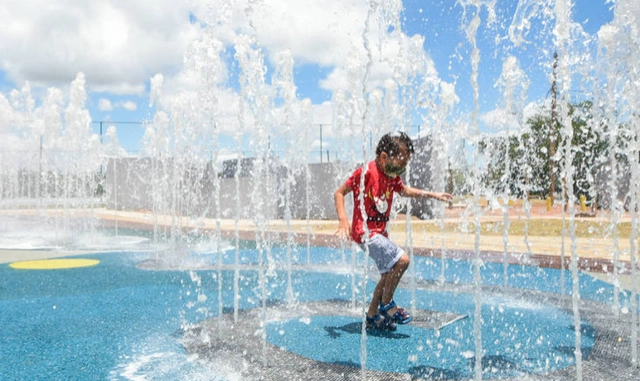
As of July, 11 new Brazilian cities will join the Urban95 initiative. In total, 24 cities in Brazil have already committed to creating and strengthening actions focused on early childhood in public spaces, data management, programs, and services, ensuring these initiatives are transformed into public policies.
Urban95 begins with the following question: "If you were 95 cm tall (the average height of a three-year-old child), what would you do differently in the city?" With this vision in mind, the proposal is to design and implement urban transformation and service policies. The goal is to build cities that are good for children and, consequently, for everyone.