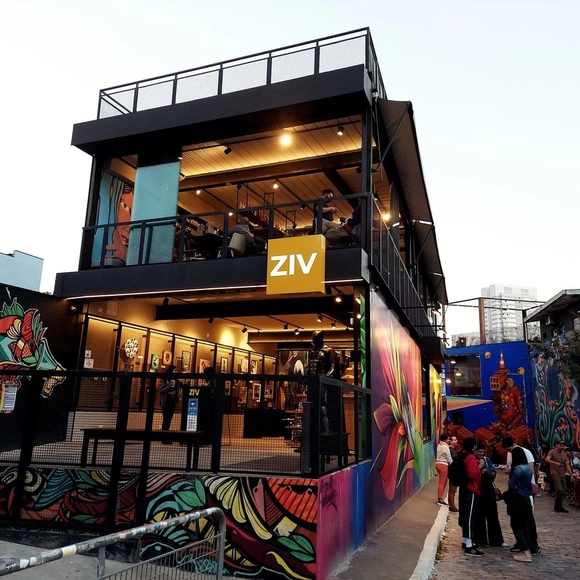
IED (Istituto Europeo di Design)’s participation in DW! (São Paulo Design Week) includes an in-person event on Friday, October 8, at 2:00 PM. At the invitation of ZIV Gallery—located in Beco do Batman, a São Paulo landmark known for its walls covered in colorful street art and graffiti—urban artist Caio Ramires will perform a live painting session, which will subsequently be exhibited at IED. The event is free, will feature live music, and is limited to 50 attendees.
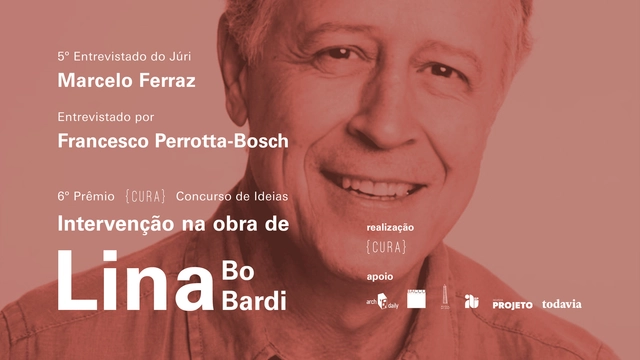
On October 7 (Thursday) at 7:00 PM, {CURA} will host the fifth interview with jurors from the 6th {CURA} Award, introducing the fifth jury member to participants: Marcelo Ferraz. The conversation is intended to serve as supplementary material for those participating in the competition. This time, Francesco Perrotta-Bosch, who is also a jury member, will moderate the discussion, representing our partner, Todavia publishing house.
The Museu do Pontal in Rio de Janeiro, an international reference for Brazilian folk art with over nine thousand works by 300 artists—the largest collection of its kind and recognized for its relevance by UNESCO—inaugurated its new headquarters in Barra da Tijuca on October 9, 2021. With this, the city gains a new and important art and culture facility. This inauguration is the result of a major collective collaboration involving over a thousand people and companies such as BNDES, Instituto Cultural Vale, and Itaú Cultural, among others, through the Federal Government's Culture Incentive Law. Furthermore, it was made possible through the special support of IBRAM (Brazilian Institute of Museums) and the City of Rio de Janeiro.
The Askin Awards is the first national design competition organized by TARIMATEC, aimed at discovering and showcasing new design talent worldwide. The competition seeks to foster innovative and sustainable proposals that, by using products from the new ASKIN brand, transform the way we conceive and inhabit spaces.
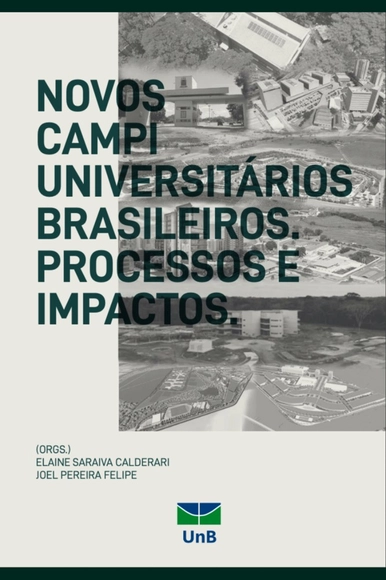
New Brazilian University Campuses: Processes and Impacts brings together the implementation experiences of nine new Brazilian federal universities created—or which underwent significant expansion—between 2004 and 2014. This was a fertile period of pedagogical, methodological, and architectural-urban experimentation resulting from the involvement of the federal government and higher education institutions.
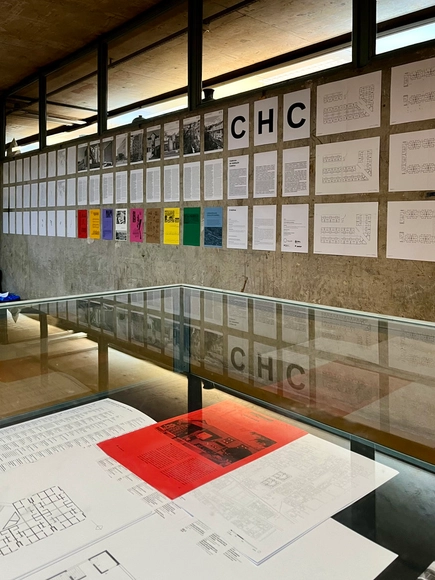
The exhibition of the Cadernos de Habitação Coletiva (CHC) is now open to the public at FAUUSP. The display features a showcase inside the library, presenting a selection of books on the documented projects. A public roundtable discussion will be held soon. The full schedule will be announced through our channels.
We invite everyone to the launch discussion for Log 62, featuring a special session dedicated to architectural criticism in South America. The issue features essays from several countries, including Chile, Bolivia, Colombia, and Brazil. The panel will include editor Jaime Solares Carmona (PhD candidate, Yale University) and contributors Frederico Costa (PhD candidate, Unicamp), Mariana Alves (professor, U. Presb. Mackenzie), and Mariana Wilderom (professor, U. São Judas Tadeu).
Sustainable construction in Brazil is growing every year. In 2020, despite the pandemic, there was a 28% increase, and this pace is expected to continue this year. In this context, the Green Building Council Brasil will host its 2021 International Conference starting November 22, which is expected to attract an audience of 10,000 professionals from various countries. Held virtually due to ongoing health restrictions, the event will feature 15 consecutive days of technical lectures, master series, expert interviews, and other activities.
Escola da Cidade’s open courses are short-term and cover a diverse range of topics. They are intended for those interested in expanding dialogues on subjects such as history, anthropology, technology, economics, photography, literature, design, and music, among others, through cross-disciplinary perspectives on architecture and the city.
The UNEB Urbanism Week is an annual event organized by the students and faculty of the Bachelor’s degree program in Urbanism—the only one of its kind in Brazil—offering participants the opportunity to attend, engage in dialogue, and debate topics relevant to contemporary urban issues. Its objective is to provide students, social movements, and experts in the fields of urbanism and urban-territorial planning, as well as scholars from cross-disciplinary areas, with a space to deepen and systematize their understanding of the urban phenomenon. In this year’s edition, we will take an introspective look at the 20 years since the enactment of the City Statute, examining its benefits and legal contradictions through the lens of the structural inequalities in Brazilian society regarding race, gender, class, sexual diversity, and more.
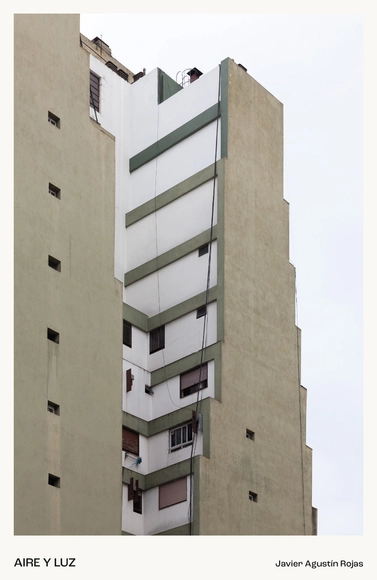
The “air and light courtyard” is an element conceived by the first Buenos Aires Building Code (1944) to guarantee minimum natural ventilation and lighting for a building's interior spaces. Although its standardization and the characteristics that define its form have evolved over time—modifying the building envelopes that result in various characteristic configurations—its dimensions have always been determined by a series of factors common to each building site, such as surface area, zoning, location within the city block, and the width of the street on which it is situated. It is from the combination of these abstract values that the variation of volumes, shapes, sizes, angles, and setbacks that occupy the city—and these pages—emerges.
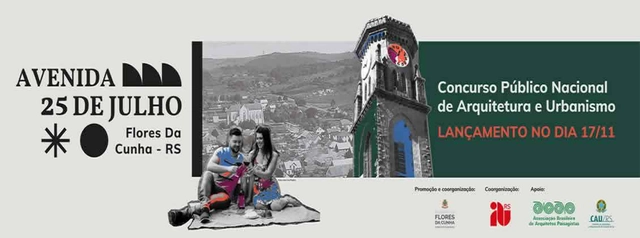
The Municipality of Flores da Cunha (RS), in partnership with the Institute of Architects of Brazil – Rio Grande do Sul Department (IAB RS) and supported by the Council for Architecture and Urbanism of RS (CAU/RS) and the Brazilian Association of Landscape Architects (ABAP), has launched the National Public Competition for Architecture and Urban Design to revitalize Avenida 25 de Julho – one of the city's most important thoroughfares. The competition guidelines are available on the website and the Instagram profiles of IAB RS and the municipal government.
Applications for the lato sensu postgraduate program at Escola da Cidade are open until March 11, 2022. Established over 10 years ago, the program consists of seven courses and is structured around two central aspects: practice and design methodology, understood as research and a strategy for engaging with space across its multiple scales. The program’s overarching theme is "Civilization America: A Look Through Architecture," which proposes understanding and addressing the historical, geographical, territorial, and social conditions that define us. Through this lens, Escola da Cidade’s postgraduate courses aim to connect professionals working in architecture, urbanism, and related fields with research and critical reflection applied to design and education.
The second cycle of the free online seminar “The New Museu do Pontal – Partnerships and Inspirations” will take place on December 16 at 6:00 PM. The session will address the practice of crowdfunding and the importance of a culture of giving in Brazil, featuring examples of campaigns that have driven cultural and social transformation through community engagement and a shared sense of purpose. Participants include Lucas Van de Beuque, Executive Director of the Museu do Pontal; Paula Fabiani, CEO of the Institute for the Development of Social Investment (IDIS); artist Martha Niklaus; and Larissa Novais, Special Projects Consultant at the Benfeitoria platform. The discussion will be moderated by Tatiana Richard, Coordinator of Projects and Institutional Development at the Museu do Pontal.
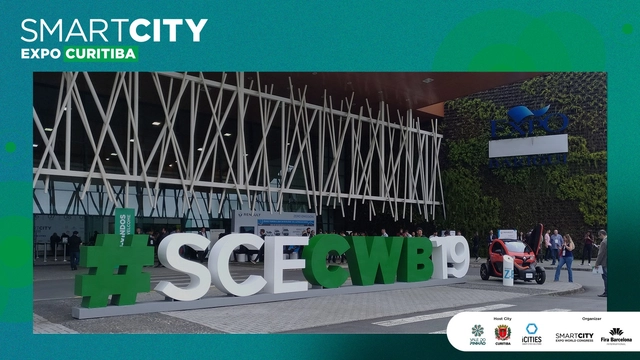
Smart City Expo Curitiba is the national edition of the world's largest smart city event, organized by FIRA Barcelona since 2011. Now in its third edition in Brazil, the event features an exhibition and a congress, addressing relevant and pertinent topics regarding governance, urban planning, infrastructure, mobility, and technology, among others.
Another exhibition by the "Modern Furniture Restoration Workshop School of the IFB" is now on display at the Brasília Art Museum (MAB), organized by the IFB Samambaia Campus. This initiative serves as a contribution to heritage and museum education, functioning as an integrated effort between teaching, research, and outreach that leverages its educational potential and capacity for social transformation to foster the dissemination and discussion of Brasília's culture and history.
"Brutalist Italy: The Art of Concrete" Photographs by Italians Roberto Conte and Stefano Perego will be presented at the Polo Cultural ItaliaNoRio in an exhibition making its Brazilian debut.
Mercado Urbano Tobalaba / Territoria. Image Cortesía de MUT
The Urban Land Institute (ULI), a nonprofit research and education organization dedicated to real estate and land use, announced on June 24 the ten winning projects of its 2025 ULI Americas Awards for Excellence. The awards recognize excellence in the architecture and design of urban projects, with a particular focus on their comprehensive execution, from planning to operation, including their social, environmental, and economic impact.