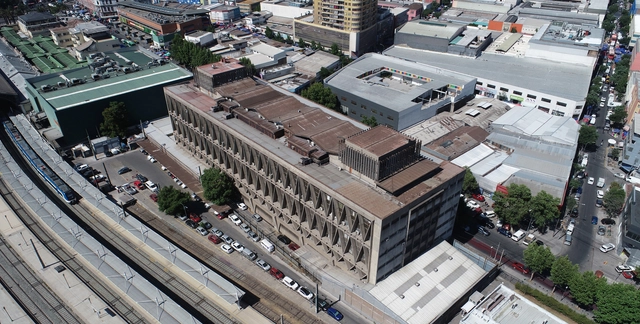
El ex Edificio de Clasificadora de Correos de Chile, adquirido por EFE para convertirlo en su nueva sede corporativa. Image Cortesía de EFE
Twenty-two proposals were submitted to the EFE (Trenes de Chile) architectural competition to convert the iconic seven-story, triangular concrete structure at 221 Exposición Street in Santiago into its new corporate headquarters. Originally designed by architect Boris Guiñeman, the building was constructed between 1970 and 1974 to house the Correos de Chile sorting center.
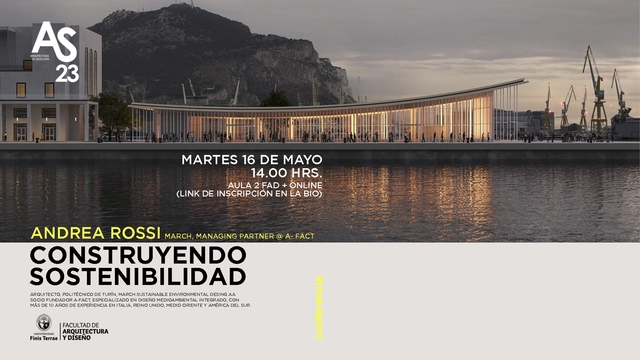
The School of Architecture at Universidad Finis Terrae is hosting the synchronous lecture "Building Sustainability," presented by Italian architect Andrea Rossi, who will share his experience in integrating environmental simulation principles and tools into architecture, from the early design stages through to construction.
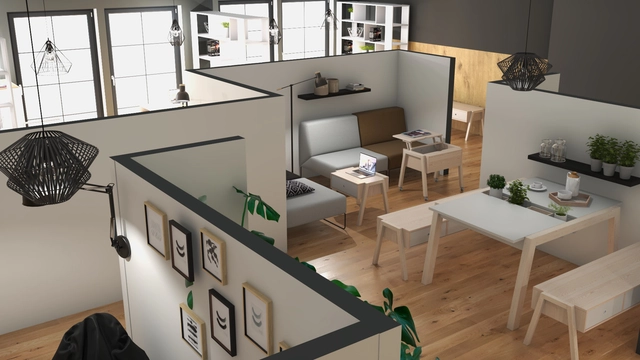
Los renders creados en herramienta VOXBOX. Image Cortesía de VOXBOX
Designing a new apartment or renovating an existing one is always a major challenge. To simplify what is typically a long and complex project, the VOXBOX software, developed by experts from the VOX brand, helps visualize the design of a future home quickly and efficiently. Unlike other interior design programs, VOXBOX does not require specialized knowledge in architecture or design, as it utilizes an intuitive and user-friendly interface.
Available to everyone on the web, this digital tool allows users to quickly design a bedroom, living room, apartment, or an entire house. In addition, users can visit VOX showrooms, where their team of interior designers offers guidance for designing specific spaces. As an architect, you can also meet with your clients at VOX showrooms to show them their future interiors in virtual reality and present material and furniture board samples.
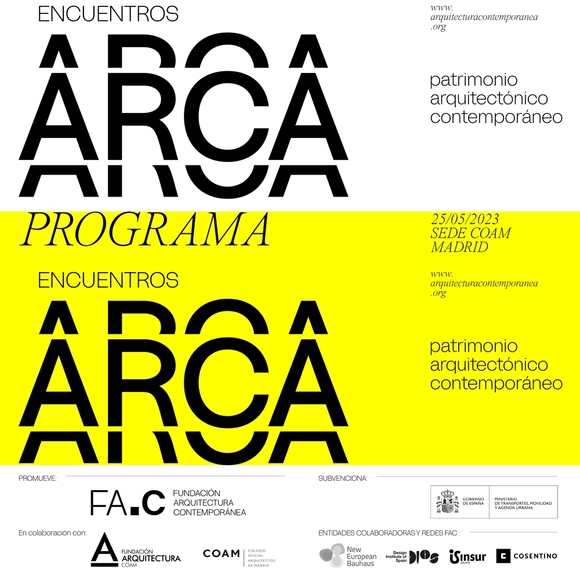
A day dedicated to identifying challenges and opportunities, sharing methodologies, lines of action, and best practices, as well as fostering networks and synergies to safeguard contemporary architectural heritage.
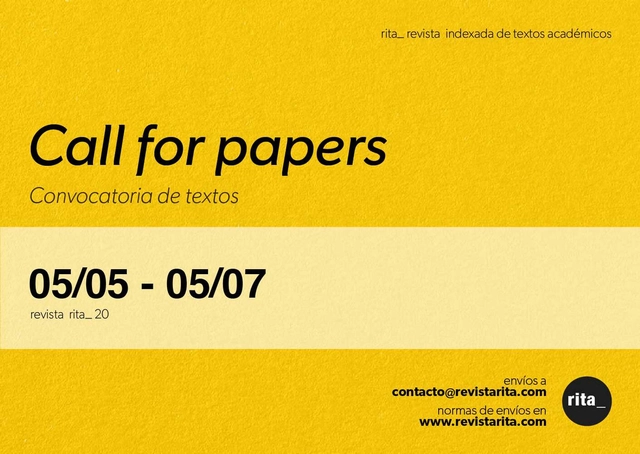
The call for academic papers for the upcoming 20th issue of rita_ magazine is now open. The call invites submissions in Spanish or Portuguese from faculty, graduate students, and professionals holding a master’s or doctoral degree.
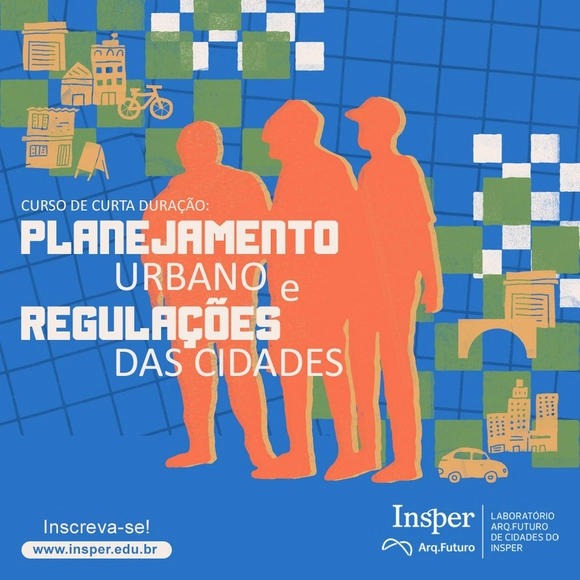
São Paulo, 2023 – Insper, through its Arq.Futuro Cities Laboratory, has opened registration for the first cohort of the live online course "Urban Planning and City Regulations." In this course, students will examine the Municipal Master Plan model—the primary regulatory instrument for cities—building the repertoire and critical perspective needed to update it to improve urban territories, a project currently being undertaken by various cities across the country due to legal requirements.
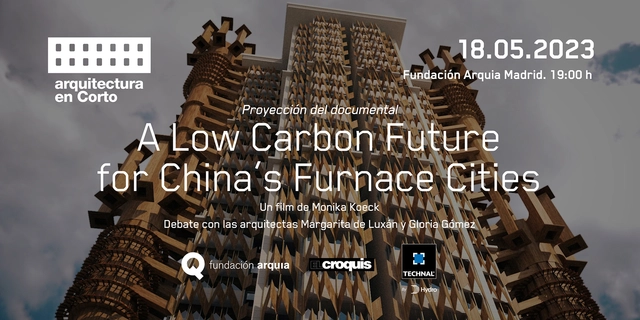
On May 18 at 7:00 PM, Arquitectura en Corto invites you to the Fundación Arquia in Madrid (Tutor, 16) for the screening of “A low carbon future for China’s furnace cities,” a documentary about an international research group’s project. The initiative proposes intervening in China’s massive existing building stock by installing a passive system that captures high-altitude air currents and channels them into homes to improve thermal comfort.
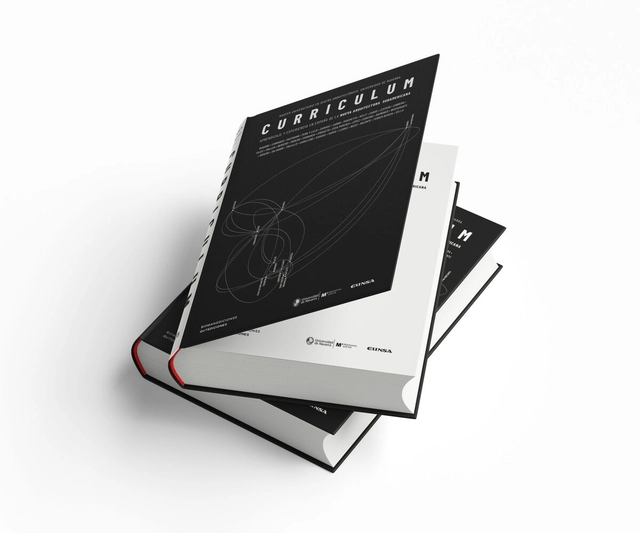
This publication is a compendium of Latin American architecture, filtered through the architects who have undertaken the 12-month journey to pursue the Master’s Degree in Architectural Design at the University of Navarra. 32 authors from across the continent present their architectural practice through a project developed over four double-page spreads, with one double-page spread reserved for the presentation of the firm and the Master’s experience.
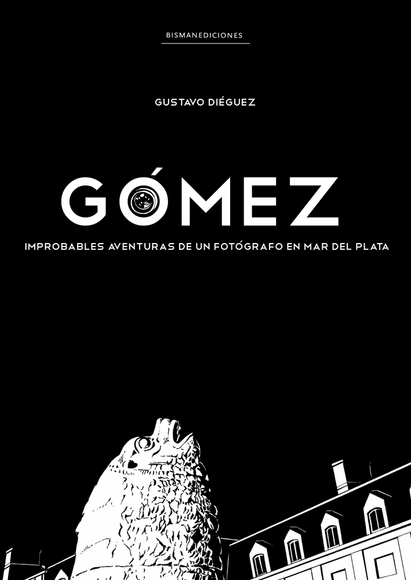
Manuel Gómez Piñeiro was the photographer who captured Argentine architecture with the greatest quality, breadth, and a unique perspective. However, in this graphic novel, a condensation of real characters and events are altered, shifting through fictional connections in a kind of parallel reality. In this, his debut work, the author introduces us to an alternate Mar del Plata, where Argentine architects and intellectuals encounter their European counterparts, coexisting with fictional figures during a pivotal moment (the 1945–1955 decade) in the development of the country's architecture and modernity.
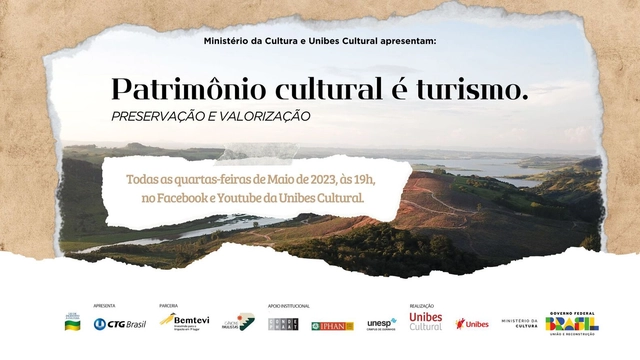
Throughout the month of May, Unibes Cultural, in partnership with the Cânions Paulistas association, will host a series of panels to reflect on and propose paths for the preservation and appreciation of cultural heritage, focusing on the Angra Doce tourist region and its 15 municipalities surrounding the Chavantes reservoir.
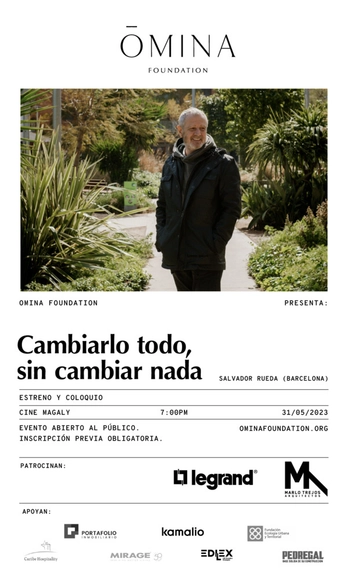
Currently, more than 50% of the global population lives in cities. In Central America, this figure rises to 80%. While cities generate more than 90% of the global Gross Domestic Product, they are also responsible for 80% of greenhouse gas emissions. The mission of the ÖMINA Foundation is to amplify and disseminate the work of global innovators and visionary entrepreneurs who are building a more socially and environmentally just future.
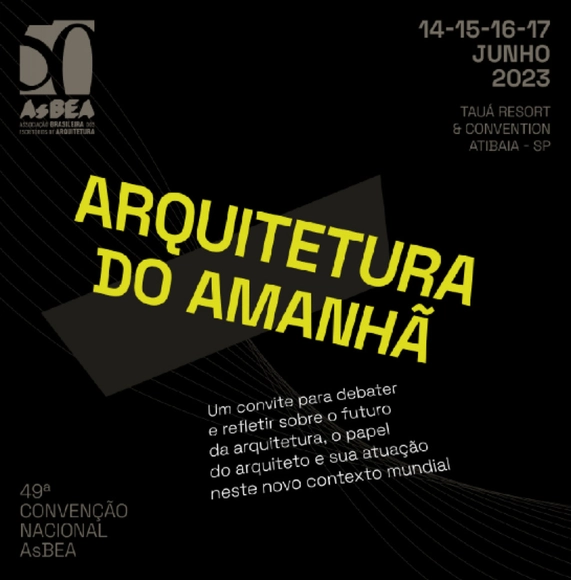
The 49th AsBEA Annual Convention is fast approaching, celebrating the association’s 50th anniversary while fostering a debate on the future of architecture and the evolving role of the architect in today’s context.
In her series "Accessibility from North to South: All the Voices of Brazil," Mariana Bunn Architecture and Accessibility will host a conversation this coming Sunday, June 4th, with Jundiaí-based architect Julia Lopo.
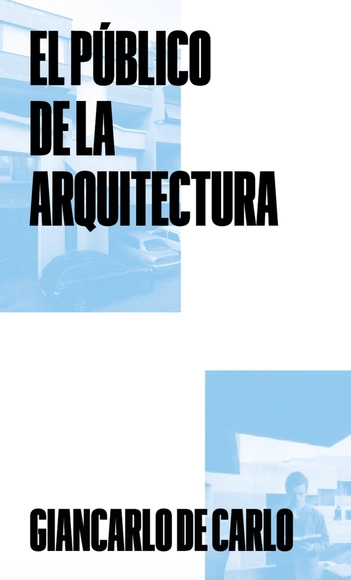
El público de la arquitectura brings together, for the first time in Spanish, two of the most important texts from Giancarlo De Carlo’s theoretical body of work. Published in the early seventies, they remain curiously relevant to the most pressing issues of today. In these texts, De Carlo analyzes architecture's complicity in materializing the social gaps imposed by economic, political, and cultural power structures, while questioning the role of schools, criticism, and the media in consolidating the inconsistency and aimlessness of the architect's position. The book proposes alternative paths for the methodological reconstruction of disciplinary creative processes, moving toward a total commitment to the real context of society and its most fundamental spatial needs.
The submission process for issue No. 10 of TULHA magazine, published by the Tutorial Education Program (PET) in Architecture and Urbanism at PUC-Campinas, is now open. The issue welcomes scientific, textual, design-based, and graphic essays that explore architecture and urbanism. This year, the magazine follows a thematic axis titled "City, Space, and Preservation of Memory."