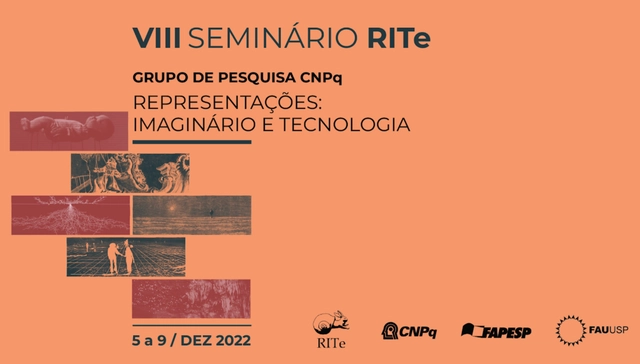
The VIII Seminar of the CNPq Research Group "Representations: Imaginary and Technology" will bring together researchers affiliated with the group to present ongoing and/or recently completed work, fostering debate on the epistemological and methodological aspects relevant to these investigations. Featuring short presentations in thematic panels, workshops, book launches, and immersions in RITe Study Groups, the seminar will take place primarily in person from December 5 to 9, 2022, at the Caetano Fraccaroli Sculpture and Form Research Atelier, located at USP - Cidade Universitária.
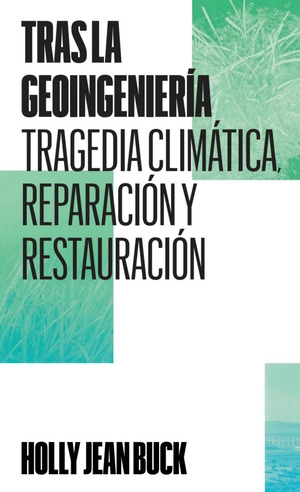
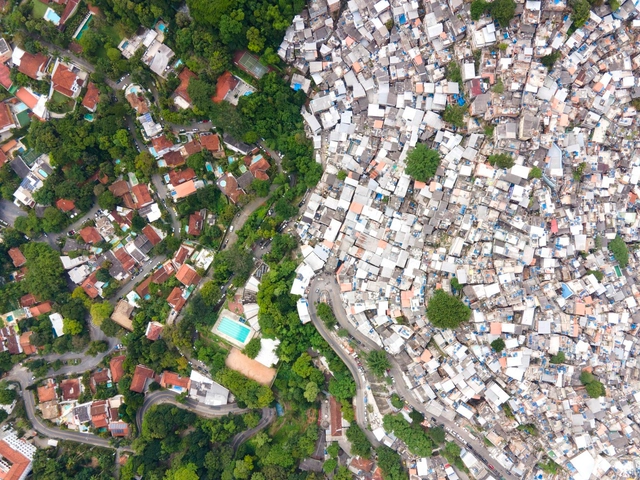
Often viewed as antithetical to degrowth, renewable energy, and climate justice, geoengineering is understood as a temporary solution for atmospheric carbon removal. Yet, are there other possible futures beyond it? How can we conceive of a radical and transformative climate intervention project that is democratic, participatory, and decentralized? Both critical and speculative, this book explores potential futures after geoengineering—futures born from social transformation and justice to address the complexities of the current climate crisis.
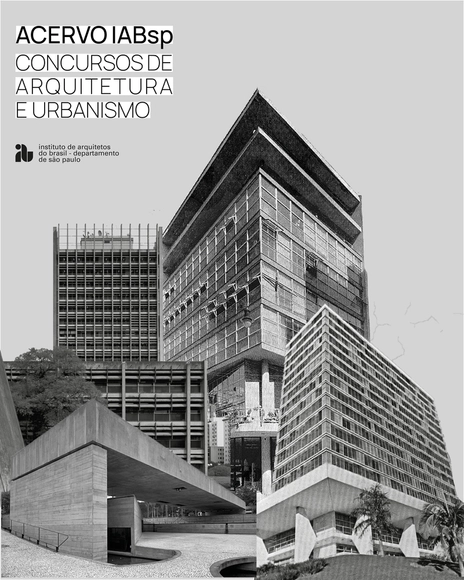
Throughout its more than 75-year history, the Institute of Architects of Brazil – São Paulo Department (IABsp) has built and maintained an important documentary archive comprising meeting minutes, technical reports, periodical and bibliographic publications, photographs, audiovisual recordings, and works of art—a collection that documents the various activities of the institution and the architecture and urbanism profession in São Paulo.
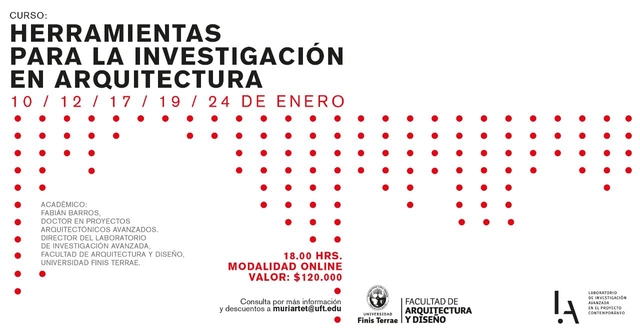
The Postgraduate and Continuing Education department of the Faculty of Architecture and Design at Universidad Finis Terrae is organizing the course "Tools for Architectural Research," taught by Fabián Barros, director of the Faculty's Advanced Research Laboratory, who holds a Master's degree in Project Didactics from the Universidad del Bío-Bío and a PhD in Advanced Architectural Projects from ETSAM.
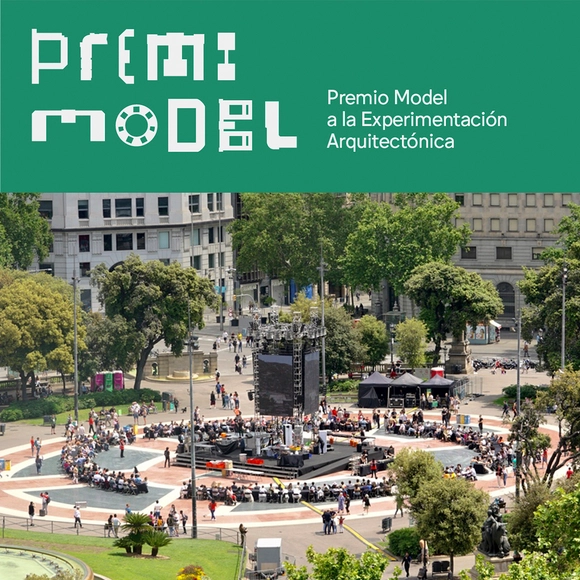
La cocina urbana de MAIO en el centro de Plaza Cataluña durante Festival Model 2022. Image Cortesía de Festival Model
Model. Barcelona Architectures Festival (Model) is the latest experimental and visionary architecture festival on the global cultural scene. The project was founded by the Barcelona City Council and the Architects' Association of Catalonia (COAC) in 2022, and this year, it will be managed by the Mies van der Rohe Foundation.
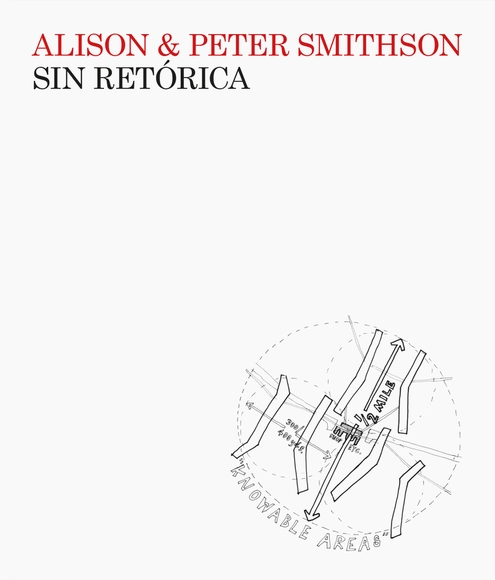
Sin retórica (Without Rhetoric) compiles the findings of twenty years of research by the British architectural duo Alison & Peter Smithson, offering the reader a direct, unadorned perspective—"without rhetoric," in short—on their interests and obsessions: New Brutalism, British pop culture, the current state of architecture, the role of advertising and media in the field, their fascination with the work of Mies van der Rohe, the use of repetition, and Greek and Japanese architecture.
On October 10, 2023, more than 200,000 Brazilian architects and urban planners will choose their representatives for CAU Brasil and CAU/UF for the 2024–2026 term.
Activities related to the 2023 CAU Elections begin on January 1, starting with a campaign to update professional registration data, ensuring everyone can vote and run for office. The deadline to complete the update is May 31.
Cover of Neorealist Architecture, a book by David Escudero
Neorealist Architecture: Aesthetics of Dwelling in Postwar Italy is the new book by David Escudero, published by Routledge and a recipient of a Graham Foundation grant. Illustrated with over 120 images—most of which are previously unpublished—the book explores the links between architecture, film, and the built environment in postwar Italy (1940s–50s) to reveal whether and how neorealism manifested in architecture.
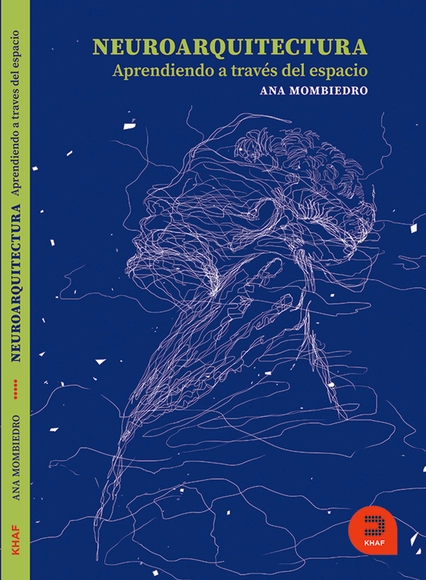
Why do we behave differently in a crowded restaurant than in a cathedral at sunset? Why do teenagers and older adults require different environments to feel at ease? It is because an invisible dialogue exists between our bodies and our surroundings. This shift in perspective is what the author defines as neuroarchitecture.
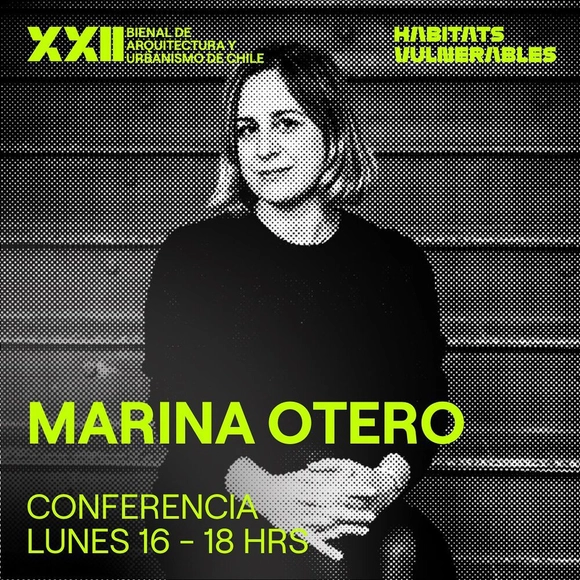
via XXII Architecture and Urbanism Biennial of Chile
Marina Otero will give a lecture on Monday, January 16, at 6:00 PM as part of the XXII Chile Architecture and Urbanism Biennial: 'Vulnerable Habitats.' The event will take place in the temporary inflatable structure designed by Smiljan Radic at Plaza Bulnes, Santiago.
In an inflatable pavilion designed by Smiljan Radic located in Plaza Bulnes, opposite the La Moneda Palace, visitors can enjoy free screenings of the films selected by the Santiago Architecture Film Festival for the XXII Chilean Biennial of Architecture and Urbanism, themed this year as “Vulnerable Habitats.”
The 27th edition of FEICON will take place from April 11 to 14 at the São Paulo Expo in São Paulo. Widely considered a premier platform for business development, professional growth, and networking within the industry, the fair will feature a series of new developments and a 50% increase in the number of participating brands this year.
Following a diagnostic assessment in the previous issue regarding the severe housing deficit affecting our country, issue #47 of the Association of Architecture Offices (AOA) magazine presents a proactive vision, offering proposals to address this situation through practical approaches and effective actions.
"We don't want to see the final image of your projects; we want to know how you create them."
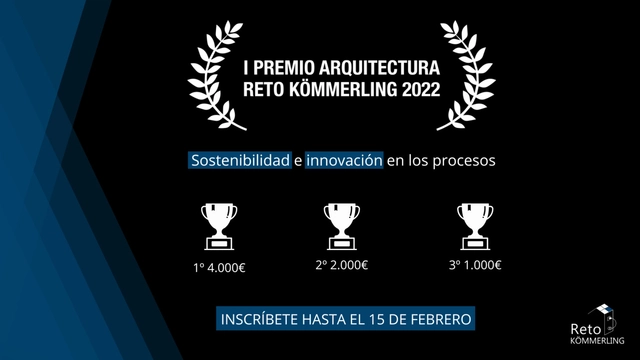
Profine Iberia - KÖMMERLING, a leading manufacturer of PVC window systems, in collaboration with the Green Building Council España (GBCe) and the Zero City Project, is launching the 1st KÖMMERLING Challenge Architecture Award. This initiative aims to recognize architecture firms that strive to innovate their work methodology to prioritize sustainability across all their projects.
Registration for the 5th Tomie Ohtake Design Award, aimed at university students and recently graduated professionals from all fields, has been extended until February 16. The initiative has established itself as the leading Brazilian design mapping award, welcoming multiple languages due to its transdisciplinary nature and avoiding rigid categories, as it encompasses projects of diverse natures.
Nara Roesler Rio de Janeiro is pleased to open its 2023 season with the exhibition "Córte," by the celebrated artist Lucia Koch, starting March 16, 2023. The exhibition will feature unpublished works from the "Fundos" series, one of the most iconic in her production, in which she photographs the interiors of empty packaging used to store various products. When enlarged to human scale, these become architectural spaces that interact with the exhibition's path, creating surprising perspectives for the public.
In the design exhibition area, new pieces designed by Superlimão for Amazônia Móveis will be on display. These include four examples of the Cadeira n.6, part of an outdoor furniture collection created by the firm that features durable, lightweight, and versatile pieces.