IV Latin American Landscape Architecture Biennial 2020
The 4th Latin American Landscape Architecture Biennial aims to highlight the relevant role of landscape architecture in the construction of the human habitat. This space is intended to serve as a catalyst for reflection and an incentive for creativity, recognizing and awarding high-quality works and projects that have proposed innovative solutions to the environmental and social issues affecting Latin American countries.
Isolation, viewed from various perspectives and disciplines, is the central theme of the "Isolated Dialogues" series, organized by the School of Architecture at Universidad Finis Terrae, which takes place every Wednesday. Participants include artists, architects, designers, musicians, scientists, writers, journalists, and others, both Chilean and international.
Mobile Architecture and new ways to inhabit the territory is an International Design Summer School that explores the theme of minimal and mobile architecture as a tool to define new ways of living and reactivating the spaces of uncertainty that characterize contemporary society: those in a state of abandonment and peripherals, those affected by emergency situations, those linked to new social needs and those in which the scarcity of services avoids the enhancement of the landscape and the environment.
Videos
Moments of Silence, 2020, Media projection and sound, 90 1/2 x 145 3/4 in
BLANK SPACE is pleased to present a special exhibition of works by designer and artist Hayoun Won which directly responds to the current Covid-19 pandemic. Moments of Silence, pictured above, is a multimedia installation and series of printed works which offer a memorial space for the victims across the globe. Also included are a number of both digital and hand drawn design works which seek to expand the reach of design in relation to social issues.
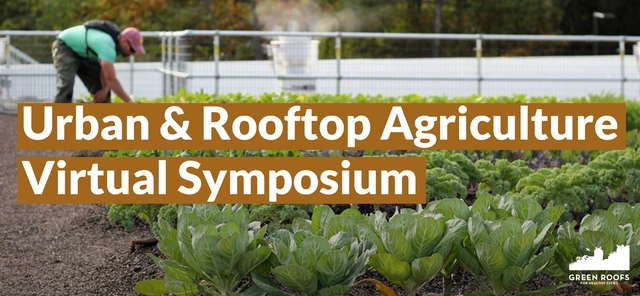
COVID19 demonstrates the need for strong local economies and resilient solutions. Urban agriculture is a productive form of green infrastructure that supports local economies, creates jobs, improves access to healthy fresh food, and provides ecosystem services. GRHC brings together urban and rooftop agriculture experts to share the benefits and challenges of urban agriculture projects at its Urban Agriculture Symposium
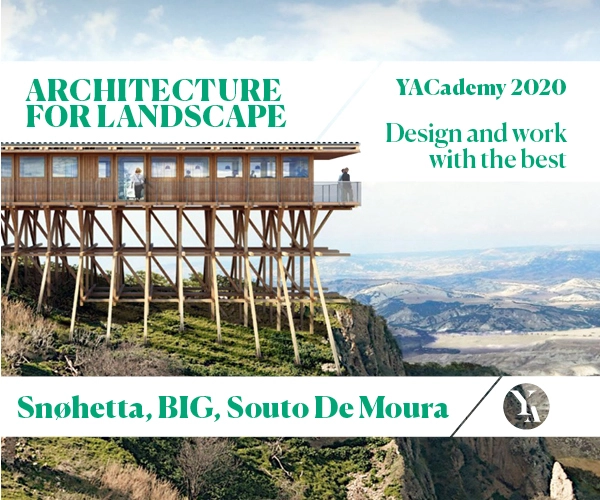
“Architecture for Landscape” was created on these premises: it aims to train designers to meet the diverse needs of transforming territories. The course encourages an attentive and productive dialogue with the surrounding landscape to respond to the needs of clients' unique contexts. Via a thorough analysis of the natural world, light and geomorphological terrain features, the designers will become increasingly able to reconnect human design to the natural environment. In becoming inspired by the landscape, they can design outstanding, sustainable and impressive architecture.
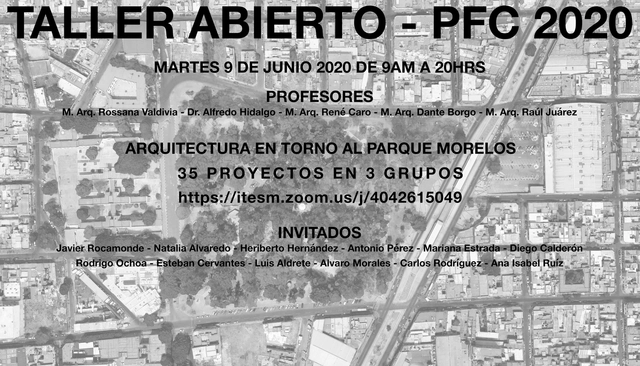
Presentation of the Final Degree Projects by Architecture students from ITESM Campus Guadalajara. The event will feature international guest jurors who will provide feedback on the presented concepts. Open to the general public via Zoom. Access the broadcast here: https://itesm.zoom.us/j/4042615049
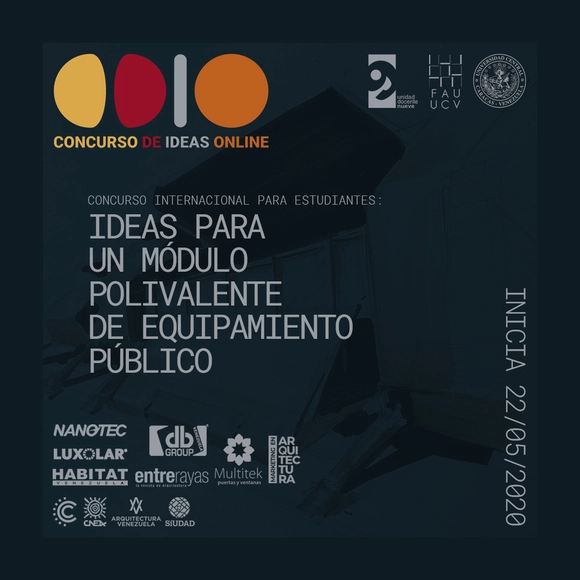
General flyer for the international student ideas competition organized by Teaching Unit 9 in conjunction with the FAU UCV and collaborators
Architecture is inevitably linked to the specific circumstances in which each project is developed, as well as the individual criteria applied to each proposal. At the same time, our discipline is also beholden to general notions that transcend specific conditions. We propose exploring this duality without contradiction, working on a topic that inevitably concerns us all from a broad, universal perspective that allows for the exploration of solutions extending beyond a single circumstance, place, or reality.
The international conference “Grand Projects - Urban Legacies of the late 20th Century” will take place in Lisbon, between the 17th and 19th February 2021. The event aims to debate the transformations that have taken place in urban territories over the last two decades by considering the impacts of late 20th century policies and policy conjunctures.
Density may be the mst universal characteristic of cities, where people, ideas, goods and services come together. This panel discussion addresses challenges—both immediate and ongoing—the coronavirus pandemic will have on the multi-family and mixed-use sites that are hallmarks of urban density. Four esteemed panelists will share informed perspectives on temporarily reprogramming large complexes toward greater public health and safety, along with their predictions of new approaches and priorities that may affect developments still in design and planning stages.
Live Webinar: Using Digital Tools To Study For The ARE
Interested in learning how to study more effectively for the ARE, and how to track the hours and materials you used for each exam, with a live demonstration? On June 20, 2020 at 1pm EDT, we'll be hosting a free webinar that will go over:
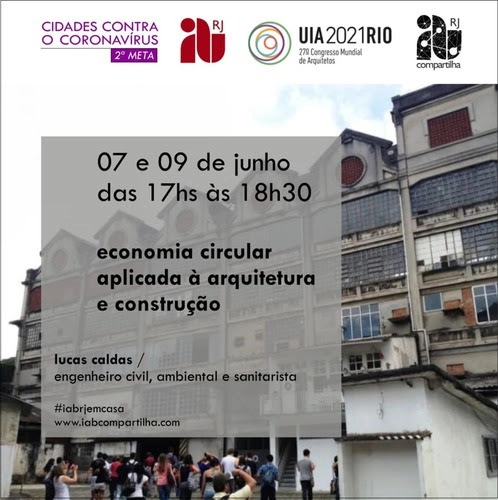
This course provides a comprehensive overview of the circular economy as applied to architecture and construction. It is designed for students, professionals, and anyone interested in sustainable construction and innovation.
Architecture Thesis of the Year | ATY 2020 (illustration designed by freepik.com)
The Charette has launched ‘Architecture Thesis of the Year | ATY 2020’ - an international architecture thesis competition that aims to extend appreciation to the tireless effort and exceptional creativity of student thesis in the fields of Architecture, Urban Design, Landscape, and Restoration. We seek to encourage young talent in bringing their path-breaking ideas to the forefront on a global scale.
Capitalizing on the current shift toward online learning, architect and professor Pedro Vada has organized a series of conversations with Portuguese architects, specifically tailored for Brazilian students.
This course presents an overview of the works of Luis Barragán (1902–1988), including the historical, cultural, and political contexts in which they were designed and built. Each session will address a specific phase recognized by Mexican historiography, while drawing parallels with the work of Le Corbusier and other artists such as Mathias Goeritz and Jesús "Chucho" Reyes.