The contemporary building industry is addicted to new materials in an era that necessitates smarter practices. The concrete industry alone accounts for 8% of global CO2 emissions with alarmingly little attention paid to the inevitable obsolescence of that material. These buildings are destined for the landfill with concrete occupying the vast majority of that mass. THE CANNIBAL’S COOKBOOK mines solutions from an ancient practice known as cyclopean masonry—a practice that intelligently consumes the rubble of building stock to provide new structures. This book contextualizes these practices, deciphers the mysteries embedded in their cryptic geometries, and provides a series of recipes that can be adapted, automated, and applied today. Is the key to recycling our building materials locked inside the cryptic cyclopean masonry walls suspected of being built by primordial giants? THE CANNIBAL’S COOKBOOK challenges the inappropriate practices surrounding concrete by learning from the myths and legends of architectural cannibalism.
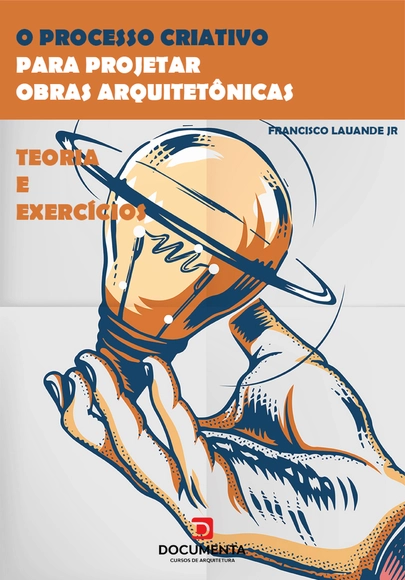
With architectural education and students in mind, this book teaches the creative process for designing architectural works.
Every creative activity requires a work method combined with talent. Due to shortcomings in education, students do not always receive the necessary didactics from their design professors to develop a design method capable of enabling them to address any level of complexity in a given project. Available software (2D and 3D) is merely a tool for developing and/or presenting ideas. Creativity, therefore, remains an essential factor and a key differentiator for architecture professionals in the job market.
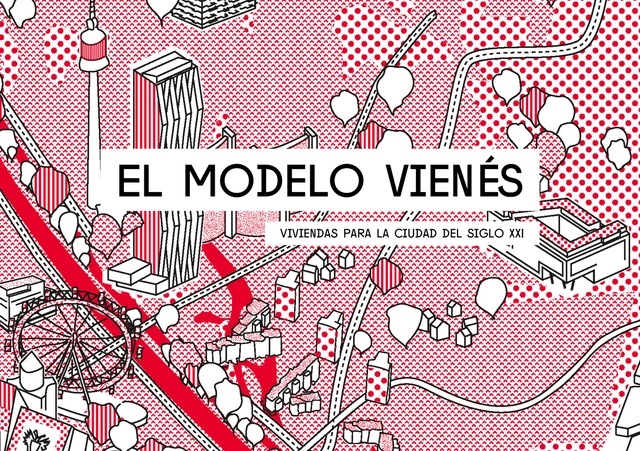
To mark the opening of the exhibition, architects Bettina Götz and Richard Manahl of the Austrian firm ARTEC, along with architect and Professor of Architectural Theory and History Josep Maria Montaner, will deliver an inaugural talk on Thursday, July 15, at 5:00 PM, followed by an open discussion with the speakers.
“1972 | Cities for Downtown Santiago” is a curatorial cycle by barco, produced in collaboration with Uruguayan researcher and architect Carolina Tobler. It seeks to develop and critically examine a significant episode in Chilean architecture that marks the end of a specific way of thinking about and creating the city: the 1972 Competition for the Remodeling of Downtown Santiago. The cycle includes a physical exhibition, three virtual conversations, and an academic workshop held within the UC Master of Urban Project program.
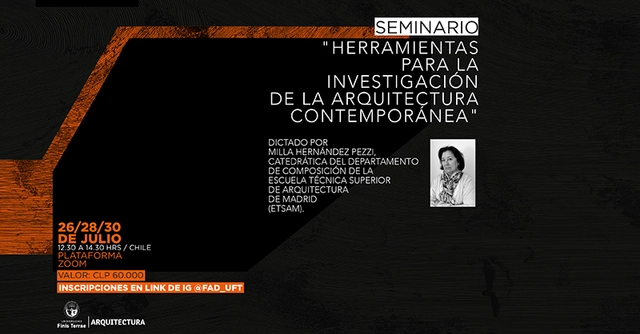
The Faculty of Architecture and Design at Universidad Finis Terrae (Chile) is organizing the online seminar "Tools for Researching Contemporary Architecture," which will be led by the distinguished professor Milla Hernández Pezzi, a tenured professor in the Department of Architectural Composition at the Escuela Técnica Superior de Arquitectura de Madrid (ETSAM).
For the fourth time, the Lisbon Architecture Triennale presents the Début Award, aimed at an individual or studio in the early stages of their architectural career, to celebrate their work and boost their professional trajectory.
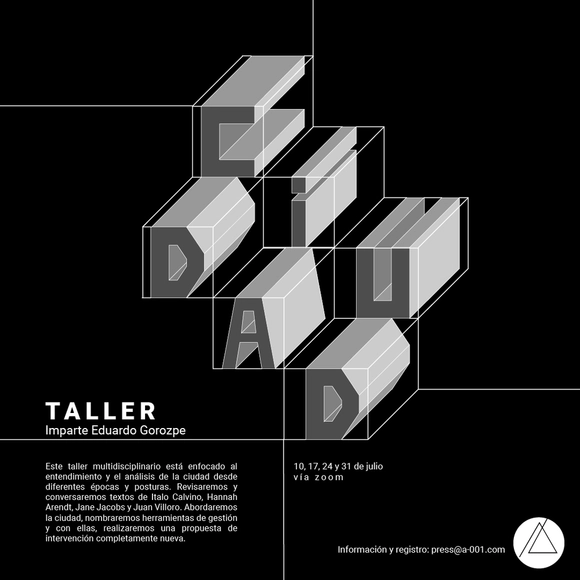
Taller Ciudad focuses on understanding and analyzing the city through various eras and perspectives. We will review and discuss texts by Italo Calvino, Hannah Arendt, Jane Jacobs, and Juan Villoro. We will explore the city, identify management tools, and use them to develop a completely new digital intervention proposal.
The "Unwhitening the City" course offers a space to explore urban production through a multiterritorial and intersectional lens. It is shaped by debates on territory, culture, and language formulated by the African diaspora and Black epistemologies, aiming to contribute to a critical perspective within urban studies. This course is an extension of projects developed by Coletiva Terra Preta.
The Lisbon Triennale seeks proposals for self-financed projects that relate to the main programme of its 6th edition for the Autumn of 2022, and bear an independent and diversified character, essential for the living cultural mechanisms in the city and attentive to the liveliness of the debate around architecture.
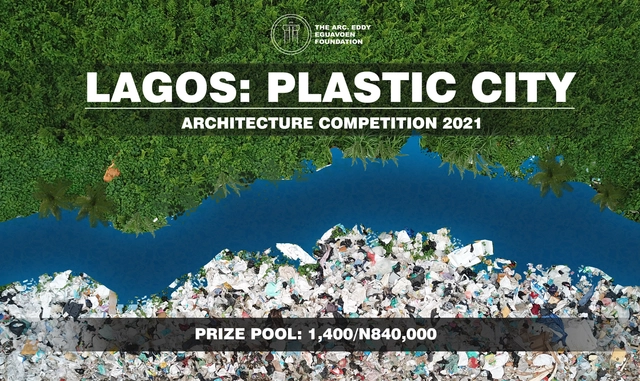
Plastic pollution has been a growing issue for decades and there have been various solutions presented by different global actors and bodies such as governments and international organisations. As architects and urban designers, it is important for us to be involved in this process and Lagos is a city that has seen bleak and limited amounts of solutions that respond to the context of the city. This is what led us to this year’s competition theme.
Universities are critical centres for the production of knowledge and innovation. Since the inception of the Triennale we have involved these institutions in the programme of each edition of its most emblematic event. As such, we invite schools from all over the world to participate in a transverse perspective of possible cooperation. The Millennium bcp Lisbon Triennale Universities Competition Award is part of the central programme for the 6th edition of the Lisbon Architecture Triennale to take place in the Autumn of 2022.
Universities are critical centers for the production of knowledge and innovation, and since the Triennale's inception, we have involved these institutions in the program of our most iconic event. Schools from around the world are invited to participate in the central program of the 6th Lisbon Architecture Triennale in 2022.
New award to recognize projects and initiatives that improve walking conditions in Brazilian cities The first edition of the Walkable City Award, organized by SampaPé! with the support of ITDP Brazil and Walk21, will reward and highlight public sector efforts to improve walkability in Brazilian cities in recent years.
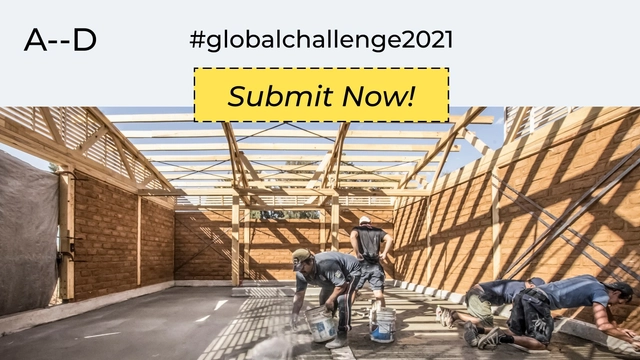
The Global Challenge is calling for high-impact community architectural initiatives. Finalists will have the opportunity to win an award and connect to A--D partners to bring their community project to life
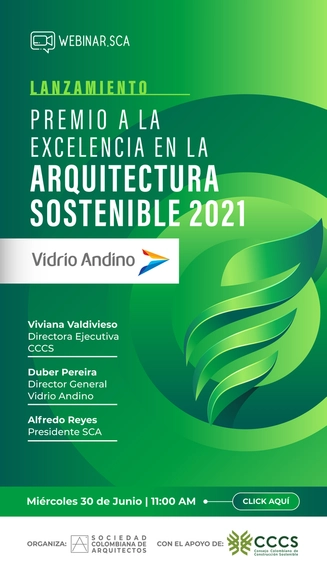
The Colombian Society of Architects, with the goal of strengthening the promotion of sustainable architecture in Colombia and the mission of consolidating this effort through concrete incentives, has issued a call for projects for the "Award for Excellence in Sustainable Architecture – Vidrio Andino."
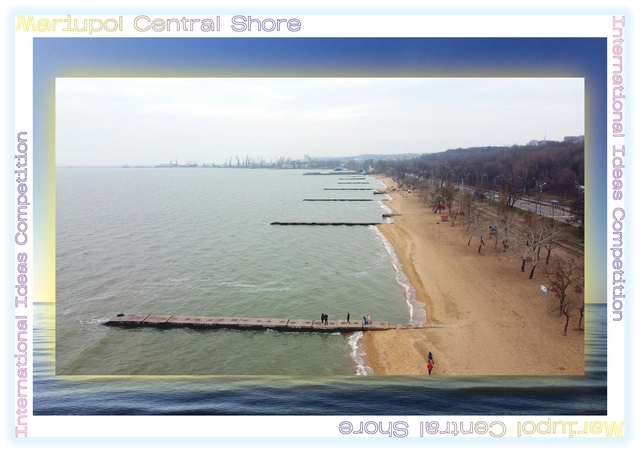
Mariupol Central Shore International Ideas Competition
The mayor of Mariupol (Ukraine) is inviting local and international architects, urbanists, landscape architects and interdisciplinary teams to put forward a bold and contemporary design framework for the reconstruction of the Mariupol Central Shore, a centrally located territory stretching for 2.75 kilometers along the Sea of Azov, with total area of 38 ha.