Within the topic ECOtechGREEN – Green Ecology and Technology for sustainability and landscape the organizers, the National Council of Landscape Planners and Conservators Architects and PAYSAGE, intend to underline the role that technological green is assuming as tool for communicating the values of the landscape and want to promote, at the same time, new nature based solution development strategies, also providing guidelines and tools for implementing worthy procedures and researching best practices, through the launch of announcement, that can stimulate reflection around the issues in question and pave the way towards quality achievements. ECOtechGREEN – Green Ecology and Technology for sustainability and landscape has always interpreted the technological green not only as hanging and vertical green, but also in a vision of introduction of green that starts a process of real and technologically complex vegetalization. Therefore the ECOtechGREEN Award aims to reflect in a proactive way on the powerful role of Landscape Architecture as a tool capable of activate a new process of regeneration of cities. AWARD The International Design Competition inside the International Forum ECOtechGREEN 2021-22 – Green Ecology and Technology for sustainability and landscape intends to attract the excellence of international design in relation to the issues of technological, hanging and vertical, green rewarding the best projects realized. The themes around which the Award will be developed are: • Technological Green and Green Infrastructures • Forestry Urban Technology • Green Wall & Vertical Green • Hi-Tech City Landscape: NBS and SuDS • Green Technological & Shopping Mall • Technological Green And Receptivity • Studies, Researches, Patents, Thesis, Prototypes related to development of Landscape project
INTRODUCTION Presentation skills are just as important as designing; one of the best mediums to present your architectural designs is through rendering. Architectural rendering aims to create life-like experiences of the buildings before they are built. Rendering aids the designer to convey his or her ideas, an image that represents the designers' imagination most realistically.
The sixth edition of Tallinn Architecture Biennale (TAB 2022) (www.tab.ee), announces the Open Call for its Vision Competition “Circular Block — Reinventing the Mikrorayon”!
Videos
Cecil Howell works in her studio at I-Park during the 2021 season, photo by Lydia Blaisdell
I-Park is now accepting applications for its fully-funded multi-disciplinary residencies. This multidisciplinary program is open to architects, garden designers, and landscape architects/designers looking to enrich their practice in a collegial, retreat-like setting – in the company of artists working in the visual arts, creative writing, music composition/sound art and moving image/new media.
ABOUT YBD Young Balkan Designers (YBD) is a regional talent platform founded in 2011 with the aim to identify, promote and develop creative potential of the Balkan region in the field of design. The initiative also aims at unifying the regional design scene, bringing it closer to the international audience, strengthening its potential by providing additional education and practice, while at the same time contributing to the restoration of multi-cultural cooperation in the Balkan region.
Videos
EMBODIED EPHEMERALITY: LIGHT-FORM ARCHITECTURE, by Reilly O'Neil Hogan from Cornell University US, 2008 Global Winner. Image Courtesy of VELUX Group
Every second year, the VELUX Group invites students of architecture to participate in the International VELUX Award competition on the theme “Light of Tomorrow". Since its launch in 2004, more than 10,000 students from more than 800 schools from all regions of the world have participated in the competition.
The competition invites students to explore the role of daylight in architecture. The aim is to encourage and challenge students of architecture, and to create a deeper understanding of daylight as an ever-relevant source of energy, light and life.
For the celebratory 10th edition in 2022, the students will develop their projects in one of the two categories: ‘Daylight in buildings’ or ‘Daylight investigations’.
The second cycle of the free online seminar “The New Museu do Pontal – Partnerships and Inspirations” will take place on December 16 at 6:00 PM. The session will address the practice of crowdfunding and the importance of a culture of giving in Brazil, featuring examples of campaigns that have driven cultural and social transformation through community engagement and a shared sense of purpose. Participants include Lucas Van de Beuque, Executive Director of the Museu do Pontal; Paula Fabiani, CEO of the Institute for the Development of Social Investment (IDIS); artist Martha Niklaus; and Larissa Novais, Special Projects Consultant at the Benfeitoria platform. The discussion will be moderated by Tatiana Richard, Coordinator of Projects and Institutional Development at the Museu do Pontal.
Applications for the lato sensu postgraduate program at Escola da Cidade are open until March 11, 2022. Established over 10 years ago, the program consists of seven courses and is structured around two central aspects: practice and design methodology, understood as research and a strategy for engaging with space across its multiple scales. The program’s overarching theme is "Civilization America: A Look Through Architecture," which proposes understanding and addressing the historical, geographical, territorial, and social conditions that define us. Through this lens, Escola da Cidade’s postgraduate courses aim to connect professionals working in architecture, urbanism, and related fields with research and critical reflection applied to design and education.
Tutor Call for MEDS CIERZO 2022 (Meeting of Design Students)
Since 2010, MEDS (Meetings of Design Students) has been held every summer. It is an international architecture and design workshop that takes place in different European countries. This year, the workshop will be held in Zaragoza, Spain.
Today, more than half of the world's population lives in urban areas, a process of sustained growth that has persisted in cities and materialized through their expansion. This phenomenon is expected to intensify in the coming years due to several factors, including the concentration of capital, services, facilities, and infrastructure, which has fostered the perception of the city as a place of «opportunity».
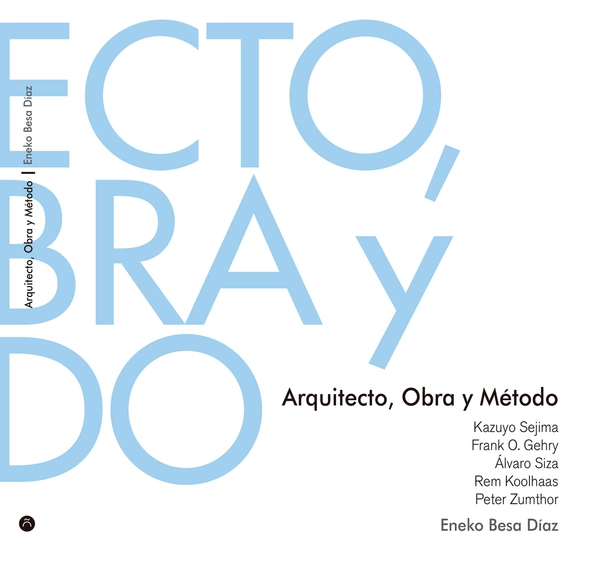
This book approaches the question of method in architecture by focusing its analysis primarily on five specific works from the contemporary scene, attempting to unveil the underlying motivations that constitute them.
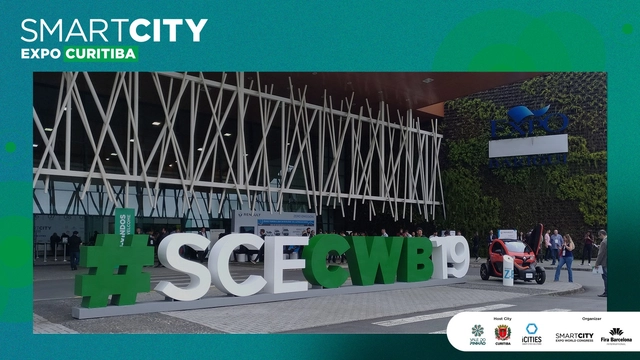
Smart City Expo Curitiba is the national edition of the world's largest smart city event, organized by FIRA Barcelona since 2011. Now in its third edition in Brazil, the event features an exhibition and a congress, addressing relevant and pertinent topics regarding governance, urban planning, infrastructure, mobility, and technology, among others.
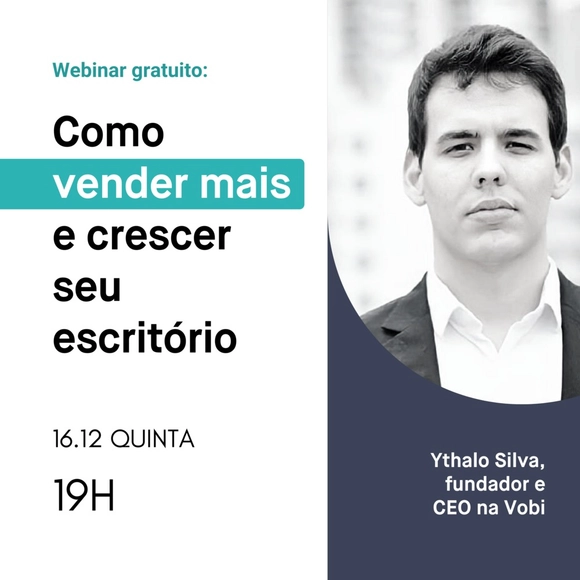
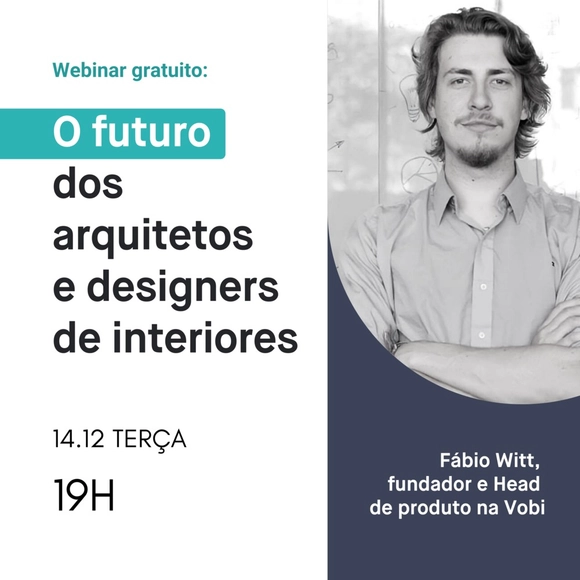
Architect's Week at Vobi - Social Media for Architects: How to Stand Out Online
Architect Amanda Ferber, ranked by Feedspot as the #1 influencer among the top 125 in the world of architecture, will lead this lecture on social media.
The call for academic papers for the upcoming issue, rita_17, is now open at rita_ magazine. The call invites submissions in Spanish or Portuguese from faculty, graduate students, or professionals holding a master's or doctoral degree.
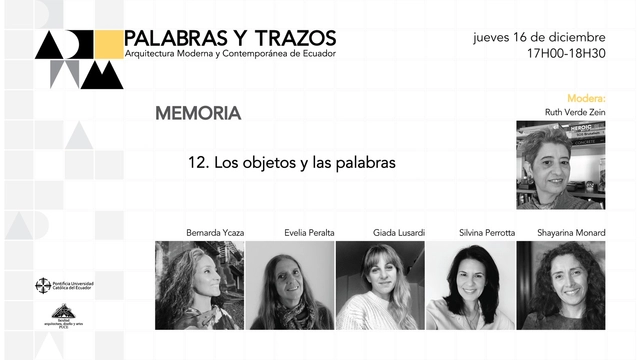
Palabras y Trazos brings together architects of various generations whose projects emphasize architecture as a city-shaping element that integrates urban, environmental, heritage, and identity values.
In antiquity, architects sought to defy the passage of time through their solid constructions. This chimera was challenged at the beginning of the 20th century by the Futurists' concept of planned obsolescence: “Houses will last less time than we do... Each generation must build its own city.”
This text explains how time has become an active material in the work of the contemporary architect. Architecture, like music, literature, or film, is a temporal discipline. We will see how, during the Renaissance, architecture became aware of its own history. We will also see how, with Palladio, the printed page became a more effective medium for conquering the future than the built reality itself. However, the true shift arrived in the 20th century, when a new temporal consciousness—infiltrating from the sciences, the arts, and the media—began to transform architectural discourse in the second half of the century. From the assimilation of space-time to the cinematic time-image or the spectacular time of capitalism, the author proposes a journey through the multiplicity of time, which inevitably reverberates in contemporary architecture.