
Educational workshop:
Visualising the Voice of Maria Callas
Educational workshop:
Visualising the Voice of Maria Callas
![Building Black Spaces [Berlin, Germany] - Featured Image](https://snoopy.archdaily.com/images/archdaily/media/images/6569/b92c/06a0/5e00/011c/462f/slideshow/EOTO_IG_CommUnity_BBS_1080x_v03_1.jpg?1701427543&format=webp&width=640&height=580)
How do we construct and maintain community centers for People of African Descent in Western contexts? What are the many potentials and challenges of such an endeavor? How do we incorporate the groundwork that has already been conducted elsewhere and which dimensions require special attention to honor the diversity of needs in our communities?

For a sustainable city, a transformation of the underlying system is necessary in addition to spatial changes. This leads to new typologies and forms for buildings, neighborhoods, and landscapes. We are currently overexploiting the urban body. How do we manage resources like energy, food, and materials, and how do we create an exchange of byproducts like waste and heat production? How do we respond to new digital measurement and processing techniques through Artificial Intelligence?
The book delves into envisioning the future of sustainable cities and how we can design them. Difficult problems do not always require far-fetched solutions, but in order to arrive at the solution a change of perspective may be in order. The City as a System advocates such a change in perspective in urban research, arguing that designers must not only focus on the spatial manifestation of a city but also thoroughly investigate the underlying systems and the use and appearance of the urban fabric. This publication was made possible through the support of the Creative Industries Fund NL and the Van Eesteren-Fluck en Van Lohuizen Foundation.
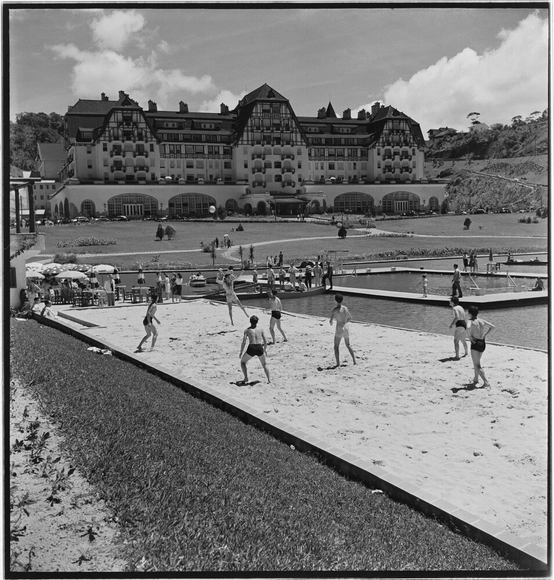
Sesc Rio de Janeiro invites you to the opening of the exhibition "Da Kutanda ao Quitandinha – 80 anos" on December 1, 2023, starting at 10:00 AM. The exhibition marks the beginning of the 80th-anniversary celebrations for the venue, which opened in 1944 as a hotel-casino and now houses the Sesc Quitandinha Cultural Center. Curated by Marcelo Campos, the expansive exhibition is organized into six sections, tracing a narrative that begins in the 18th century with the earliest records of Black presence in the Freguesia de Nossa Senhora de Inhomirim—the foundation of the region's settlement—via the Piabanha River and the plantations that relied on enslaved labor, ultimately giving rise to the city now known as Petrópolis.
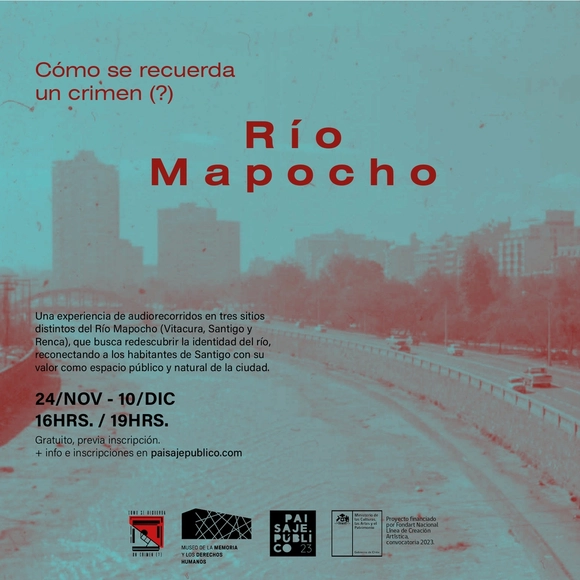
“How to Remember a Crime: Mapocho River” is a free performance that, through a walking tour guided by soundscapes, voiceovers, and testimonies, encourages reflection on the connection to nature, civic development, fundamental rights, and crimes against humanity committed during the dictatorship.
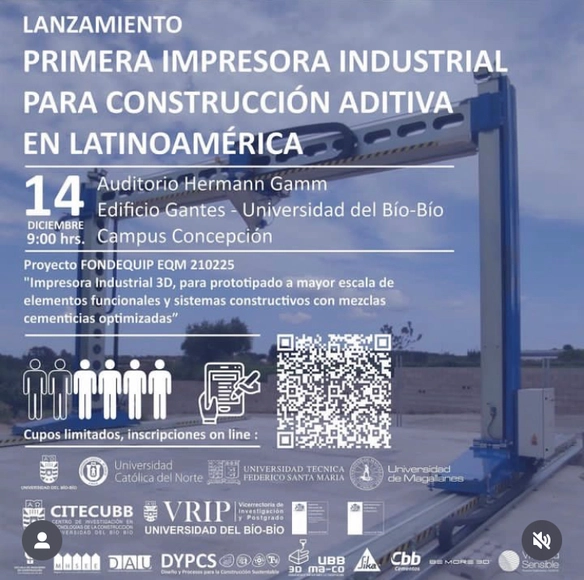
The launch of the first industrial printer for additive construction in Latin America will take place on Thursday, December 14, at the Universidad del Bío-Bío's Concepción campus. This printer will enable the construction of entire houses in Latin America for the first time. It represents a significant advancement in additive construction developed by the UBB's Center for Research in Construction Technologies (CITEC), which has already produced various pieces of furniture and residential walls using an industrial robot in collaboration with several industry partners.
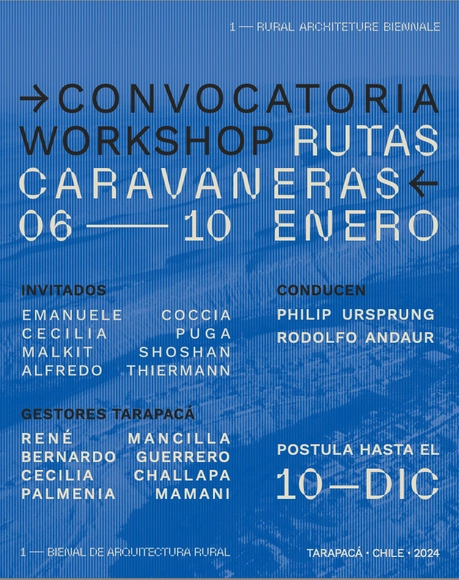
“Ruta Caravanera” is an interdisciplinary workshop based on the itinerant methodology of Swiss curator and historian Philip Ursprung and the territorial research trips led by Tarapacá-based curator Rodolfo Andaur in Tarapacá and other regions of the Americas. The workshop’s objectives revisit the ancestral practices of the first Andean nations as alternative frameworks for reading and understanding geography.
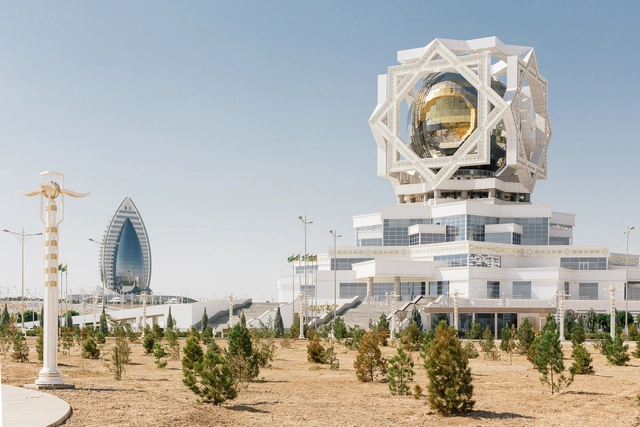
Arnau Rovira is a photographer who found himself in Turkmenistan by accident. From Barcelona, he recalls the story of how he found himself in its capital, Ashgabat, accompanying sports journalists for the 2017 Asian Indoor and Martial Arts Games. This Central Asian country, a former colony of the USSR, is known not only for its strict access and control restrictions but also for its white and golden structures that create a futuristic city near the border with Iran.
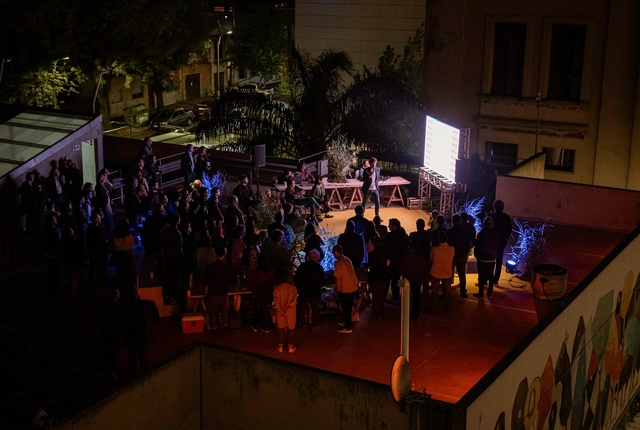
With its sights set on the future, in 2024, the Universidad Católica del Uruguay is adding the Architecture, Design, and Environment program to its academic offerings. Felipe Reyno, PhD in Architecture and director of this new degree program, reflects on the need to train architects with a contemporary, contextual, diverse, critical, and collaborative perspective.
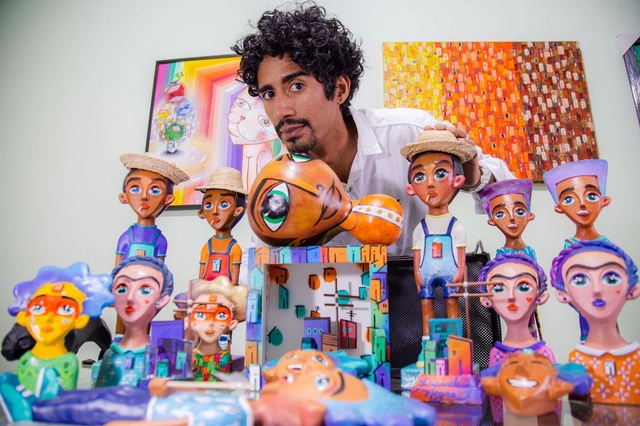
Vila Plural, the country's first creative entertainment hub, is hosting the "Comunidade" exhibition by visual artist Ricardo Negro on the second floor of Shopping Vila Olímpia. The exhibition is open Tuesday through Saturday from 12:00 PM to 10:00 PM, and Sundays from 12:00 PM to 8:00 PM. The show features approximately 30 works, including paintings, sculptures, drawings, and posters. Furthermore, an Instagrammable panel featuring an exclusive painting makes the exhibition even more interactive.
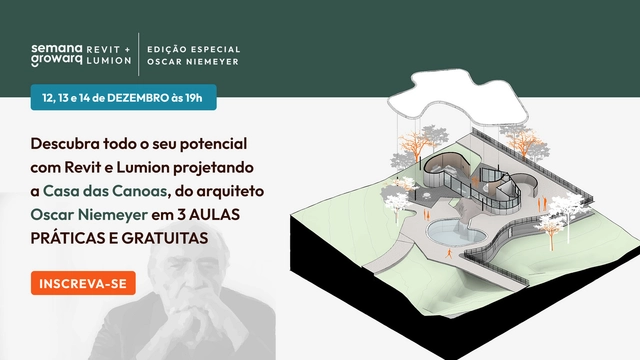
Growarq Week is an event dedicated to architects, engineers, designers, and students looking to revolutionize their design process through a methodology that combines two software programs: Revit and Lumion. The event will take place from December 12 to 14, 2023, at 7:00 PM each day, and will be held entirely online.

In charming Oberneukirchen, located in the Austrian countryside, architect Walter Kräutler and artist Sofie Thorsen have come together to transform the interior of the neo-Gothic village church in episode 10 of Opening up.

It could've been so kitsch. When you hear that a former prison has been transformed into a hotel, you'd be forgiven for imagining an incarceration-themed novelty destination, replete with door handles in the shape of handcuffs and complimentary striped pajamas.
Grüntuch Ernst Architekten's sensitive adaptation of a women’s jail in Berlin-Charlottenburg is anything but, however. The landmark building, originally completed in 1896, has been carefully honed into a place of light and tranquility and has already managed, since its opening last year, to cultivate a loyal community of discerning –and returning– guests in search of restorativeness rather than restorative justice.
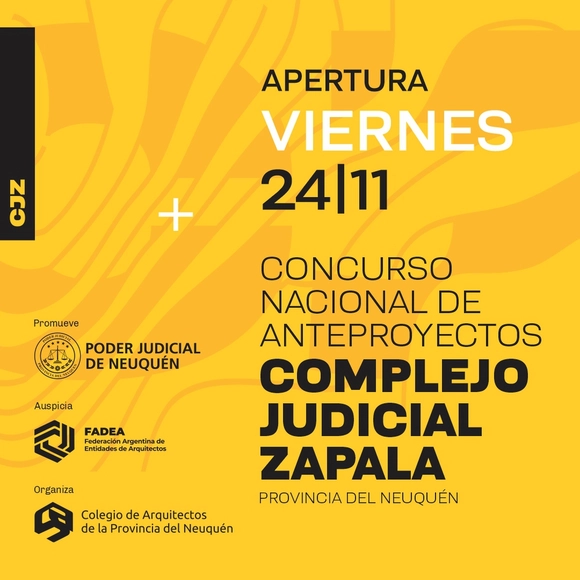
The National Preliminary Design Competition for the design of the Neuquén Province Judicial Complex in the city of Zapala is now open.
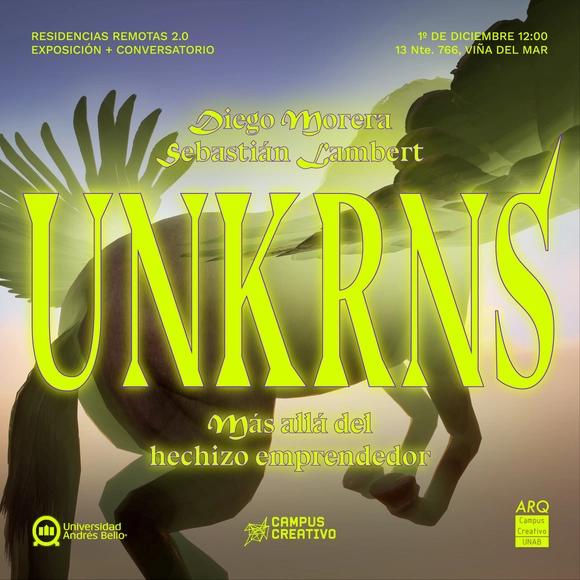
Remote Residencies is an initiative emerging from the Architecture program at Campus Creativo in collaboration with the Outreach department of the Universidad Andrés Bello. It is an [inter-trans-multi]disciplinary project that aims to open a discussion on contemporary topics based on a question and an image, which will be materialized as an installation at Galería Rocamar, located on the first floor of Campus Creativo in Viña del Mar, Chile.
As part of the 171st anniversary of the founding of San Javier de Loncomilla, the first Guide to Earthen Architecture in the Loncomilla Valley was presented on November 18, 2023, at the Colo Colo Social and Sports Club—an iconic adobe structure. The event brought together more than 150 residents from various sectors of the commune and the surrounding Maule region, including earthen construction practitioners and artisans, representatives of social organizations, neighborhood association members, architects, owners of raw earth properties, and children.

“Constructed Landscape”
Exhibition by Ana Durães and Luiz Dolino opens November 25 in Lisbon
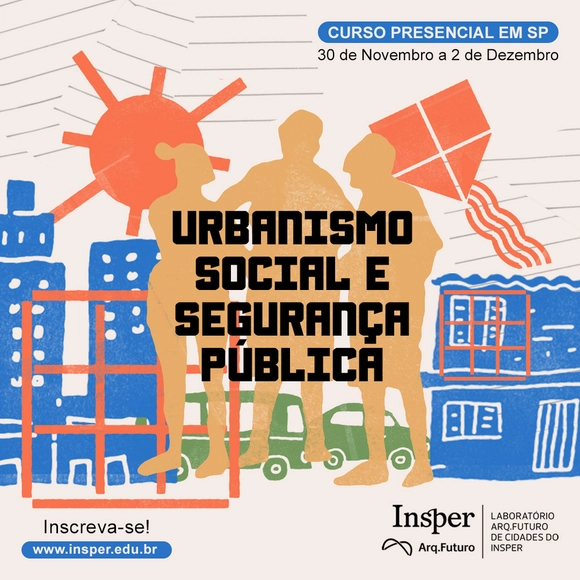
Arq.Futuro Cities Laboratory launches course on public security in Brazil