Gold Medal 2020 XIV Edition Italian Prize Sustainable Architecture / HOME*: Humanitarian and (un) Ordinary Machine for Emergency. Image Courtesy of International Prize for Sustainable Architecture
The Italian Prize for Sustainable Architecture is part of the International Prize for Sustainable Architecture, founded and promoted since 2003 by Fassa S.r.l. (registered holder of the trademark “Fassa Bortolo”) and the Department of Architecture of the University of Ferrara. The Prize aims to reward and promote valuable architectural projects that are environmentally conscious and sustainable, minimizing anthropogenic impact and improving the resilience of buildings and cities towards current and future natural events and climate change, including through the reuse of existing structures.
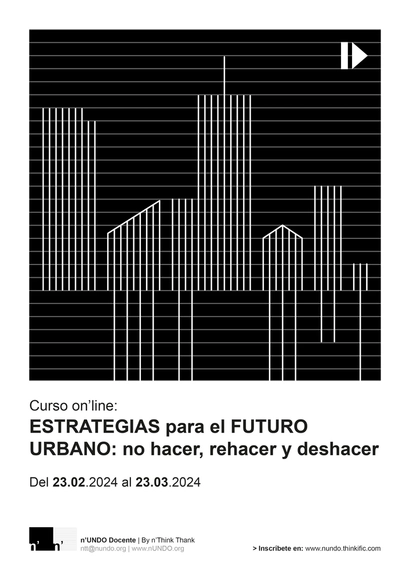
Designed for students and professionals in architecture and urban planning seeking alternative approaches to intervening in the city and the territory.
The Paradyż Designers Competition is an opportunity for architects, interior designers, and students studying in art- and architecture-related fields to envision and design modern spaces with large-format sintered stone. Now in its 3rd edition, this international competition includes a prize pool of €42,000, including a trip to the Salone Internazionale del Mobile Furniture Fair in Milan, and is judged by renowned members of the architecture and design fields.
As we confront the critical reality of climate change, the construction industry stands at a pivotal point. With the industry responsible for nearly 40% of global carbon emissions and substantial material waste, a shift towards sustainable practices is imperative. In the case of Europe, adherence to the Paris Agreement and the ambitious European Green Deal guide the sustainability trajectory. European cities, with their rich historical architectures blended with modern infrastructures, face unique challenges in sustainable urban development, making the integration of eco-friendly practices essential.
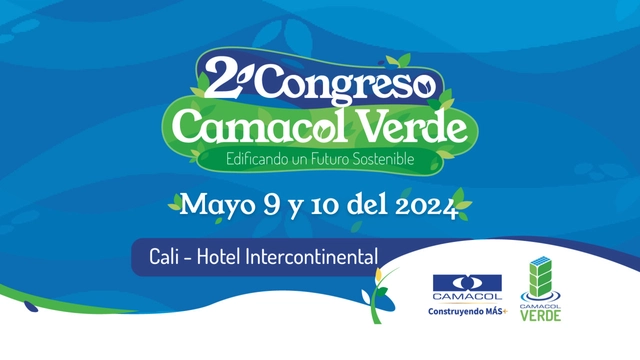
In 2024, we are hosting the second edition of the Camacol Verde Congress, a forum designed to update the sector on sustainable construction through insights from key figures in both the international and national environmental landscapes.
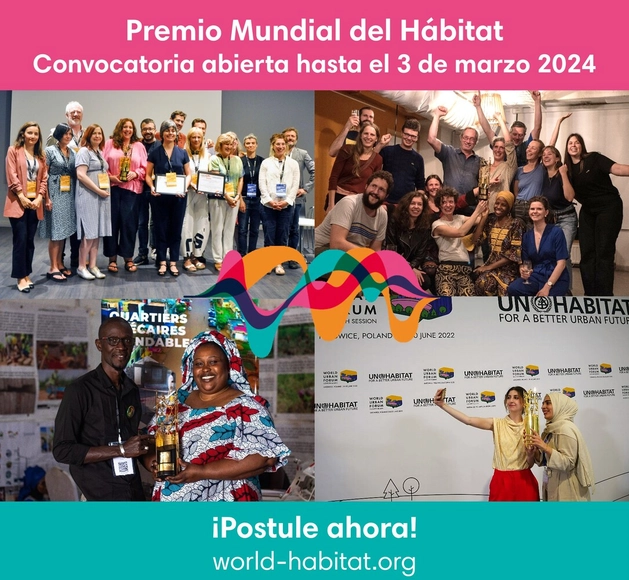
This annual competition, organized since 1986 by World Habitat in partnership with UN-Habitat, recognizes responses to global challenges in the field of housing and habitat.
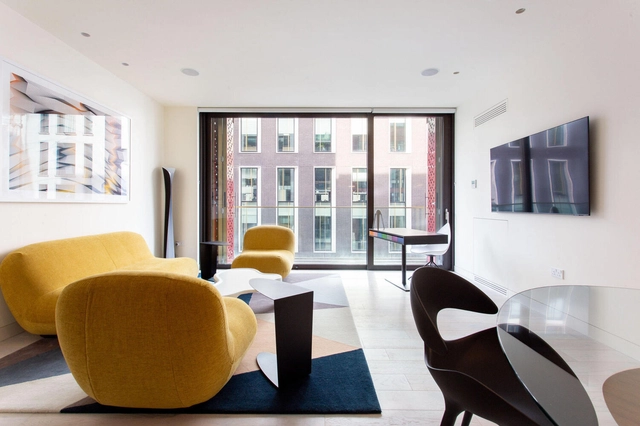
The living space of a brand-new timeshare apartment located in the centre of London, entirely designed and conceptualised by award-winning designer Karim Rashid. Image Courtesy of BoConcept
Contemporary and fresh, luminous and colorful, intriguing and surprising; the interior design of a newly finished apartment project in London speaks the visual language of its maker, award-winning designer Karim Rashid. Having spent the past four decades in the field of design and architecture, Rashid has manifested both his talent and approach with an always recognizable design DNA.
‘Design for a Radically Changing World’ brings to light the impact of design on our everyday lives and offers innovative ways that design can help address some of the world’s most pressing issues and urgent crises. From rethinking the future of work and the integration of live/work/play in our daily lives, to addressing climate change and revitalizing our urban cores, design can bring people together, elevate the human experience, and provide hope for the future. Reflecting on decades of design experience and offering unique case studies, Andy Cohen and Diane Hoskins, co-CEOs of Gensler, uncover the design solutions impacting our lives and offer actionable advice for business leaders, designers, and all people, to embrace the power of design to create a better world for all.
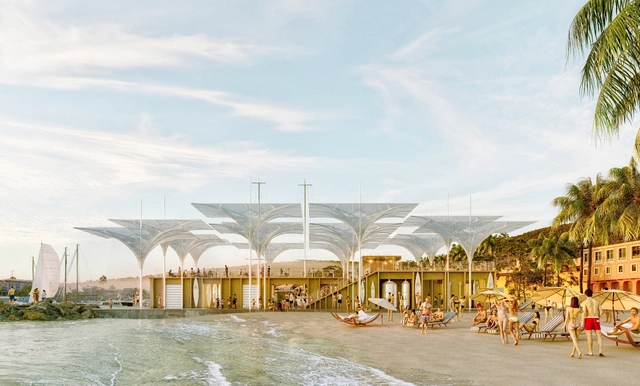
Organized by Monaco Marina Management, the Monaco Smart & Sustainable Marina Rendezvousaims to propose innovative solutions and encourage their application towards the development of virtuous marinas. This initiative stands out for connecting marinas, architects, innovators, yachting professionals, investors, officials and policymakers, to promote the development of eco-responsible, efficient and attractive marinas in the eco-transition drive underway for yachting destinations. For this third edition, a beach club design competition was launched, with the participation of 14 international professional studios and 51 students who presented a total of 43 projects to the jury members chaired by Jean-Michel Wilmotte from Wilmotte & Associés.
Bizarre Columns is a manifesto on columns that assert their prominence in an architecture of the strange, the exceptional, the bold, the daring... the bizarre.
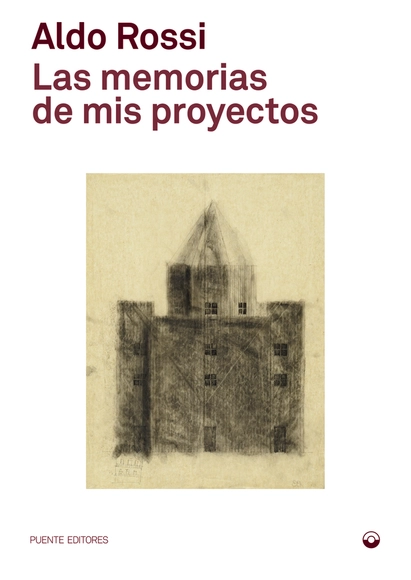
This book compiles the project memoirs that Aldo Rossi wrote throughout his professional career. For Rossi, writing these memoirs was an opportunity to shape reflections on a specific place, historical reality, or circumstance, employing a deeply personal narrative style imbued with the same communicative and emotional power found in his sketches and drawings. These writings offer a chance to discover the architect's thoughts on their projects and the paths taken when approaching them. As you leaf through these pages and examine the beautiful drawings—many of which are previously unpublished—it becomes possible to uncover new and unpredictable facets of the projects and works that defined Rossi's career.
Videos
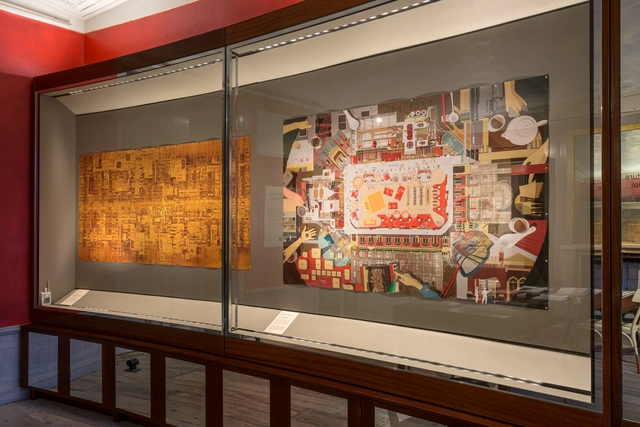
Photo by Gareth Gardner from The Architecture Drawing Prize exhibition in 2023
Currently in its seventh year, The Architecture Drawing Prize continues to celebrate the art of drawing in three categories: hand-drawn, digital and hybrid.
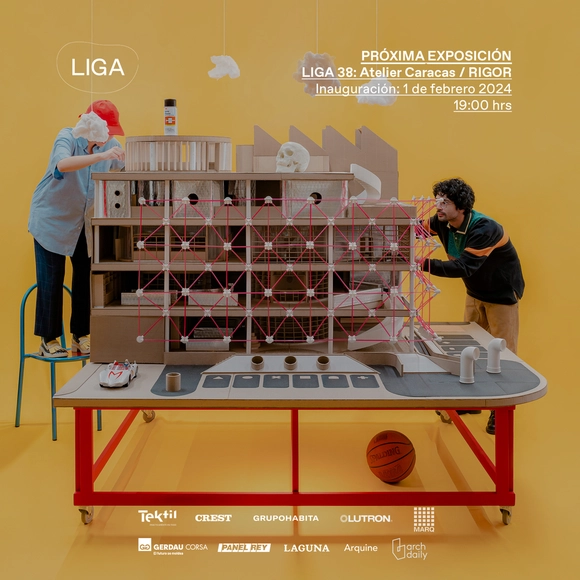
Atelier Caracas is an architecture and design studio founded in 2015 by Julio Kowalenko and Rodrigo Armas. Their practice spans architecture, design, sculpture, and scenography. The studio operates as an effervescent platform for formal, aesthetic, and cultural experimentation. Heavily influenced by pop culture and the ordinary, Atelier Caracas is dedicated to creating scenographically curated, intellectually provocative objects and spaces, saturated with symbolism and narrative.
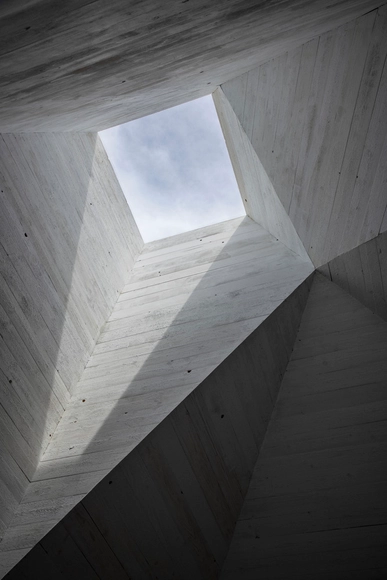
The International VELUX Award for Students of Architecture returns in 2024, offering students the opportunity to innovate the concept of daylight in the built environment. The award has grown considerably since its launch and attracts competitors from all around the world, spanning 800 schools, 130 countries and amassing over 6,000 projects to date. The total prize money amounts to 30,000 euros.
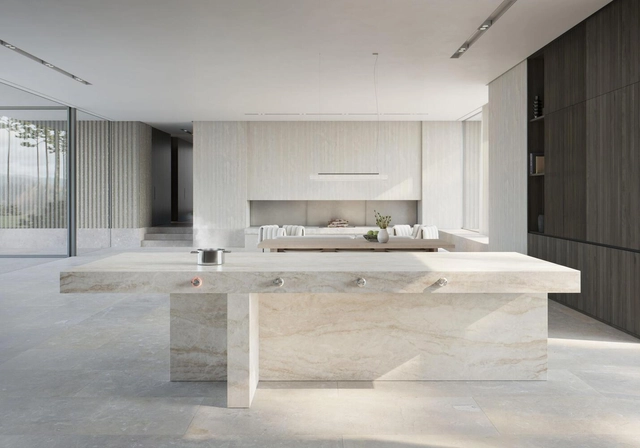
The new Essential Induction revolutionizes kitchen design with a hob that is all but invisibly integrated into a Dekton work surface, arming architects with total freedom of expression. Image Courtesy of Gaggenau
Gaggenau’s commitment to innovation and eye-soothing aesthetics in the kitchen is well known; its appliances aim to please the most demanding cook and meet the rigor of the dedicated minimalist. Its latest launch, however, turns the idea of appliance design on its head.
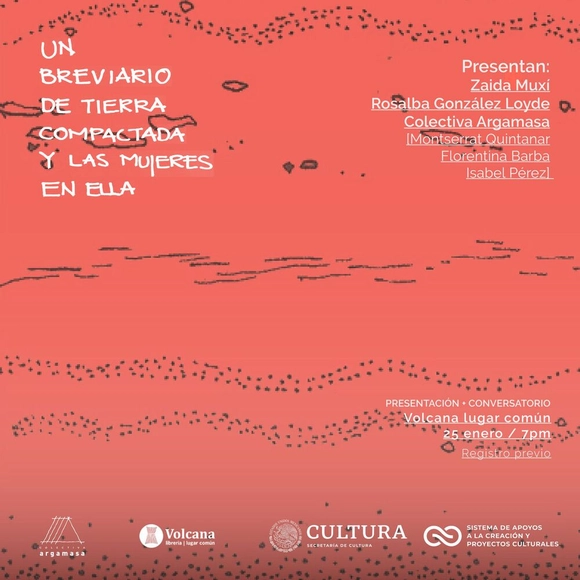
“A Compendium of Rammed Earth and the Women Within It” is an editorial publication that, from a feminist perspective, positions earth as a creative element that, as it interacts with the body, deepens the intimate relationship with a material that serves as both an enabler and a witness.
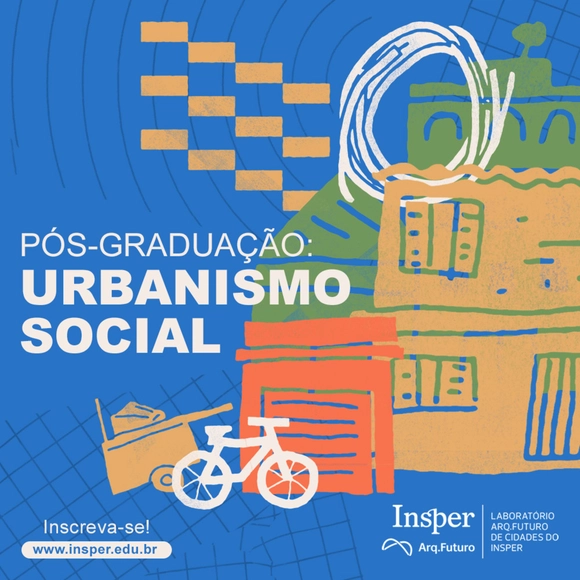
Credit: Insper / Arq.Futuro / Courtesy of the architects
The fourth cohort of the postgraduate program in Social Urbanism at the Insper Arq.Futuro Cities Lab will begin its activities with an inaugural lecture on January 31. Applications are open until January 29. The hybrid program will hold classes on Wednesdays, Thursdays, and Fridays from 9:00 a.m. to 6:00 p.m., and on Saturdays from 8:00 a.m. to 5:00 p.m. Classes take place one week per month (with the exception of February, when they will be held during the first and last weeks).