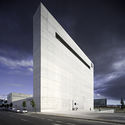
It's hard to forget the impact of economic crises on architecture; however, artist Jorge Isla reminds us with his series of photographs capturing the iconic High Performance Sports Center in the Balneario de Panticosa in Spain designed by architect Álvaro Siza. Construction on the site began at the start of the 21st century, but, due to heavy snows and Spain's financial upheaval, was abandoned shortly after.
Coming soon. Visions from the minimum territory ("Próximamente") is the title of the Uruguay Pavilion at the Venice Biennale 2021, which will take place between May 22 and November 21, 2021.
A sneak peak of Uncertainty, the highlight of the Spanish Pavilion at the 2021 Biennale of Venice taking place from May 22 to November 21 of this year.
“Playground, Artifacts for Interaction” by Felipe Ferrer will be featured in the Peru Pavilion in the 2021 Venice Biennale of Architecture. The project was the winner of the Curatorial Competition held by The Cultural Patronage of Peru that aimed to highlight how fences and gates shape our understanding of public spaces.
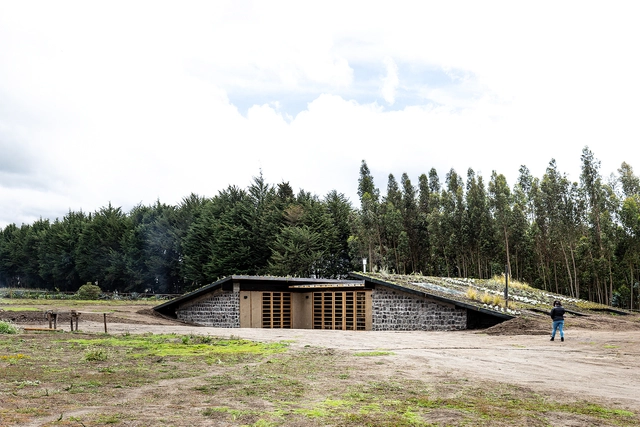
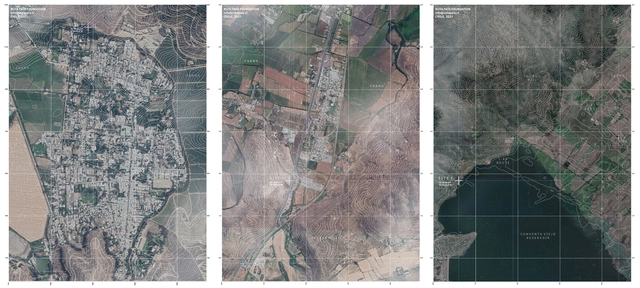
The Chilean organization Ruta Pais Foundation has invited international architects and local artisans to design a series of architectural interventions in order to create 3 artisan routes in the Chilean Central Valley: Wicker Route in Chimbarongo, Clay Route in Pomaire, and Stone Route in Pelequén.
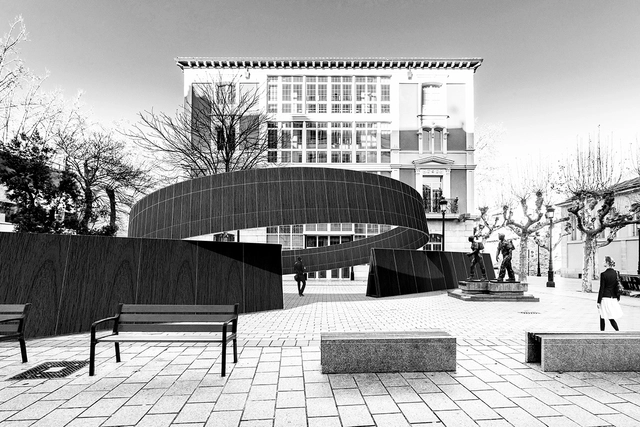
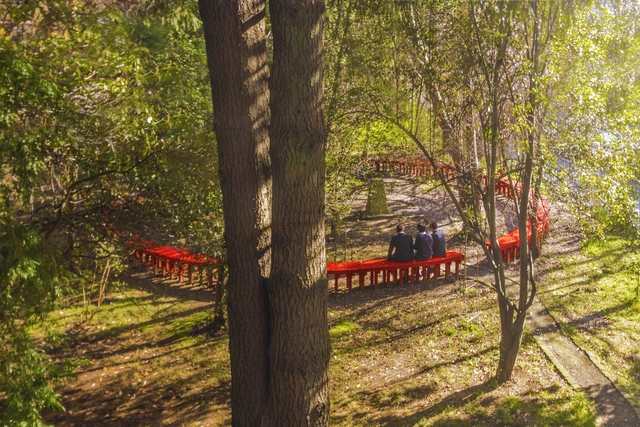
Concéntrico, Logroño's International Architecture and Design Festival, has announced the winning proposals for their three open competitions in three locations in the historic center of Logroño, in Spain.
This edition of the competitions sought to create a Pavilion in the Plaza de Escuelas Trevijano and two interventions, one in the River Ebro walk and the other in Viña Lanciano by Bodegas LAN.
We sat down with Azócar and Catrón to discuss their current interests and motivations, their collaborative processes, their career trajectory, their upcoming projects, and their predictions about the future of architecture in their native Chile.
Case Study House 22. Image via Flickr user: mbtrama Licensed under CC BY 2.0
Between 1945 and 1966, the Case Study Houses program, following the Weißenhof-siedlung exposition, commissioned a study of economic, easy-to-build houses. The study included the creation of 36 prototypes that were to be built leading up to post-war residential development. The initiative by John Entenza, editor of Arts & Architecture magazine, brought a team to Los Angeles that featured some of the biggest names in architecture at the time, including Richard Neutra, Charles & Ray Eames, Pierre Koenig, and Eero Saarinen, among others.
The program's experiment not only defined the modern home and set it apart from its predecessors, but it also pioneered new construction materials and methods in residential development that continue to influence international architecture to this day. Take a detailed look at some of the program's most emblematic work together with recommendations for facing contemporary challenges.
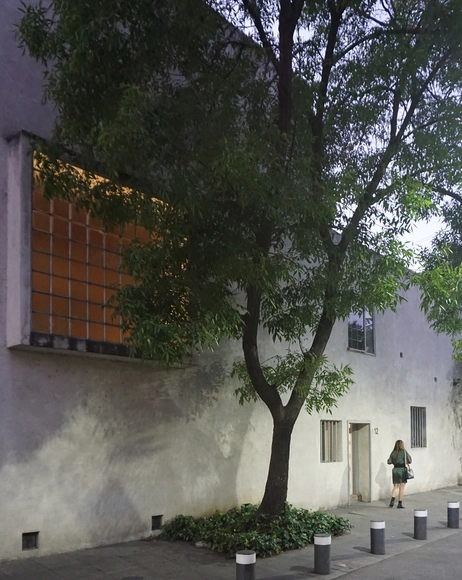
On March 9, what would have been Luis Barragán's 119th birthday, we commemorate Mexico's most celebrated architect and discuss his winning of the 1980 Pritzker Prize.
In many cases, I haven't been able to decide whether a building full of trees fits into the "sustainable" category. In fact, I've often had to make the argument that such a building is far from it.
It seems that the vast majority of contemporary marketing for sustainable architecture operates under the guise of greenwashing. What's more, the line between what truly creates healthier and more sustainable living spaces and what doesn't is often a blurred one.
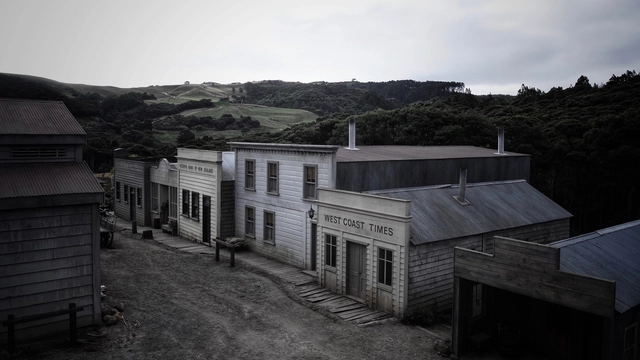
Production designer Felicity Abbott is behind the great staging of The Luminaries, a mini-series that takes place in New Zealand during the 1860s West Coast Gold Rush. In the below interview, she tells us her thoughts on the connection between films and architecture, addressing her work process and the main challenges on this set.
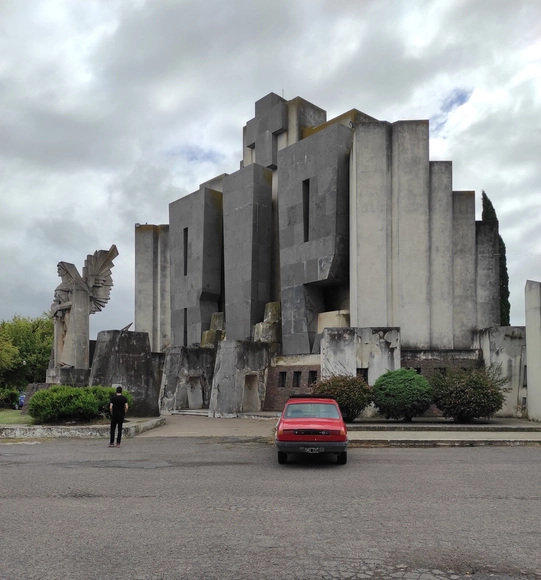
In only a few years, Italian-Argentine architect and engineer Francisco Salamone developed more than 60 buildings throughout the small towns of Buenos Aires Province as a part of the conservative government's push to develop the province's municipal buildings.
This year's Biennial of Latin American Architecture (BAL 2021) has chosen the top emerging works of architecture in Latin America, which will be presented during the second installment of the event in September 2021 in Pamplona, Spain.
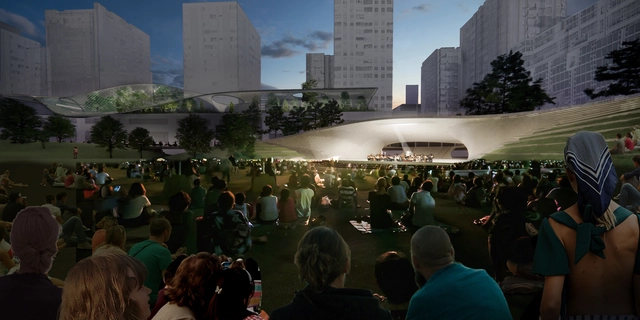
Acoustic Shell for Events at the Central Green from East. Image Cortesía de Equipo de Diseño
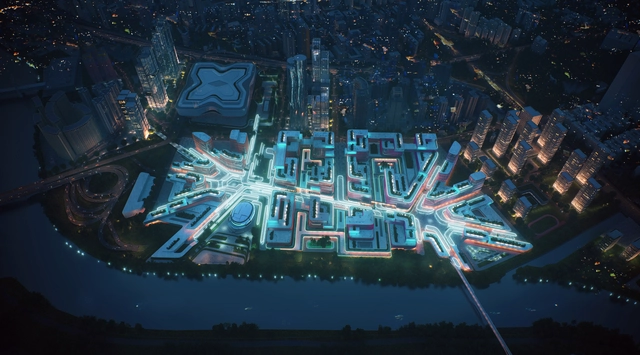
A design team comprised by Diller Scofidio + Renfro, Gustafson Bowman + Porter y B720 Fermín Vázquez Arquitectos has been chosen to lead the transformation of Madrid’s AZCA district.
From climate crisis to How Will We Live Together, as we face the current and accentuated global challenges many of our ideas about the cities of tomorrow are changing. So how will the city of the future be?
via Wikipedia user: EstudioACB. Licensed under CC BY-SA 3.0
Alberto Campo Baeza has added another recognition to his already impressive repertoire as the 2020 winner of Spain's National Prize in Architecture, an award bestowed by the country's Ministry of Transportation, Mobility, and Urban Planning in recognition of the winner's professional as well as academic contributions to architecture.
ELEMENTAL presents a sneak peek of its contribution to "How will we live together?" at the Venice Architecture Biennale 2021. Recently, violence has increased in the historical Mapuche-Chilean conflict, that is why the architectural office proposed to build places that recover the old tradition of parleys, spaces to meet in order to settle differences and discuss terms for an armistice.


.jpg?1553197408&format=webp&width=640&height=580)