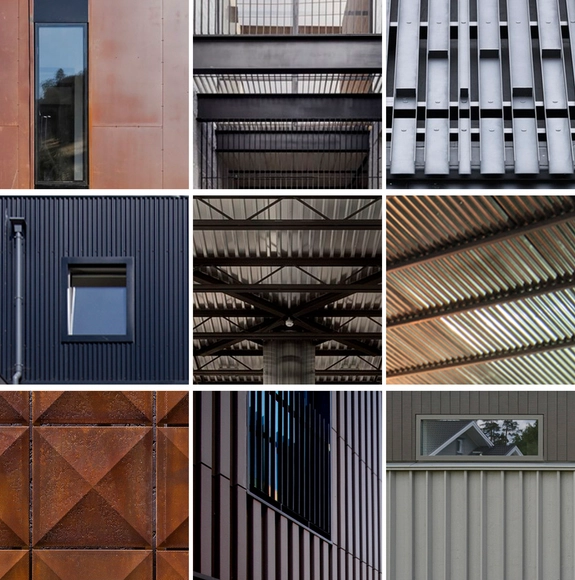
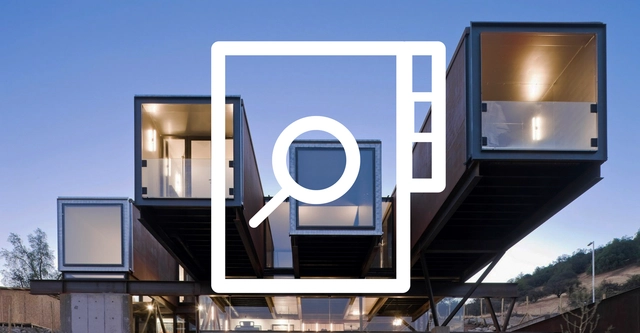
The use of steel in both the past and present is mainly associated with the success of grand industrial and civic structures. But due to the commercialization and standardization of steel profiles, its use in residential projects (thanks to its mechanical properties and fast installation) has resulted in complex and interesting solutions on a domestic scale.
Dive into these 15 construction details from residential projects that have made use of steel structures and cladding.
Sala Beckett: Definición del vestíbulo central. Image Cortesía de Flores & Prats
When we approached the Flores & Prats firm, we wanted to focus on their precise drawing just as much as their detailed mock-ups. We wanted to see a project that not only "values the time invested and accumulated in it but also sees said time as a virtue and not a defect;" an indication of paying attention to the process as well as the unexpected. (In this sense, it reminds me of reading about how to draw a forest, among other things, in "Las tardes de dibujo en el estudio Miralles & Pinós").
We conducted a long-distance interview with the Eva Prats and Ricardo Flores studio for this reason; to get a better idea of their thoughts on the impact of drawing on architectural representation.Their input makes clear the "why" of their decisions, and explains not only how they operate in a contemporary context but also indicates their relationship with construction among other disciplines.
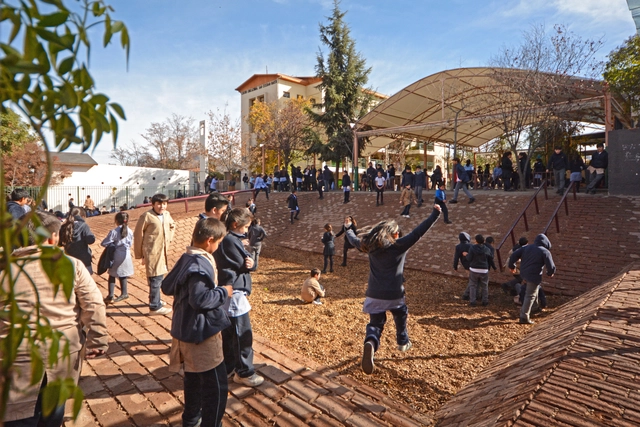
The Patio Vivo Foundation seeks to promote active free play, positive and healthy relationships, wellbeing and contact with nature by articulating space, community and the culture of kindergarten and school playgrounds. In the following article, they describe their working methodology in their own words.
What does the home mean to each Chilean? Pablo Brugnoli, Francisco Díaz, and Amarí Peliowski present 'Chilean House. Domestic Images' at the Centro Cultural Palacio de la Moneda in Santiago, Chile. The exhibition features over 100 examples exploring the various ways of inhabiting the country.
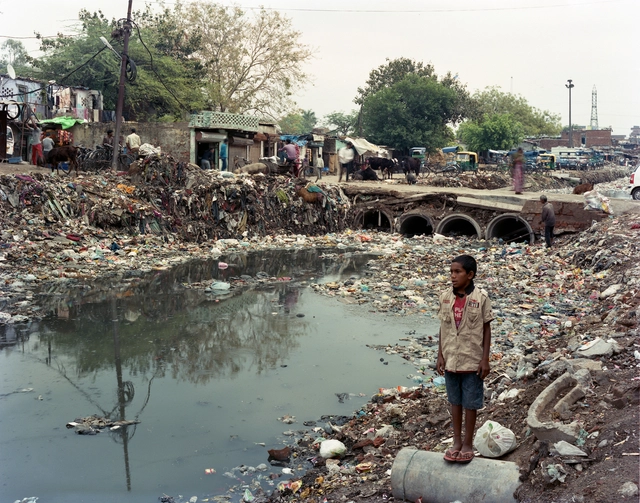
Iñaki Alday is the current dean of the School of Architecture of Tulane (New Orleans). Founder of Alday Jover arquitectura y paisaje, he also offers advice to the United Nations as an expert on the urban planning of rivers and deltas. In this context, he is a noted co-founder of the ‘Yamuna River Project’, a university research project for the recovery of the Yamuna River in New Delhi - one of the most polluted in the world.
Below, we talk with Iñaki Alday about innovations in cities related to the climate emergency, with questions that approach the urgency of research and how universities should prepare students to face the global challenge.
Architect Cristián Boza Díaz, known for designing the Parque Fluvial de la Familia, the Centro de la Justicia, and the Universidad San Sebastián in Santiago, Chile, passed away today at the age of 76 following a liver disease that afflicted him in his final years.
Peripheria Films shares a documentary that explores "the exploitation of territory, the private occupation of public space, the representation and construction of identity through postcards and souvenirs, the conversion of architectural heritage into a product and the city into a brand, and the touristification of historic centers."
Mies van der Rohe Foundation together with Side Gallery presented "No Fear of Glass", an artistic intervention in the Mies van der Rohe Pavilion in Barcelona, Spain, developed by designer Sabine Marcelis.
Peripheria Films has shared with us their audiovisual piece developed for the exhibition "The Cathedral of Malaga, an Unfinished Symphony," curated by Juan Manuel Sánchez La Chica and Adolfo de la Torre (marinauno arquitectos).
The video traces the construction process of this unfinished building over time—a classic of Andalusian architecture in Spain.
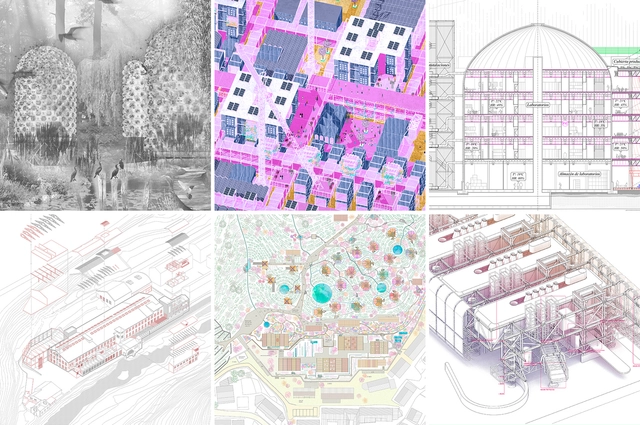
To showcase the valuable output of Spanish universities, we launched an open call in September, inviting our readers to submit their thesis projects. Following a comprehensive evaluation of nearly 50 proposals, we selected 6 projects that not only offer innovative responses and deep research into complex, contemporary issues but also challenge and question the future of architecture.
Throughout history, simple structures have constituted one of the most common forms of human expression. Small-scale housing, shelters, and viewpoints have been shaped by myriad materials that effectively created - depending on the techniques used - different forms of response to the same need.
Here is a compilation of 20 small-scale projects that stand out due to their small size and their simple, practical structures.
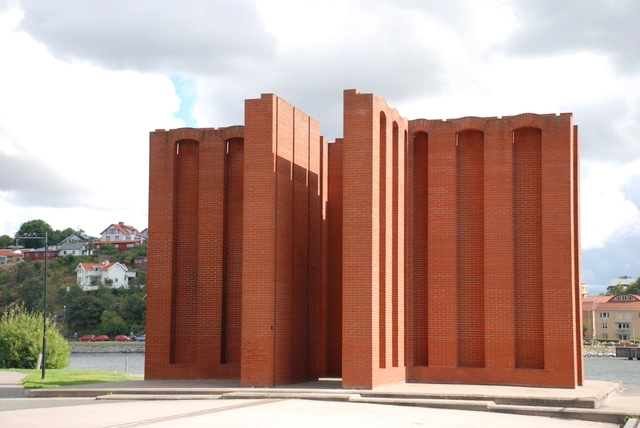
The interview Per Kirkeby: "We Build Upon Ruins" published on Louisiana Channel not only showcases the colorful canvases of the Danish painter, sculptor, filmmaker, and writer, but also his own reflections on the importance of surroundings that "give us so much baggage." It's this very idea that Kirkeby brings to his brick sculpture displays, where something simple and sometimes useful puts aside inaccessible conceptualism to pay homage to the surroundings rather than the sculptures themselves.
Global South, resilience, buildtech, and new materials: as 2019 comes to a close, we look back on a year rich in research and reflection, approaching architecture from different perspectives to support the millions of readers worldwide who visit ArchDaily every day.
Aiming to offer inspiration, knowledge, and tools, we have published hundreds of articles on topics as diverse as your views on the built environment. With this in mind, read on for our selection of the year. Goodbye 2019, hello 2020!