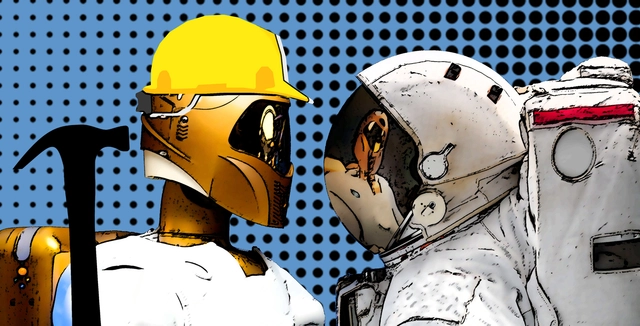
La Parleta is a project by the Ecuadorian architecture and construction collective EseColectivo, which gathers "highly valuable reflections, anecdotes, and experiences surrounding the profession." Below, we share some of their thoughts alongside their fourth episode, "Post-Apocalyptic Architecture."
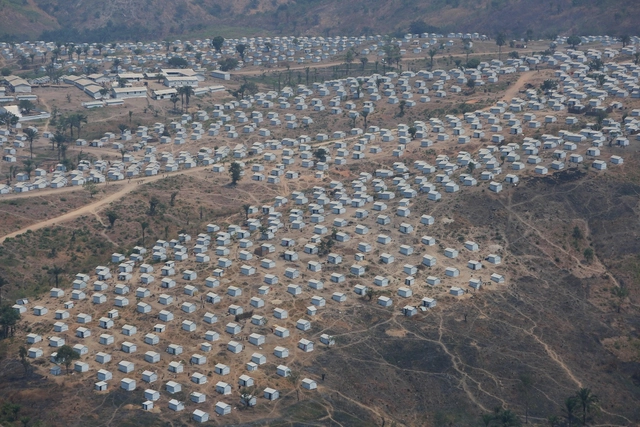
Flickr user: MONUSCO Photos Licensed under CC BY-SA 2.0. ImageAerial view of the refugee camp in Burundi
Floods, earthquakes, tsunamis, hurricanes, war, economic and social conflicts, pandemics. The number of refugees in the world is setting records year after year. Immediate and temporary solutions, produced in batches in response to crises, mark the difference between doing what is possible and doing what should be done, always doing a lot with what's at hand. But how temporary is emergency architecture? Is it more permanent than we think?
We want to offer our readers the possibility to openly express their opinions and experience on the matter. If we were aware of the difficulty of coping with major losses, that result in the temporary becoming "permanent", would it change the way we design emergency architecture? Would we demand a higher quality emergency architecture? Would we propose other types of solutions?
We invite our readers to fill out the following form and share their ideas on this topic -- the opinions will be collected and processed by our team to form a future article.
The 2020 FAD Awards, one of the most prestigious architecture accolades on the Iberian Peninsula, has announced the finalist projects for its latest edition.
To showcase Uruguay's valuable academic output, we launched an open call inviting readers in the country to submit their final thesis projects.
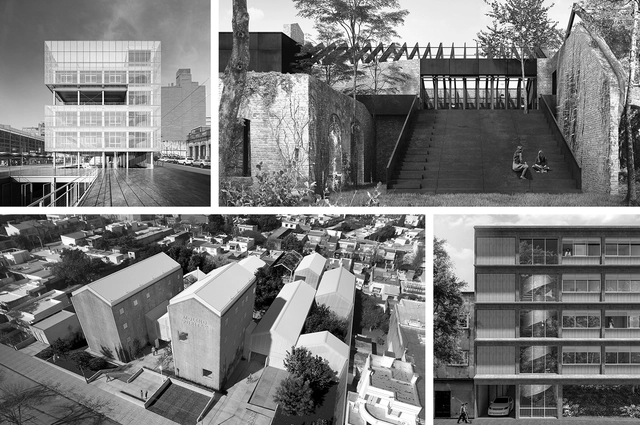
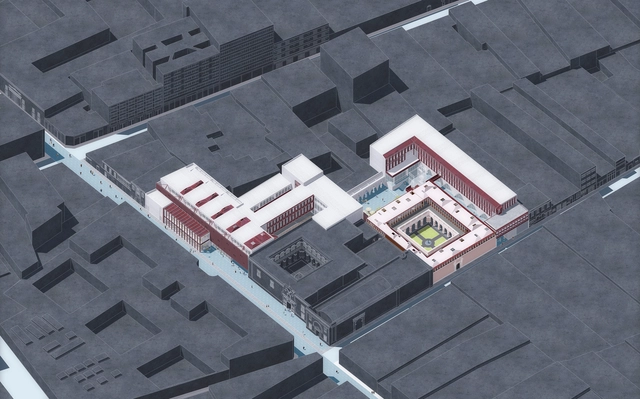
Out of a total of 65 submissions, the editorial team—comprising Fabian Dejtiar (Managing Editor of ArchDaily en Español); Mónica Arellano (Editor, ArchDaily México); Santiago Baraya (Editor, ArchDaily Colombia); and Belén Maiztegui (Editor, ArchDaily Argentina)—selected six. The highlighted projects are those that addressed specific challenges, their chosen form, and their representation through critical, austere, and efficient thinking. We valued proposals that not only delivered the best possible architecture through a simple design suited to its context, program, and users, but also paid close attention to human scale, mediation, and new ways of approaching architecture in cities.
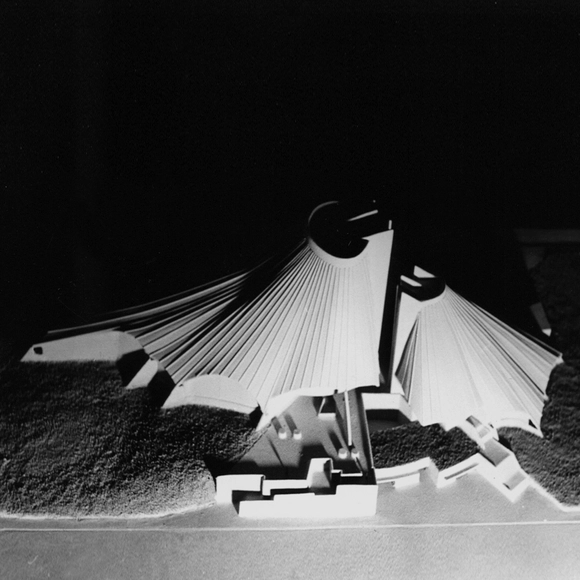
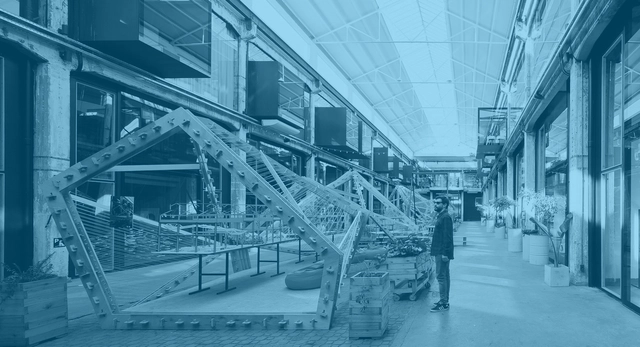
Nearly sixty years ago, Flora Manteola, Javier Sánchez Gómez, Justo Solsona, Carlos Libedinsky, and Antonio Diaz envisioned a building with a capacity of 3,000,000 books and 500,000 magazines and newspapers for the National Library of Argentina preliminary design competition. Their proposal for a "large metal tent" would ultimately take second place to the concrete glyptodont by Clorindo Testa, Bullrich, and Cazzaniga that stands today.
From its inception, the proposal "prompted sensitivity toward new formal and structural directions," as noted in the jury's critique. In 2015, this design was featured in the exhibition Latin America in Construction, and today its original model and blueprints are in the official collection of the Museum of Modern Art (MoMA) in New York.
Below, we revisit the project through the words of Justo Solsona:
“Architects, not Architecture” has decided to open its archive to help us navigate the global lockdown, serving as a source of inspiration and entertainment for the architectural community. It features a selection of the best talks from their 35 past events, previously unreleased to the public—including Tatiana Bilbao, Peter Cook, Richard Rogers, Massimiliano Fuksas, Kim Herforth Nielsen, Ben van Berkel, Anupama Kundoo, Sadie Morgan, Dan Stubbergaard, Manuelle Gautrand, and Kjetil Thorsen.
Each week, ArchDaily will share one of the full talks that “Architects, not Architecture” is publishing daily on its website as part of its "new event": Home Edition 2020 (www.architectsnotarchitecture.com).
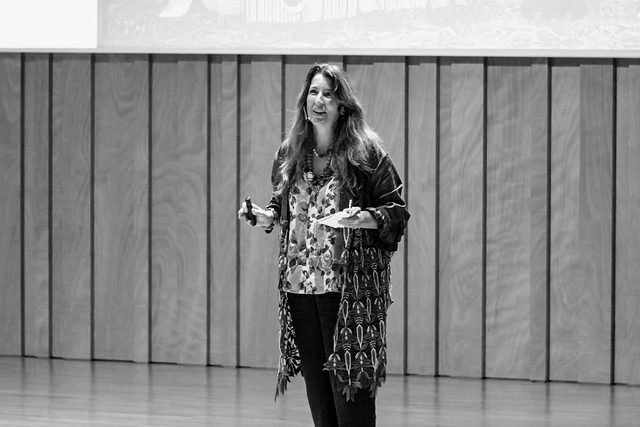
As an exclusive, Plataforma Arquitectura is presenting one of the talks in Spanish. Below is the presentation by architect Benedetta Tagliabue.
Academic architectural production in Uruguay is vast and valuable; therefore, we believe it is necessary to launch an open call to showcase the best final degree projects that have emerged from it.
Academic proposals can be true intellectual and critical works. The goal of this open call is to ensure they do not remain stored away, gathering dust on shelves, losing their opportunity to generate real change in our cities and in the way we inhabit and think.
If you believe your 2019 final degree project is compelling enough to be published on our site and that your hard work deserves recognition from the wider community, do not hesitate to submit it using the form at the end of this article.
Adamo Faidencontinues to capture widespread interest, not only for their multifaceted and passionate approaches to contemporary architecture, which consistently extend into the fields of teaching and research. Their building Bonpland 2169 in Argentina was selected by our jury of experts—meaning you, the readers—as one of the winners of the 2020 Building of the Year award.
On this occasion, we spoke with Marcelo Faiden for an in-depth conversation about the role of everyday buildings in transforming our environment, current shifts in how we live and inhabit, the purpose of practicing and teaching architecture today, and future projections for the discipline.
ArchDaily has created a list of best articles that address all the tips and recommendations you need to know about materials, construction, design, education, work (and life).
To showcase the valuable work emerging from Peruvian universities, we held the second edition of our open call for students, inviting them to submit their graduation projects completed in 2019.
When I look at the architecture of Guillermo Acuña, I am quickly reminded of those well-known Chilean wooden houses scattered across the territory—those that mark distant points on the hills and gently blur the edges of the coastline, those that rise lightly and blend with nature, teaching us about material honesty and a connection to the landscape. Those that remind us of where we come from and of what humans create.
This is why we reached out to the office of GAAA for a brief interview, to hear the story behind their inspirations, purposes, explorations, and future vision.
The architectural output from Peruvian universities is vast and valuable; therefore, we believe it is necessary to launch an open call to showcase the best final degree projects produced by these institutions.
Academic proposals can be true intellectual and critical works. The goal of this open call is to ensure they do not remain hidden, gathering dust on shelves, and losing the opportunity to generate real change in our cities and in how we inhabit and think about our spaces.
Students from the Barcelona School of Architecture are organizing a live-streamed architecture lecture series, featuring both local and international guests, to reflect on quarantine, confinement, freedom, repression, and viruses.
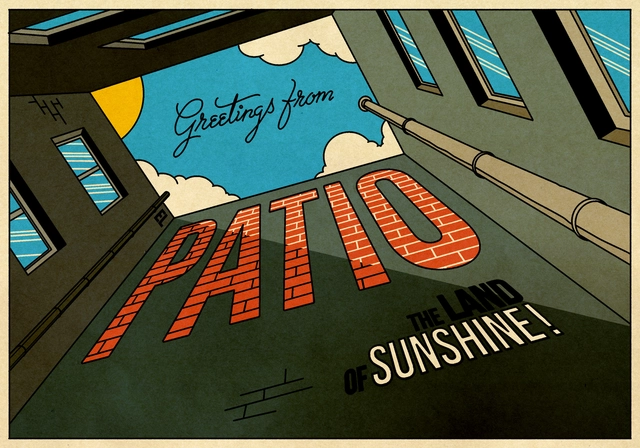
Postcards from Quarantine is a series of illustrations by Alvaro Palma y Alvaro Bernis inspired by touristic postcards that analyze the purpose of travelling and the desire to share the experience--a topic that has been brought to the forefront in times of quarantine during the COVID-19 outbreak.
Last week we announced the 15 finalist projects for the Building of the Year 2020 award (Obra del Año), which since 2008 has celebrated the best built architecture in Latin America and Spain, calling on our expert jury—that is, you, the readers—to choose your favorite completed buildings.
Today, the day has come to announce the winners of ODA2020.
For nations worldwide, the course of action to fight the spread and effects of coronavirus COVID-19 has been to implement quarantines; restricting the movement of the general population while isolating people infected by the disease, albeit indefinitely. The result: both public and private spaces have closed in a bid to curb the number of new cases. At the same time, the rising number of deaths has added to both social and economic uncertainty, with people across the globe asking "how are we going to work?" or, better yet, "how are we supposed to eat?"