“Where the city ends should not be the question,” Alejandro Aravena has repeatedly stated in various lectures, “where it begins is the question we should try to understand.” In many Latin American countries, the concentration of wealth in urban environments has led to the explosion of cities and “metropolitan areas,” giving rise to complex challenges.
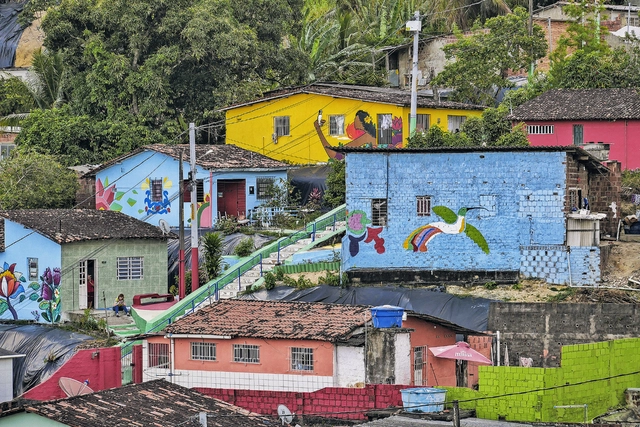
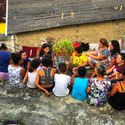
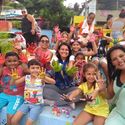
Mais Vida nos Morros is a public policy for citizenship and sustainable development in Recife's communities, conceived by the Executive Secretariat for Urban Innovation of the City of Recife. In partnership with the private sector, the program already serves residents across 49 areas in 27 communities in Recife, directly benefiting 25,000 people. Lagoa Encantada is one of the chapters in this story, shaped by a model of social cooperation.
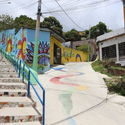
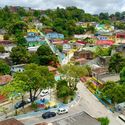
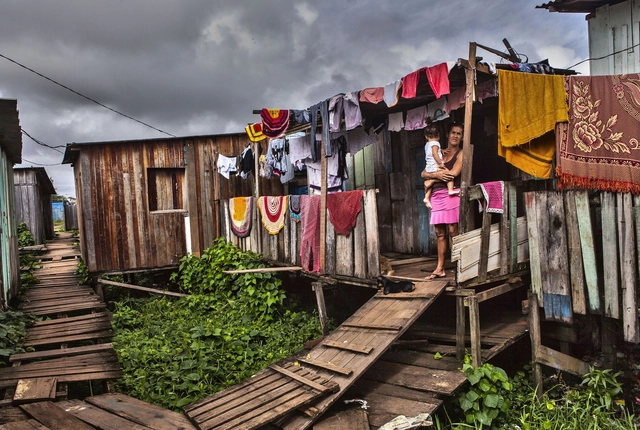
Located in the Ibura neighborhood of Recife, Pernambuco, Lagoa Encantada developed across both flatlands and hillsides. The area's topography directly impacted its urban conditions: while the flatlands enjoyed leisure spaces and infrastructure, the hillside lacked these amenities. This contrast directly influenced how residents interacted with one another and with their territory, serving as the starting point for the intervention process.
Given its diverse climate and geography, Mexico's wine production has steadily gained recognition in states such as Aguascalientes, Baja California, Baja California Sur, Chihuahua, Coahuila, Durango, Guanajuato, Nuevo León, Puebla, Querétaro, Sonora, and Zacatecas. In these regions, vineyards are increasingly in the spotlight, alongside wine festivals and curated experiences that offer visitors an immersive look into the various stages of production.
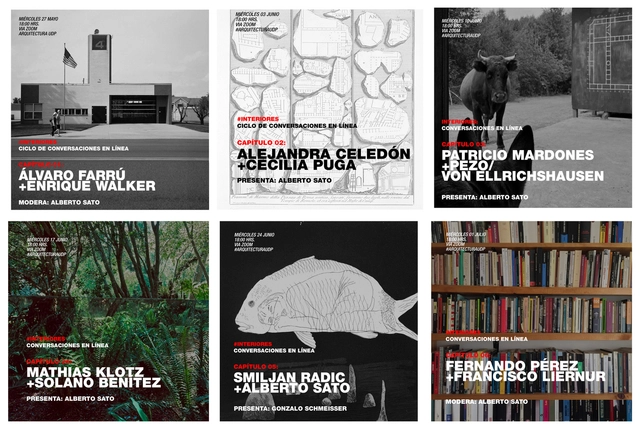
“Interiores: Conversaciones en línea” is the title of the series of virtual encounters organized by the Faculty of Architecture, Art, and Design at Universidad Diego Portales (UDP). In this first season, Professor Alberto Sato hosts meetings between renowned architects, including Álvaro Farrú and Enrique Walker, Alejandra Celedón with Cecilia Puga; Mardones with Pezo von Ellrichshausen; Solano Benítez with Mathias Klotz; Smiljan Radic with Alberto Sato; and Fernando Perez with Francisco Liernur.
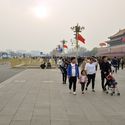
From my hotel room, it was possible to see the roofs of the Forbidden City, though only as a faint shape through the haze blanketing the landscape. Beijing (or Peking, depending on the language or spelling) is one of the most polluted cities in the world, covered by a constant smog produced not only by automobiles—which account for 70% of the city's air pollution—but also by factories, coal-fired power plants, and sandstorms from neighboring regions. It looked like a cloudy day, but in reality, there was not a single cloud in the sky.
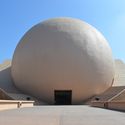
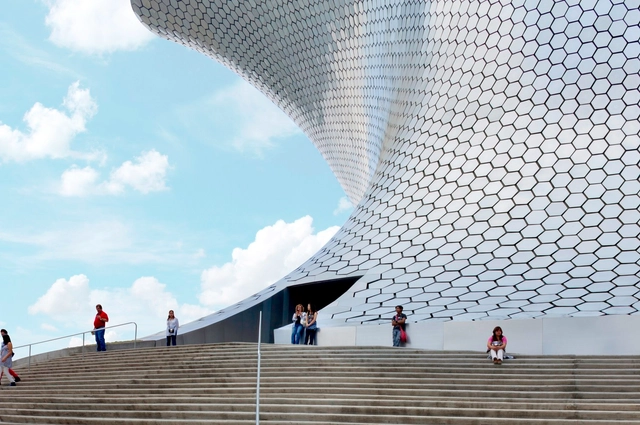
Soumaya Museum / FR-EE / Fernando Romero Enterprise. Image
While virtual reality is not a new tool, its adoption across various industries has been gradual. In the architecture and cultural sectors, virtual tours have become increasingly common, offering a much broader perspective of spaces and—in the case of art—their relationship with the exhibited works. Various efforts have been made to promote this spatial mapping, closing the gap between cities, countries, and continents. A prime example is the Google Arts & Culture project, which features a library of 4,500 institutions that can be explored virtually.
On June 17, Mexico's Supreme Court of Justice of the Nation (SCJN) issued a landmark ruling ordering the National Institute of Statistics and Geography (INEGI) to generate disaggregated statistical data on populations in informal or precarious settlements across the country. This resolution brings to the forefront the discussion on the role that judges can and should play when making decisions that directly impact urban planning, land management, our cities, and our housing.
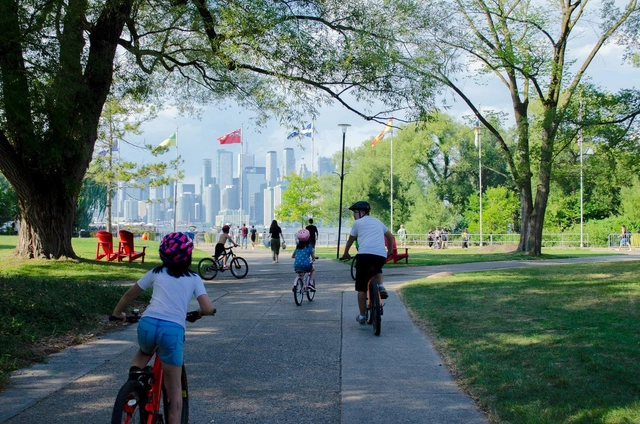
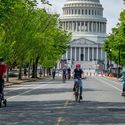
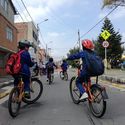
Children are often overlooked or entirely deprioritized in urban planning. Globally, it is estimated that up to 500 children die every day in traffic accidents. Thousands of others are injured in collisions or develop psychological trauma that can last for years. Whether on the streets or in public spaces, feelings of insecurity or discomfort discourage children from physical activity outdoors—at a time when 80% of children between the ages of 11 and 17 are not physically active, and another 38 million under the age of five are overweight or obese.
https://www.archdaily.com/1123822/how-to-design-safer-and-healthier-urban-spaces-for-childrenNikita Luke, Rohit Tak, Ariadne Samios e Claudia Adriazola-Steil
As the philosopher Byung-Chul Han states: every age has its signature afflictions. These illnesses have represented some of the most significant challenges in human history, bringing drastic changes not only to the healthcare sector but also to economic and political spheres, revealing humanity as a complex network negotiating its daily existence through actions that have reshaped our ways of living and relating to one another.
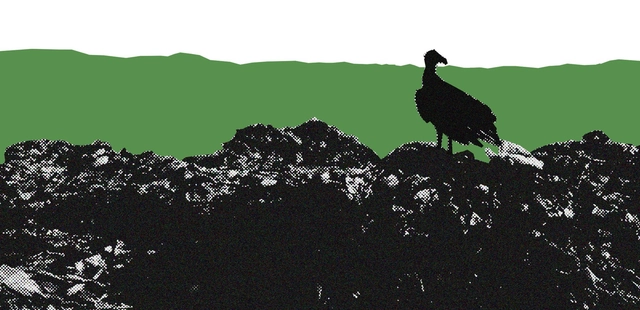
On World Environment Day, we ask you: Do you know where your household "trash" goes? How do cities deal with the tons of materials discarded daily? Should everything you throw "away" be wasted by being sent to landfills?
The coronavirus crisis has shown us that certain attitudes, policies, and practices must be abandoned if we want a different future—both socially and environmentally. However, this responsibility is not solely individual. To discuss the future of waste in cities, we must shed light on the thread of recent history: the formulation of the National Solid Waste Policy (PNRS), approved in 2010, and the challenges of its implementation.
Eric Coufal Impartiendo Dibujo. Aparecen de izq. a der. Alejandro Zohn, Alfonso Jaubert, Carlos Guillermo Orozco, André Bellón, Humberto Macías y Job Henández Dávila. Fotografía: Libro. La fundación de un sueño. Image Cortesía de coolhuntermx
This article is part of a collaboration with the website coolhuntermx, and was originally published under the title "La Bauhaus Tapatía."
"A sort of Bauhaus" is how Mathias Goeritz, in short, tried to convince Italian architect and theorist Alberto Sartoris to come to Mexico. In 1950, through letters, he invited him to teach at the very project that had drawn Goeritz in and excited him so much: the first School of Architecture of Guadalajara, founded in 1948 by Ignacio Díaz Morales.
Rarely do we encounter an open-air fine arts museum like the Garden of Fine Arts, designed by Tadao Ando in 1994 for the city of Kyoto, Japan. Reproductions at various scales of renowned masterpieces appear among concrete columns, beams, and walls, along with ramps and glass bridges, interacting with cascading waterfalls and the background vegetation from the adjacent Botanical Gardens.
Pancho Gallardo, the Chilean architectural photographer now based in Madrid, has long admired the Japanese architect's work, particularly for, as he explains, "the use of concrete as an element that creates spaces, textures, angles, and shadows which, above all, in spaces like this open-air museum, establish a direct relationship with sunlight, where every corner becomes a dramatic composition of visual angles."
Below, he shares a series of photographs taken on-site, accompanied by more of his thoughts.
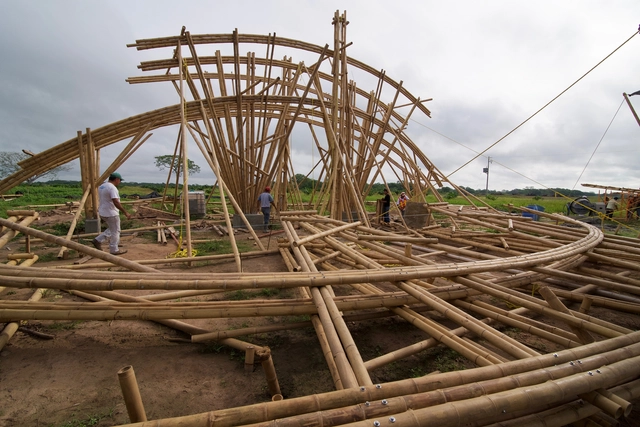
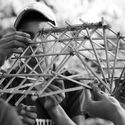
Bamboo is a building material that has been used since antiquity in various structures, demonstrating its superiority over modern materials like plastic and steel due to its myriad benefits—not to mention an incomparable aesthetic appeal that has positioned it as one of today's leading architectural trends.
The Belo Monte Hydroelectric Power Plant, the fourth largest hydroelectric plant in the world and 100% Brazilian-owned, was inaugurated in November 2019 in the Xingu River basin, in northern Pará. The project, operated by the Norte Energia S.A. Consortium, was part of the PAC (Growth Acceleration Program)—a federal government initiative established in 2007 aimed at implementing large infrastructure projects to boost national development, mirroring past initiatives.
https://www.archdaily.com/1123774/belo-monte-hydroelectric-power-plant-the-deterritorialization-of-the-riverine-people-of-the-xingu-riverBruna Ribeiro Alves e Maytê Tosta Coelho
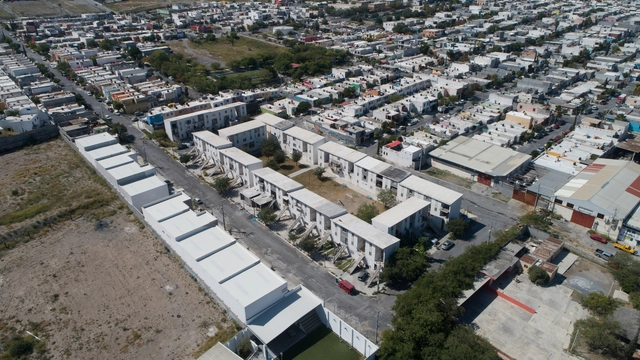
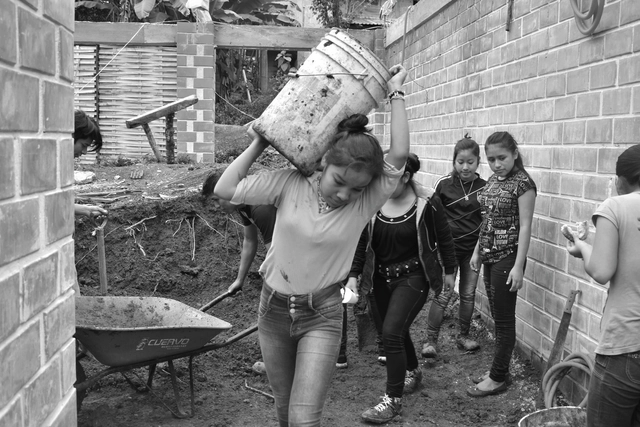
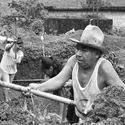
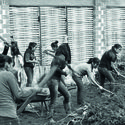
In light of recent statements by the Federal Government and the new programs announced by institutions involved in housing production in Mexico, we believe it is essential to open a dialogue and exchange ideas to better understand the concepts of self-construction, self-production, and the “Social Production and Management of Habitat” [SPMH], as well as the role of architecture in these social processes.
https://www.archdaily.com/1123823/the-role-of-architecture-in-self-construction-self-production-and-assisted-social-housing-productionMariana Ordoñez y Jesica Amescua
To showcase Uruguay's valuable academic output, we launched an open call inviting readers in the country to submit their final thesis projects.
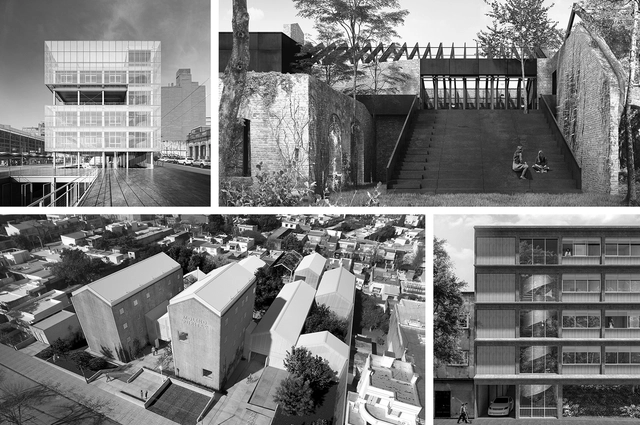
Out of a total of 65 submissions, the editorial team—comprising Fabian Dejtiar (Managing Editor of ArchDaily en Español); Mónica Arellano (Editor, ArchDaily México); Santiago Baraya (Editor, ArchDaily Colombia); and Belén Maiztegui (Editor, ArchDaily Argentina)—selected six. The highlighted projects are those that addressed specific challenges, their chosen form, and their representation through critical, austere, and efficient thinking. We valued proposals that not only delivered the best possible architecture through a simple design suited to its context, program, and users, but also paid close attention to human scale, mediation, and new ways of approaching architecture in cities.
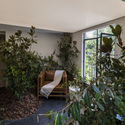
Countries with a predominantly tropical or equatorial climate, such as Brazil, allow homes to foster a more fluid relationship between the indoors and outdoors, with little to no need, across most of the country, for architectural features that restrict this connection to retain heat. In regions marked by warmer temperatures, integrating indoor and outdoor spaces is particularly beneficial, promoting greater natural ventilation and daylighting within the home, alongside its inherent aesthetic appeal.
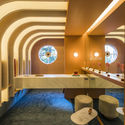
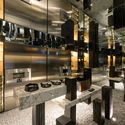
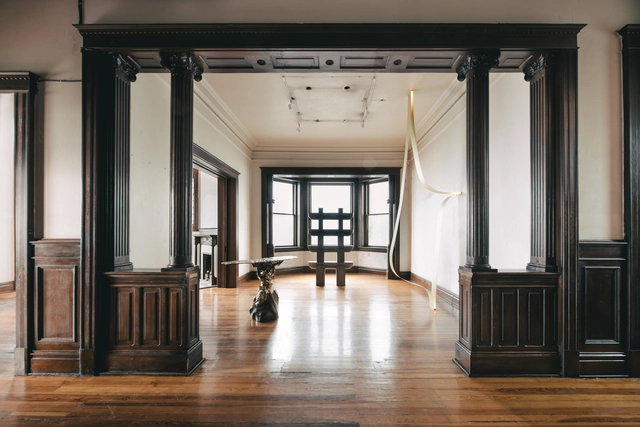
In early October, a new space opened in Mexico City under the name Design House at Público Coworking, showcasing a series of interventions that integrate disciplines such as design, architecture, and interior design. Over the past ten years, Design House has presented cutting-edge concepts from more than one hundred participating firms across various venues, collaborating with showrooms on the Design Route (Ruta del Diseño) that provide the pieces and accessories featured in the diverse installations.
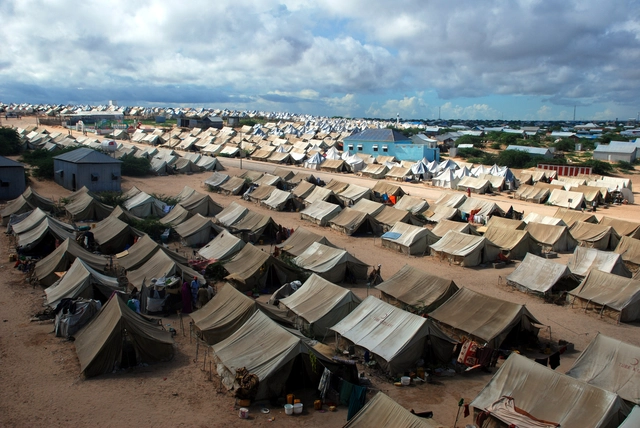
Currently, most global citizens have been directed into lockdown due to COVID-19. After spending more than two months under these circumstances, two broad reflections emerge—regardless of the personal challenges faced by each household. The first is that we might adapt and live in relative harmony within our living spaces; the second is that our living space may not be adequate for our comfort. We will delve into this second point to empathize with vulnerable populations who choose to abandon their lives in one place to migrate toward better opportunities, and to examine how architecture addresses—or fails to address—the migration emergency.
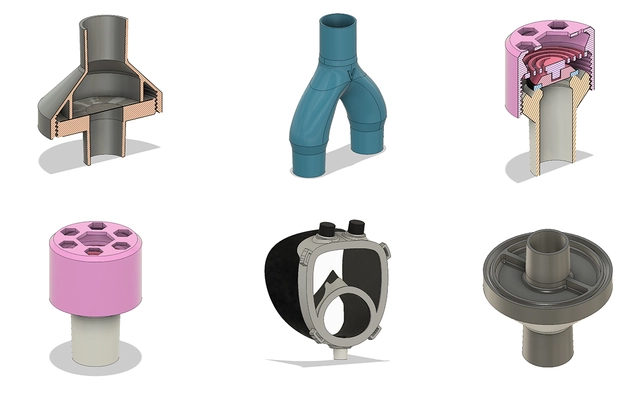
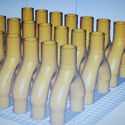
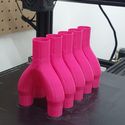
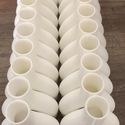
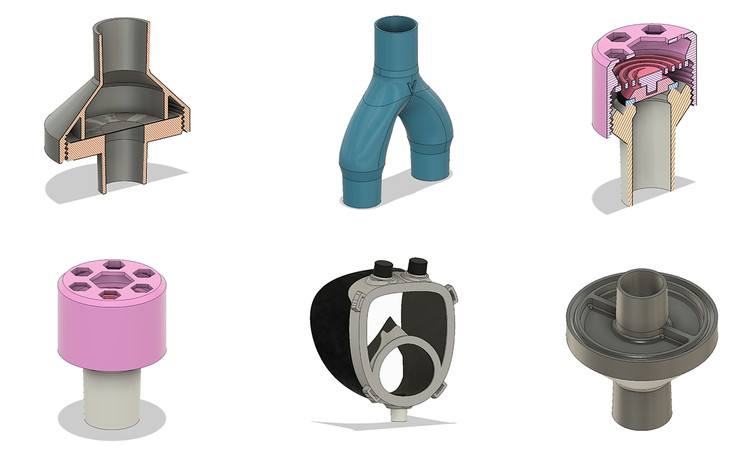
As part of an initiative by Makers México, a group of nearly 300 creative professionals from various fields continues to come together to address the COVID-19 pandemic. Architects such as Juan Carlos Baumgartner and Michel Rojkind, along with designer Ariel Rojo, have joined this effort to contribute in various ways, creating 3D-printed parts to be donated to hospitals across the country. Currently, they are working on a splitter—which allows two patients to be connected to a single ventilator in the event of a shortage—protective masks for doctors and patients, as well as other components to complement their operation.
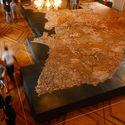
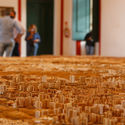
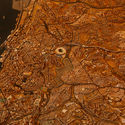
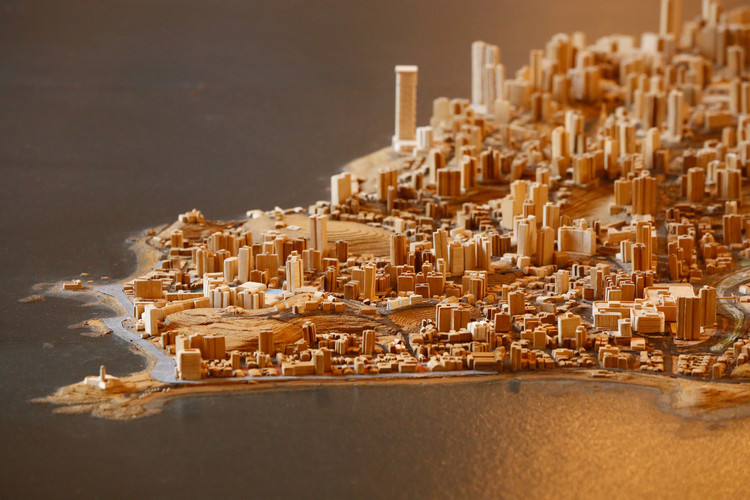
On August 20, the landmarking process began for the scale model of Salvador, which is currently on display at the Associação Comercial da Bahia in the state capital [1]. The model, which will remain open to visitors by appointment until September 18, 2020 [2], was first conceived in the early 1970s by architect Assis Reis. Since then, it has been continually updated by a team of craftspeople from the Salvador Municipal Government to represent the city's urban changes, thus preserving the original vision behind its creation.
As part of the cultural programming of the Mexico City-based art gallery, MASA presents the exhibition Recover / Uncover, a space featuring unique and limited-edition pieces by designers and artists whose work seeks to challenge labels. In doing so, MASA celebrates contradiction as a reflection of an ongoing process of self-definition and evolution over time, presenting objects as tools for life and contemplation.
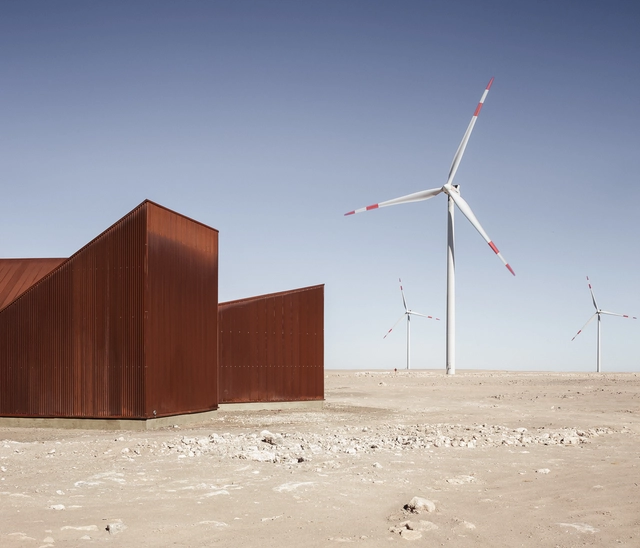
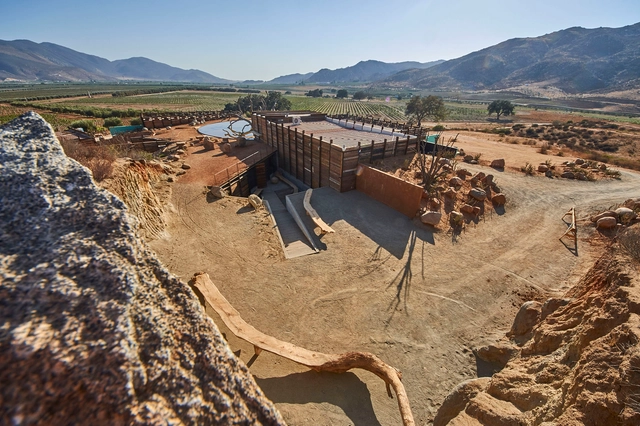
"The hardest thing in architecture is building in the desert. It is terrible, there are no references," Álvaro Siza once remarked. Paradoxical as it may seem, complex site constraints are often the starting point for architectural reasoning. Dealing with steep slopes, significant pre-existing structures, or endemic vegetation might initially seem like an obstacle to the creative process, but in many cases, this very confrontation is what makes a project unique and anchors it to its site.
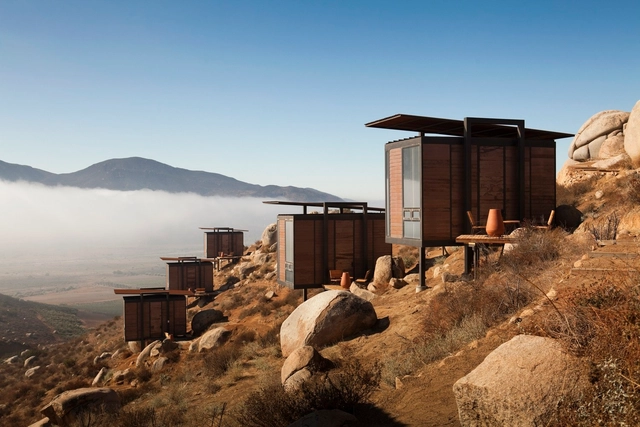
Located in the country's northwestern region, the state of Baja California Norte borders California (in the United States), Sonora, and Baja California Sur (in Mexico). Along with Baja California Sur, these are the only two Mexican states flanked by the Pacific Ocean to the west and the Sea of Cortez to the east, harboring some of the most breathtaking landscapes and coastlines in the country.






.jpg?1593472562 "Housing improvement programs in the Maya zone. Motul. Image © Onnis Luque")
.jpg?1593472682 "Soy de Azteca: peripheral aesthetics in Mexico. Image © Zaickz Moz")



_22.43.53.jpg?1597908512&format=webp&width=640&height=580)

_22.43.53.jpg?1597908512)



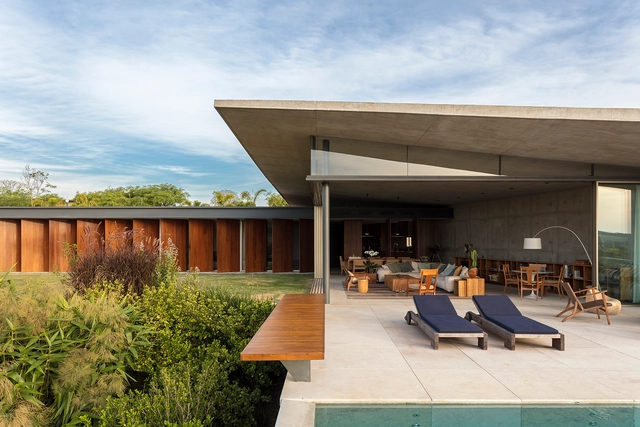

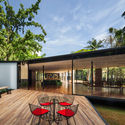
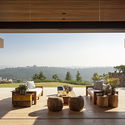
.jpg?1592235861 "Jungle House / Studiomk27 - Marcio Kogan + Samanta Cafardo. Image: © Fernando Guerra | FG+SG")