Since ArchDaily launched its recruitment services, we have received job postings from architectural practices of various scales across China, from Beijing to Shenzhen and Hangzhou. Highly active across diverse architectural fields with their distinct styles, these firms are looking for talented architects to join their teams. Below are six curated openings for May, along with a showcase of their representative projects. Interested candidates are warmly invited to apply.
https://www.archdaily.com/1128474/may-job-openings-6-firms-now-hiring-including-independent-practices-and-state-owned-design-institutesMilly Mo
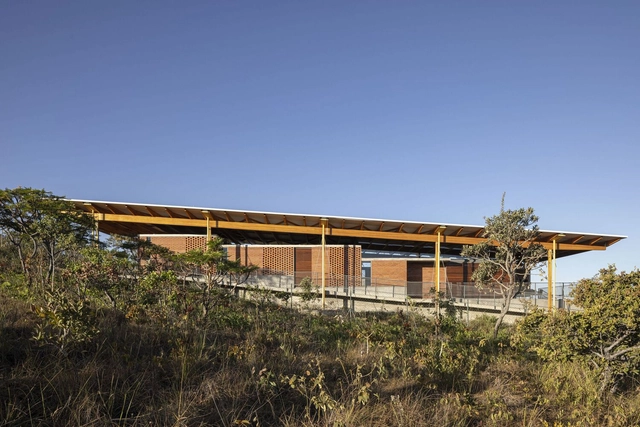
Every year, our curatorial team presents a retrospective of house projects that stood out over the period. This collection, a small selection of the more than two thousand projects published on ArchDaily Brasil this year alone, comprises a series of residences with specific design solutions that address, each in their own way, factors such as materials, construction techniques, structural systems, building processes, and programs.
The following article, based on the exhibition conceived by the Projective Drawing course and developed by the Digital Fabrication and Parametric Design Laboratory of the Institución Universitaria Colegio Mayor de Antioquia (FABLAB COLMAYOR), demonstrates the adaptability of undergraduate programs after COVID-19. This initiative, utilizing rendering and augmented reality, showcases a new approach to applying relevant tools in both academic and professional fields.
https://www.archdaily.com/1128460/how-was-the-first-virtual-exhibition-of-architectural-drawings-in-colombia-designedDiego Agamez, Catherine Preciado y Luis Frey Zapata
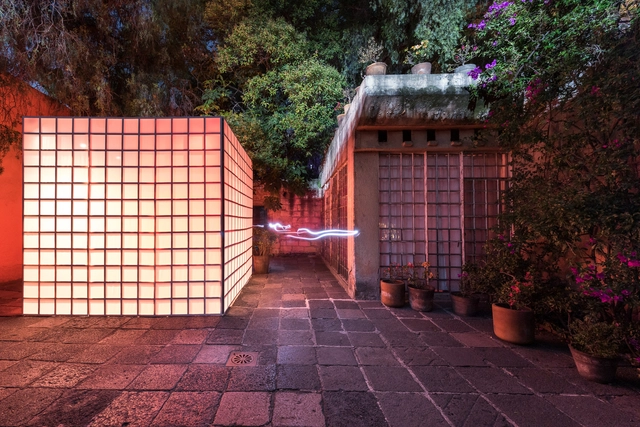
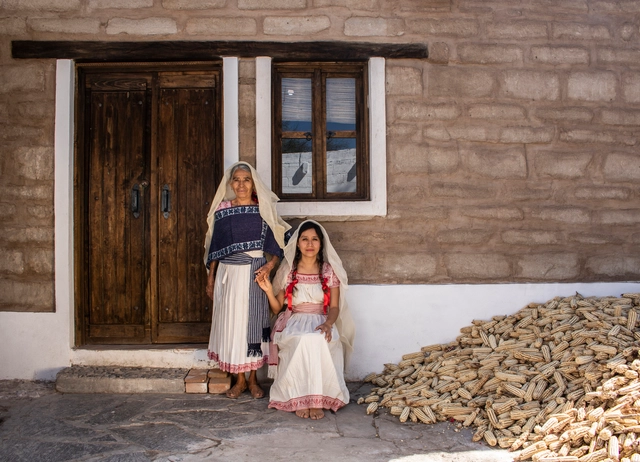
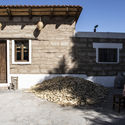
The Cocina Mendoza project is located in the municipality of Ixmiquilpan, in the heart of the Mezquital Valley in central Hidalgo, Mexico. This is home to the community of San Nicolás de Tolentino and the Mendoza family, who belong to the Otomí people and held the *mayordomía* (stewardship) during 2019 and 2020.
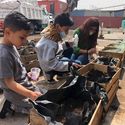
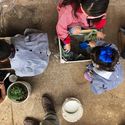
It might seem that the concept of “urban gardens” emerged alongside the gentrification of Mexico City—a model of food autonomy that not only provides us with fresh, organic, ready-to-eat produce, but also beautifies the urban landscape and reconnects us with nature. However, nothing could be more mistaken than viewing urban agriculture as a mere trend.
This article by Ana López Ortego (Colectivo Arquitectura Expandida) is a collaboration with Colectivo RE and was originally published on August 2, 2020, in the second edition of Huevo de pato, a publication that aims to share thoughts and experiences as a strategy toward democratizing knowledge and action.
This article was originally published in Revista Trópico Absoluto under the title "El Teatro Teresa Carreño: una historia personal" on March 6, 2020. Below, the German-born Venezuelan architect Dietrich Kunckel recounts in his own words the precise details of the design and construction process of one of the most important architectural works in Caracas, Venezuela.
INCLUSIVE ARCHITECTURAL PRACTICE is a pioneering international firm integrating architecture, interiors, landscape, and graphic design. Composed primarily of designers with extensive study, work, and life experience both in China and abroad, the team is dedicated to creating cutting-edge, inclusive architecture that brings future-oriented change to the educational, cultural, R&D, office, and commercial sectors.
https://www.archdaily.com/1128513/beijing-jobs-heli-architectural-practice-architectural-concept-designer-project-architect-interior-designer-technical-interior-designerMilly Mo
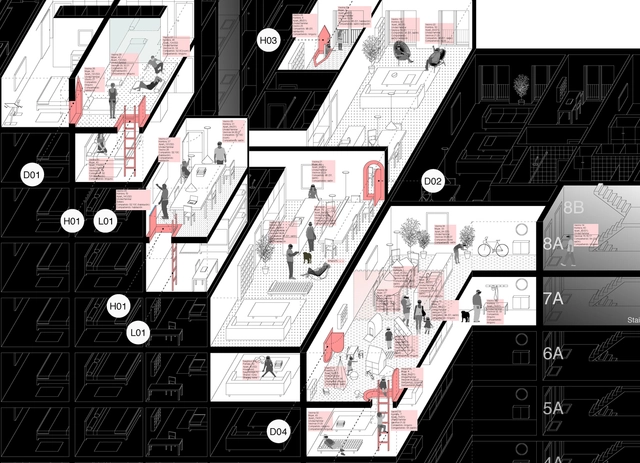
Bloque de viviendas genérico tras ser parcialmente hackeado (simulacro gráfico de modos subversivos de coexistencia). MAPAa, 2021.. Image Cortesía de Marcos Parga
Marcos Parga, director of the Madrid-based studio MAPAa, presents a speculative essay titled "Everyday Rebellions." This is a series of reflections on new domesticities and some considerations regarding the challenges we face in architecture following the COVID-19 pandemic, focusing primarily on how to reimagine and update domestic groupings in our cities.
One of the key questions of Parga's research: What if we were provided with a new type of "retroactive" tools to recalibrate and unlock our domestic life and community interactions, exploring the hackable potential of today's housing blocks?
Housing, Tacora. Image via Archivo fotográfico Fundación Altiplano
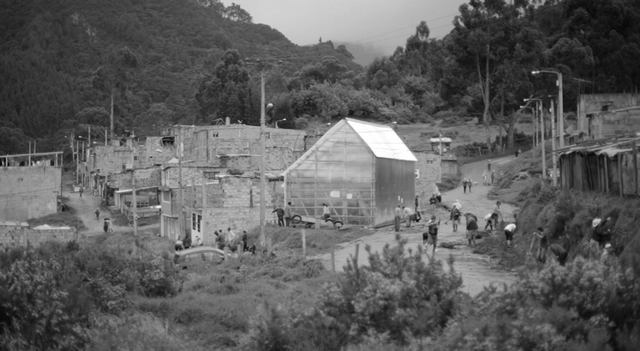
The climate crisis, resource scarcity, and socio-spatial inequality are among the challenges currently facing the architectural discipline and the construction industry. In the Chilean Altiplano—a territory marked by a wealth of natural and cultural treasures contrasting with the scarce natural resources of the desert—the Fundación Altiplano invites us to rethink heritage restoration through the lens of sustainability, community-based conservation, and participatory processes. Developed and implemented alongside the communities themselves, this model leverages ancestral knowledge and local materials, offering not only answers but also critical questions for navigating our turbulent contemporary context.
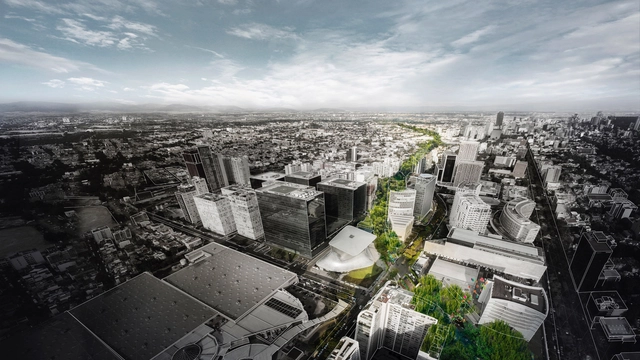
Citymakers is working with ArchDaily to publish a series of articles, conversations, and interviews with the different actors involved in co-producing the city behind the Citymakers Barcelona Lab 2021—a program whose next edition will run from November 8 to 12. For this installment, Víctor Torres, director and co-founder of CityMakers, presents his article "Re-naturalizing the City."
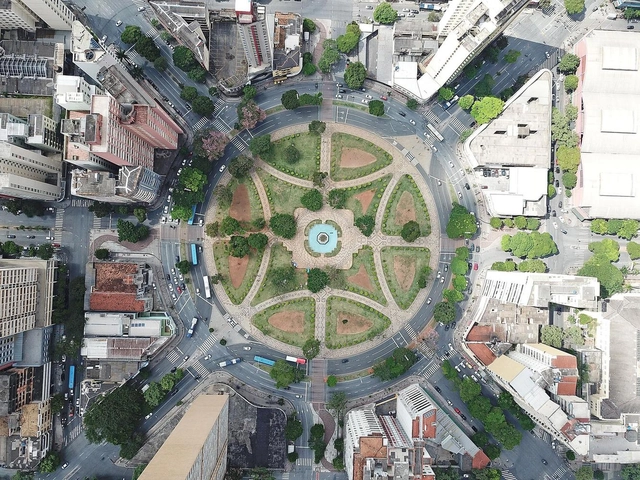
Raul Soares Square, Belo Horizonte. Photo by Luiz Felipe Silva Carmo, via Unsplash
The processes of city planning and development are part of complex networks, often requiring the coordination of diverse tools addressing not only physical, but also social, economic, and political planning. The Master Plan is one of the primary instruments for this purpose, playing a fundamental role in regulating a city's territory.
According to the definition in NBR 12267, which establishes the standards for preparing Master Plans, they are the “basic instrument of a municipal planning process for the implementation of urban development policy, guiding the actions of public and private agents.”
Placas de Yeso Cartón Gyplac. Image Cortesía de Etex Chile
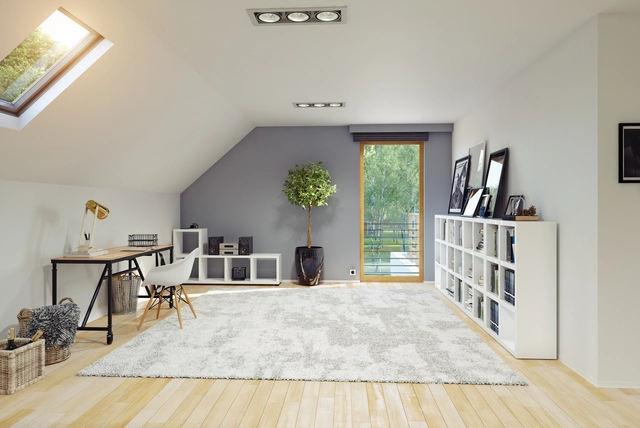
Inadequate living conditions in a building trigger discomfort and even physical pathologies in humans. Scientific experiments have shown that a lack of concentration and even everyday accidents are influenced by both high and low indoor temperatures. And while thermal sensitivity varies from person to person—depending on their clothing, gender, habits, and age—the basic principles behind thermal comfort are universal. Thermal comfort is primarily determined by air temperature and humidity. In this regard, the human body seeks to maintain a near-constant core temperature of 37°C, continuously exchanging heat with the environment.
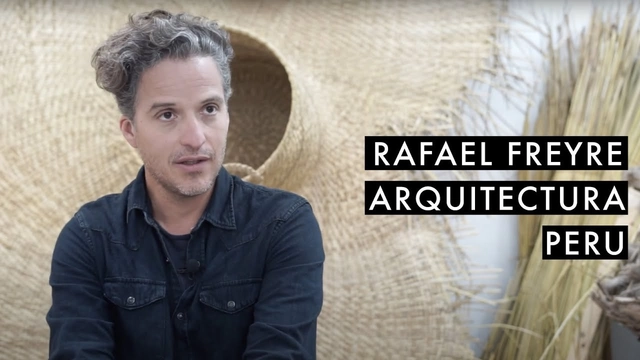
Archivo de Ideas Recibidas is an interdisciplinary research and dissemination project that seeks to document and connect the ideas of contributors to the contemporary creative ecosystem through art, design, and architecture. It is built on conversations between the team and various creators, delving into themes related to memory, academia, cultural context, key influences, and working methodologies.
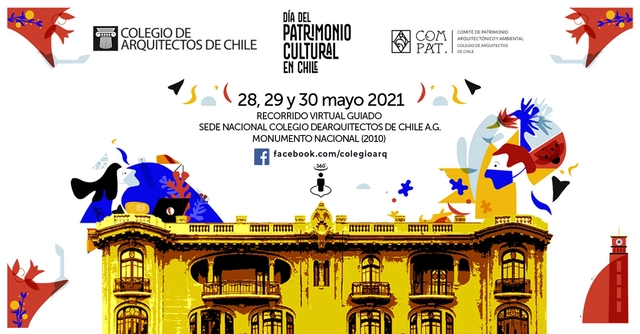
Heritage Day at the Association of Architects of Chile
Designated a National Monument in 2010, the National Headquarters of the Chilean Association of Architects (Colegio de Arquitectos de Chile) is a 1920 masterpiece by the prominent architect Luciano Kulczewski García. This Art Nouveau icon originally comprised two residences, each featuring a grand double-height hall illuminated by large windows, with five commercial spaces on the first floor.
The history of painting in Mexico has a deep legacy that extends far beyond oil on canvas, as some of its most prominent figures found diverse intersections with other disciplines to develop their capacity to observe—and, above all, to construct scenes that told a specific story of their time and context. Numerous figures have elevated Mexico's reputation, positioning it as one of the countries with the greatest cultural and artistic wealth, including Frida Kahlo, Diego Rivera, Rufino Tamayo, Dr. Atl, Emilia Ortíz, and Mathias Goeritz, among others.
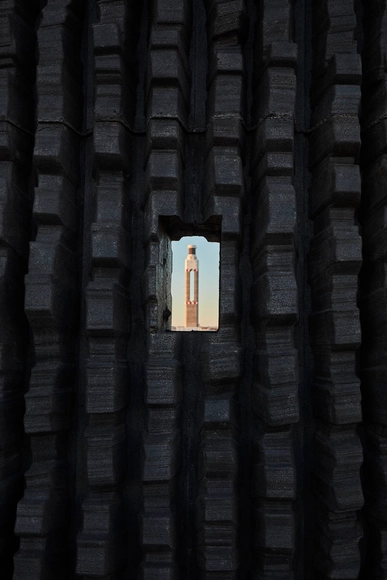
The team at ruta 4 taller and architect Gregorio Ballén present the following research resulting from their undergraduate thesis at Pontificia Universidad Javeriana, with the goal of addressing the current environmental, social, economic, and political crisis. It is an investigation into new ways of co-creating architecture by including actors external to the discipline, and proposes experimentation in the co-design of spatial artifacts created in collaboration with animal species such as the silkworm.
https://www.archdaily.com/1128530/silkworms-the-future-of-sustainable-construction-in-colombiaJuliana Lopez y Gregorio Ballen
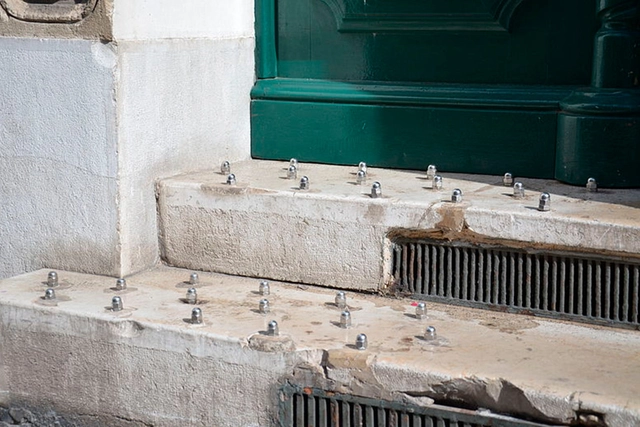
Benches with dividers and uncomfortable shapes, sharp stones under overpasses, fences surrounding plazas and gardens, walls with metal spikes, buildings without awnings or with timed water drippers, electric fences, and barbed wire. The elements and materials used to deter people from public spaces are numerous, ultimately shaping how individuals experience cities and interact with one another. Hostile architecture—a term encompassing all barriers and urban designs that seem to say “don’t make yourself at home,” as reporter Winnie Hu of The New York Times defines it—is part of the reality in most cities worldwide, sparking growing debate over the impact of these measures, particularly on social media.
https://www.archdaily.com/1128536/hostile-architecture-when-cities-are-not-for-everyoneSomos Cidade
While the work of Mexican architect Luis Barragán is globally recognized and studied for its invaluable commitment to the architecture of his time and context—and, above all, built upon deeply harmonious and poetic foundations that connect with a deeply personal quest in "cosmic solitude, with Mexico as the temporary home he lovingly accepts," as the Pritzker Prize Jury described it when honoring him in 1980—until recently (and even before the launch of the Barragan Foundation website), understanding the full spectrum of Barragán's place in architectural history was somewhat difficult, as several of his works have remained private (or difficult to access) for years.
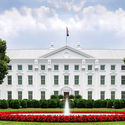
In 1792, sitting United States President George Washington organized a competition to design the presidential residence. The winning proposal, submitted by architect James Hoban, shaped the neoclassical mansion we know today as the White House, cementing its place in the American collective imagination.
Since ArchDaily launched its recruitment services, we have received job submissions from architecture practices of all scales—ranging from private design institutes and independent studios to international design teams—spanning the north and south of China, including Beijing, Shanghai, and Shenzhen. Below is a curated selection of openings from four firms. Active across diverse architectural fields with their unique design languages, they are looking for talented architects to join their teams.
https://www.archdaily.com/1128539/jobs-of-the-week-studio-zhu-pei-lacime-architects-ruff-design-fchaMilly Mo
This week, we feature job openings at two Shanghai-based design firms: ARIZON Design and atelier tao+c. Specializing in different scales and themes, both practices are active across various architectural sectors and are looking to recruit like-minded architects to join their teams.


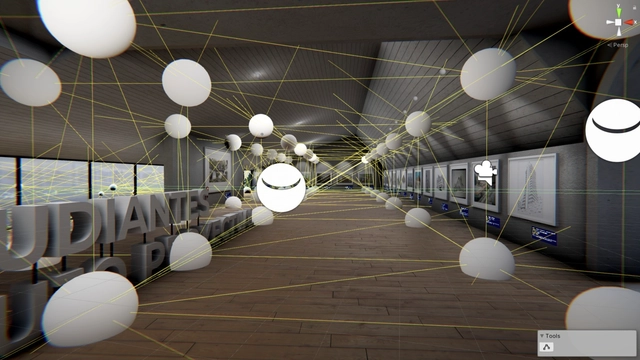
.jpg?1618334035 "Proceso de creación del museo. Image Cortesía de FABLAB COLMAYOR")
∏FABLAB_COLMAYOR.jpg?1618334099 "Exposición virtual de dibujos. Image Cortesía de FABLAB COLMAYOR")
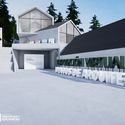
∏FABLAB_COLMAYOR.jpg?1618334134 "Exposición virtual de dibujos. Image Cortesía de FABLAB COLMAYOR")





.jpg?1628095508&format=webp&width=640&height=580)

.jpg?1630423587&format=webp&width=640&height=580)