Great ideas can change the destiny of cities forever when implemented in concrete, steel, and stone. When Saint Petersburg, Russia, was founded in 1703 by Peter the Great, he envisioned the new capital as an emblem of a modern Russian empire, inspired by Western European commercial hubs like Amsterdam. In the 20th century, Chandigarh, India, was shaped as an English "garden city" to demonstrate progress and aspirations of prosperity in post-partition India. Halfway across the world in the United States, Detroit transformed into one of the world's industrial megacities, shaped by the ideals of the American Dream and Henry Ford's visionary production.
https://www.archdaily.com/1122349/4-emerging-concepts-that-can-transform-citiesAnne Maassen e Madeleine Galvin
In highly urbanized areas, high land costs and competition for access to urban infrastructure make semi-detached buildings a common sight, particularly in residential zones. Almost always built along an axis of symmetry, they form pairs or rows of multiple homes which, besides lowering construction and design costs, optimize land use.
Here, we select ten Brazilian semi-detached houses that showcase different design strategies for addressing urban constraints.
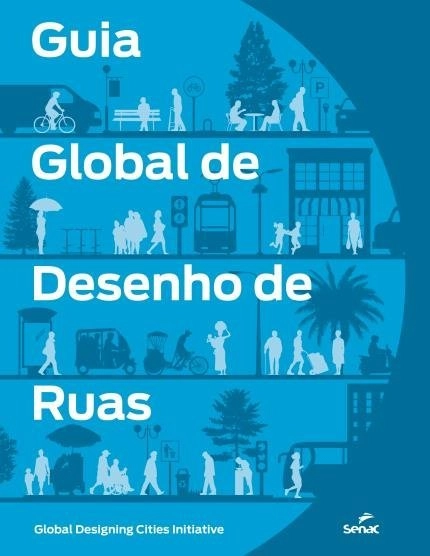
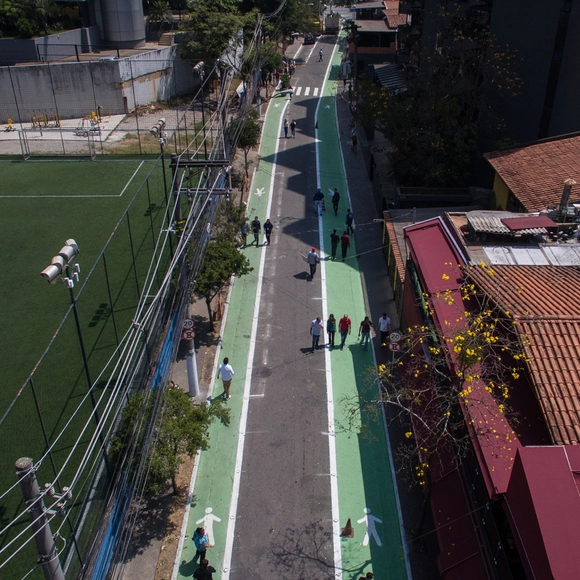
The urban public space between two architectural masses is defined as a street. It is where we establish the relationship between motorized vehicles, non-motorized transport, and pedestrians. In managing this relationship, public space requires a series of systems to guarantee active occupancy, in addition to infrastructure and safety. Consequently, the proper design of roadways and their immediate public surroundings becomes essential. Beyond what meets the eye, water, gas, electricity, and telecommunications networks are laid out beneath our feet, completely unnoticed.
The construction industry drives considerable economic activity worldwide, generating countless jobs and substantial revenue. At the same time, it also carries significant negative impacts, ranging from the depletion of natural resources to high levels of waste generation during both construction and demolition phases. To put this in perspective, in Brazil, Construction and Demolition Waste (CDW) is estimated to account for 61% of all waste generated, while household waste represents 28% [1].
The word “gentrificação” is the Portuguese rendering of the English term gentrification, first used, in all likelihood, by British sociologist Ruth Glass in her book London: Aspects of Change (1964), where the author described and analyzed certain changes in the spatial organization of the city of London. The term gained popularity after its use in academic works on the subject, accompanying an urban phenomenon present across various periods and spaces: the gradual or sudden displacement of residents and users living in precarious conditions from a given street, urban area, or neighborhood to another location, making way for the appropriation by residents and users of higher economic and cultural status.
One of the primary challenges facing contemporary cities is the renewal of existing infrastructure to accommodate a growing urban population. Shifting to the scale of architecture and the built object, restoring legacy structures to assign them new uses and functions also emerges as both a challenge and a major opportunity of our times. Although the world is building at an unprecedented pace, we must not lose sight of the value of existing structures that can be adapted and reused.
The adaptability of architectural professionals in Brazil is indisputable. Confronted in recent years with crises of various kinds that have hindered the execution of work and, perhaps even worse, immersed in a structure that systematically undervalues the profession, the professional, and the project, the vast diversity and high quality of current production is remarkable.
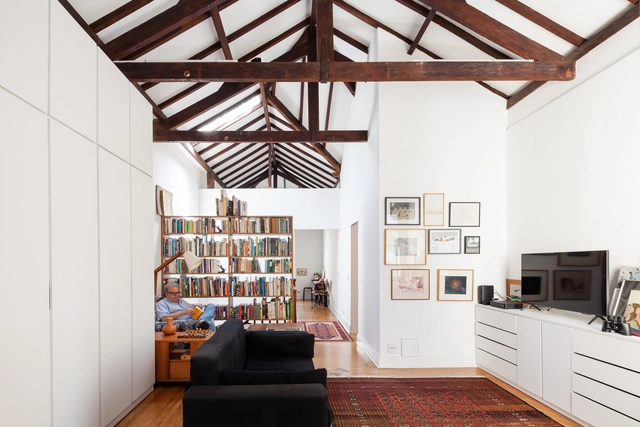
Designing a home is an experience that nearly all architects have either already had or will encounter over the course of their careers. However, balancing the future residents' requests with technical requirements brings daily challenges, whether due to tight budgets or limited space—both of which can serve as intriguing catalysts in architectural practice. As a result, architects are often challenged to maximize the residential program within a constrained footprint.
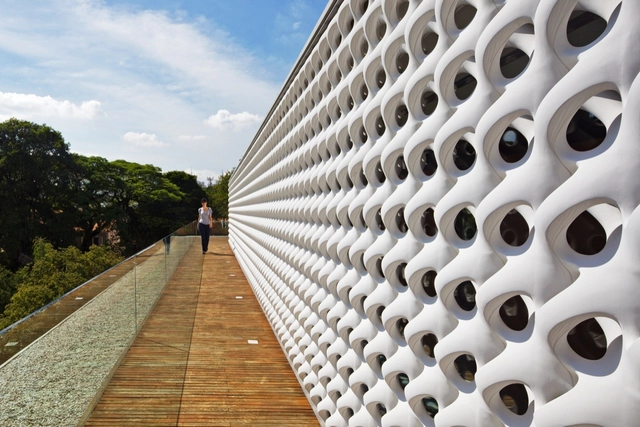
The cobogó is a widespread element in Brazilian architectural culture. Its origin and name trace back to the creators of this piece, which filters natural light and ventilation while providing rhythm and lightness to facades and interior partitions. Amadeu Oliveira Coimbra, Ernest August Boeckmann, and Antônio de Góis are the engineers who, working in Recife in the early 20th century, conceived this type of hollow block.
Shared electric scooters are also coming to Brazilian cities, and seven of them already have specific regulations. Photo: Portland Bureau of Transportation/Flickr
The use of shared e-scooters as a mode of transportation has emerged as one of the major revolutions in urban mobility in recent years. Since launching in September 2017 in the United States, e-scooters quickly became a phenomenon and, within less than two years, a reality in several major cities worldwide.
https://www.archdaily.com/1122413/the-rules-for-using-electric-scooters-in-seven-brazilian-citiesGuillermo Petzhold e Francisco Pasqual
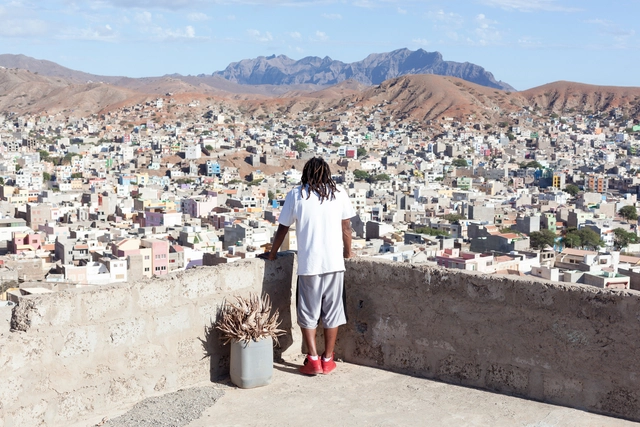
OUTROS BAIRROS, an initiative integrated into the PRRA – Rehabilitation, Requalification, and Accessibility Program and carried out in the city of Mindelo, Cape Verde, aimed to develop a methodological test for the rehabilitation of an informal settlement.
Urban planning goes far beyond the built environment itself. Every day, our choices, how we move around, how much we spend doing so, the opportunities we can access, the choices we make and those we forgo—all of this is shaped by urban planning. Professionals in the field, therefore, have a direct influence on life in cities. But what does the academic training of future urban planners look like today? What is essential for working in this field?
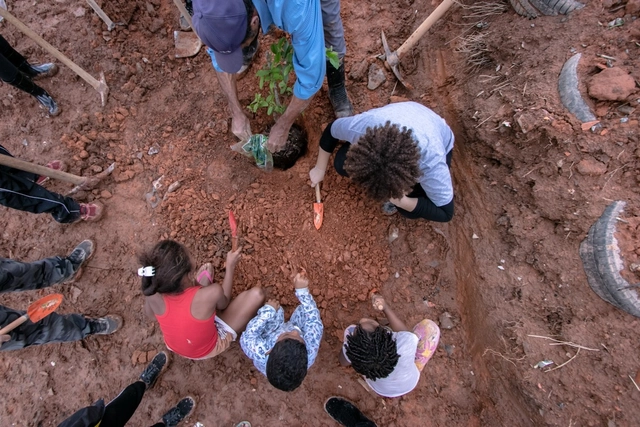
Workshop in Osasco in the Esperança community, planting seedlings for the future plaza. Image: Alberto Ricci, May 2019.
According to data released by the United Nations (UN, 2017), the global population has reached 7.6 billion, with more than half (54%) living in urban areas. In Brazil, according to data from the Brazilian Institute of Geography and Statistics (IBGE, 2010), 84.4% of the population lives in cities.
https://www.archdaily.com/1122284/designing-for-whom-a-necessary-reflectionDébora Sanches e Viviane Manzione Rubio
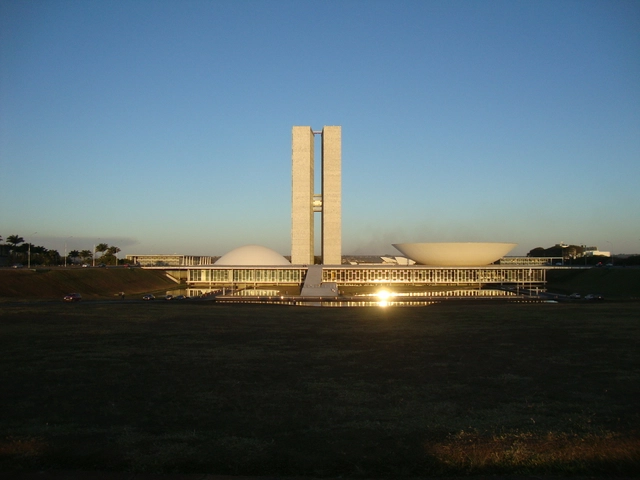
Brasília has always been a subject of interest for architects worldwide. Proof of this is the vast volume of literature published on Brazil's new capital over the nearly six decades since its inauguration.
Regarding Brasília, several questions emerge[1]: Who spoke about the city? Who criticized its construction? How did Brazilians interpret the idea of a new capital? Surveying those who participated in these debates helps clarify the “state of the art” of architectural interpretation in Brazil. Looking ahead, this historiographical perspective aims to raise new questions and foster a critical stance toward the most common readings of Brazilian modern architecture.
REGINO, A.; PERRONE, R. Eduardo Augusto Kneese de Mello: sua contribuição para habitação coletiva em São Paulo. Risco: Revista de Pesquisa em Arquitetura e Urbanismo (Online), n. 9, p. 56-97, 1 jan. 2009 - Editada.. Image Cortesia de PC3 - Pensamento Crítico e Cidade Contemporânea
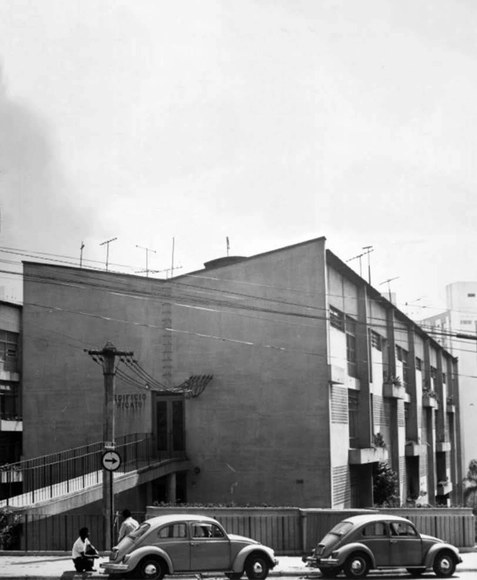
Conceived as a large-scale residential development in an expansion zone of São Paulo, the Jardim Ana Rosa Residential Complex began its subdivision design in 1950, in the Vila Mariana neighborhood, facing Largo Ana Rosa. The development, carried out by the Banco Hipotecário Lar Brasileiro, featured the participation of several prominent São Paulo architects of the time, such as Abelardo de Souza, Plínio Croce, Roberto Aflalo, and Salvador Cândia. In its initial version, the project planned for a few buildings bordering Vergueiro Avenue, with most of the area designated for single-family homes.
https://www.archdaily.com/1122290/rationality-of-modulation-and-repetition-in-housing-design-guarapira-and-hicatu-buildingsPC3 - Pensamento Crítico e Cidade Contemporânea
The work of the Catalan firm Barozzi Veiga is explored through the tension between tradition and invention in architecture in this article by João Paulo Rapagão, published in partnership with AMAG.
https://www.archdaily.com/1122258/evoking-quatremere-de-quincy-between-tradition-and-the-invention-of-architectureJoão Paulo Rapagão
Immaterial Heritage is a concept adopted in many countries and international forums as complementary to the concept of tangible heritage in the formulation and implementation of policies to protect and safeguard cultural heritage, from an anthropological and relativistic perspective of culture. Intangible heritage is also used as a synonymous term to designate the symbolic references of the sociocultural processes of invention, transmission, and continuous practice of traditions that are fundamental to the identities of groups, social segments, communities, peoples, and nations.
The city in the construction of the environment: "A place for strangers" or a place that only ceases to be neutral and abstract when painted by each of us? Image by Paulo Pacheco
There is perhaps no concept so generic and comprehensive, yet at once so impersonal and difficult to reach consensus on, as that of the environment (focusing on the United Nations Conference's own definition of environment—the environment as the set of physical, chemical, biological, and social components capable of causing direct or indirect effects, in the short or long term, on living beings and human activities—we immediately find that establishing a stable, common, and assertive conceptual foundation is highly difficult to achieve, let alone universally recognize...)
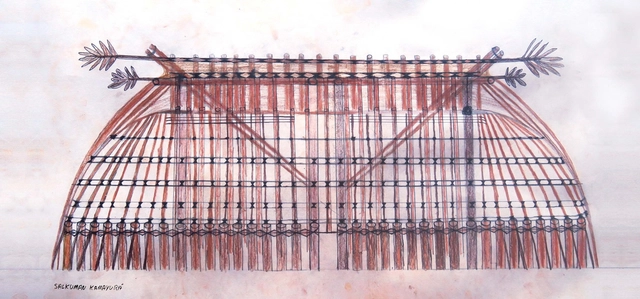
In July 2019, the habita-cidade Platform [1] organized the "Ways of Dwelling: Traditional Architectures" Travel-Workshop, which brought students and professors to the Ypawu Village in Kamayurá territory, in the Upper Xingu. The general objective of the "Ways of Dwelling" Travel-Workshops is to foster constructive reflection on the diverse forms of human habitat across the planet. This year, responding to a request from Kamayurá master builders to produce a manual on local architecture, the Travel-Workshop was designed so that the visiting group could support this important endeavor. The idea for the Kamayurá Architecture Manual was first proposed by Kanawayuri L. Marcello Kamaiurá (a local leader) to architect Clarissa Morgenroth (a graduate of Escola da Cidade) and theater director Cibele Forjaz. Escola da Cidade was then invited to join the project, which was taken on by the habita-cidade Platform, an initiative linked to the *lato sensu* postgraduate program "Housing and City."
https://www.archdaily.com/1122239/kamayura-architecture-manualLuis Octavio de Faria e Silva
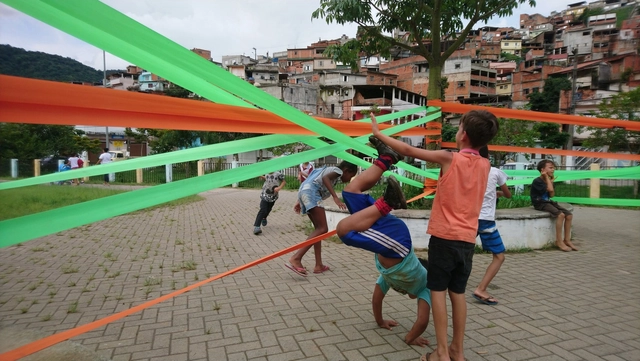
Cortesia de Marcella Arruda / A Cidade Precisa de Você
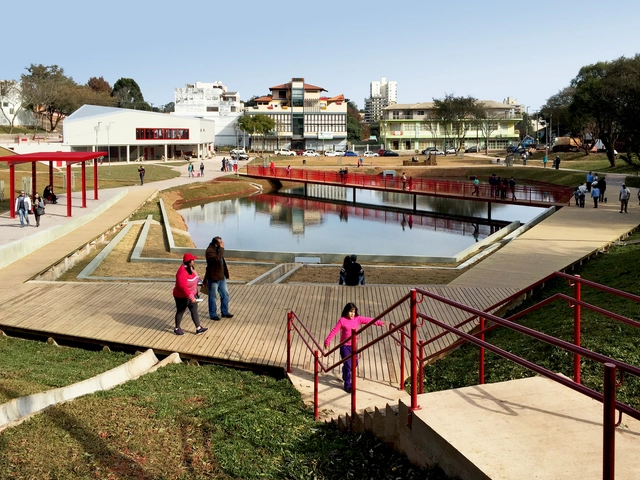
Over the next 20 years, 45% of urban land should consist of public spaces (streets, parks, and plazas), according to UN-Habitat. What will be the quality of these spaces? Which stakeholders will assume responsibility for their management? The movement to reclaim public spaces by city dwellers is gaining momentum both in Brazil and globally. The right to the city is at the forefront of urban discourse, and at its core, many citizens are committing to actively participate in decisions regarding their cities, or even in everyday initiatives to improve public spaces.
In the 21st century, smart city management will be one of the most influential factors in economic development. Addressing challenges in housing, sanitation, democracy, education, safety, economic development, and quality of life will be at the forefront of the agenda for city leaders.
https://www.archdaily.com/1122274/urban-planning-and-public-spaces-parks-as-tools-for-social-transformationAna Paula Wickert
The veranda is one of the architectural elements that most powerfully fosters the connection between interior and exterior spaces. Its precise origins are difficult to pinpoint, as it can be found in vernacular architecture across the East, the Arab world, Europe, and, with particular prominence, Brazil.
Image: Ivo Gonçalves – Prefeitura de Porto Alegre/Flickr, license CC BY-NC-SA 2.0
The Master Plan is the basic instrument for defining a municipality's development model. It establishes guidelines and strategies for executing plans, programs, and projects, seeking to emphasize public participation as well as economic, social, and environmental sustainability. Yet, its influence on the city goes far beyond what is commonly imagined: it ultimately dictates the volume and form of every new building.
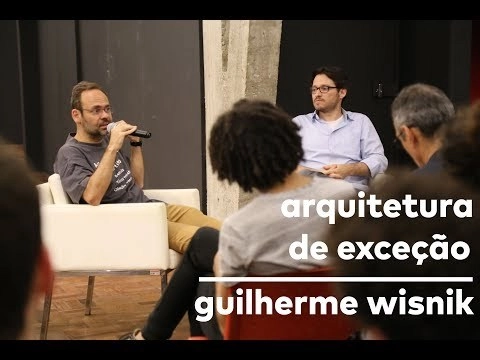
An open lecture on architect Paulo Mendes da Rocha and the Brazil Pavilion at Expo ’70 Osaka, as part of the exhibition "Architecture of Exception – The Brazil Pavilion at Expo ’70 Osaka." Exhibition curators José Paulo Gouvêa and Alexandre Benoit invite FAUUSP professor Guilherme Wisnik and Daniele Pisani, professor at Politecnico di Milano and author of the book Paulo Mendes da Rocha: Complete Works (Gustavo Gili, 2002).
https://www.archdaily.com/1122306/architecture-of-exception-guilherme-wisnik-and-daniele-pisaniPedro Vada

.jpg?1549028134 "© Alessandro Guimarães")



.jpg?1557928245 "Cortesia de Santa Luzia")







.jpg?1546956437&format=webp&width=640&height=580)
.jpg?1546956437)